
2 January 2024 · filed in Product Highlight
Proactive Measures: Implementing Safety Barriers in Warehouses
Warehouses are like the beating hearts of industry, always humming with activity where getting the balance right between running a tight ship and looking after your mates is key. We’re all too aware of the risks; stats don’t lie, forklift accidents in the workplace are more common than we’d like, and sometimes they can knock you for six. Our yarn today isn’t just another read; it’s a fair dinkum guide to decking out your warehouse with safety barriers that’ll keep your crew sound as a pound. So grab a cuppa, have a squiz at our tips and find out how taking care down those aisles can save lives without putting the brakes on getting the job done.
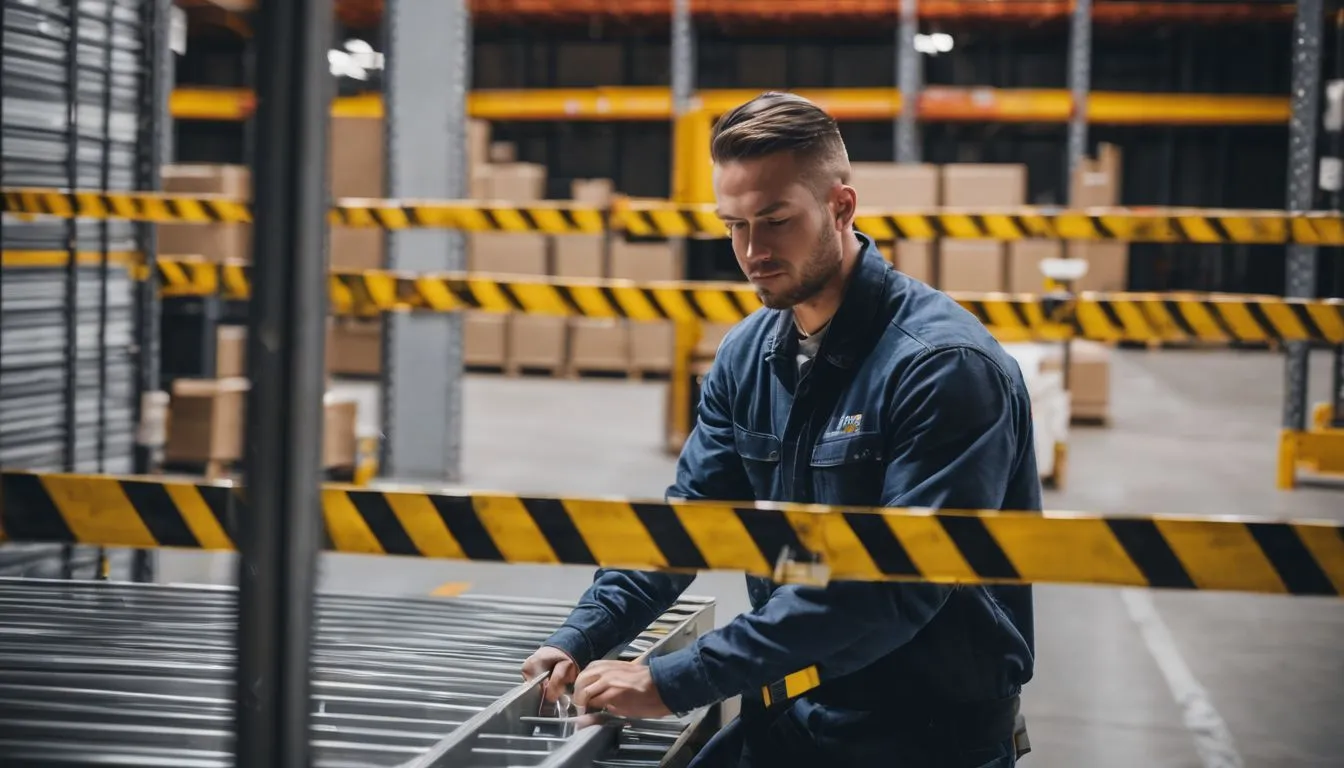
Importance of Warehouse Safety Barriers
Warehouse safety barriers are essential for preventing accidents, protecting structures and equipment, and separating pedestrians from vehicles. These proactive measures are crucial in maintaining a safe warehouse environment and reducing the risk of workplace incidents.
Prevent accidents
Our careful planning and placement of safety barriers can drastically lower the risk of accidents in your warehouse. By positioning guard rails and walkway barriers strategically, we guide traffic flow and create a physical shield between employees and potential hazards.
These protective measures are crucial for not just preventing collisions, but also for safeguarding against falls, equipment damage, and work interruptions.
We understand that each warehouse has its unique risks which makes customised solutions essential. Our approach involves conducting thorough risk assessments to determine where safety barriers will be most effective.
This proactive safety measure contributes to creating a safer environment for everyone involved, ensuring that operations run smoothly with minimised risks. Let’s explore the next layer of protection by investing in structures like racking protectors and bollards, key tools in protecting your assets from damage.
Protect structures and equipment
We fortify structures and equipment in warehouses by installing robust safety barriers. These barriers shield delicate machinery, storage racks, and other assets from accidental impacts caused by forklifts or other moving objects.
Implementing these protective measures minimises the risk of costly damage to infrastructure and valuable inventory, ensuring a safe working environment for all personnel.
By maintaining a clear separation between operational zones and pedestrian areas through strategic placement of safety barriers, we significantly reduce the likelihood of accidents involving people and mobile equipment.
Our well-placed protective barriers safeguard against inadvertent collisions that could otherwise result in serious injury or even fatalities within the warehouse setting.
Separate pedestrians and vehicles
To ensure workplace safety, segregate pedestrians and vehicles within the warehouse. Install physical barriers like guardrails or bollards to establish designated walkways and traffic lanes, preventing potential collisions.
Implementing clear signage can also help direct pedestrian and vehicle flow effectively, reducing the risk of accidents.
By installing physical barriers and implementing clear signage in our warehouses, we promote a safe environment by separating pedestrians from vehicles. This proactive approach minimises the risk of collisions and enhances overall safety for everyone in the facility.
Types of Warehouse Safety Barriers
When it comes to warehouse safety barriers, there are several types that can be implemented to address specific hazards and risks. These include pedestrian barriers, forklift barriers, bollards, racking protectors, and anti-collapse barriers.
Each type serves a unique purpose in enhancing safety within the warehouse environment.
Pedestrian barriers
Pedestrian barriers are crucial for creating a safe work environment in warehouses. These barriers physically separate foot traffic from machinery and equipment, reducing the risk of collisions and injuries.
Installing high-visibility pedestrian barriers also helps to clearly define walkways, enhancing overall safety protocols within the warehouse.
Additionally, pedestrian barriers can be customised to suit specific needs, such as adjustable heights or extra signage options for hazard warnings. They play a pivotal role in preventing accidents and promoting employee well-being while navigating through busy warehouse environments.
When planning for comprehensive warehouse safety measures, it’s imperative to consider the importance of pedestrian barriers alongside other essential safety solutions.
Forklift barriers
Forklift barriers are essential for preventing accidents in the warehouse. These sturdy barriers create a visible and physical separation between forklift traffic and pedestrian walkways, reducing the risk of collisions.
By strategically placing forklift barriers in high-traffic areas, businesses can mitigate potential hazards and protect employees from workplace accidents. Investing in robust forklift barriers demonstrates a commitment to safety and helps reinforce a culture of caution and awareness around warehouse equipment.
Furthermore, installing forklift barriers not only safeguards individuals but also prevents damage to valuable inventory and equipment. With clear signage indicating designated forklift routes, these barriers effectively channel traffic flow, contributing to improved overall warehouse safety management while minimising the risk of costly structural damage or operational disruptions.
Bollards
Bollards act as sturdy barriers that help protect equipment, structures, and personnel in warehouses. They are often placed strategically to prevent accidental impacts caused by forklifts or other moving machinery.
Bollards also create clear boundaries between pedestrian walkways and vehicle operating areas, reducing the risk of collisions.
Bollards come in various materials such as steel, concrete, or plastic, offering different levels of impact resistance and visibility. Their installation should be carefully planned to ensure optimal protection for both people and property within the warehouse environment.
Racking protectors
When considering warehouse safety barriers, it’s essential to not overlook the importance of racking protectors. Racking protectors serve as a vital component in safeguarding your warehouse by preventing damage to racks from forklifts and other equipment.
These protective barriers can effectively minimise the risk of costly rack repairs and potential accidents caused by impacts, thus contributing to a safer work environment for employees and reducing operational downtime.
Implementing racking protectors demonstrates a proactive approach towards warehouse safety, aligning with risk management practices and occupational health standards. By integrating these protective measures into your warehouse layout, you are actively prioritising accident prevention and enhancing overall industrial safety.
Anti-collapse barriers
When considering warehouse safety solutions, it’s crucial to address the potential for collapse or toppling of stacked items. Anti-collapse barriers play a vital role in preventing such incidents by providing a sturdy and reliable barrier against the movement of goods.
These barriers not only enhance warehouse security but also contribute to hazard prevention, ensuring the safety of both employees and equipment within the facility.
Implementing anti-collapse barriers demonstrates proactive safety measures in addressing one of the key risks associated with warehouse operations. By strategically placing these barriers, businesses can significantly reduce the likelihood of collapses and topples, thereby creating a safer working environment for everyone involved.
Installing Warehouse Safety Barriers
When installing warehouse safety barriers, it’s important to consider the placement of the barriers in relation to high-traffic areas and sensitive equipment. Compliance with industry standards is crucial, as well as considering how safety barriers can work in conjunction with other security measures to create a comprehensive safety plan for your warehouse.
Placement considerations
Consider the layout of your warehouse when placing safety barriers. Ensure that barriers are strategically placed to create clear pathways for pedestrians and separate them from forklift traffic.
Install barriers near high-traffic areas, such as entrances, corners, and intersections, to effectively control the flow of movement and reduce the risk of accidents.
Evaluate potential impact points within the warehouse when determining barrier placement. Identify critical structures, equipment, storage areas, and any other vulnerable assets that require protection.
Compliance with standards
When considering the installation of warehouse safety barriers, it is crucial to ensure compliance with relevant industry standards and regulations. Adhering to these standards not only promotes a safe working environment but also demonstrates a commitment to employee well-being and workplace safety.
Implementing compliant safety barriers helps mitigate potential hazards, protects valuable assets, and fosters a culture of prioritising safety within the warehouse setting.
Compliance with standards involves identifying applicable regulations such as those governing barrier strength requirements, visibility specifications, and impact resistance. It also necessitates regular inspections and maintenance to uphold the effectiveness of installed safety barriers.
Use with other security measures
Warehouse safety barriers are an essential component of a comprehensive security strategy. When combined with other measures such as CCTV surveillance, access control systems, and regular safety training for employees, they form a robust defence against potential hazards and accidents in the warehouse environment.
Implementing safety barriers alongside these security measures ensures a multi-layered approach to safeguarding your personnel, equipment, and inventory.
Complementing safety barriers with additional security measures like proper lighting and alarm systems serves to enhance overall protection within the warehouse space. This integrated approach minimises vulnerabilities and fosters a safe and secure working environment for all stakeholders involved.
Common Mistakes to Avoid
Common mistakes to avoid when implementing safety barriers in warehouses include:
- Incorrect placement of barriers, which may lead to inadequate protection for employees and equipment.
- Choosing substandard barrier materials that are not durable or designed to withstand the demands of a warehouse environment.
- Overlooking compliance with safety standards, leading to potential liability issues and unsafe working conditions.
- Failing to assess the entire warehouse layout and traffic flow, resulting in inadequate coverage of high-risk areas.
- Neglecting regular maintenance and inspection of safety barriers, compromising their effectiveness over time.
Benefits of Working with a Warehouse Barrier Provider
By working with a warehouse barrier provider, businesses can benefit from custom solutions that meet their specific safety needs and requirements. With the expertise of a professional provider, businesses can ensure the quality and reliability of their safety barriers, as well as access to signage options and optimisation of their warehouse layout for improved employee and equipment safety.
Custom solutions
When considering warehouse safety barriers, custom solutions are essential to address the specific needs of your facility. A reputable barrier provider can offer tailored options that fit seamlessly into your existing layout while effectively mitigating potential hazards.
By working with a professional team, you can ensure that the barriers are strategically placed to provide maximum protection for both employees and equipment. Custom solutions also allow for flexibility in design, ensuring that the barriers complement the aesthetic of your warehouse while fulfilling their practical purpose.
Additionally, custom solutions from a warehouse barrier provider mean that you can benefit from personalised signage options that align with your safety protocols and hazard warnings within your facility.
Quality and reliability
When selecting warehouse safety barriers, it is crucial to prioritise quality and reliability. High-quality barriers constructed from durable materials contribute significantly to the overall safety of your warehouse environment.
Dependable barriers offer long-term protection against potential hazards, ensuring the safety of both employees and equipment. It’s essential to invest in reliable safety barriers designed to withstand impact and provide uninterrupted protection for years to come.
Ensuring the quality and reliability of your warehouse safety barriers not only promotes a secure work environment but also minimises maintenance costs over time. By opting for trusted barrier providers offering top-notch products, you can guarantee the longevity and effectiveness of your safety measures within the warehouse space.
Signage options
When choosing warehouse safety barriers, consider clear and visible signage options to enhance hazard warnings in your facility. Utilise bold and easily understood hazard signs and labels for high-risk areas like forklift traffic zones, loading docks, and pedestrian walkways.
Implementing prominent warning signs can effectively communicate potential dangers to both employees and visitors around the warehouse.
In addition, consider installing reflective tape or markers on guard rails or bollards to improve visibility in low-light conditions. This simple yet effective solution can significantly reduce the risk of accidents caused by limited visibility in dark areas of the warehouse.
Optimisation of warehouse layout
When considering the optimisation of warehouse layout, we focus on creating efficient traffic flow and maximising space utilisation. By strategically positioning safety barriers such as guard rails and bollards, we can effectively segregate pedestrian walkways from forklift pathways, reducing the risk of collisions and promoting a safer working environment.
Additionally, installing hazard warnings and clear signage helps to enhance visibility and awareness, further contributing to the overall safety of the warehouse.
To ensure employee and equipment safety, it is key that heavy-traffic areas are well-defined with appropriate barriers in place. Implementing these measures not only minimises the potential for accidents but also streamlines operations by preventing congestion.
Employee and equipment safety
When considering the optimisation of warehouse layout, it’s crucial to prioritise employee and equipment safety. Implementing proper safety barriers can significantly reduce the risk of accidents and injuries in the workplace.
By providing clear signage, guard rails, and hazard warnings, a safe environment can be created for both employees and equipment. This proactive approach not only ensures compliance with safety standards but also promotes a culture of well-being within the warehouse.
Forklift bollards play a key role in protecting both pedestrians and valuable equipment from potential collisions. By strategically placing these barriers to separate traffic areas from pedestrian walkways or storage zones, the risk of accidents involving heavy machinery is greatly reduced.

Conclusion
Implementing safety barriers in warehouses is crucial. These measures prevent accidents, protect structures and equipment, and separate pedestrians from vehicles. They are practical, easy to implement, and efficient. Applying these strategies can lead to significant improvements in warehouse safety. Business owners should consider working with a warehouse barrier provider for custom solutions and employee safety. Take action now to create a safer work environment for everyone involved!