
7 January 2024 · filed in Safety Update
Protective Barricades: The Significance of Barriers in the Food Industry

At the core of keeping our tucker safe and sound, there’s a fair dinkum priority for us all, particularly in the non-stop world of food service. Just like you, we’ve clocked on to the fact that things can go pear-shaped pretty quickly if we’re not on our game with proper measures, it’s a bit of a shocker, but most nasties find their way into grub during the chop and change of handling and prep. We’re stoked to share some ripper insights on protective measures that could seriously level up your business’s hygiene game. So why not join us as we tuck into the meaty bits of food safety?.
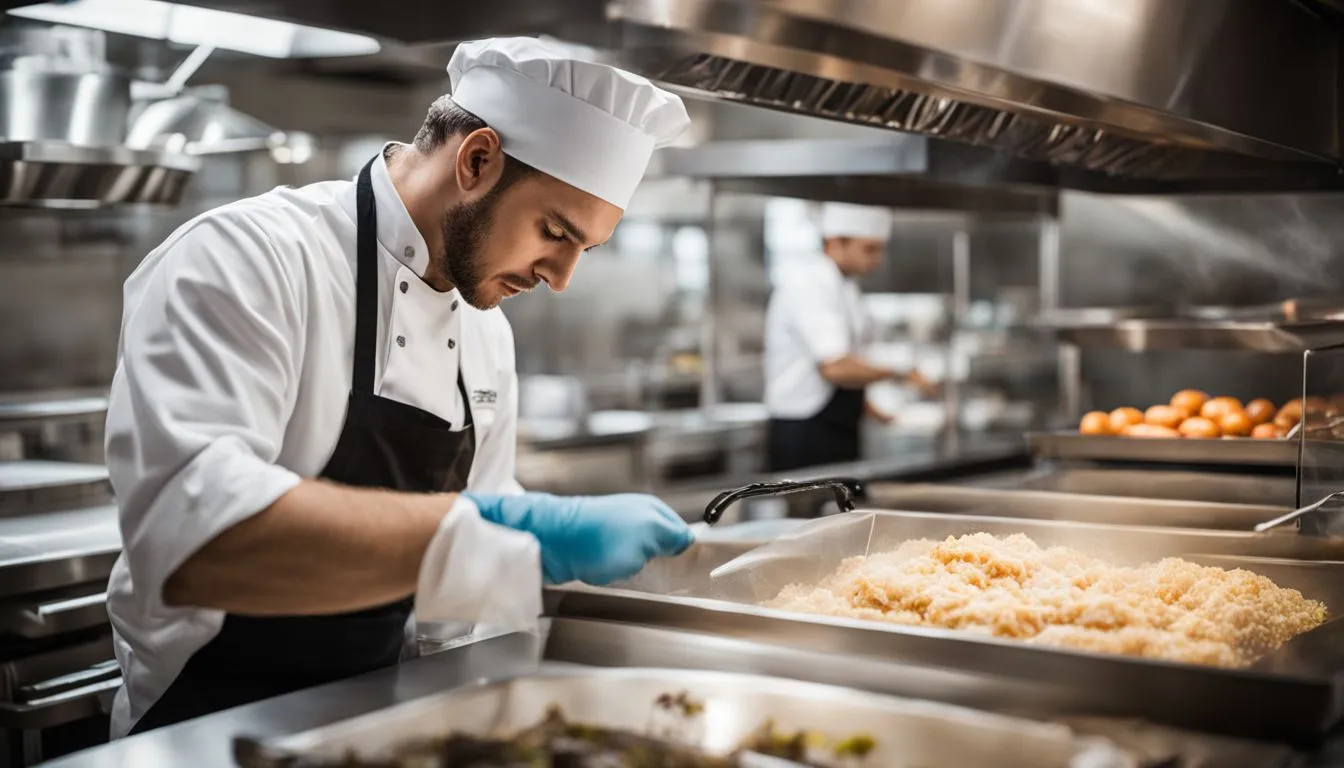
Importance of Protective Barriers in the Food Industry
Protective barriers are crucial in the food industry as they play a pivotal role in preventing contamination, ensuring hygiene and safety, protecting customers and staff, and meeting food safety standards.
These barriers serve as a vital line of defence to maintain the integrity of the products being produced and served.
Preventing contamination
We take a proactive stance in preventing contamination within food processing environments by implementing high-quality hygiene barriers and safety measures. These protective partitions serve as the first line of defence against microorganisms that threaten product purity and consumer health.
Our hygiene-sealed safety solutions, including sneeze guards and tailored barriers, are designed to meet rigorous food handling controls, ensuring a safer experience for both customers and staff.
Effective hazard control is more than just a regulatory requirement; it safeguards our business reputation and supports occupational health. We rely on sturdy forklift safety barriers to segregate areas of heavy machinery operation from delicate food production zones.
This segregation not only prevents cross-contamination but also minimises risks associated with workplace accidents. Prioritising these industrial barriers reflects our commitment to comprehensive risk management strategies in maintaining exceptional standards of food safety.
Ensuring hygiene and safety
To ensure hygiene and safety in the food industry, implementing tailored barriers is crucial. These barriers help in preventing cross-contamination, maintaining cleanliness, and minimising the risk of foodborne illnesses.
By utilising sneeze guards, restaurant booth dividers, and floor standing barriers, business owners can create segregated areas for food preparation and customer service. This not only promotes a clean working environment but also fosters confidence among customers regarding the safety standards upheld by the establishment.
Implementing barrier solutions such as hanging sneeze guards or mobile partition walls enforces a multi barrier approach to safeguard against potential hazards. This proactive strategy ensures that all aspects of food production are protected from contamination while meeting stringent food safety standards.
Protecting customers and staff
Food safety barriers are crucial for protecting customers and staff in the food industry. By implementing tailored barriers, businesses can prevent contamination, ensure hygiene and safety, and meet food safety standards.
These measures help to maintain a safe environment for both employees and customers whilst enhancing overall workplace safety.
Implementing effective barriers is essential for maintaining a secure environment in the food industry while also safeguarding against potential hazards. Tailored barrier solutions help to create a safer workplace not only by preventing contamination but also by ensuring that all facilities adhere to strict hygiene regulations.
It’s important to constantly review and update barrier systems to align with evolving safety standards – this helps guarantee continuous protection for everyone involved.
Meeting food safety standards
To meet food safety standards, businesses must implement strict hygiene and sanitation protocols. This involves regular cleaning and sanitising of food preparation areas, equipment, and utensils to prevent contamination.
Additionally, proper storage and handling of ingredients should be practised to maintain freshness and prevent spoilage. Regular training for staff on food safety practices is crucial in ensuring that all employees are aware of the necessary procedures.
Furthermore, conducting routine inspections and audits can help identify any potential risks or hazards in the food production process.
Implementing a Hazard Analysis Critical Control Point (HACCP) plan is essential for businesses in the food industry to ensure compliance with food safety standards. This approach involves identifying potential biological, chemical, or physical hazards in the production process and implementing control measures to mitigate these risks.
Types of Tailored Barriers for the Food Industry
Restaurant booth dividers, hanging sneeze guards, floor standing barriers, and mobile partition walls are all tailored barriers that provide added protection in the food industry. To learn more about these essential safety measures, keep reading!
Restaurant booth dividers
When implementing safety measures in the food industry, restaurant booth dividers play a crucial role in maintaining hygiene and safety standards. These dividers provide a physical barrier between diners, reducing the risk of contamination and enhancing customer and staff protection.
By installing tailored barriers, businesses can ensure compliance with food safety regulations while demonstrating their commitment to safeguarding public health. Restaurant booth dividers also offer a cost-effective solution for creating separate dining spaces within an establishment, thereby promoting safe and enjoyable dining experiences for customers.
The use of restaurant booth dividers aligns with hazard control strategies in food factories, contributing to the overall segregated safety solutions required in the food and beverage industry.
Hanging sneeze guards
Hanging sneeze guards provide a practical barrier against airborne contaminants in food preparation areas. They are made from durable materials like acrylic or glass and are suspended from the ceiling, ensuring easy installation and minimal obstruction of space.
These barriers act as a protective shield, preventing respiratory droplets from reaching food surfaces, protecting both customers and staff.
The use of hanging sneeze guards is especially important in buffet-style restaurants where there is a greater risk of contamination due to open food displays. The implementation of these tailored barriers not only ensures compliance with food safety regulations but also enhances customer confidence in the hygiene standards of the establishment.
Floor standing barriers
When implementing safety measures in the food industry, floor standing barriers play a crucial role. These barriers are effective in creating physical segregation between different areas, preventing cross-contamination and maintaining hygiene standards.
Floor standing barriers also contribute to staff and customer protection by reducing the risk of exposure to potential hazards. Furthermore, these tailored barriers help businesses meet food safety standards while presenting a professional and visually appealing solution.
Incorporating floor standing barriers into your food establishment can significantly enhance safety protocols, providing clear visual cues for designated areas and promoting a hygienic environment.
Mobile partition walls
Mobile partition walls offer a flexible solution to creating segregated spaces within food factories or restaurants. These movable barriers can be easily repositioned to accommodate changes in workflow or seating arrangements, allowing for efficient space utilisation.
By incorporating mobile partition walls, business owners can effectively establish designated areas for food preparation, dining, and customer service while maintaining a hygienic environment.
Additionally, these barriers contribute to hazard control by preventing cross-contamination and promoting the segregation of different operational zones within the facility.
Benefits of using tailored barriers
- Preventing contamination by creating a physical barrier between food preparation areas and customer spaces, reducing the risk of cross-contamination.
- Ensuring hygiene and safety by limiting contact with airborne particles, maintaining a clean environment for food handling, and minimising the spread of germs.
- Protecting customers and staff from potential hazards, such as accidental spills or splatters, while maintaining a pleasant dining atmosphere.
- Meeting food safety standards through effective hazard control measures, providing reassurance to regulatory bodies and customers alike.

The Multi-Barrier Approach to Food Safety
Implementing multiple control measures is crucial in ensuring food safety, protecting product and water supply, and preventing contamination. Read on to discover the significance of a multi-barrier approach in the food industry.
Importance of multiple control measures
Implementing multiple control measures is crucial in ensuring the highest level of food safety. This approach involves utilising a combination of preventive measures, such as protective barriers, regular cleaning and sanitation protocols, employee training, and stringent quality control processes.
By implementing an array of control measures, business owners can effectively minimise potential hazards and contamination risks at various critical points within their operations.
Ensuring product and water supply protection can be achieved through the strategic implementation of multiple control measures. With a comprehensive approach to food safety that encompasses various preventive strategies, businesses can better safeguard their products while maintaining compliance with industry regulations and standards.
Ensuring product and water supply protection
To ensure product and water supply protection, we implement the following measures:
- Conduct regular inspections of production areas and storage facilities to identify and address any potential sources of contamination.
- Utilise effective sanitation protocols for equipment, surfaces, and storage containers to prevent cross-contamination.
- Implement a robust pest control programme to safeguard against pests that can compromise product integrity and water supply safety.
- Monitor the quality of incoming water sources and establish filtration systems to eliminate potential contaminants.
- Enforce strict hygiene practices among staff members handling products and water supplies.
Importance of Sneeze Guards During Coronavirus
The use of acrylic or glass barriers, commonly known as sneeze guards, has become crucial in the food industry during the COVID-19 pandemic. To learn more about the significance of protective barriers and other safety measures in the food industry, keep reading!
Use of acrylic or glass barriers
Acrylic or glass barriers offer an effective means of reducing the spread of contaminants in food service settings. These transparent partitions allow for easy visibility and provide a physical barrier between patrons and staff, minimising the risk of direct exposure to respiratory droplets.
The use of these barriers is particularly common in buffet restaurants to maintain a safe distance between customers and food items, enhancing overall hygiene practices within the establishment.
These barriers also serve as a visual cue for customers, reassuring them that their safety is prioritised. Implementing acrylic or glass barriers aligns with current health guidelines, establishing trust with clientele while enabling business owners to meet stringent food safety standards.
Common in buffet restaurants
Sneeze guards made of acrylic or glass are common in buffet restaurants. These barriers help to shield food from contaminants while allowing customers to see and select their choices.
They are an essential part of maintaining hygiene and safety standards, preventing contamination, and protecting both customers and staff.
Utilising sneeze guards in buffet restaurants not only demonstrates a commitment to food safety but also reassures customers that their health is a top priority. By implementing these tailored barriers, businesses can instil confidence in patrons and create a safer dining environment for everyone involved.
Conducting a Food Safety Root Cause Analysis
We will discuss the steps for conducting an RCA, tools commonly used, communication of findings, and how to utilise findings for external purposes. Find out more about the importance of conducting a food safety root cause analysis in our full blog post.
Steps for conducting an RCA
To conduct a Root Cause Analysis (RCA) in the food industry, it’s crucial to follow these steps:
- Gather Relevant Data: Collect information about the incident, including the time, location, and individuals involved.
- Identify the Problem: Clearly define the issue that needs investigation, such as a foodborne illness outbreak or contamination event.
- Analyse Contributing Factors: Examine all potential causes and contributing variables to understand the root of the problem.
- Determine Root Causes: Identify the fundamental reasons behind the incident, considering factors like equipment malfunctions or human error.
- Develop Corrective Actions: Create effective solutions to address the root causes and prevent similar incidents in the future.
- Implement Changes: Put corrective actions into practice by updating procedures, training employees, or modifying equipment.
- Monitor and Review: Continuously assess the effectiveness of implemented changes to ensure long-term prevention of similar incidents.
Tools commonly used
- We utilise hazard analysis and critical control points (HACCP) to identify and manage potential food safety hazards.
- Utilising digital thermometers enables us to accurately monitor temperatures in food production and storage areas.
- pH metres assist in measuring the acidity levels of foods and beverages, ensuring they meet safety standards.
- Our staff are trained to use allergen testing kits to detect any allergens in the manufacturing process, preventing cross-contamination.
- Using water activity metres allows us to assess the level of moisture in food products, reducing the risk of microbial growth.
Communication of findings
We share the findings of our food safety root cause analysis with all stakeholders. We communicate any identified hazards and control measures to ensure transparency and understanding.
Utilising clear language and visual aids, we effectively convey the results of our investigation, empowering staff to make informed decisions based on the communicated findings.
Our transparent approach ensures that all parties involved understand the root causes of any food safety issues that may have arisen. Communication is key in implementing necessary changes and maintaining a safe working environment for both employees and customers alike.
Utilising findings for external purposes
After effectively communicating our food safety root cause analysis findings within the organisation, it is crucial to leverage this valuable information for external purposes. Utilising these findings can play a pivotal role in enhancing transparency with customers and suppliers, showcasing our commitment to food safety and quality.
By sharing our insights and actions taken based on the RCA findings, we demonstrate proactive hazard control in our facilities, thereby bolstering confidence among stakeholders such as regulatory bodies and other relevant industry partners.
Additionally, leveraging these findings can also serve as a marketing tool, reinforcing our dedication to implementing tailored barriers safety measures for protecting customers and staff while complying with food safety standards.

Conclusion
Tailored barriers play a vital role in maintaining hygiene and safety within the food industry. Implementing these practical solutions can safeguard customers and staff while ensuring compliance with food safety standards. Have you considered the impact of employing tailored barriers in your business? Take action now to improve efficiency and protect against contamination risk. The significance of protective barricades cannot be overstated, as they offer a multi-barrier approach to ensure food safety and customer well-being. Go beyond the basics by exploring additional resources or services that could further enhance your establishment’s protective measures.