
19 February 2024 · filed in Product Highlight
Redefining Gate Barriers: Incorporating Safety in Design
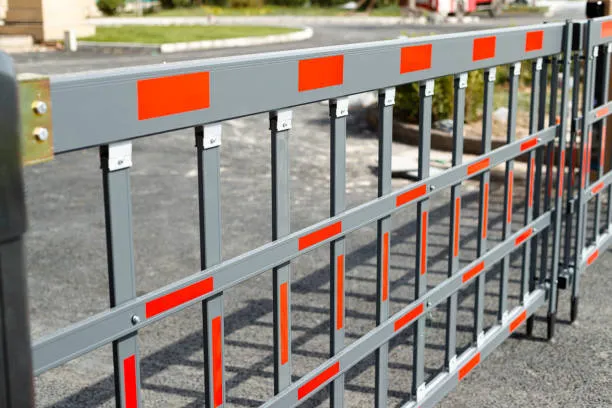
Ensuring the safety of our gates isn’t just a box-ticking exercise, it’s a genuine concern that we, as business owners, grapple with every day. It’s heartening to know that smart design can nip 60% of onsite mishaps in the bud. In this yarn, we’re going to share some savvy tips on how to weave safety into your gate barriers without sacrificing an ounce of style. We reckon you’ll be surprised at how a few clever tweaks can make a world of difference. So let’s crack on and explore these changes together, after all, looking out for each other is what being part of the Aussie business community is all about.
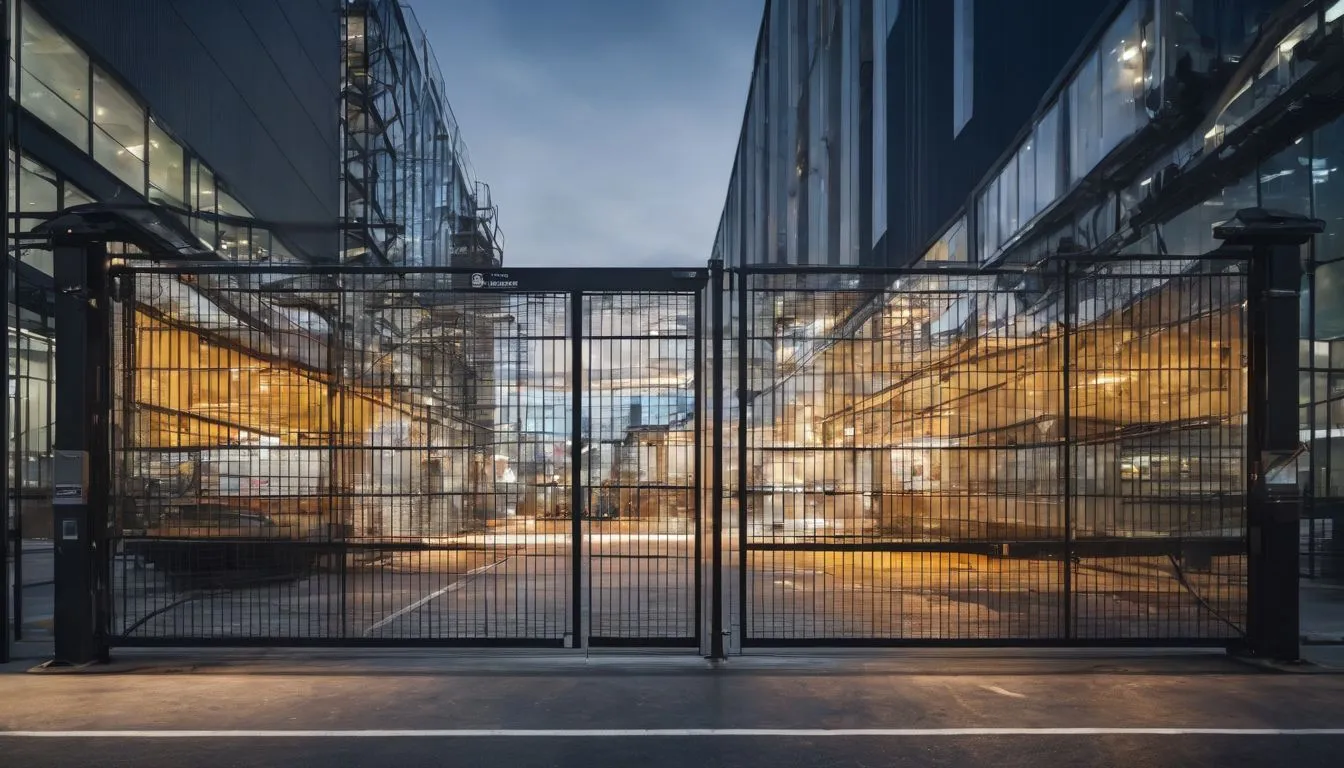
Understanding Safety in Design
Safety in design is the process of integrating safety considerations into the initial design phase of a project to prevent hazards and minimise risks. It plays a crucial role in ensuring the well-being of workers and users, as well as reducing costly accidents and legal liabilities in the construction industry.
However, challenges such as cost, time constraints, and lack of expertise can hinder the widespread adoption of safety in design practices.
Definition and concept
Incorporating safety in design means planning and creating gate barriers, security fencing, and other construction elements with the utmost concern for accident prevention and risk management.
It’s about anticipating potential hazards during the use of a building or structure, then designing those risks away before they can become a problem. This proactive approach ensures that every step, from access control to perimeter protection, has been thoughtfully considered to safeguard both users and operators.
We consider this concept vital as it directly impacts not only the functionality but also the aesthetic design in construction. By seamlessly integrating safety measures into our designs, we create environments where protection is inherent rather than an afterthought.
Automated gates or surveillance technologies aren’t just added on; they’re part of a comprehensive plan aimed at reducing harm without compromising on style or efficiency.
Importance in the construction industry
Safety in design is crucial in the construction industry as it ensures the well-being of workers, reduces accidents, and minimises project delays. Implementing safety measures in the initial design phase saves time and resources by preventing costly modifications later on.
Furthermore, incorporating safety considerations into barrier design and construction practices helps to uphold regulatory compliance, enhancing the overall reputation of a business within the industry.
This proactive approach not only protects employees but also fosters a positive workplace culture and encourages increased productivity.
Barriers to implementing safety in design
- Time Constraints: Tight deadlines may lead to rushed design processes, reducing the focus on safety considerations.
- Cost Implications: The additional expenses for safety features may be perceived as burdensome and non-essential.
- Lack of Awareness: Limited understanding of the positive impact of safety in design can result in it being overlooked or undervalued.
Designing for Safety in Construction
Designing for safety in construction involves implementing strategies and methods to ensure the protection of workers and the public. By incorporating safety considerations into the design process, we can create a safer built environment for everyone involved.
Strategies and methods for incorporating safety in design
- Utilising advanced materials and technologies to improve the protective capabilities of barriers.
- Integrating safety features, such as eye protection barriers and security fencing, into the design of entry points.
- Implementing access control redesign to enhance controlled entry and secure access.
- Automating gate systems to streamline entry management while maintaining safety standards.
- Collaborating with engineers from various disciplines to leverage their expertise in risk management and safety integration.
Case studies and examples of successful safety in design implementation
Several successful case studies demonstrate the effective implementation of safety in design. For instance, a major construction project integrated safety from the initial design phase, resulting in a significant reduction in workplace accidents and injuries.
This approach prioritised risk assessment and hazard identification early on, resulting in a safer working environment for all workers involved. Similarly, the incorporation of protective barriers and gate automation systems at industrial facilities has shown a marked decrease in security breaches and unauthorised access.
These examples showcase how proactive consideration of safety during the design process can yield tangible benefits for both workers’ well-being and overall site security.
Moreover, an engineering firm revolutionised gate safety standards by designing advanced security fencing that not only provides robust protection but also integrates seamlessly with modern architectural aesthetics.
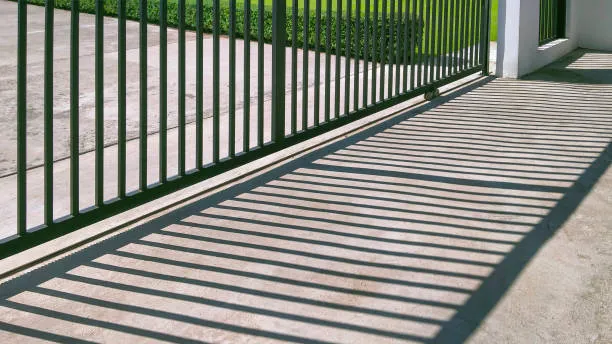
Disciplinary Perspectives on Safety in Design
We will explore how different disciplines, such as construction engineering, chemical engineering, and aerospace engineering, view and prioritise safety in design. Each perspective offers valuable insights into incorporating safety considerations at the earliest stages of a project.
Construction engineering
Construction engineering plays a pivotal role in ensuring safety in design for construction projects. Engineers in this discipline apply their expertise to develop and implement essential safety measures, including structural integrity, hazard identification, and risk management.
By leveraging advanced technologies and innovative techniques, construction engineers work towards creating sustainable and secure structures that prioritise the well-being of workers and the public.
By collaborating with other disciplines such as architecture, civil engineering, and project management, construction engineers can ensure that safety is embedded throughout the design process.
Through strategic planning and meticulous attention to detail, they contribute significantly to the overall success of construction projects by prioritising safety at every stage.”.
Chemical engineering
Turning from construction engineering to chemical engineering, we see a crucial emphasis on process safety. Chemical engineers play a vital role in ensuring the safe design and operation of chemical processes.
They are responsible for identifying potential hazards, assessing risks, and implementing measures to mitigate them. By incorporating safety considerations into the design and operation of chemical processes, they help prevent accidents and protect both workers and the surrounding community.
Chemical engineers use their expertise to develop safe operating procedures, implement risk management strategies, and ensure compliance with regulatory standards. Their focus on safety extends beyond mere compliance; it encompasses a proactive approach that seeks continuous improvement in process safety performance.
Aerospace engineering
Aerospace engineering focuses on the design and development of aircraft, spacecraft, satellites, and missiles. It includes disciplines such as aerodynamics, propulsion systems, materials science, and structural analysis.
Safety in aerospace engineering is paramount to ensure the reliability and security of these complex systems. Engineers in this field are responsible for designing components that can withstand extreme conditions while prioritising safety measures to prevent catastrophic failures.
Engineers in aerospace must integrate safety considerations into every phase of design and production. This involves rigorous testing procedures to identify potential issues before deployment.
Safe-by-Design: A Normative Yardstick
Embracing safety in design as a standard practice is vital for the protection of workers and the public, and it is crucial to take a value-inclusive approach to innovation. To delve deeper into this normative yardstick, read our full blog!
Incorporating safety in design as a standard practice
Safety in design should be a fundamental aspect of every construction project. It involves considering potential risks and hazards at the initial stages of planning, ensuring that safety measures are integrated into the design process.
Incorporating safety as a standard practice helps in minimising accidents, protecting workers, and reducing overall costs associated with workplace injuries. By prioritising safety during the design phase, businesses can create a safer working environment for all stakeholders involved.
Moving beyond traditional approaches to risk management is essential to create a culture of proactive safety measures within the industry. Implementing safety in design as a normative yardstick means embedding safety considerations in every stage of the construction process from conception through ongoing maintenance.
Importance of a value-inclusive approach to innovation
Incorporating safety in design as a standard practice is crucial for fostering a value-inclusive approach to innovation. By prioritising safety considerations in the design process, businesses can not only mitigate risks but also enhance the overall value of their products or services.
This proactive stance on safety underscores a commitment to ethical and responsible business practices, ultimately contributing to the sustainability and reputation of the company.
A value-inclusive approach to innovation emphasises the incorporation of diverse perspectives and stakeholder needs, ensuring that products are not only innovative but also considerate of societal well-being.
Recommendations for Future Research
Explore the potential areas of further study in safety in design and highlight the benefits of continued research on this crucial topic. For more insights on how to incorporate safety into design practices, keep reading!
Potential areas of further study
- Development of advanced materials to enhance the durability and safety features of construction barriers, ensuring longevity and efficiency.
- Integration of smart technologies such as sensors and real-time monitoring systems to provide dynamic risk assessment and pre-emptive safety measures.
- Exploration of sustainable design practices that prioritise environmental impact while maintaining high safety standards, aligning with current industry trends.
Benefits of continued research on safety in design
Exploring and delving deeper into the realm of safety in design presents numerous advantages for business owners. By investing in continued research on safety in design, businesses can gain valuable insights that lead to the development of more effective risk management strategies.
This ongoing exploration also enables the identification and integration of emerging technologies, materials, and methodologies that enhance safety considerations in design. As a result, a proactive approach to integrating safety into designs not only reduces potential hazards but also fosters an environment conducive to innovation and growth within the construction industry.
Furthermore, continued research on safety in design opens up opportunities for businesses to stay ahead of regulatory changes and societal expectations regarding workplace safety. This puts them in a position to adapt swiftly to evolving standards while maintaining their reputation as responsible corporate citizens committed to ensuring the well-being of employees, clients, and communities.
Conclusion
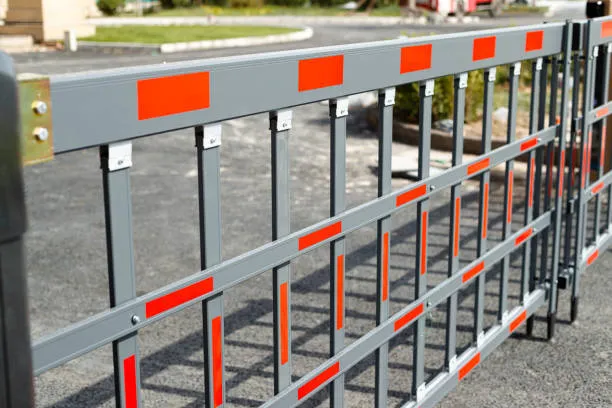
We have explored key strategies for incorporating safety in design, emphasising practicality and efficiency. These approaches not only enhance construction safety but also streamline risk management in design. Implementing these tips can lead to significant improvements and ensure the efficient integration of safety within gate barrier designs. For further guidance on this topic, explore additional resources or services available to support your journey towards redefining gate barriers. Let’s take a step forward in prioritising safety in design, a critical aspect that ensures the well-being of all involved stakeholders.