
6 January 2024 · filed in Product Highlight
Redefining Security with Roll Over Gates in the Logistics Sector
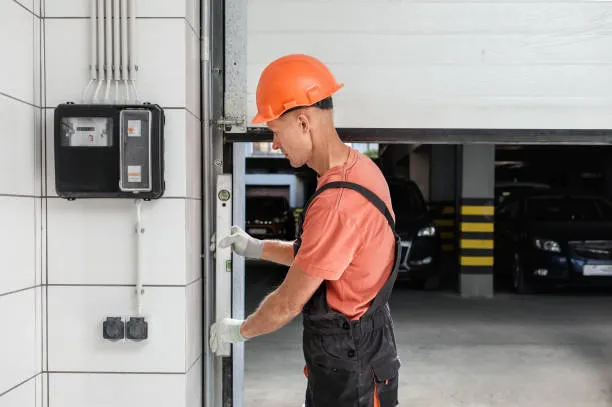
In the dynamic realm of logistics, where time is as precious as the goods we’re moving, a security slip-up can cause real headaches. You probably know all too well that an unwatched entry point doesn’t just invite trouble, it slams the door open for it! With cargo theft hitting businesses hard each year around the globe, we’ve been on a mission to find smarter ways to lock down our operations.
Our quest has led us to a pretty clever solution: roll over gates. Reckon it’s about time you got in on this little secret? This yarn isn’t just about reinforcing your fences; it’s about bolstering confidence across every inch of your operation. So grab a cuppa and settle in, we’re about to unlock the potential of true blue safety measures that go beyond guarding your gear. It’s set to be a game-changer for keeping things safer than a bank vault, without feeling like Fort Knox!

Understanding the Risks in the Logistics Sector
The logistics sector faces a multitude of risks, including physical threats, internal and third-party risks, external risks, driver shortages, and security issues at rest areas. These factors can significantly impact the safety and security of goods in transit.
Physical threats
Physical threats are a core concern in our logistics operations, ranging from theft and vandalism to more severe instances of sabotage and terrorism. Our warehouses, trucks, cargo containers, every link in the supply chain needs robust security measures to protect against these risks.
We factor in perimeter protection, access control systems and implement state-of-the-art intrusion detection technologies that address these challenges head-on.
Our teams work tirelessly to ensure transportation security isn’t compromised at any stage. They conduct regular risk assessments and update protocols to stay ahead of any potential physical threats.
With cutting-edge cargo security solutions such as Roll Over Gates, we’re not just responding to incidents; we’re preventing them from happening in the first place. Safeguarding our assets ensures smooth operation for us and peace of mind for you as business owners invested in safe and secure logistics industry practices.
Internal and third-party risks
Internal and third-party risks pose significant challenges in the logistics sector. We must address potential threats arising from employee theft, fraud, or collusion with external parties.
Additionally, we need to manage the risks associated with third-party service providers, such as transportation companies or warehousing partners, by implementing stringent security protocols and regular audits to safeguard our supply chain integrity and minimise the risk of loss or damage to goods in transit.
To enhance security measures for internal and third-party risks, we can implement access controls for sensitive areas within facilities and utilise advanced tracking technology to monitor inventory movement throughout the supply chain.
External risks
Moving on from internal and third-party risks, it’s crucial to consider the external risks that can impact logistics operations. External risks such as natural disasters, geopolitical instability, and global pandemics can disrupt supply chains and lead to security vulnerabilities.
These factors demand a proactive approach to address potential threats and mitigate their impact on business continuity.
Implementing robust security measures, including roll over gates at key entry points, can help safeguard against external risks. By bolstering perimeter security and controlling access points, businesses can better protect their assets and maintain operational resilience in the face of external challenges like severe weather events or political unrest.
Driver shortages
To address the ongoing challenge of driver shortages in the logistics sector, it is essential to explore innovative solutions that can help mitigate this issue. Implementing advanced technology like real-time visibility and proactive alerts can significantly improve operational efficiency while also attracting and retaining a skilled workforce.
By embracing modernised safety measures and upgrading security protocols in supply chain management, businesses can effectively combat the impacts of driver shortages, ensuring seamless transportation operations.
Moreover, security gates with smooth-action roll over gates can enhance facility costs and warehouse management by providing a secure environment for drivers at rest areas. These advancements not only revamp security in the transportation industry but also redefine authoritarian power within logistics while fostering improved security cooperation across national borders.
Risks at rest areas
Ensuring the safety of our drivers and cargo during lay-bys is crucial. Criminal activities such as theft, vandalism, or assault can occur at lay-bys, posing significant risks to logistics operations.
As business owners, we must acknowledge these dangers and implement adequate security measures to safeguard our assets. Regular patrols, well-lit areas, and surveillance systems are some ways to mitigate these risks effectively.
It’s imperative for us to understand that taking proactive steps to address security concerns at lay-bys is vital for protecting our supply chain from potential threats. By enhancing the safety protocols at lay-bys, we can minimize the impact of external risks on our transportation operations and uphold the integrity of our logistics network.
Improving Safety and Security with Roll Over Gates
With the Verge Roll-Over Gate™, we are able to offer a sturdy and reliable security solution for the logistics sector. The installation process is seamless and the smooth action of these gates ensures enhanced safety measures at rest areas and other vulnerable locations.
The Verge Roll-Over Gate™
The Verge Roll-Over Gate™ offers an innovative solution for enhancing security and safety in the logistics sector. Our gate is designed to mitigate risks, ensuring the protection of valuable assets and personnel.
With its sturdy installation and smooth action, The Verge Roll-Over Gate™ provides a reliable means of safeguarding transportation operations against physical threats, external risks, and vulnerabilities at rest areas.
For business owners in the transportation industry looking to revamp security measures within their supply chain, implementing The Verge Roll-Over Gate™ is a strategic move towards modernising safety protocols while redefining authoritarian power dynamics in logistics.
Installation and sturdiness
With The Verge Roll-Over Gate™ providing enhanced security for logistics, the installation process is efficient and straightforward. Once installed, the gates ensure utmost sturdiness, providing a durable security solution that withstands external threats and physical challenges.
- The gates are expertly installed by certified professionals to ensure optimal functionality.
- Each component is carefully assembled to guarantee maximum sturdiness and longevity.
- The sturdy construction of the gates reinforces security measures, bolstering risk mitigation efforts.
- The gates’ robust build enhances overall safety protocols in the supply chain and transportation operations.
Smooth action
The Verge Roll-Over Gate™ offers a seamless and effortless operation, ensuring quick and efficient access for logistics vehicles. The smooth action of the gate enhances productivity by minimising waiting times at security checkpoints.
This modern technology is designed to streamline the flow of goods in and out of facilities, supporting business owners in optimising their supply chain operations.
As we explore the installation and sturdiness of roll-over gates, it’s essential to understand how this advanced solution can elevate security measures while also enhancing operational efficiency.
Embracing innovative technology like roll-over gates paves the way for a more secure and agile logistics sector, propelling businesses towards greater success in an increasingly complex operating environment.

The Transregional Organisation of Authoritarian Practices
As we delve deeper into the security landscape of the logistics sector, it’s crucial to understand the globalised privatisation, pre-emptive practices, technocratisation practices, and repressive practices that shape authoritarian power in transportation and supply chain operations.
This will help us gain a comprehensive understanding of how security needs to be redefined in this sector.
Globalised privatisation
Globalised privatisation impacts the logistics sector by reshaping ownership and control dynamics. It results in increased competition among service providers. The centralisation of power leads to challenges in security oversight due to fragmented accountability structures, affecting supply chain safety and security measures.
Moreover, globalised privatisation brings about extensive realignments in ownership portfolios, diversification strategies, and partnerships across national borders. This necessitates a proactive approach towards evolving security cooperation within the logistics sector.
The influence of globalised privatisation on logistics requires an adaptive response from business owners to tackle new threats effectively. This involves redefining authoritarian power structures through innovative security protocols that align with modern advancements in safety technology for transportation operations.
Pre-emptive practices
To enhance security and mitigate risks, implementing pre-emptive practices is crucial in the logistics sector. By identifying potential threats before they occur, businesses can proactively address vulnerabilities and prevent security breaches.
Utilising advanced technology for real-time visibility, proactive alerts, and improved safety and security models empowers logistics companies to stay ahead of potential risks. Moreover, integrating pre-emptive practices into existing security protocols enhances overall supply chain security while modernising safety measures for transportation operations.
Implementing pre-emptive practices involves staying vigilant against any potential threats to the supply chain and addressing them before they escalate. This approach not only strengthens national security but also instils confidence in customers by demonstrating a commitment to enhancing safety measures in logistics services.
Technocratising practices
Implementing advanced technology and streamlined processes is key to modernising safety measures for transportation and logistics operations. By incorporating digitisation and real-time visibility, security experts can gain proactive alerts when potential risks arise.
This allows for improved safety and security models that are essential in revamping security in the transportation industry.
Furthermore, evolving security cooperation in the logistics sector through innovations not only redefines authoritarian power in logistics but also enhances overall efficiency. These technocratising practices ensure a more resilient system that can adapt to dynamic challenges, ultimately improving security protocols in the supply chain while meeting the demands of an ever-changing landscape.
Repressive practices
Repressive practices in the logistics sector can hinder safety and security measures, leading to vulnerabilities that can be exploited by internal and external threats. Such practices may include excessive use of surveillance, limited worker rights, and strict authoritarian control over supply chains.
These repressive measures can create an atmosphere of fear and distrust among employees, undermining the overall effectiveness of security protocols. By redefining authoritarian power in logistics through innovative security solutions like roll-over gates and advanced technology, businesses can mitigate the impact of these repressive practices and create a more secure environment for both goods and personnel.
Globalised privatisation has led to increased corporate influence over logistical processes while pre-emptive practices like preemptive screening techniques have been implemented often at the expense of individual privacy rights.
Furthermore, technocratising practices aimed at centralising decision-making authority might limit flexibility in addressing evolving security challenges within logistics operations.
Redefining Security with Advanced Technology
With the implementation of advanced technology in logistics security, such as digitisation and real-time visibility, proactive alerts, and improved safety and security models, we are revolutionising the way we approach security in the logistics sector.
These innovations are reshaping traditional security practices to enhance protection against potential threats.
Digitisation and real-time visibility
Digitisation and real-time visibility are crucial for ensuring the security of logistics operations. It allows us to track the movement of goods and assets in real-time, providing accurate information on their location and status. This technology enables proactive decision-making and rapid response to any security threats or incidents. With digitisation and real-time visibility, we can monitor the entire supply chain, identify potential security vulnerabilities, and take preventive measures to mitigate risks.
Proactive alerts
Upgrade your security system with proactive alerts that provide real-time notifications and warnings about potential security breaches or vulnerabilities. These alerts help in identifying and addressing security issues promptly, ensuring the safety of your logistics operations.
- Receive instant notifications on unauthorised access attempts or suspicious activities within your premises.
- Track and monitor the movement of goods in real – time to prevent theft or pilferage.
- Set up customised alerts for specific events such as tampering with cargo or unexpected delays in transit.
- Utilise predictive analytics to foresee potential security risks and take preventive measures proactively.
Improved safety and security models
In the logistics sector, implementing roll-over gates for security has improved safety and security models. Here’s how:
- Roll – over gates offer enhanced physical protection for goods in transit, preventing unauthorised access and theft.
- These gates provide real – time visibility and digitisation, allowing proactive monitoring of assets and potential security threats.
- With advanced technology, roll – over gates can send proactive alerts to notify about any breach or suspicious activities.
- The smooth action of roll – over gates ensures seamless operations without compromising on security measures.
- Installation of sturdy roll – over gates contributes to a holistic safety and security strategy, safeguarding against external risks and driver shortages.
Case Study: The ETCS Cambrian Line Failure
The failure of the ETCS Cambrian Line highlighted the shortcomings of the current security approach in the logistics sector. It also emphasised the urgent need for a more holistic safety and security model to address these issues effectively.
Failures of the current approach
The current approach to logistics security fails to address the evolving risks and threats faced by the industry. Traditional methods are becoming obsolete in the face of sophisticated criminal activities and technological advancements.
This inability to adapt leaves businesses vulnerable to disruptions, thefts, and safety hazards that can have a significant impact on operations and bottom lines.
To meet the challenges of today’s logistics security, an innovative and proactive model is essential. Embracing advanced technologies and modern solutions is crucial for staying ahead of potential risks while ensuring a safe and secure environment for cargo transportation.
Rethinking security strategies becomes imperative for businesses operating in the logistics sector as they strive to protect assets, streamline operations, and uphold their reputation.
The need for a holistic safety/security model
To enhance overall safety and security in the logistics sector, it is imperative to adopt a holistic approach that integrates various aspects of risk management. This entails implementing comprehensive measures that address physical threats, internal and third-party risks, external risks, as well as factors such as driver shortages and risks at rest areas.
By considering these elements collectively, businesses can establish a robust security model that effectively mitigates potential vulnerabilities.
Furthermore, a holistic safety/security model enables businesses to proactively identify and respond to emerging threats by leveraging advanced technology solutions like digitisation for real-time visibility and proactive alerts.
This integrated approach not only enhances operational efficiency but also significantly reduces the likelihood of security breaches within the logistics sector. Embracing a comprehensive safety and security model is essential for safeguarding assets and sustaining seamless operations in an increasingly dynamic environment.
Conclusion
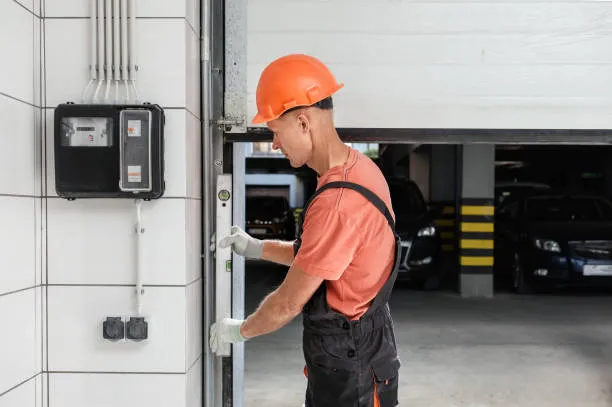
We’ve explored the risks and challenges in the logistics sector. Roll-over gates provide a practical solution to improve security in rail systems. By implementing these innovative security measures, businesses can enhance safety and efficiency within their operations. How will you integrate roll-over gates into your logistic system? Embracing advanced technology and efficient security models is crucial for redefining safety in logistics. As you consider enhancing your security measures, remember that proactive solutions lead to improved outcomes.