
12 February 2024 · filed in Safety Update
Reliable Barrier Solutions Upgrading Hospital Safety

Ensuring hospital safety is quite the task, and in high-pressure health settings, it’s more critical than ever. We’re all too aware of this reality, and when you consider that over 134 million adverse events occur each year from unsafe care in hospitals in low- and middle-income countries, it really hits home how important this issue is. Our piece takes a look at some top-notch barrier solutions that bolster safety measures to protect both patients and our dedicated healthcare staff from harm. Join us as we explore how upgrading barriers can make a world of difference to your hospital’s safety landscape.
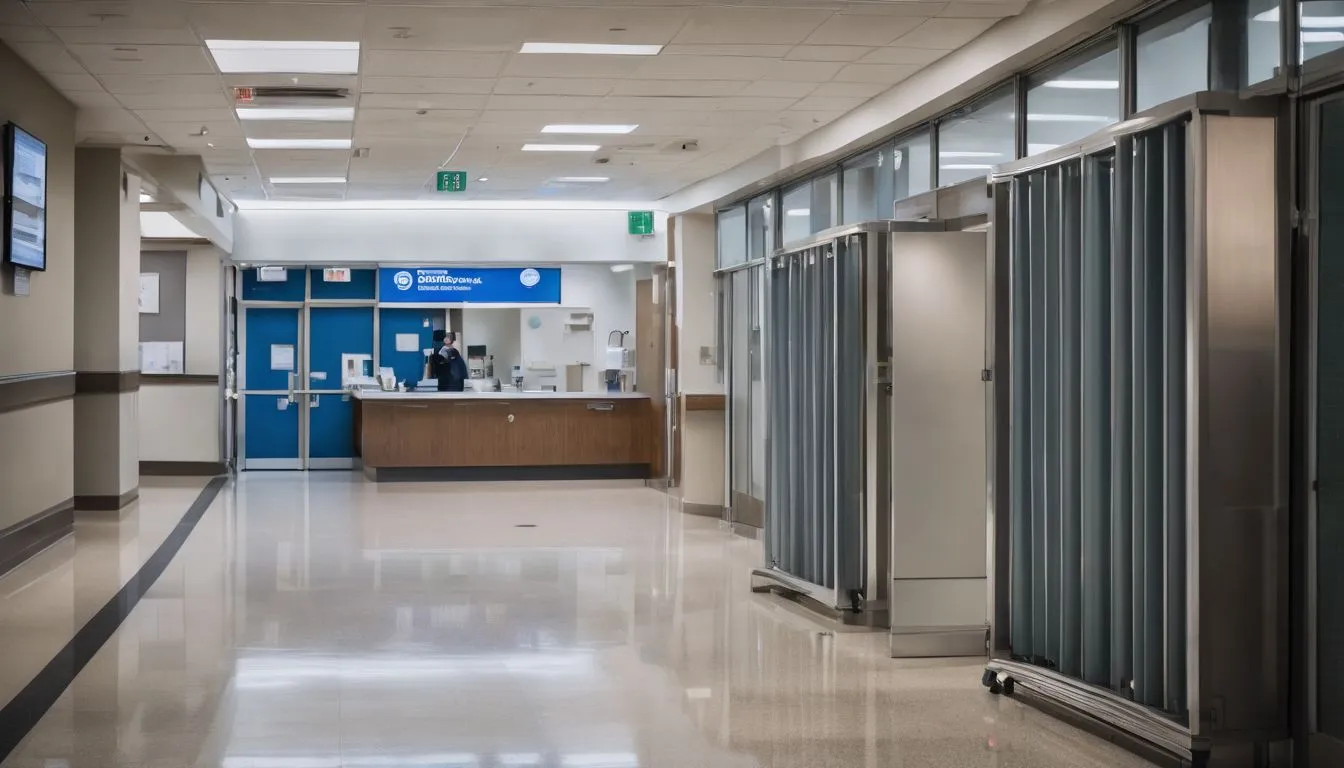
Importance of Hospital Safety
Hospital safety is crucial for advancing patient safety goals, improving decision-making processes, standardising care, and implementing solutions to enhance patient safety. These measures are essential for ensuring the well-being of both patients and healthcare professionals.
Advancing patient safety goals
In our pursuit of enhancing hospital safety, we’re setting new patient safety goals with a strong emphasis on reliability and systemic improvements. These include introducing rigorous clinical practice guidelines and fostering a culture that prioritises quality improvement in every aspect of care delivery.
Our aim is to significantly reduce medication administration errors and other medical mistakes by implementing reliable barrier solutions that protect both patients and healthcare providers.
We understand that advancing these goals requires consistent efforts in education, technology adoption, and leadership commitment. By integrating ultrasafe healthcare barriers into our practices, we safeguard the well-being of those under our care.
We also prioritise training for staff to ensure adherence to updated protocols for patient care improvement; this forms an essential part of our strategy for robust risk mitigation within health care organisations.
Through these actions, we are creating a safer environment where excellence in patient treatment is the standard.
Advanced decision-making
To upgrade hospital safety, we need to understand the importance of advanced decision-making. Implementing reliable barrier solutions involves evaluating risks and making informed choices based on evidence.
Business owners must consider healthcare challenges, medical errors, and quality enhancement projects to drive effective barrier solutions within their facilities. By utilising healthcare risk mitigation strategies and standardised care approaches, business owners can positively impact patient outcomes while reinforcing safety measures throughout their healthcare facility.
Furthermore, embracing evidence-based practices and innovative design principles ensures that advanced decision-making is at the forefront of hospital infrastructure improvements. Effective decision-making in barrier protection requires a proactive approach to mitigate risks and enhance hospital safety across all levels of operations.”.
Standardised care
Having advanced decision-making strategies in place is crucial, but it’s equally important to ensure standardised care across all levels of healthcare. Implementing consistent and evidence-based protocols can significantly improve nursing care quality and patient outcomes.
By establishing reliable safety measures and reinforcing healthcare facility protection, business owners can enhance hospital safety while also mitigating risks effectively.
To upgrade hospital safety systems, it’s essential to focus on standardising care practices and implementing robust security measures. Standardised care not only advances patient safety goals but also promotes a positive safety culture within the healthcare environment.
Solutions for improving patient safety
After establishing standardised care, it’s imperative to focus on solutions that can enhance patient safety within healthcare settings. Implementing evidence-based practices and protocols is key to ensuring a safe environment for patients.
By employing tools and techniques for quality improvement, hospitals can significantly reduce the occurrence of adverse events, improving nursing care quality overall.
Additionally, addressing implementation challenges and barriers head-on allows for the development of more robust safety systems. Emphasising hospital security measures as part of risk management strategies provides further reinforcement in advancing hospital safety through reliable barrier solutions.
Strategies for Improving Patient Safety
Implementing evidence-based practices and overcoming implementation challenges are essential for achieving quality improvement in patient safety. Learn more about these crucial strategies for enhancing hospital safety by reading the full blog.
Tools and techniques for quality improvement
To enhance hospital safety, we need to utilise various tools and techniques for quality improvement. Embracing evidence-based practices and advanced decision-making tools are essential for driving positive patient outcomes. Here are some strategies that can help businesses upgrade hospital safety:
- Utilise data analytics to identify trends and potential areas for improvement in patient care.
- Implement workflow standardisation to ensure consistent and high – quality care delivery.
- Invest in technologies that streamline communication among healthcare professionals to reduce errors.
- Train staff in continuous improvement methodologies to foster a culture of learning and adaptability.
- Evaluate the effectiveness of safety protocols regularly through audits and feedback mechanisms.
Evidence-based practices
To enhance the quality improvement strategies mentioned earlier, we rely on evidence-based practices to guide our efforts. These practices involve using the best available research findings to make informed decisions about patient care.
By integrating evidence-based guidelines and protocols into our healthcare systems, we can ensure that our practices are based on proven methods for delivering safe and effective care to our patients.
This approach not only enhances the quality of nursing care but also contributes to a culture of continuous improvement within our hospital setting.
Implementation challenges and barriers
Implementing safety upgrades in hospitals can pose various challenges and barriers. These may include resistance to change from staff, financial constraints, lack of resources, and the need for additional training.
Overcoming these obstacles requires a collaborative effort involving all stakeholders, including hospital administrators, healthcare providers, and support staff. Adapting flexible approaches that address specific concerns while prioritising patient safety is crucial.
To enhance hospital safety effectively and sustainably, it’s vital to recognise these implementation challenges and work towards innovative solutions that cater to the unique needs of each healthcare setting.

The Role of Safety Culture in Hospitals
The role of safety culture in hospitals is crucial for promoting positive patient outcomes and quality care. It involves creating an environment where staff feel empowered to speak up about safety concerns and work collaboratively towards improvement.
Characteristics of a positive safety culture
A positive safety culture encompasses open communication and collaboration among staff members. It fosters a blame-free environment in which reporting and learning from incidents are encouraged. A positive safety culture includes:
- Shared Accountability: Every individual takes responsibility for patient safety, contributing to a collective effort.
- Continuous Improvement: Staff members are committed to ongoing learning and improvement in patient care.
- Transparency: Open communication allows for the identification and resolution of safety concerns without fear of retribution.
- Empowerment: Employees feel empowered to speak up about safety issues and actively participate in creating a safe environment.
- Leadership Commitment: Leadership demonstrates a strong commitment to patient safety, setting an example for all staff members.
- Trust: A high level of trust exists between staff members, patients, and their families, promoting a safe and supportive environment.
Impact on patient outcomes
Positive safety culture within hospitals has a significant impact on patient outcomes. Improvements in safety culture have been linked to reduced rates of medical errors, hospital-acquired infections, and adverse events.
Patients are more likely to experience better health outcomes and faster recovery when they receive care in an environment with a strong emphasis on safety and quality improvement.
Additionally, a positive safety culture can lead to increased patient satisfaction, which is crucial for maintaining a positive reputation and attracting new patients.
Establishing a robust safety culture not only benefits the patients but also contributes to better financial performance for healthcare facilities. Hospitals with improved patient outcomes due to enhanced safety measures are likely to experience lower costs related to preventable errors and complications.
How to promote a positive safety culture
To promote a positive safety culture in your hospital, we have found the following strategies to be effective:
- Emphasise open communication and teamwork among staff to foster a culture of transparency and collaboration.
- Encourage active engagement from leadership in championing safety initiatives and setting clear expectations for safe practices.
- Implement regular safety training and education programmes for all staff members, ensuring they are up-to-date with the latest safety protocols.
- Recognise and reward employees for their commitment to safety, thus reinforcing the importance of a positive safety culture.
- Foster a non-punitive approach towards reporting errors or near-misses, creating an environment where mistakes are opportunities for learning and improvement.
- Establish mechanisms for gathering feedback from both patients and staff, creating avenues for continuous improvement based on real-world experiences.
- Cultivate a sense of accountability at all levels of the organisation, ensuring that everyone feels responsible for upholding safety standards.
Reliable Barrier Solutions
Understanding the barriers to implementing safety measures is crucial in upgrading hospital safety. The Systemic Falls Investigative Method (SFIM) and creating a safer environment through design principles are reliable barrier solutions that can significantly improve patient safety.
Understanding barriers to implementing safety measures
Many hospitals face obstacles when trying to implement safety measures. These barriers can include resistance to change, lack of resources, and competing priorities that divert attention from patient safety.
Overcoming these challenges requires a strategic approach focusing on training staff, allocating sufficient resources, and fostering a culture of continuous improvement.
Implementing reliable barrier solutions is crucial for upgrading hospital safety. By recognising the barriers and addressing them head-on, hospitals can create safer environments for patients and staff while improving overall healthcare quality.
Moving beyond mere awareness of barriers will drive innovative solutions, leading to better patient outcomes and enhanced risk management protocols within healthcare facilities.
Systemic Falls Investigative Method (SFIM)
When assessing hospital safety, the Systemic Falls Investigative Method (SFIM) plays a pivotal role in identifying and addressing potential risks. Utilising SFIM involves thorough investigations into patient falls, considering factors such as environmental hazards, staff communication, and patient conditions.
It focuses on understanding the root causes of falls to implement targeted interventions that enhance hospital safety protocols. By applying SFIM effectively, business owners can proactively mitigate risks and foster a more secure environment for both patients and healthcare providers.
Implementing an actionable approach like SFIM allows businesses to incorporate evidence-based strategies that directly contribute to reducing falls within healthcare facilities. This method presents an opportunity to fortify nursing care quality improvement efforts while emphasising safety reinforcement throughout the organisation.
Creating a safer environment through design principles
Designing safer environments in hospitals is crucial for enhancing patient safety and reducing risks. By incorporating design principles, hospitals can significantly improve safety standards and reduce the likelihood of adverse events. This involves:
- Implementing clear wayfinding systems to guide patients, visitors, and staff effectively throughout the hospital.
- Utilising ergonomic furniture and equipment to minimise the risk of musculoskeletal injuries among healthcare workers.
- Integrating infection control measures into design elements such as ventilation systems and patient room layouts.
- Ensuring the accessibility of emergency exits and medical equipment to facilitate swift responses during critical situations.
- Incorporating natural light and soothing colours to create a calm and healing environment for patients, contributing to better overall outcomes.
- Designing flexible spaces that can be easily adapted for different patient needs, improving efficiency and safety in care delivery.

Conclusion
It is essential for hospitals to continuously improve their safety measures and promote a positive safety culture. Collaboration among healthcare professionals and the implementation of reliable barrier solutions can significantly upgrade hospital safety. Read more about these strategies in our blog to ensure your hospital meets the highest standards of patient care and safety.
Summary of key points
Strategies for improving patient safety involve using tools and techniques for quality improvement, evidence-based practices, and addressing implementation challenges. It’s essential to foster a positive safety culture in hospitals by promoting characteristics that lead to better patient outcomes.
Understanding barriers to implementing safety measures is crucial. The Systemic Falls Investigative Method (SFIM) offers a structured approach to identifying potential hazards and gaps.
Creating a safer hospital environment through design principles can further prevent accidents and improve overall safety.
The need for continuous improvement
To achieve ongoing success in hospital safety, it is imperative to embrace continuous improvement. This involves regularly evaluating current practices, identifying areas for enhancement, and implementing effective solutions.
By fostering a culture of continuous improvement, healthcare facilities can adapt to evolving challenges and stay at the forefront of patient safety advancements. Embracing this mindset allows us to address systemic falls investigative methods and implement design principles that create safer environments in hospitals.
Regularly seeking opportunities for improvement empowers us to meet the ever-changing demands of hospital risk management and ensure that patient safety remains our top priority.
In striving for continuous improvement, we actively engage with evidence-based practices and overcome implementation barriers through collaboration across various disciplines within healthcare organisations.
Importance of collaboration for hospital safety
To achieve hospital safety, collaboration among all stakeholders is crucial. Working together allows for the pooling of diverse perspectives and expertise, leading to more comprehensive strategies and solutions.
When healthcare professionals, administrators, and support staff collaborate effectively, they can enhance communication, streamline processes, and identify potential risks. By fostering a culture of teamwork and open dialogue when planning initiatives or addressing safety concerns in hospitals keyword “Safety culture in healthcare,” everyone involved can contribute to creating a safer environment for patients.
The success of hospital safety efforts relies on the collective effort of all individuals involved in patient care. Collaboration encourages shared responsibility for patient outcomes while promoting a unified approach towards identifying challenges and implementing effective solutions.