
12 March 2024 · filed in Safety Update
Revolutionising the Freight and Logistics Landscape with Bollards
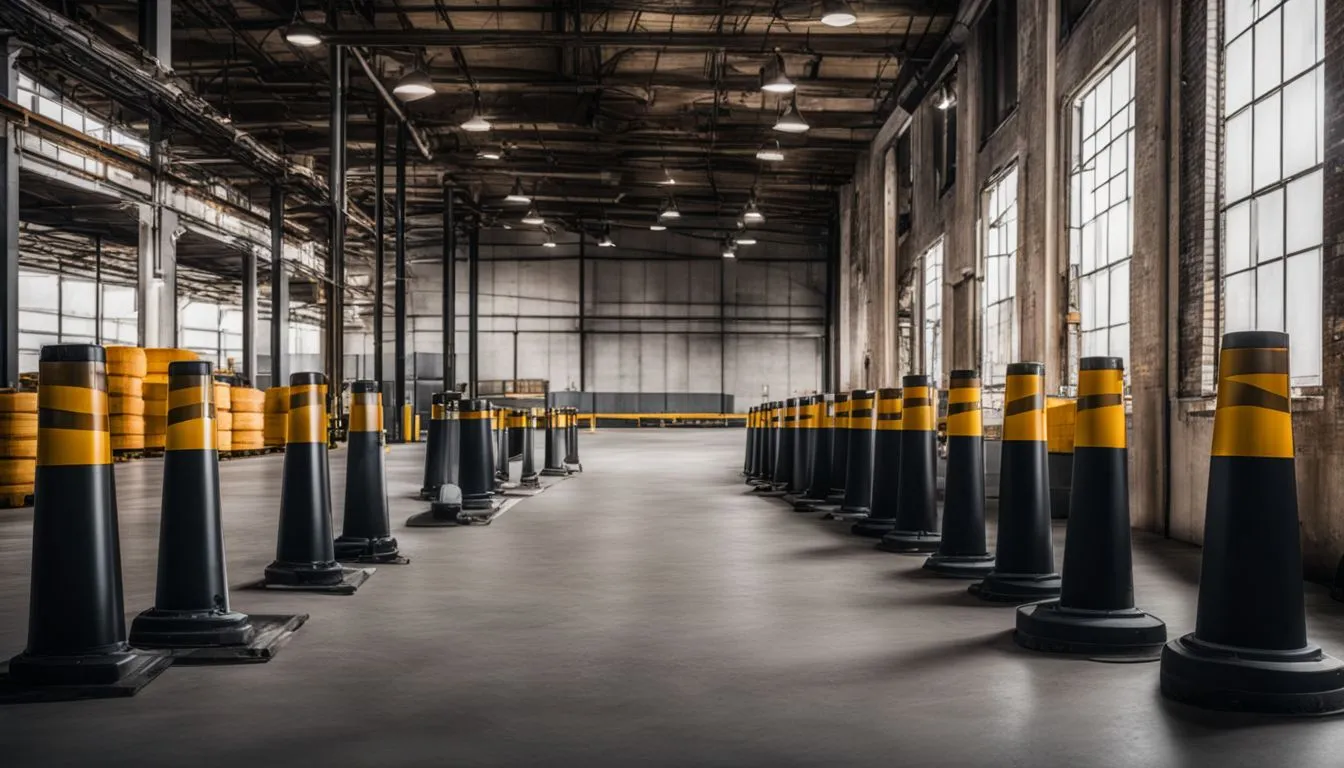
Navigating the hustle of managing traffic and ensuring our warehouses stand safe is a fair dinkum challenge in the freight and logistics game. We’ve copped it too, but reckon we’ve found a bit of a winner with bollards.
Given that warehousing space on our big brown land (and globally) is expected to surge by 10% over the next five years, getting ahead with smart solutions is key. Our yarn dives into how clever bollard setups are not just about putting up barriers; they’re about streamlining how things tick, boosting safety without having a stickybeak compromise on space.
These little beauties are flipping the script in our industry, have a squiz below to see how they’re doing it!
Understanding Bollards
Bollards are a crucial element in urban design and traffic control, serving as protective barriers with various functions. Recognising the importance of bollards in these settings is vital for understanding their contribution to safety and efficiency.
What are bollards?
Bollards are sturdy posts installed to control or direct road traffic, ensuring safety within freight and logistics operations. They play a crucial role in protecting pedestrians, buildings, and valuable infrastructure from vehicle collisions.
By integrating these barriers into our logistics landscapes, we enhance the efficiency and capacity of transportation routes.
These barriers also contribute significantly to urban design by regulating traffic flow and establishing safe zones for lorries loading and unloading goods. Our emphasis on incorporating bollards across warehouse entries and perimeters escalates the security level, safeguarding merchandise during transit or storage.
This strategic addition is essential in revolutionizing the logistics industry by prioritizing both protection and smooth operation.
Importance of bollards
We understand the critical role bollards play in safeguarding freight and logistics operations. These seemingly simple structures serve as protective barriers, ensuring trucks, cargo, and personnel are kept safe from accidental or intentional harm.
Bollards effectively manage traffic flow within warehouses and distribution centres, creating a more organised and efficient environment.
Incorporating bollards into our operations has revolutionised safety protocols, minimising the risk of collisions that can lead to costly damages or delays. They also contribute significantly to securing perimeters around valuable stockpiles and equipment against theft or vandalism.
Implementing these sturdy barriers demonstrates our commitment to upholding the highest standards of safety and security in every aspect of our business.
Innovative Bollard Technologies

Innovative bollard technologies have revolutionised the way we approach safety and traffic control. They provide efficient solutions that enhance urban design and functionality, making them integral to modern freight and logistics operations.
Smart bollards
Smart bollards represent a leap forward in managing freight and logistics while boosting safety and efficiency. These advanced devices use technology to control access and direct traffic effectively around warehouses or logistic centres.
They can communicate with vehicles, automatically allowing authorised ones through without stopping the flow of work. This smooth operation reduces delays and enhances productivity.
We integrate artificial intelligence into smart bollards, making them even more effective for business owners like us. They analyse incoming data to improve traffic patterns and predict potential issues before they arise.
This means fewer accidents, less wear on infrastructure, and streamlined operations that keep our businesses moving forward seamlessly.
Solar-powered bollards

We’re seeing solar-powered bollards as a game changer in the freight and logistics landscape. These innovative barriers harness the sun’s power, turning it into electricity to light up parking lots, warehouse exteriors, and loading docks.
They provide visibility and safety for trucks moving goods at night or in poor weather conditions. Their self-sustaining feature cuts down on energy costs, aligning with sustainability goals that many of us are striving towards.
Installing solar-powered bollards also streamlines traffic control around our warehouses and distribution centers. They mark pathways clearly, reducing confusion for drivers and enhancing efficiency in our operations.
With no need for external power sources, we can place them even in remote areas without worrying about wiring or electricity access. This flexibility helps us tailor our security and traffic management strategies more effectively across different locations.
Next up is an exploration of wireless charging bollards – another technology making waves in how we think about powering mobility within logistic operations.
Wireless charging bollards
Turning from the eco-friendly innovation of solar-powered bollards, we find ourselves exploring another groundbreaking technology that promises to redefine our approach towards freight and logistics support: wireless charging bollards.
These devices offer a seamless way to power up electric vehicles (EVs) and equipment without the need for cumbersome cables or manual intervention. They stand as silent sentinels in parking lots, warehouses, and loading docks, effortlessly transferring energy to vehicles simply parked beside them.
Imagine the efficiency boost when lorries and forklifts within a logistics hub can recharge without ever having to leave their operational zones. This setup not only streamlines workflow but also significantly reduces downtime caused by traditional charging methods.
Wireless charging bollards embody the integration of convenience with cutting-edge technology, ensuring that businesses stay ahead in the fast-paced world of freight and logistics while contributing positively towards sustainability goals.
Bollards in Urban Design and Functionality
Bollards play a crucial role in urban design, enhancing the functionality and safety of public spaces. Their diverse types and benefits contribute to efficient traffic management.
Role of bollards in urban design
In urban design, we see bollards playing a crucial role in shaping safe and efficient environments for both vehicles and pedestrians. These sturdy posts help manage traffic flow, marking clear distinctions between areas meant for walking and those designated for driving.
They ensure safety by acting as physical barriers that protect people from potential vehicle intrusions into pedestrian zones.
Furthermore, bollards contribute aesthetically to the urban landscape. We choose designs that complement the architectural style of surrounding buildings and public spaces. This adds to the visual appeal of our cities while maintaining functionality.
With careful selection and placement, bollards enhance both the beauty and security of urban areas, making them integral components of modern city planning.
Types of bollards

As we explore the freight and logistics landscape, bollards play a crucial role in ensuring safety and efficiency. They offer diverse applications across the industry, accommodating various needs from simple traffic control to high-security measures. Here’s a breakdown of the different types of bollards you might consider for your business operations.
- Fixed Bollards: These are permanently installed into the ground, providing a strong barrier for protecting structures and regulating pedestrian and vehicular traffic flow. They’re ideal for creating perimeters around warehouses or safeguarding loading areas.
- Removable Bollards: Offering flexibility, these bollards can be detached to allow temporary access for vehicles when needed. They’re perfect for locations where access requirements can change, such as delivery zones or emergency routes within logistics hubs.
- Retractable Bollards: With an ability to retract into the ground, these bollards offer seamless control over access without affecting aesthetics. They are often used in multi-use spaces where the need for access restriction varies throughout the day.
- Flexible Bollards: Made from materials that bend upon impact, flexible bollards minimise damage to vehicles while still serving their purpose in traffic management. Their use is widespread in car parks and internal roadways of freight facilities.
- Lighted Bollards: Incorporating lighting elements improves visibility and safety during night-time or low-light conditions. Lighted bollards are beneficial around entrances and exits of distribution centres or along pathways leading to them.
- Decorative Bollards: Combining functionality with design, decorative bollards enhance the visual appeal of a space while still offering protection and order. Ideal for public-facing areas of logistics centres or urban integration projects.
- Automatic Bollards: Operated through electronic mechanisms, automatic bollards provide controlled access without need for physical removal or manual handling, streamlining entry points in high-traffic areas.
Each type serves its purpose in enhancing operational efficiency, improving safety protocols, and contributing to a well-managed transportation network within the freight and logistics sector. Choosing the right ones depends on specific security requirements, aesthetic considerations, and functional needs of your business environment.
Benefits of bollards
Bollards provide numerous benefits for business owners, enhancing safety and efficiency within their premises. Here are the advantages of utilising bollards in freight and logistics:
- Enhance Safety: Bollards protect assets, infrastructure, and personnel from accidental collisions, ensuring a secure environment.
- Control Traffic Flow: Bollards effectively manage vehicle movements in loading areas and warehouses, optimising traffic flow and preventing congestion.
- Mitigate Risk: By acting as physical barriers, bollards minimise the risk of unauthorised access or vehicle-related incidents within the facility.
- Improve Property Protection: Bollards safeguard buildings, docks, and equipment against potential damage caused by vehicular impact.
- Enhance Security Measures: Integrating bollards into security systems enhances overall security measures for facilities and transportation hubs.
- Reduce Liability: Implementing bollards can help mitigate liability risks associated with accidents or deliberate vehicular attacks on the premises.
These benefits underscore the valuable role that bollards play in supporting a safe and efficient freight and logistics operation.
Bollards in Freight and Logistics

Bollards serve as a protective barrier in freight and logistics, offering benefits for traffic control amid the challenges of urban transportation. Implementing bollards provides businesses with cost savings and peace of mind in complying with safety regulations.
To learn more, continue reading.
Bollards as a protective barrier
Bollards serve as a robust protective barrier, safeguarding your warehouses and logistics facilities from unauthorised access and potential vehicular impact. These barriers play a crucial role in maintaining safety and security within transportation and warehousing environments.
Implementing bollards not only enhances the overall safety of your premises but also ensures compliance with industry regulations, contributing to the efficiency of operations. With proper placement and strategic use, bollards effectively control traffic flow while mitigating the risk of accidents, making them an integral part of your site’s infrastructure.
Incorporating bollards into your warehouse or distribution centre offers peace of mind by providing a visible deterrent against unwanted intrusion or collisions. This proactive approach to protecting assets and personnel reflects a commitment to safety that resonates with clients, partners, and regulators alike.
Benefits of using bollards for traffic control
Using bollards for traffic control has several benefits:
- Enhances safety for pedestrians and vehicles in high – traffic areas.
- Prevents unauthorised access to restricted zones, improving security.
- Provides a cost – effective solution for managing traffic flow and safeguarding infrastructure.
- Offers flexibility in design and installation, catering to specific traffic management needs.
- Reduces the risk of damage or collisions between vehicles and property.
Implementing bollards for traffic control can significantly improve the overall efficiency of your logistics operations.
Challenges of using bollards
- Ensuring bollards do not hinder traffic flow or access for authorised vehicles.
- Balancing the need for security with the requirement for smooth operations within the facility.
- Maintaining bollards to ensure they remain effective over time, especially in high – traffic areas.
As businesses continue to embrace innovative solutions like bollards, it’s essential to address the challenges involved in their implementation and maintenance.
Implementing Bollards for Maximum Effectiveness
When implementing bollards, it’s crucial to select the right type based on factors like material, visibility, and aesthetics. Compliance with safety regulations and ensuring cost savings are also essential considerations for maximum effectiveness.
Choosing the right bollards
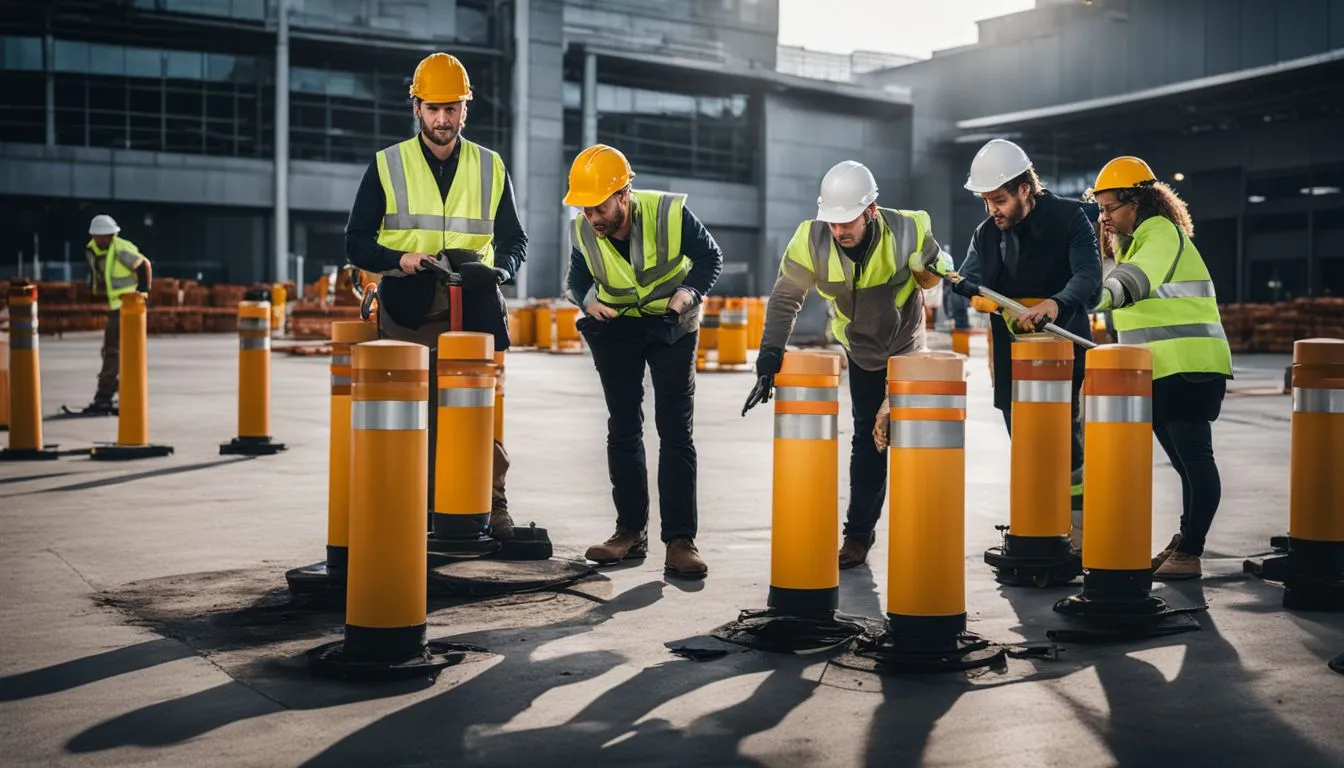
Selecting the appropriate bollards is crucial for ensuring safety and efficiency within your freight and logistics operations. When choosing bollards, consider factors such as material, visibility, removability, and aesthetics to meet the specific requirements of your business.
Ensuring compliance with safety regulations will not only enhance protection but also minimise potential liabilities. The right choice of bollards can contribute to cost savings and peace of mind by safeguarding your premises and assets without compromising the functionality or visual appeal.
To maximise the effectiveness of bollards in your facility, it is imperative to carefully assess your needs and select the most suitable options that align with industry standards and best practices.
Material, visibility, removability, and aesthetics
We believe that selecting the right bollards for your business is crucial. When it comes to material, visibility, removability, and aesthetics, the following factors need to be considered:
- Material: Choosing durable materials such as stainless steel or high-strength concrete ensures longevity and resistance to wear and tear in high-traffic areas.
- Visibility: Opt for bollards with reflective strips or LED lights to enhance visibility, especially during low-light conditions or in congested urban environments.
- Removability: Consider retractable or removable bollard options to facilitate temporary access for authorised vehicles or maintenance activities without compromising security measures.
- Aesthetics: Select bollard designs that complement the aesthetic of your business premises while also serving their functional purpose.
These aspects underpin the importance of meticulously considering material, visibility, removability, and aesthetics when choosing bollards for your freight and logistics operations.
Compliance with safety regulations
Transitioning from choosing the right bollards to compliance with safety regulations, it is vital for businesses to uphold safety standards. Ensuring compliance with safety regulations is essential in safeguarding employees, customers, and assets.
Installing bollards that meet industry-specific safety standards is crucial for minimising risks associated with vehicular impacts and creating a secure environment within warehouses and transportation facilities.
Compliance not only mitigates potential hazards but also enhances overall operational safety while upholding regulatory requirements.
Business owners must prioritise adherence to safety regulations when deploying bollards, as this aligns with their commitment to providing a safe working environment and reinforces confidence in their operations.
Cost savings and peace of mind
Transitioning from compliance with safety regulations to cost savings and peace of mind, investing in bollards offers significant financial benefits and ensures a secure environment.
By strategically placing bollards, businesses can prevent costly damage to property and infrastructure caused by unauthorised vehicular access. This proactive approach not only reduces repair expenses but also minimises the risk of liability claims arising from accidents or security breaches.
Additionally, it provides assurance that the site is protected, enhancing peace of mind for business owners.
Bollards and Artificial Intelligence Integration
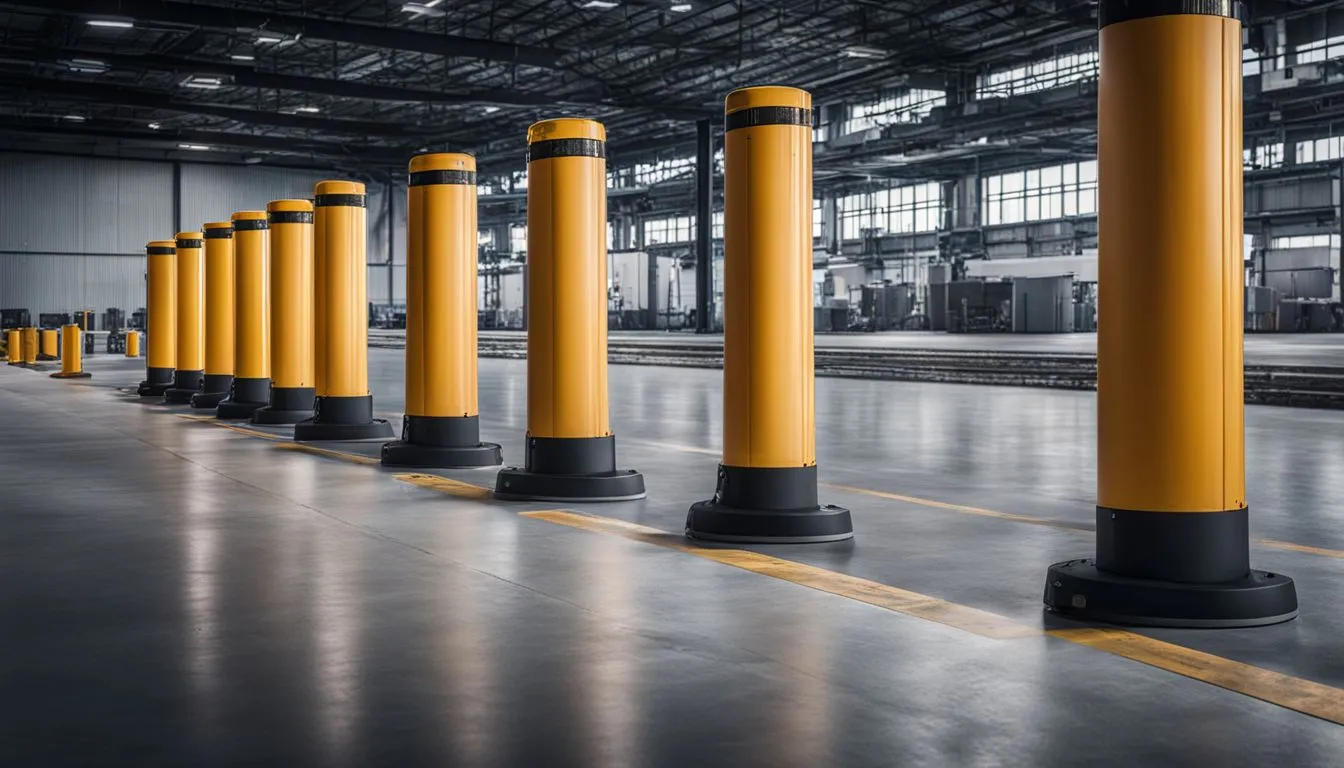
Integrating artificial intelligence with bollards brings revolutionary changes to warehouse management and distribution, as it incorporates data-driven analytics to optimise logistics.
Explore the fascinating intersection of these technologies in our article!
AI’s impact in warehouse management and distribution
Artificial intelligence (AI) enhances warehouse management and distribution by optimising inventory control, streamlining operations, and predicting demand. By analysing big data, AI offers insights into product movement patterns, enabling efficient stock placement and reducing carrying costs.
It also supports real-time decision-making in routing and allocation of resources to meet customer demands promptly. Furthermore, AI-driven predictive maintenance minimises downtime by identifying potential equipment failures before they occur.
This integration not only improves operational efficiency but also reduces overall operational costs while ensuring timely delivery.
AI’s impact in warehouse management is evident in its ability to automate tedious tasks like inventory tracking, order processing, and shipment coordination. This leads to the elimination of manual errors while increasing accuracy and speed across the supply chain process.
Additionally, AI systems can forecast demand fluctuations accurately based on historical data analysis and market trends. This proactive approach helps businesses adapt quickly to changing demands while minimising excess inventory or stockouts.
Data-Driven analytics in logistics
Data-driven analytics in logistics empowers us to make informed decisions based on real-time information, enhancing our ability to optimise supply chain efficiency. By leveraging big data analytics, we can gain valuable insights into transportation patterns, inventory management, and demand forecasting.
This enables us to identify potential bottlenecks and proactively address them, ultimately improving the fluidity of freight movement while reducing operational costs.
Integrating AI-powered algorithms with data-driven analytics equips us with predictive capabilities that help anticipate demand fluctuations and streamline distribution processes. With a focus on harnessing technological advancements such as this, we are ensuring that our logistics operations remain agile and responsive to market demands.
The effective utilisation of these tools is essential for staying ahead in the competitive landscape of modern freight and logistics.
Guarding the Warehouses: An Introduction to Roll-Over Gates and Bollard Integration
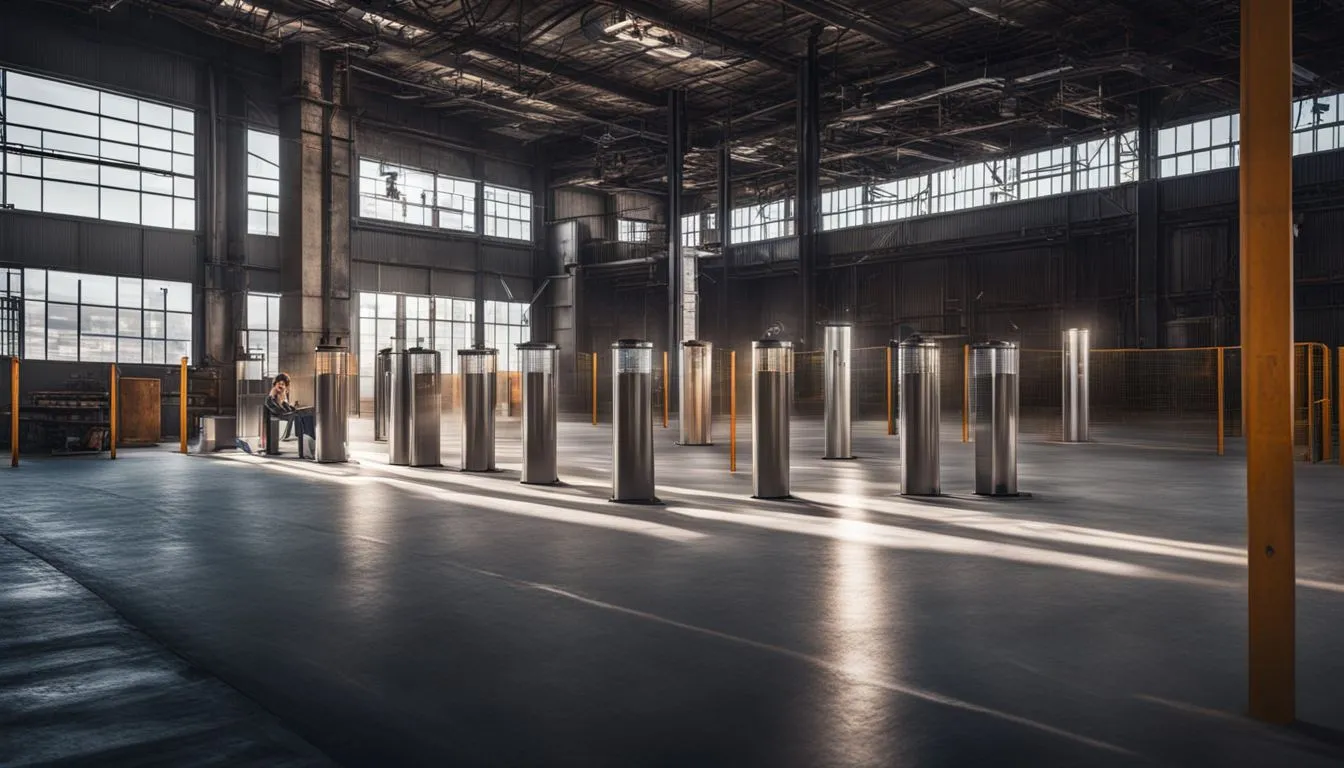
When it comes to looking after your warehouse, you can’t go past the benefits of roll-over gates and bollards. They’re like the trusty guardians of your business, keeping out any unwanted visitors and protecting your precious goods.
And let’s not forget about those bollards – they’re like the tough guys standing around the perimeter, ready to take on any unexpected threats.
As a business owner, it’s all about finding tailored solutions that fit your unique needs. By embracing these innovative technologies, you’re not just ticking off safety measures – you’re also creating a smoother running operation in the heart of your warehouse.
With a focus on efficiency and safety, integrating roll-over gates and bollards is a smart move that helps you stay on top of regulations while taking care of security concerns in today’s ever-changing world.
Conclusion.
In conclusion, revolutionising freight and logistics with bollards presents an innovative approach to enhancing safety and efficiency in the transportation industry. We’ve discussed the practicality of employing smart, solar-powered, and wireless charging bollard technologies for traffic control, not only to improve urban design but also as a protective barrier for warehouses.
By integrating AI into warehouse management and utilising roll-over gates alongside bollards, businesses can unlock significant improvements in capacity and security. How will you incorporate these strategies into your freight and logistics operations? Reflect on the impact and potential benefits awaiting your business by embracing this cutting-edge infrastructure solution.
Let’s delve into the world of freight and logistics armed with these insights to drive changes that lead to improved safety, enhanced efficiency, compliance adherence, and overall success.