
25 December 2023 · filed in Safety Barriers Sydney
Risk Mitigation in Freight and Logistics Through Safety Barriers
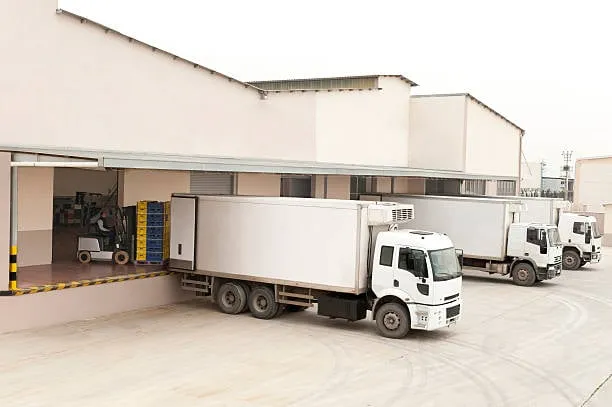
Safety barriers play a pivotal role in keeping the freight and logistics industry secure. These barriers protect against common hazards like road accidents, which sadly happen too often to workers hauling goods across towns and cities. They’re not just physical walls or fences; they represent key plans and protocols designed to keep everyone safe.
Understanding the importance of such measures is vital for our businesses today. We see daily risks in warehouses where employees face dangers ranging from minor slips to serious incidents involving vehicles like forklifts, especially when loading or unloading cargo. This makes following a guide, such as the Traffic Management Guide for warehousing, crucial, it shows us how we can avoid these dangers through smart strategies.
In an age where technology changes fast, what some call Logistics 4.0, managing risk becomes even more important if we want to use new tools safely without putting people at risk. It’s all about balance: while machines like forklifts boost our work speed, they also make it more important than ever that we look out for each other’s safety.
Staying up-to-date with warehouse safety tips and best practices doesn’t just protect individuals; it keeps entire operations running smoothly by lowering overall risk levels. Knowing what laws apply to us helps too because this knowledge ensures that every team member knows their rights and how to stay as safe as possible on the job.
We’ll explore ways our sector can fulfil legal obligations while offering resources that encourage better recovery at work methods should anything go wrong, an essential part of handling any hiccups along the road. Let’s gear up together, we have a lot to cover!
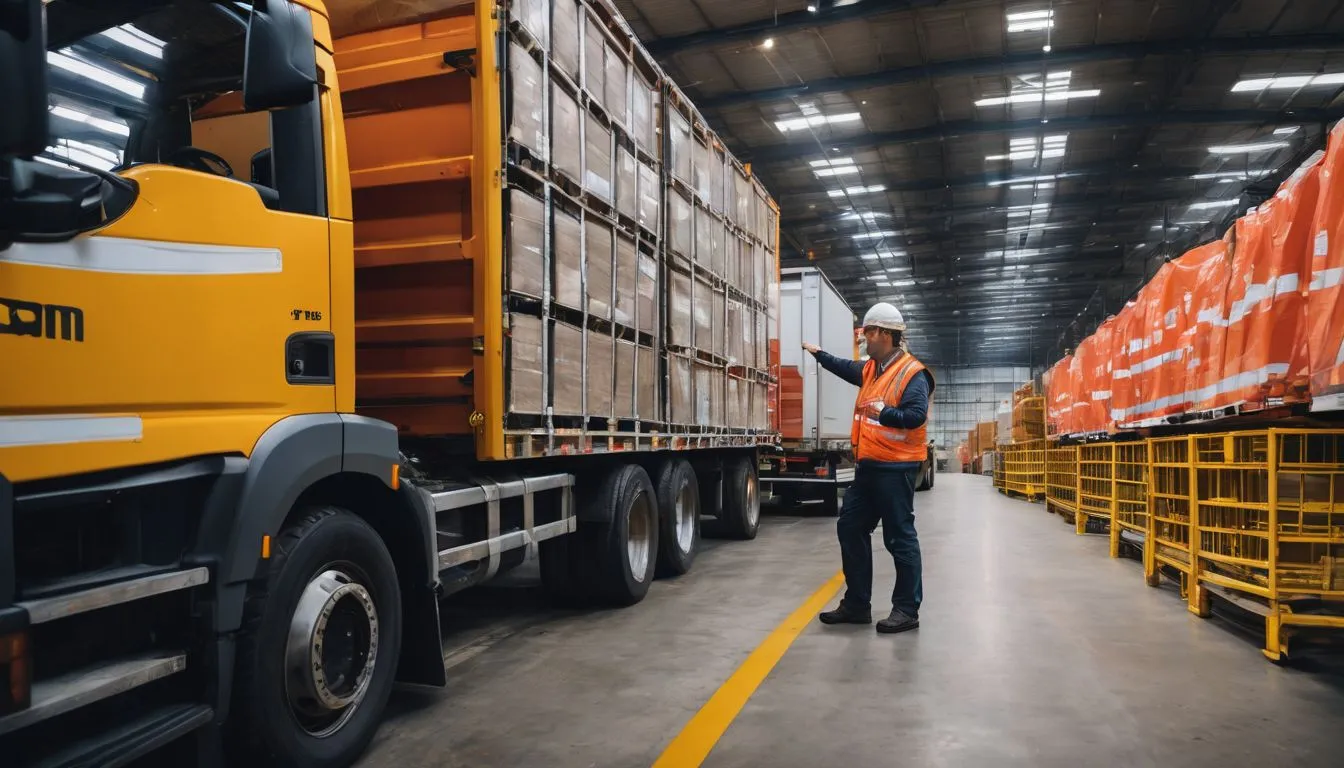
Importance of Safety Barriers in Freight and Logistics
Safety barriers play a crucial role in creating a safer working environment for freight and logistics professionals, mitigating risks and incidents, and ensuring compliance with work health and safety regulations.
They are essential for protecting workers, equipment, and infrastructure from potential dangers on the road and in warehouses.
Creating a Safer Working Environment
We take the lead in crafting a safer working environment by installing and maintaining robust safety barriers throughout our warehouses and distribution centres. These crucial installations are not just about preventing mishaps; they’re integral to fostering an atmosphere where every team member can perform their duties without fear of injury.
From shielding employees from heavy machinery like forklifts to delineating pedestrian walkways, these measures drastically reduce the likelihood of accidents.
Our commitment extends beyond physical barriers; it includes comprehensive traffic management plans tailored for each facility. By meticulously planning vehicle movement paths, we ensure that everything, from cargo shipping to trucking operations, flows smoothly and safely.
This proactive approach keeps our supply chain secure and protects our most valuable asset: our people.
Mitigating Risks and Incidents
Safety barriers are crucial for mitigating risks and incidents in freight and logistics operations. Installing safety barriers around loading docks, conveyor systems, and hazardous materials storage areas can prevent workplace accidents and injuries.
Regular hazard assessments help identify potential risks, allowing for the implementation of appropriate risk controls to ensure a safer working environment.
Freight vehicles also pose risks, but traffic management and control measures can help minimise these hazards on the road. Implementing stringent loading and unloading procedures as well as addressing musculoskeletal disorders can significantly reduce the incidence of workplace incidents.
Compliance with Work Health and Safety Regulations
Complying with work health and safety regulations is crucial for freight and logistics businesses. It ensures that the workplace is safe for employees, reducing the risk of accidents and injuries.
Adhering to these regulations also helps in avoiding legal penalties and maintaining a positive reputation within the industry.
Implementing effective risk management strategies to comply with work health and safety regulations is essential. This includes conducting regular hazard assessments, providing appropriate training for employees, ensuring proper equipment maintenance, and promoting a culture of safety throughout the organisation.
Safety Measures for Freight Vehicles
When it comes to safety measures for freight vehicles, traffic management and control play a crucial role in ensuring the smooth flow of operations. Additionally, proper loading and unloading procedures, working at heights protocols, and roadside maintenance guidelines are essential for mitigating risks and incidents.
Traffic Management and Control
To ensure safe and efficient operations, we implement robust traffic management and control measures in our freight and logistics facility. Here are the key practices that help us maintain a secure workplace:
- Clear Signage: We prominently display signs indicating speed limits, pedestrian crossings, and forklift zones to guide vehicle movement within the warehouse.
- Defined Traffic Routes: We establish designated traffic lanes and pedestrian walkways to separate vehicular and foot traffic, reducing the risk of collisions.
- Traffic Flow Monitoring: Regular monitoring of traffic patterns helps us identify congested areas, enabling us to optimise routes for smoother movement of goods and vehicles.
- Vehicle Inspection Protocols: Routine checks of forklifts and other freight vehicles ensure that they are in proper working condition, minimising the risk of accidents caused by vehicle malfunctions.
- Staff Training: All employees receive training on traffic management procedures, including how to navigate warehouse traffic safely and communicate effectively with vehicle operators.
- Hazard Identification: Regular assessments help us identify potential hazards such as blind spots or obstructed pathways, allowing us to take proactive measures to mitigate risks.
- Emergency Response Plans: We have established clear protocols for responding to accidents or congestion-related incidents to ensure swift resolution while maintaining safety for all personnel.
Loading and Unloading Procedures
Loading and unloading procedures are critical aspects of freight and logistics operations. They involve several safety measures to minimise risks and ensure efficient handling of goods.
- Forklift Safety: Utilise appropriate forklifts and equipment for lifting and moving freight, ensuring compliance with load capacity limits and safe operating procedures.
- Secure Cargo: Implement proper load restraint techniques to prevent shifting or falling during transportation, reducing the risk of accidents or damage.
- Inspection Protocols: Conduct thorough inspections of freight vehicles and containers before loading to identify potential hazards, ensuring safe transport of goods.
- Training Programmes: Provide comprehensive training for employees involved in loading and unloading activities, emphasising safety protocols and best practices to mitigate risks.
- Handling Hazardous Materials: Adhere to strict guidelines for the handling and storage of hazardous chemicals, preventing exposure risks and ensuring compliance with safety regulations.
Working at Heights
When considering workplace safety in the logistics industry, it is important to address the risks associated with working at heights. Here are some crucial safety measures to consider:
- Implement fall protection systems such as guardrails, safety nets, or personal fall arrest systems to prevent employees from falling off elevated surfaces.
- Provide appropriate training for employees working at heights on how to safely use ladders, elevated platforms, and other equipment.
- Regularly inspect and maintain all equipment used for working at heights to ensure they are in good working condition and safe to use.
- Conduct risk assessments to identify potential hazards related to working at heights and develop strategies to mitigate these risks.
- Ensure that employees have access to proper personal protective equipment (PPE) such as harnesses, helmets, and non-slip footwear when working at elevated locations.
- Establish clear protocols for accessing and exiting elevated work areas, including the use of secure access points and barriers to prevent unauthorised entry.
- Monitor weather conditions and adjust work schedules accordingly to avoid hazardous conditions when working at heights.
- Encourage open communication between workers regarding any concerns or observations related to safety while working at heights.
- Provide ongoing supervision and support for employees working at heights to ensure compliance with safety protocols and best practices.
Roadside Maintenance
- Regular inspection of roadside facilities such as rest areas and parking spots to ensure they are free from hazards and comply with safety regulations.
- Implementation of proper signage and lighting to enhance visibility and alert drivers to potential risks, contributing to overall road safety.
- Training employees on safe roadside maintenance practices, including emergency procedures and hazard identification protocols.
Managing Hazards and Risks
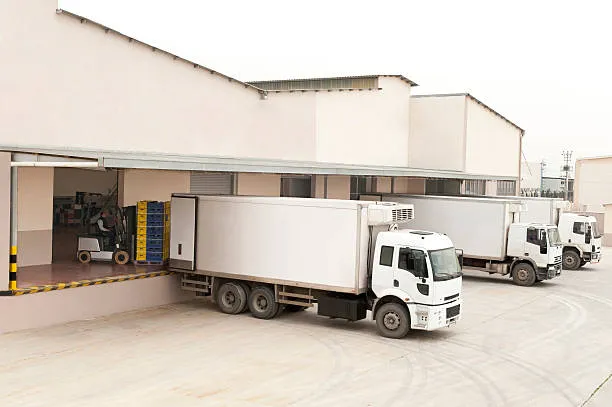
Identifying and assessing hazards is crucial for maintaining a safe work environment in freight and logistics. Implementing effective risk controls and addressing common issues such as musculoskeletal disorders, fatigue, distracted driving, and the handling of dangerous goods are essential for minimising risks.
Identifying and Assessing Hazards
- Conduct regular workplace inspections to identify any safety hazards such as slipping or tripping hazards, faulty equipment, or improper storage of hazardous materials.
- Analyse work processes and activities to pinpoint potential risks associated with material handling, machinery operation, and transportation of goods.
- Engage employees in hazard identification by encouraging them to report any unsafe conditions or near-miss incidents they encounter.
- Use risk assessment tools to evaluate the likelihood and severity of identified hazards, taking into account the impact on employee safety and operational continuity.
- Prioritise hazards based on their level of risk and develop control measures to mitigate or eliminate the identified risks.
Implementing Risk Controls
After identifying and assessing hazards, implementing risk controls is crucial in minimising risks in freight and logistics operations. Here are some key measures to consider:
- Regular maintenance and inspection of equipment and vehicles to ensure they meet safety standards and mitigate potential risks.
- Providing comprehensive training programmes for employees on safe working practices, including proper use of protective equipment and handling hazardous chemicals.
- Implementing clear communication channels to relay safety information, emergency procedures, and protocols for reporting any safety concerns or incidents.
- Utilising advanced technologies such as GPS tracking, real – time monitoring systems, and telematics to enhance vehicle safety and driver behaviour.
- Enforcing strict compliance with load restraint regulations for heavy vehicles to prevent accidents caused by shifting or falling cargo.
- Conducting regular risk assessments to identify new hazards, evaluate the effectiveness of current controls, and make necessary adjustments to improve safety measures.
- Establishing a systematic approach for incident investigation and analysis to understand root causes, implement corrective actions, and prevent future occurrences.
- Encouraging a culture of safety awareness through regular toolbox talks, safety meetings, and recognition programmes to promote employee engagement in maintaining a safe work environment.
Addressing Musculoskeletal Disorders
Addressing musculoskeletal disorders is crucial in the freight and logistics industry. Implementing ergonomic workstations, providing regular breaks, and offering proper training on manual handling techniques are essential to prevent workplace injuries.
Additionally, promoting physical fitness among employees through exercise programmes can help reduce the risk of musculoskeletal disorders. Regularly reviewing work processes and equipment design to minimise physical strain can also contribute to a safer working environment.
Ensuring that employees have access to ergonomic tools and equipment, such as lifting aids and adjustable workstations, is vital for preventing musculoskeletal disorders in the workplace.
Providing education on correct posture and body mechanics during lifting and carrying tasks can further reduce the risk of injury. By prioritising measures aimed at addressing musculoskeletal disorders within your business operations, you not only protect your workforce but also enhance operational efficiency.
Preventing Fatigue and Distracted Driving
Managing musculoskeletal disorders is crucial for a safe work environment, but it’s equally important to address the risks of fatigue and distracted driving in the freight and logistics industry.
Fatigue can impair decision-making and reaction times, leading to an increased risk of accidents on the road. Implementing regular rest breaks, scheduling realistic work hours, and providing training on recognising signs of fatigue are essential measures to prevent drivers from succumbing to exhaustion while on the road.
Additionally, implementing policies that restrict or ban the use of mobile phones while driving can significantly reduce distractions and enhance overall safety.
Employers must also consider factors that contribute to driver fatigue such as long working hours, irregular shift patterns, and inadequate sleep. These risk factors should be managed through effective rostering practices and by promoting a culture of openness about discussing fatigue-related concerns.
Handling Dangerous Goods
- Conduct thorough risk assessments to identify potential hazards associated with the transportation, storage, and handling of dangerous goods.
- Implement appropriate risk controls such as proper labelling, secure packaging, and compliance with relevant transport regulations to mitigate the risks posed by dangerous goods.
- Provide comprehensive training for employees involved in handling dangerous goods, including emergency response procedures and safe handling practices.
- Regularly inspect and maintain equipment used for transporting or storing dangerous goods to ensure their integrity and compliance with safety standards.
- Establish effective communication channels with relevant authorities, emergency services, and other stakeholders to facilitate swift response in case of incidents involving dangerous goods.
- Keep abreast of the latest regulatory updates and industry best practices related to the handling of dangerous goods to ensure compliance and continuous improvement in safety standards.
- Monitor and document all aspects of handling dangerous goods, including storage conditions, labelling accuracy, and employee adherence to safety protocols.
- Collaborate with reputable suppliers and carriers who adhere to stringent safety measures when transporting dangerous goods within the supply chain.
- Foster a culture of vigilance among employees by promoting reporting mechanisms for any observed deviations from safe practices when handling dangerous goods.
Legislation and Best Practices
We will explore the legal obligations for freight and logistics businesses, as well as provide resources for work health and safety. Additionally, we will discuss ways to improve recovery at work practices in this industry.
Legal Obligations for Freight and Logistics Businesses
Freight and logistics businesses have legal obligations to ensure the safety and wellbeing of their employees, customers, and the public. Compliance with work health and safety regulations is crucial to mitigate risks and incidents within the industry.
This involves implementing measures such as regular risk assessments, providing adequate training for handling dangerous goods, addressing musculoskeletal disorders, preventing fatigue and distracted driving among staff, adhering to heavy vehicle load restraint guidelines, as well as proper management of hazardous chemicals in logistics operations.
Failing to meet these legal requirements can result in severe consequences for businesses, including fines or legal actions from regulatory authorities.
Resources for Work Health and Safety
When it comes to work health and safety in the freight and logistics industry, we need to be aware of the resources available to us. Businesses can benefit from accessing legal obligations regarding work health and safety, as well as guidelines for road transport safety and warehousing traffic management.
Additionally, improving recovery at work practices is essential for maintaining a safe working environment.
For effective risk minimisation, it’s crucial to have access to information on workplace safety hazards in logistics and supply chain safety management. Furthermore, having a comprehensive understanding of warehouse traffic safety rules ensures the safety of workers and minimises risks in freight and logistics operations.
Improving Recovery at Work Practices
We can enhance recovery at work practices by incorporating proactive measures and resources to support employees’ return to work after an injury. This includes creating tailored return-to-work plans for injured workers, providing modified duties when necessary, and offering rehabilitation services.
By actively engaging with injured employees and ensuring that they have the support needed to gradually reintegrate into the workplace, we can reduce the impact of injuries on productivity while promoting a safe and healthy working environment.
It is essential to collaborate with healthcare professionals, such as physiotherapists and occupational therapists, to develop effective recovery plans for injured workers. Additionally, implementing ergonomic assessments and adjustments in the workplace can help prevent recurrent injuries and promote a smooth transition back into regular duties.
Conclusion
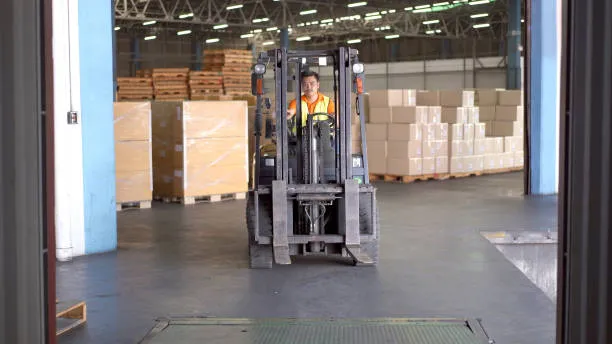
Safety barriers play a crucial role in minimising risks in freight and logistics operations. Implementing practical strategies such as traffic management and hazard identification can significantly enhance workplace safety. These approaches not only ensure compliance with regulations but also contribute to creating a safer working environment for all involved. With the right measures in place, businesses can effectively mitigate risks, reduce incidents, and improve overall operational efficiency.
Mitigate risks in freight and logistics with our robust safety barriers. Verge Safety Barriers is your proactive partner in warehouse safety. Let’s protect your operations together. Furthermore, exploring additional resources on work health and safety will further equip businesses with the necessary tools to address potential hazards proactively. Ultimately, embracing these strategies is essential for safeguarding both employees and the logistical supply chain from preventable accidents and injuries.