
5 April 2024 · filed in Safety Update
Safety As A Culture: The Role Of Barriers In Warehousing Operations
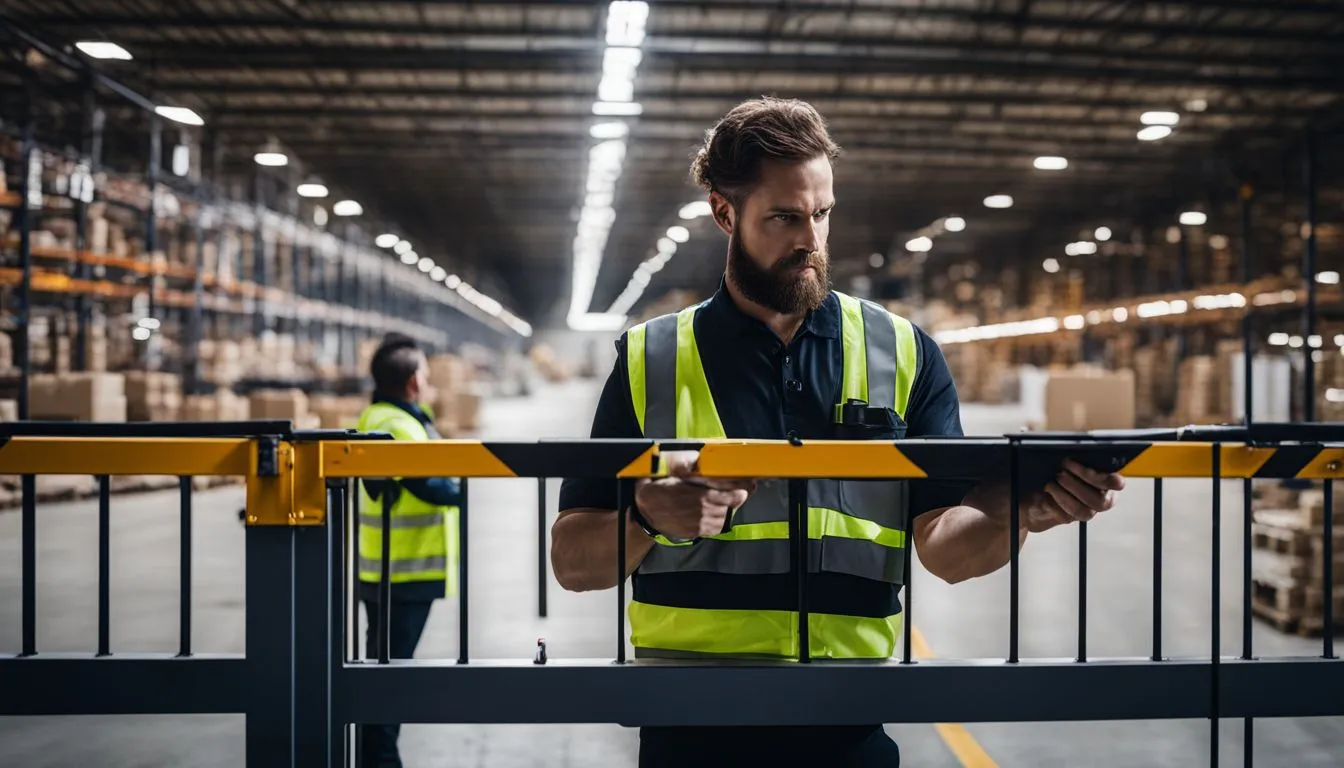
Warehouses can be a bit of a minefield when it comes to staying safe. We’ve all been there, scratching our heads, realising the usual way of doing things just isn’t up to scratch. In fact, did you know that each year, more than 5,000 Aussie warehouse workers end up copping an injury at work? That’s a stat that really made us sit up and take notice, pushing us to scout out better solutions.
This article is all about helping you beef up safety with the right kind of barriers in your warehousing operations. Let’s get stuck into making our workplaces safer for everyone!
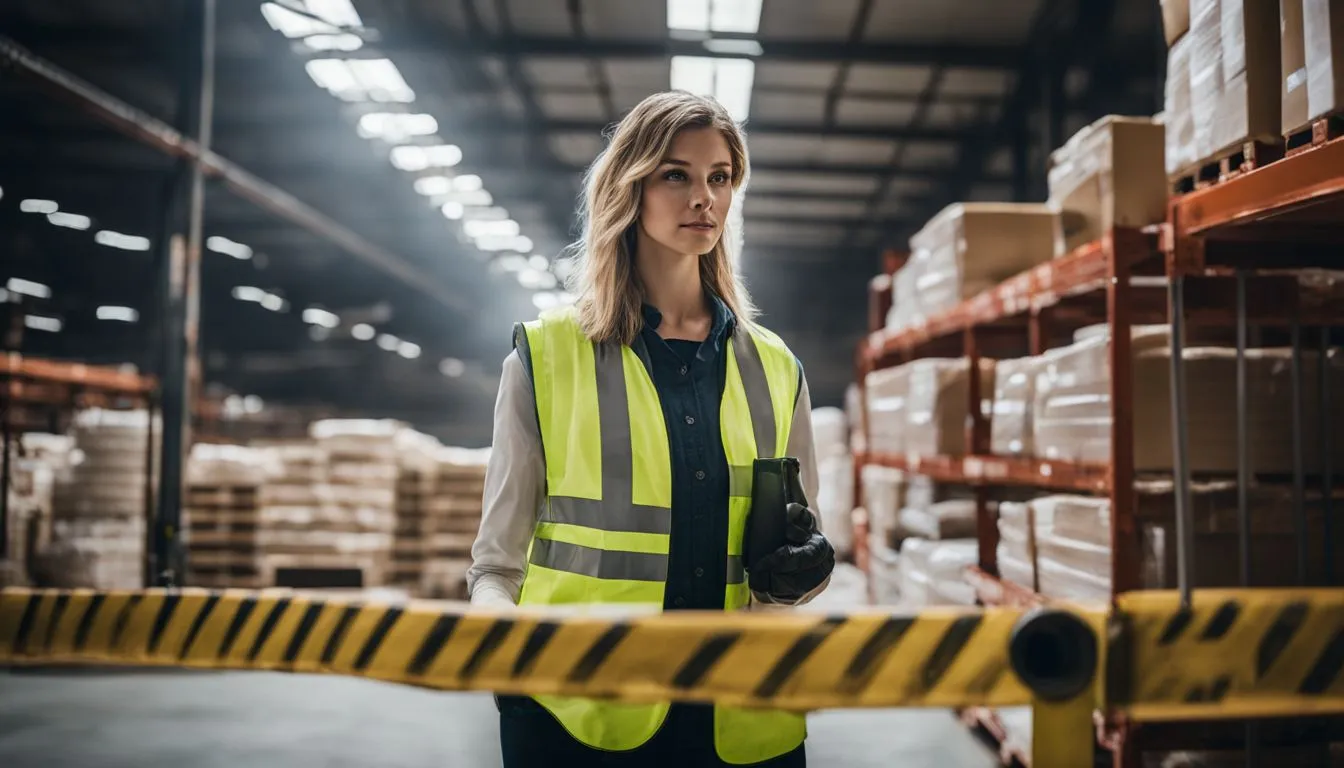
The Importance of Safety in Warehousing Operations
Warehouse safety is vital for protecting employees and ensuring efficient operations. Understanding HSE regulations and identifying potential hazards are key to creating a safe work environment.
Understanding OSHA Regulations and Standards
Diving straight into the deep end, getting to grips with OSHA regulations and standards is like deciphering a treasure map where X marks the spot for workplace safety. These guidelines are crucial in guiding us through creating a safer warehousing environment.
They set the benchmarks for what needs to be done to keep accidents at bay and ensure that every team member goes home safely each day.
We navigate this terrain together, adapting these rules into our daily operations without missing a beat. Compliance isn’t just ticking boxes; it’s embedding practices that become second nature, from dusting off warehouse floors to ensuring machinery operates within safe parameters.
This journey transforms our safety culture from one of obligation to one of intuition, making sure we’re not just meeting expectations but setting new standards in warehousing operations.
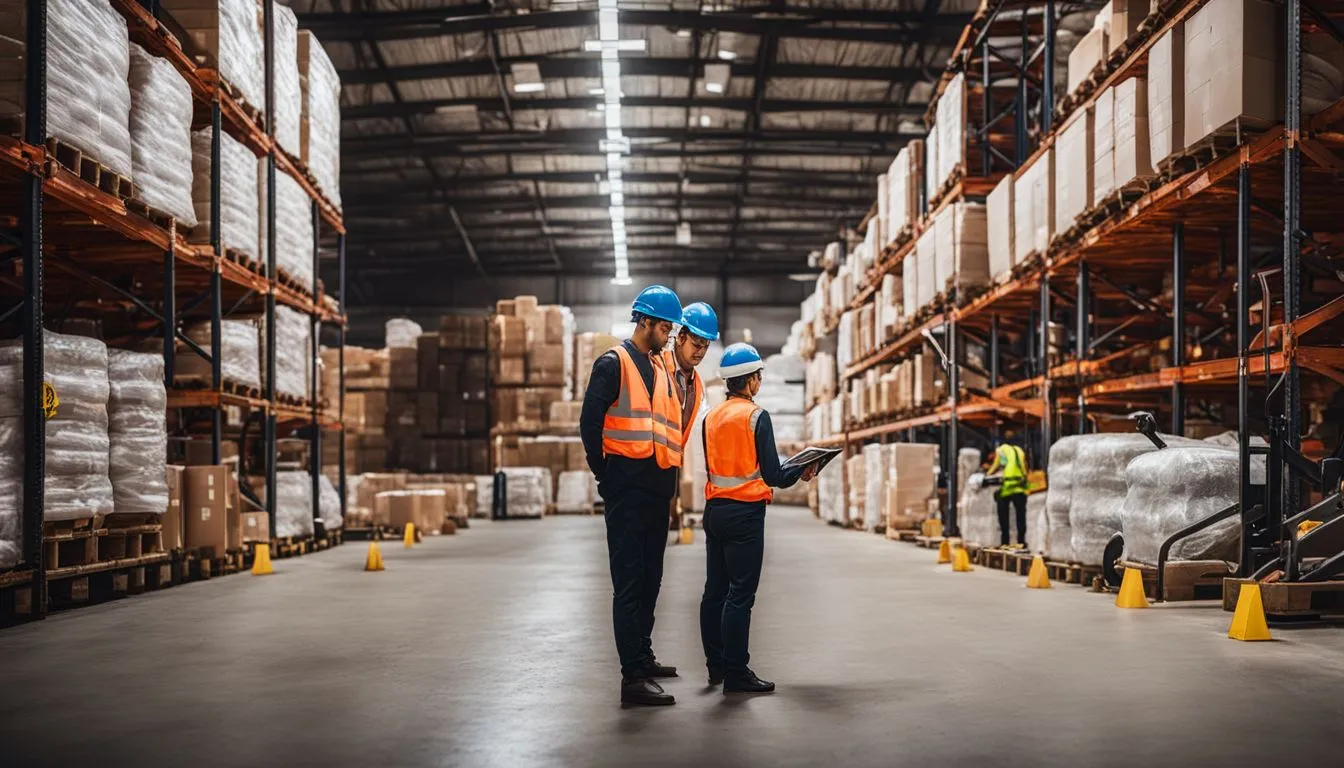
Identifying Warehouse Hazards and Controls
Mastering OSHA regulations and standards sets the stage. Now, we shift gears to spotlight warehouse hazards and how we tackle them with control measures. It’s like piecing together a safety jigsaw puzzle – each piece matters.
- Slips, trips, and falls – These are the cheeky culprits lurking around corners. Keeping aisles clear and floors dry isn’t just good housekeeping; it’s safety 101.
- Forklift accidents – They’re not just transport heroes but potential hazards. Implementing strict traffic routes and forklift training programmes keeps everyone on their toes.
- Falling objects, Stacking goods securely turns the tide against gravity’s less pleasant surprises.
- Fire risks, A stitch in time saves nine here. Regular fire drills combined with accessible and well-marked exits can be genuine life-savers.
- Chemical spills, No one wants an unexpected chemical party. Having spill kits handy and training staff on how to use them keeps chaos at bay.
- Electrical hazards, With power comes responsibility. Routine checks on electrical equipment fend off unforeseen shocks.
Tackling these hazards head-on not only fortifies our warehouse operations but also nurtures a culture of safety first, second, and always. Safety barriers play a pivotal role, serving as both shields against danger and reminders of the sanctity of workplace safety.
In essence, identifying hazards is half the battle won; implementing effective controls is what brings home victory in warehouse safety measures. Let’s keep the dialogue open, share insights, and continuously improve our safe havens, because together, we make warehouses safer for everyone on board!
The Role of Safety Barriers in Warehouse Environments
Safety barriers play a vital role in ensuring the safety of warehouse environments. They provide physical protection for employees, machinery, and inventory by redirecting traffic flow and preventing accidents.
The strategic placement of safety barriers can minimise collision damage and promote smooth operations within the warehouse.
Significance of Safety Barrier Systems
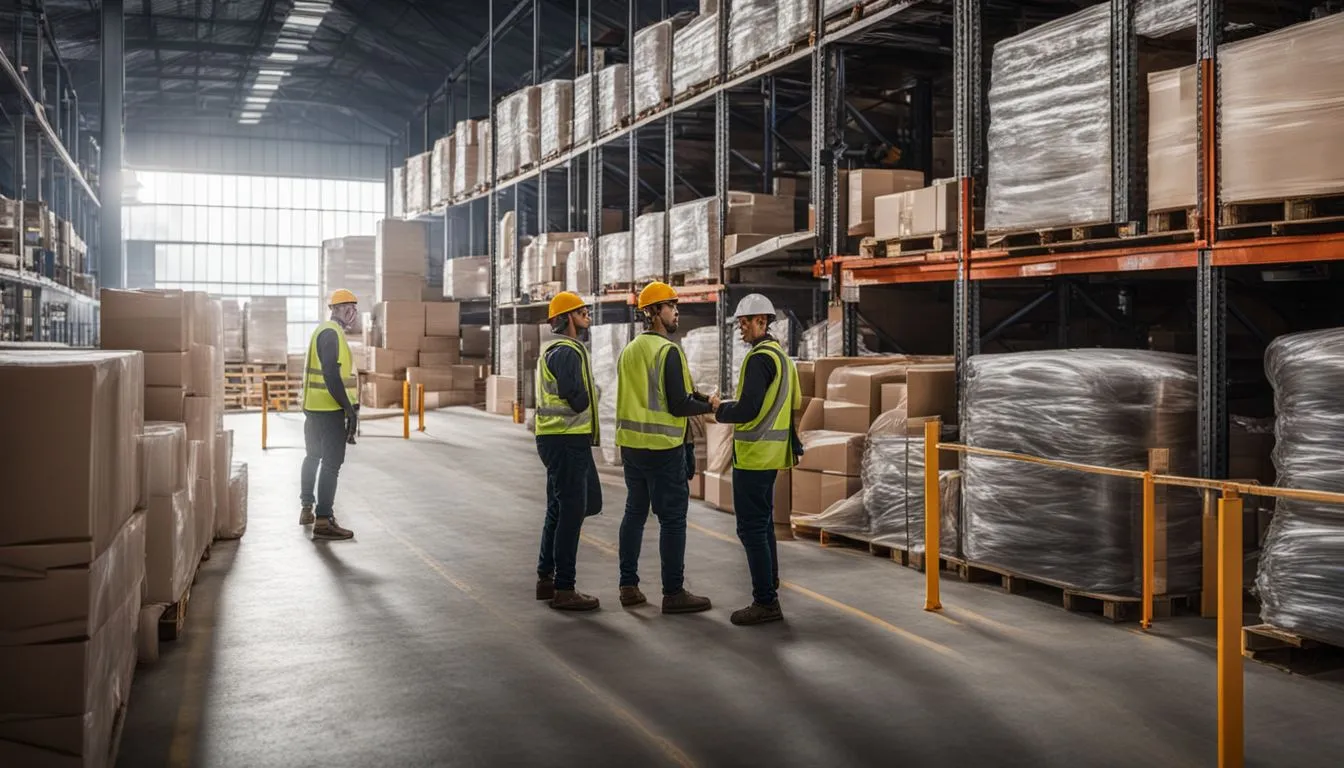
Safety barriers in our warehouses act like silent guardians. They stand firm between workers and potential hazards, making sure everyone goes home safe at the end of the day. Think of them as the unsung heroes of workplace safety, always on duty to protect against accidents and injuries.
Choosing the right safety barrier system can turn a chaotic warehouse into a streamlined operation. It’s about keeping things moving smoothly while dodging disasters. With an eye on what’s next, let’s explore how we pick these lifesavers for our spaces.
Factors Influencing Safety Barrier Choices
Knowing the importance of safety barrier systems sets the stage for choosing the right ones for your warehouse. It’s a bit like picking the right tools for a job – you’ve got to match them to your specific needs.
Here’s what we look at when deciding on safety barriers:
- Warehouse layout and space
The size and shape of our warehouse play a big role. We think about how much room we have and how we can use barriers without making things too cramped.
- Type of goods stored
We consider what we’re storing. If it’s heavy or hazardous materials, we need stronger barriers that can take a hit.
- Traffic flow
How our workers and machines move around is key. We choose barriers that guide them safely without causing traffic jams.
- Visibility factors
Barriers should be seen, not hidden! We pick colours and materials that stand out so everyone notices them.
- Compliance with regulations
We always check the rules, HSE standards guide us to make sure our choices are up to scratch.
- Budget considerations
Of course, money talks. But while we keep an eye on costs, we don’t skimp where it matters most, safety comes first.
- Installation and maintenance ease
We prefer barriers that are easy to put up and look after. No one likes complicated fixes!
- Future – proofing
Thinking ahead, we select barriers that will grow with us, adaptable to future changes in operations or expansions.
Picking safety barriers isn’t a walk in the park, but getting it right means our workers stay safe, and our operation runs smoothly. We weigh up these factors carefully – after all, it’s about creating a safe place for everyone who walks through our doors.
Your Safety Checklist: Selecting the Perfect Barrier for Your Needs
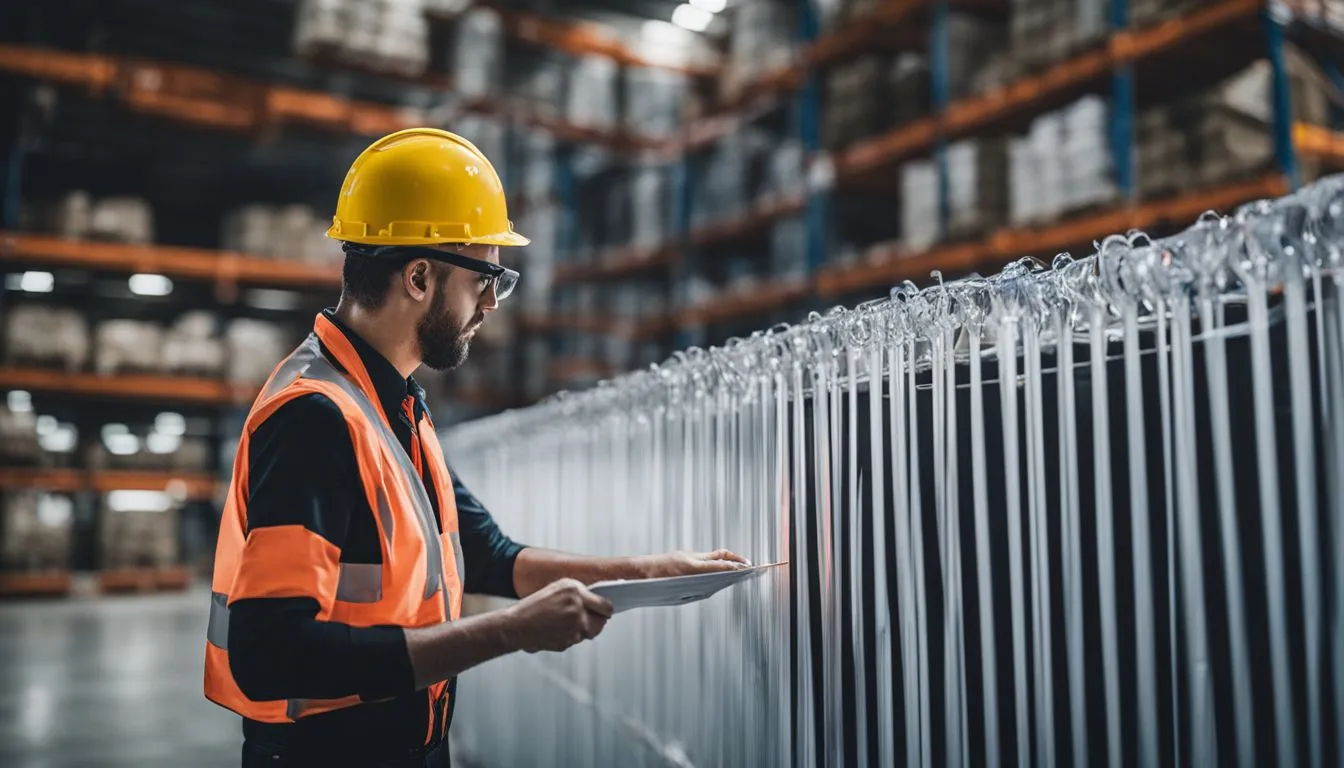
Selecting the right safety barriers for your warehouse isn’t just about ticking boxes. It’s about creating a safer environment where productivity and safety go hand in hand. Let’s walk through your safety checklist to ensure your warehouse operations are up to snuff with the best well-suited barriers for your needs.
- Assess Your Space: First off, take a look around. What kind of space are you working with? Larger areas might need more extensive barrier systems, while tighter spaces could benefit from more flexible solutions.
- Understand Traffic Flow: Big trucks or small trolleys? Get a grip on what moves through your warehouse. This will help you figure out what type of barriers you need and where they should go.
- Identify Hazard Zones: Every warehouse has them, spots where accidents are just waiting to happen. Mark these areas clearly so you can focus on installing the right protection there.
- Consider Barrier Material: Not all barriers are created equal. Metal might seem strong but think about polymer options too. They’re tough and can absorb impacts without leaving marks.
- Think Visibility: You want everyone to see these safety features, right? Go for barriers with bright colours or reflective surfaces that shout “Hey! Watch out!”
- Check Compliance: No one likes red tape, but it’s there for a reason. Make sure any barrier choice complies with occupational health and safety regulations to keep inspectors happy.
- Flexibility Matters: Things change, and so might your layout requirements in the future. Choose systems that can adapt without causing a headache.
- Maintenance is Key: Nobody enjoys extra work, particularly not repair jobs after every minor collision, opt for low-maintenance solutions that stand the test of time with minimal fuss.
- Employee Buy-in: At the end of the day, if your team isn’t on board, even the best plans fall flat, chat with them about why these measures matter to get their support.
Following this checklist doesn’t just signify crossing another task off your list; it’s a step towards embedding a culture of safety within every aspect of your operations, a crucial move for any business owner aiming at long-term success and sustainability in warehousing operations.
Innovations and Trends in Safety Barrier Solutions
Innovations and Trends in Safety Barrier Solutions are transforming warehouse safety. From the rise of polymer over metal impact barriers to achieving sustainability goals with recyclable impact barriers, these advancements are enhancing workplace safety and productivity.
The Rise of Polymer Over Metal Impact Barriers
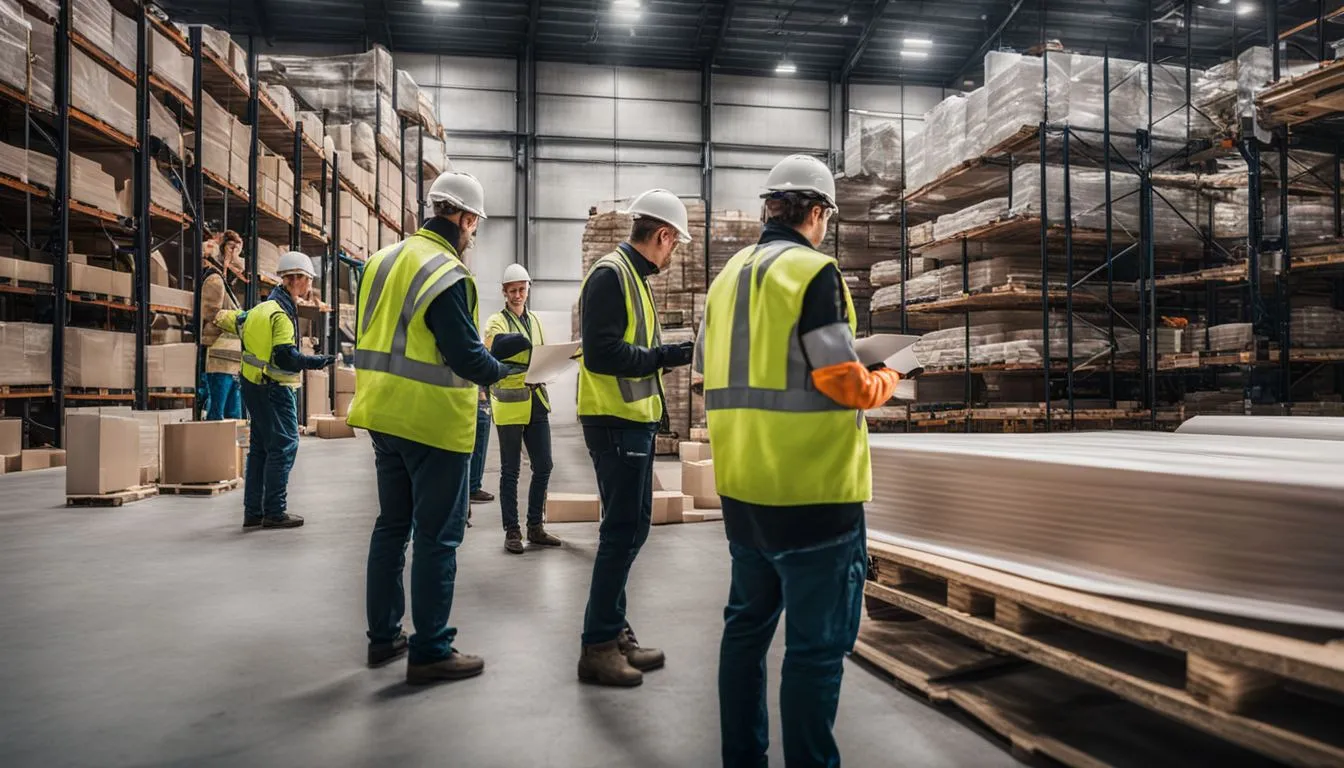
We’ve seen a big shift from metal to polymer in impact barriers, and it’s not just about looks. Polymer barriers bring plenty of perks to the table. They’re lighter, which means they’re easier to install and move around if we need to rejig things in the warehouse.
Plus, they don’t rust like their metal counterparts, keeping our maintenance costs down and our operations running smoother for longer.
Polymer also absorbs impacts better than metal does. So, if there’s an accidental nudge with a forklift or a pallet goes astray, these barriers bounce back into shape instead of bending out of sorts.
This resilience keeps everyone safer and saves us the hassle of frequent replacements. It makes sense then why more businesses are leaning towards polymer; they’re practical while helping maintain those all-important safety standards in warehousing operations without breaking the bank or our backs.
Achieving Warehouse Sustainability Goals with Recyclable Impact Barriers
Switching to recyclable impact barriers helps us step up our game in making warehouse operations greener. These barriers are not just tough cookies; they’re made from materials that can be recycled at the end of their life, reducing waste and helping us hit those sustainability targets without breaking a sweat.
It’s like hitting two birds with one stone, boosting safety while caring for our planet.
Imagine replacing traditional metal or concrete barriers with something that does the job equally well, if not better, and then having the peace of mind knowing it won’t spend eternity in a landfill.
This move supports workplace safety in warehouses and plays a crucial role in shaping an environmentally responsible safety culture. As business owners, we get to lead by example, showing that protecting our team goes hand-in-hand with protecting the environment.
The Impact of Safety Barriers on Workplace Productivity and Profitability
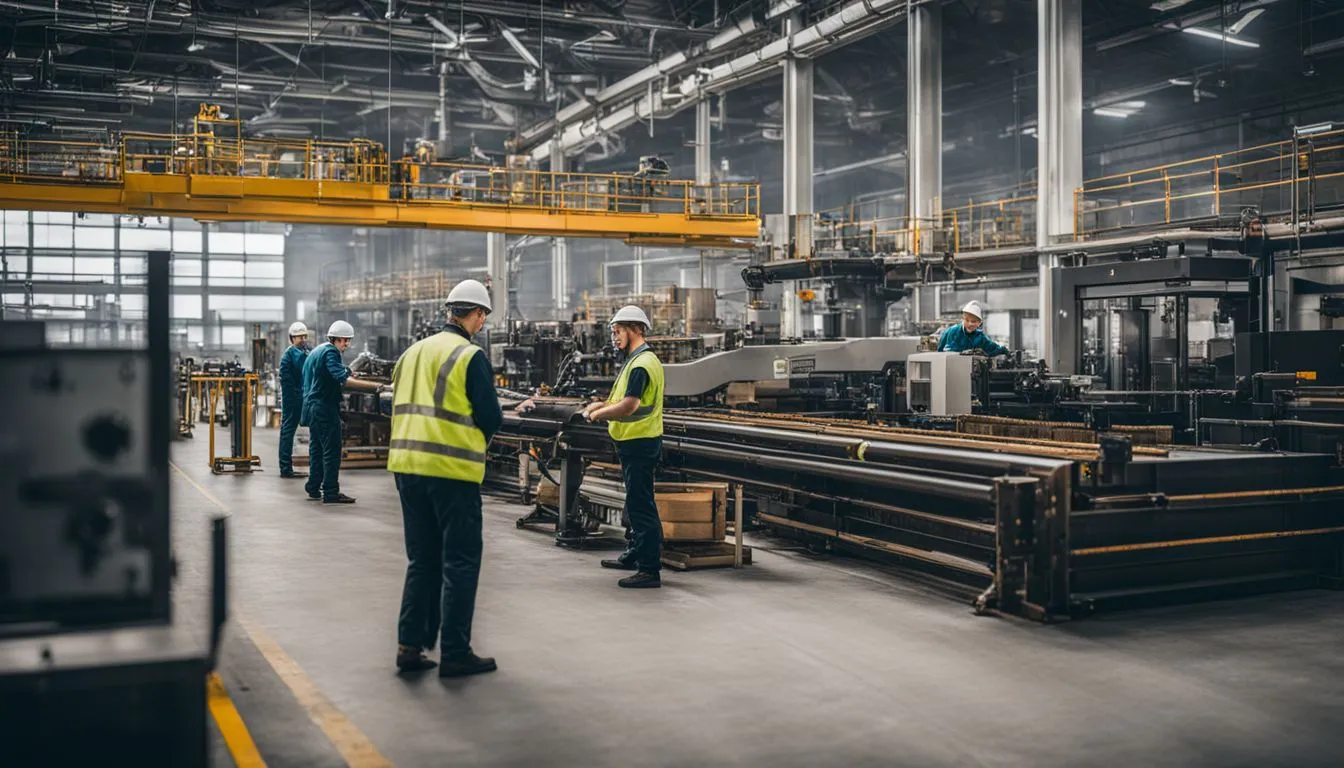
Safety barriers significantly improve workplace productivity and profitability by reducing downtime and repair costs. They streamline operations, ensuring smooth workflow and safeguarding against disruptions caused by accidents or damage to equipment.
Saving on Repair and Maintenance Costs
Minimising repair and maintenance costs is crucial for the bottom line of any warehouse operation. By investing in high-quality safety barriers, we can prevent costly equipment damage and reduce the frequency of repairs.
Regular inspection and timely maintenance of safety barriers are also essential to extend their lifespan and ensure ongoing protection against workplace hazards.
Implementing a proactive approach, such as conducting routine assessments and addressing any issues promptly, can significantly decrease long-term repair expenses. Additionally, opting for robust and durable safety barrier solutions tailored to our specific warehouse needs can help us save on repair and maintenance costs while upholding a safe working environment for our employees.
The Power of Preventative Maintenance
Preventative maintenance is the key to avoiding costly repairs and downtime. Regular inspections and upkeep help identify potential issues before they become major problems, keeping your warehouse operations running smoothly.
By conducting routine checks on safety barriers, you can address any wear and tear promptly, ensuring a safe working environment for your employees while also protecting your bottom line from unexpected maintenance expenses.
This proactive approach not only minimises risks but also demonstrates a commitment to prioritising employee safety within your warehouse facility.
Case Studies in Safety Barrier Implementation

Implementing safety barriers is crucial for protecting employees and equipment. Maersk Arndell Park, Brookfield, and Alstom have successfully integrated safety barriers to improve workplace safety and prevent accidents.
Case Study: Maersk Arndell Park
In the Maersk Arndell Park case study, safety barriers were strategically installed to safeguard their warehouse operations through the prevention of accidents and damage to infrastructure.
By incorporating impact protection barriers at critical points within the facility, Maersk was able to minimise the risk of collisions from forklifts and other heavy equipment. This proactive approach not only enhanced workplace safety but also resulted in significant cost savings by reducing repair and maintenance expenses.
The implementation of safety barriers not only upheld employee safety but also underscored Maersk’s commitment to creating a secure work environment while optimising operational efficiency.
Case Study: Brookfield
Transitioning from the case study of Maersk Arndell Park to Brookfield, we can see how safety barriers have played a crucial role in enhancing workplace safety and productivity. At Brookfield, strategically placed safety barriers have created safe zones within their warehouse space, reducing the risk of accidents caused by forklifts and other heavy machinery.
By implementing impact-resistant barriers at critical points, they have effectively prevented damage to infrastructure and equipment while ensuring employee safety.
Brookfield’s decision to invest in high-quality safety barrier systems has led to a significant reduction in repair and maintenance costs. The durable polymer impact barriers not only provide protection against impacts but also contribute to the overall sustainability goals of their warehouse operations.
Case Study: Alstom
Let’s take a look at how Alstom, a leading global supplier of power generation equipment and services, implemented safety barriers in their warehouse operations. By installing high-visibility polymer impact barriers, Alstom significantly improved their warehouse safety protocols.
The barriers not only prevented workplace hazards but also enhanced the overall safety culture within the facility. As a result, they experienced reduced repair and maintenance costs while ensuring employee safety in warehouses.
Alstom’s decision to invest in modern barrier solutions demonstrates how proactive measures can positively impact both workplace productivity and profitability. It showcases that by prioritising safety through innovative solutions like polymer impact barriers, businesses can achieve sustainable improvements in their warehouse operations while adhering to occupational health and safety standards.
The Role of Safety Communication in Enhancing Safety Culture
Encouraging open communication and feedback is crucial for enhancing safety culture within warehouses. Monitoring and evaluating performance actively contribute to a safer workplace environment.
To delve deeper into this topic, read on!
Encouraging Communication and Feedback
Communication and feedback are vital components of a strong safety culture. They foster open dialogue, transparency, and continuous improvement. Here are key strategies to encourage communication and feedback in your workplace:
- Establish an anonymous reporting system for employees to raise concerns without fear of reprisal.
- Conduct regular safety meetings to discuss potential hazards, near misses, and suggestions for improvement.
- Implement a suggestion box where employees can submit safety ideas and concerns anonymously.
- Foster a culture of open communication by encouraging all employees to voice their safety – related observations and suggestions.
- Provide regular training on effective communication and listening skills for all staff involved in safety management.
- Acknowledge and reward employees who actively participate in improving safety through their feedback and suggestions.
- Use digital platforms or apps that allow for easy reporting of safety concerns and incidents, ensuring swift action is taken when issues arise.
- Set up regular one-on-one sessions between managers/supervisors and staff to discuss safety concerns, providing a personalised approach to feedback.
These strategies will help create an environment where everyone feels comfortable sharing their thoughts on safety issues, leading to a more proactive approach in identifying and addressing potential hazards.
Monitoring and Evaluating Performance
In our pursuit of maintaining a safe and efficient warehouse environment, it’s essential to continually monitor and evaluate performance. Here are the key strategies to keep in mind:
- Regularly assess safety barrier functionality against predetermined benchmarks to ensure they are providing maximum protection for employees and equipment.
- Implement performance tracking systems to gather data on incidents, near – misses, and maintenance needs related to safety barriers.
- Analyse the collected data to identify trends, areas for improvement, and potential safety enhancements within the warehouse.
- Conduct regular inspections of safety barriers and observe their impact on workflow efficiency and employee adherence to safety protocols.
- Utilise feedback from frontline workers regarding the effectiveness of safety barriers in daily operations, allowing for continuous improvement based on real-world experiences.
- Incorporate key performance indicators (KPIs) related to safety into routine managerial reports, ensuring that safety remains a top priority within the warehouse environment.
- Collaborate with cross – functional teams to develop action plans based on performance evaluations, fostering a proactive approach to addressing any identified gaps or issues.
In conclusion, by proactively monitoring and evaluating performance related to safety barriers in our warehouse operations, we can ensure ongoing improvements that prioritise both employee well-being and operational efficiency.
Conclusion
In wrapping up, we’ve covered a range of safety strategies designed to enhance warehouse operations. These practical and efficient measures are not only crucial for workplace safety but also for improving productivity and profitability.
By implementing these approaches, businesses can navigate the complexities of warehouse safety with ease while ensuring a culture of safety underpins every operation. Remember, when it comes to workplace safety in the realm of warehousing, even small changes can yield significant improvements.
So, picture this: by adopting these strategies, your business could unlock the secrets to a safer and more robust warehouse environment.