
14 January 2024 · filed in Safety Update
Safety Barriers 101: The Core Components of Protecting your Workspace
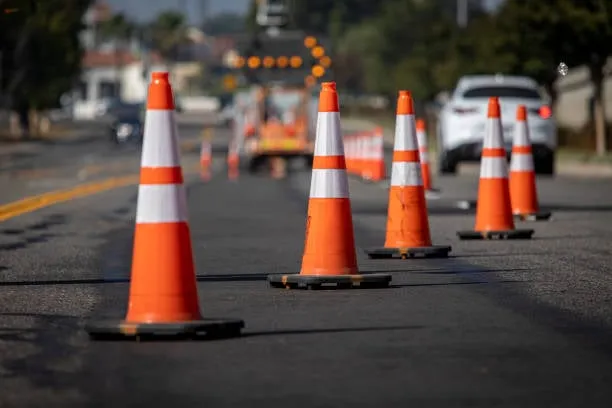
Ensuring a safe work environment is not just policy, it’s our commitment to the people who make our businesses thrive. Mate, like you, we’re tackling the challenge head-on to shield our staff and premises from those pesky accidents, staggering, isn’t it? Over 120,000 Aussie workers copping injuries on the job in a single year! Our thorough look into safety barriers offers you practical strategies to beef up your workspace security. We’re talking about straightforward changes that can knock out risks before they even pop up. So roll up your sleeves, it’s time we make those tweaks for a safer tomorrow. Let’s crack into it!
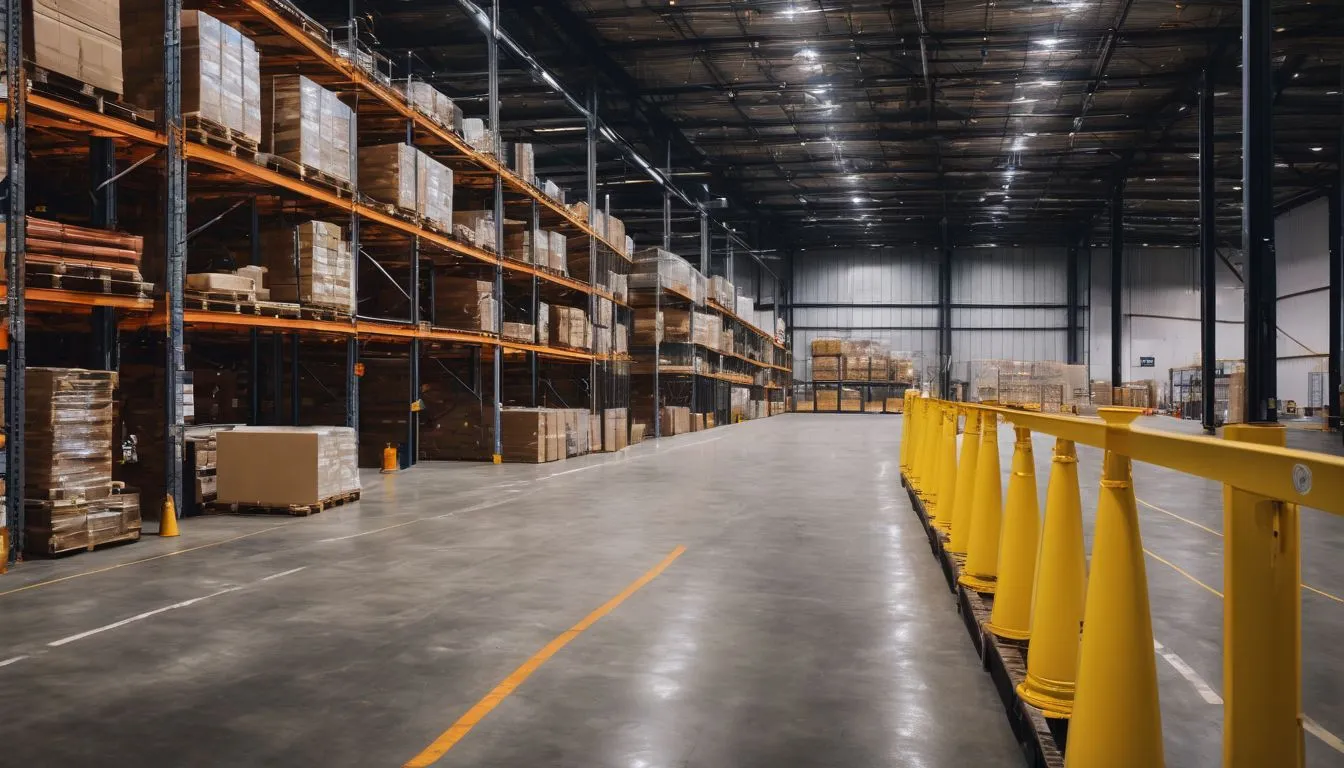
The Importance of Safety Barriers
Safety barriers are essential components of workplace safety, providing protection from potential hazards and preventing accidents. They are crucial in defining work areas, guiding traffic flow and protecting employees and equipment from harm.
Definition of safety barriers
Safety barriers are essential tools in protecting our workspaces. They serve as shields to stop people, vehicles, or equipment from entering hazardous areas. Think of them as physical lines of defence that prevent accidents and ensure the well-being of everyone on site.
From fencing structures that encircle dangerous machinery to guardrails that line roadways, these protective barriers form a critical part of occupational health and safety protocols.
We use different materials like steel, plastic, or even concrete to make these barriers strong enough to withstand high impacts. Each type is designed with specific features aimed at hazard prevention – whether it’s stopping a forklift in its tracks or keeping pedestrians safe from traffic.
It’s our job to choose the right barriers for our environments and make sure they meet all safety requirements and standards set by industry guidelines.
Components of a safety barrier
Safety barriers typically consist of several key components that work together to provide a robust protective system. The core components include:
- Posts and rails: These are the foundational elements of safety barriers, providing structure and stability.
- Panels and mesh: These components offer containment and protection while allowing visibility through the barrier.
- Bracing and connections: These ensure the integrity of the barrier, reinforcing its strength and durability.
- Base plates and anchors: Serving as the anchor points, they secure the barrier in place, preventing displacement or movement.
- Reflectors and warning signs: Enhance visibility and alert individuals to the presence of the barrier, especially in low-light conditions or high-traffic areas.
- Access gates and openings: Designed to allow authorised personnel easy access while maintaining security for restricted areas.
Uses of safety barriers
Transitioning from the components of a safety barrier, let’s delve into the practical uses of safety barriers in different environments. Safety barriers are crucial for traffic management systems on roadways and highways, effectively guiding and separating vehicles and pedestrians to prevent accidents.
In industrial and construction sites, safety barriers serve as protective elements to shield workers from heavy machinery or hazardous areas. Moreover, in commercial and public spaces, these barriers provide pedestrian protection by delineating safe walkways and preventing unauthorised access to restricted areas.
In workplace settings, safety barriers play a critical role in risk management by creating clear boundaries for forklift operations and other potentially hazardous activities. They contribute significantly to maintaining an overall safe work environment while minimising workplace accidents.
Types of Safety Barriers
When it comes to safety barriers, there are three main types to consider. Physical barriers are the most common and include fencing and guardrails. Non-physical barriers, such as warning signs and lights, also play a crucial role in keeping people safe.
Lastly, natural barriers like trees or berms can provide additional protection in certain environments.
Physical barriers
- Guardrails: These are sturdy barriers commonly used in industrial settings to provide fall protection along walkways, platforms, and openings. They protect against accidental falls and collisions.
- Safety Fencing: This type of barrier is often used to section off hazardous areas in industrial and construction sites. It prevents unauthorised access and protects workers from potential dangers.
- Bollards: These short, sturdy posts are installed to create a protective perimeter around equipment, workspaces, or pedestrian areas. They serve as a visible deterrent and offer impact resistance.
- Crash Barriers: Also known as guardrails or safety barriers, these are designed to redirect or absorb the impact of a vehicle in roadways or high-traffic areas within a workplace environment.
- Safety Nets: In industrial settings where working at heights is common, safety nets provide an additional layer of protection by mitigating fall hazards.
Non-physical barriers
- Warning Signs: These are essential for alerting employees and visitors to potential hazards, helping to prevent accidents and injuries.
- Safety Policies and Procedures: Clearly defined rules and guidelines provide an important non-physical barrier by ensuring that everyone understands and follows safety protocols.
- Training Programmes: Regular training on safety practices and emergency procedures enhances awareness and ensures that individuals can respond effectively to any potential danger.
- Communication Systems: Effective communication tools like emergency alarms, phones, or two-way radios enable quick response in case of accidents or emergencies.
Natural barriers
Natural barriers, such as trees and shrubs, provide a sustainable and environmentally friendly option for workplace protection.
- Trees and shrubs can serve as a visual and physical deterrent to prevent unauthorised access and protect sensitive areas within the workspace.
- These natural barriers also contribute to creating a greener environment while enhancing the aesthetic appeal of the workspace.
- In addition, they offer ecological benefits by promoting biodiversity and providing habitats for local wildlife.
- Incorporating natural barriers aligns with ongoing efforts to integrate sustainable practices into industrial and commercial spaces.
Design Principles for Effective Safety Barriers
When designing safety barriers, it’s crucial to prioritise visibility, durability, and flexibility to ensure maximum protection. To learn more about the core components of protecting your workspace with safety barriers, keep reading!
Visibility
Visibility is a crucial element in the design of effective safety barriers. By ensuring that the barriers are highly visible, we can alert workers and drivers to potential hazards, preventing accidents and injuries.
Use reflective materials or bright colours to increase visibility, especially in low light conditions. Regular maintenance and cleaning of barriers also play a key role in preserving their visibility and effectiveness.
Maximising visibility of safety barriers on roadways enhances overall roadside safety for both motorists and pedestrians. In industrial settings, clear visibility of safety barriers ensures that workers are aware of designated safe zones and potential danger areas, contributing to a safer work environment.
Durability and strength
Safety barriers must exhibit durability and strength to withstand impact and provide effective protection in different environments. Industrial safety barriers, such as steel guardrails or bollards, are constructed from robust materials to endure heavy impacts from forklifts, vehicles, or machinery.
These strong barriers play a crucial role in safeguarding workers and assets in industrial settings, ensuring the longevity of safety measures in high-traffic areas.
Roadside barriers also require formidable durability and strength to withstand vehicular collisions while maintaining their protective function. Whether it’s concrete crash barriers or energy-absorbing guardrails, the resilience of these safety elements is vital for reducing the severity of accidents on highways and roadways.
Flexibility and adaptability
When designing safety barriers, we prioritise durability and strength to withstand impact and protect the workspace. However, flexibility and adaptability are equally essential aspects to consider.
Safety barriers that can adjust to different environmental conditions or layout changes fulfil a crucial need in providing effective protection. By incorporating flexible materials and adaptable designs, businesses can ensure that their safety barriers can accommodate various scenarios without compromising on their protective function.
Innovative solutions such as modular barrier systems allow for easy adjustment and reconfiguration as needed, making it easier to adapt to evolving workplace requirements. Additionally, the ability of safety barriers to flex under pressure or absorb impact can enhance their overall effectiveness in protecting both personnel and property across diverse industrial settings.
Applications of Safety Barriers in Different Environments
Safety barriers play a crucial role in various environments such as roadways, industrial and construction sites, and commercial and public spaces. Understanding the specific application of safety barriers in different settings is essential for maintaining a safe work environment.
Roadways and highways
Roadways and highways are crucial areas for implementing safety barriers to protect both drivers and pedestrians. Utilising physical barriers such as guardrails and crash cushions can help prevent vehicles from colliding with roadside obstacles, reducing the risk of accidents.
Non-physical barriers like rumble strips and reflective markers enhance visibility, guiding drivers safely along the road. Strategic placement of safety barriers in high-risk areas, such as sharp curves or bridges, can significantly reduce the severity of accidents and improve overall road safety.
Incorporating reliable safety barrier systems on roadways creates a safer environment for everyone using these spaces. Implementing durable and visible barriers ensures that roads remain safe for commuters, decreasing the likelihood of severe accidents while promoting efficiency in transportation systems.
Industrial and construction sites
Industrial and construction sites require robust safety barriers to protect workers, equipment, and the surrounding environment. Heavy-duty guardrails, bollards, and safety nets are essential components in these settings to prevent accidents and control access to hazardous areas.
Additionally, bright colours and reflective materials improve visibility for both pedestrians and machinery operators, reducing the risk of collisions or injuries. Regular inspections and maintenance of these safety barriers ensure their ongoing effectiveness in high-risk environments.
Quality safety barriers play a critical role in preventing workplace incidents at industrial and construction sites. It’s important to understand the specific needs of each site to implement suitable barrier solutions that meet safety standards effectively while optimising operational efficiency.
Commercial and public spaces
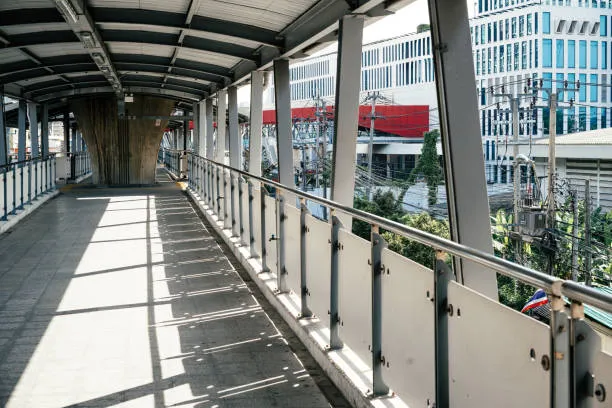
In commercial and public spaces, safety barriers play a crucial role in protecting both customers and employees. These spaces often see high foot traffic, making the need for visible and durable safety barriers paramount to prevent accidents or mishaps.
In retail environments, safety barriers can guide the flow of customer traffic, preventing overcrowding or directing people towards exits during emergencies. Additionally, in public spaces such as parks or recreational areas, safety barriers ensure that visitors remain safe while enjoying their surroundings.
As business owners, it’s essential to consider how safety barriers can enhance the protection of your commercial and public spaces. Ensuring the safety of everyone within these areas not only mitigates potential risks but also fosters a positive environment for customers and employees alike.
Innovations and Trends in Safety Barriers
We will explore the latest developments in safety barrier technology, including smart barrier systems and environmentally friendly barriers, that are revolutionising workplace safety.
These innovations are not only improving protection but also reducing environmental impact.
Smart barrier systems
Smart barrier systems integrate cutting-edge technology to enhance workplace safety and efficiency. These advanced systems utilise sensors, cameras, and sophisticated algorithms to detect potential hazards in real-time.
By providing active warnings and alerts, smart barriers help prevent accidents and improve the overall safety of industrial facilities and public spaces. Additionally, these systems can be integrated with central monitoring stations or mobile applications for remote management, enabling business owners to proactively address safety concerns.
Furthermore, smart barrier systems offer valuable data collection capabilities that can be utilised for performance analysis and continuous improvement initiatives. These insights allow businesses to identify patterns of risk factors and make informed decisions about operational enhancements.
Environmentally friendly barriers
Environmentally friendly barriers are a vital part of creating sustainable and eco-conscious work environments. These barriers are designed with materials that have minimal impact on the environment, such as recycled plastics or natural fibres.
They help to reduce the carbon footprint of businesses while providing effective safety solutions for their workspace. By incorporating these barriers into industrial, construction sites, and commercial spaces, business owners can demonstrate their commitment to environmental stewardship while ensuring the safety of their employees and customers.
Implementing environmentally friendly barriers also aligns with regulatory requirements related to sustainability and waste reduction. Businesses can showcase their dedication to corporate social responsibility by choosing green barrier options that support a circular economy model.
Conclusion
We’ve explored the critical components of safety barriers and their importance in protecting workspaces. The practical tips provided emphasise how easy it is to implement effective safety barriers for industrial, commercial, and public areas. Implementing these strategies can lead to significant improvements in workplace safety and productivity. If you’re looking for further guidance or resources on safety barriers, consider consulting with a professional who specialises in this field. Remember, prioritising workplace safety through efficient safety barrier implementation is key to fostering a secure and thriving work environment.