
7 February 2026 · filed in Safety Barriers Sydney
Best Safety Barriers for High-Traffic Warehouse Environments
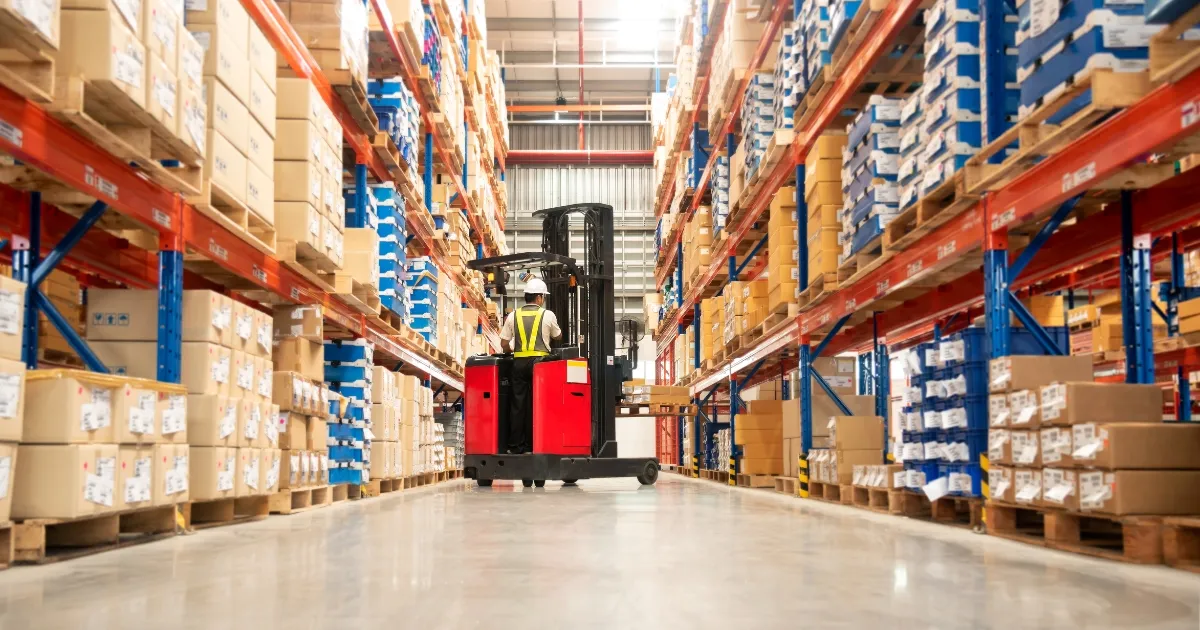
Forklifts, pallet jacks and foot traffic often move through the same warehouse areas, creating points where collisions and near-misses can occur. These risks increase when aisles are tight or visibility is limited, especially during peak activity.
Low-strength or unsuitable barriers can bend, fail or allow vehicles to enter protected zones. This leads to damage, safety incidents and workflow interruptions that affect daily operations.
Using barrier systems designed for high-traffic conditions helps reduce these risks. Strong materials, suitable rail configurations and correct installation improve separation and support safer movement across the warehouse.
High-Traffic Warehouse Challenges
Forklifts move through narrow aisles, turn near storage racks and operate alongside workers on foot. These mixed-use areas increase the chance of contact, especially where routes overlap or visibility is reduced.
Pallets, trolleys and large loads add to the risk by limiting sightlines. Sudden stops, reversing and tight manoeuvres create unpredictable moments where a vehicle can enter a pedestrian zone without warning.
Lightweight or rigid barriers often cannot manage these conditions. They may deform, wear quickly or fail to prevent vehicles crossing into protected areas. High-traffic warehouses need barrier systems built to absorb repeated impacts.
What Safety Barriers Do in Busy Warehouses
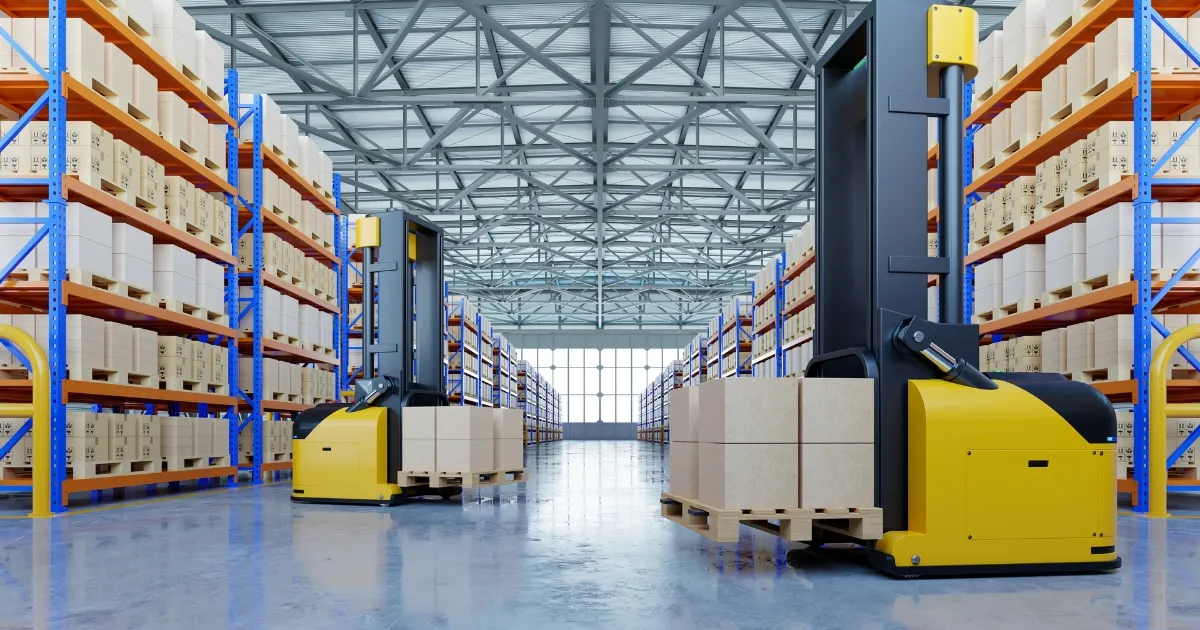
Safety barriers help keep forklifts and pedestrians in separate zones. This reduces the chance of a vehicle entering a walkway or a worker stepping into an active path. Clear separation supports predictable movement throughout the warehouse.
Barriers also protect racking, equipment and structural elements from impact. They absorb force from low- and mid-level contact, reducing damage that can affect operations or storage stability.
In addition, barriers guide traffic flow. Their placement shows workers which paths to follow and helps prevent unsafe shortcuts. Strong visibility and consistent layout support safer navigation across busy floor areas.
Barrier Height and Configuration Options
Barrier height plays a key role in protecting different areas of a warehouse. Systems around 700 mm suit equipment zones and help prevent pallet edges, tines and equipment from crossing into protected areas.
Barriers around 1000 mm are used for pedestrian routes. The added height provides clearer visibility and reduces the chance of a forklift contacting the upper section of a walkway. Handrail modules can be added where extra guidance or support is needed.
Dual-rail systems protect both lower and upper sections of the barrier line. This prevents low-angle impacts from breaching protected areas and improves safety in high-traffic sections.
Features That Define High-Quality Barriers
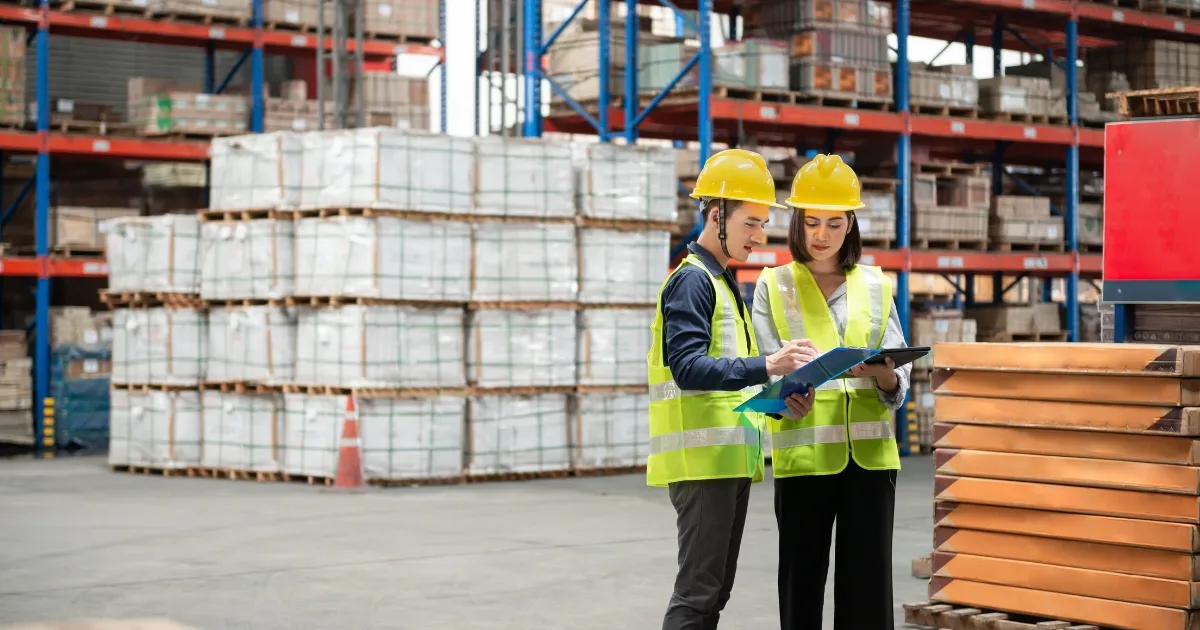
Durability is essential in high-traffic warehouses. Barriers built from heavy-duty steel or similar high-strength materials manage repeated impacts while maintaining structure.
Modular designs support easier installation and allow sections to be adjusted when warehouse layouts change. Flat-pack systems reduce downtime and help facilities adapt as operations grow.
Handrail options provide extra guidance for pedestrians where walkways sit beside active vehicle routes. These support safer access and clearer movement through busy areas.
Technical documentation, including spec sheets and installation guides, helps maintenance teams check each component correctly. Facilities sourcing warehouse safety products can also use these resources to compare impact ratings, component quality and layout options.
Strong warranty support indicates that the barrier system is designed for long-term use in demanding environments.
Designing Safe Traffic Flow
Planning warehouse movement helps determine where barriers are needed most. Mapping forklift lanes, loading zones and pedestrian areas highlights points where separation improves safety and reduces conflict.
Barriers work best when paired with visual cues. Floor markings, signage and lighting help guide movement and make routes clear during busy periods or low-visibility events.
Installation timing is also important. Barriers placed without considering turning room or load movement can create bottlenecks. Coordinating layout planning and installation helps maintain safe movement during setup.
Practical Barrier Applications
Barriers commonly separate walkways from forklift lanes. This setup protects workers moving across the warehouse and improves visibility between pedestrians and operators.
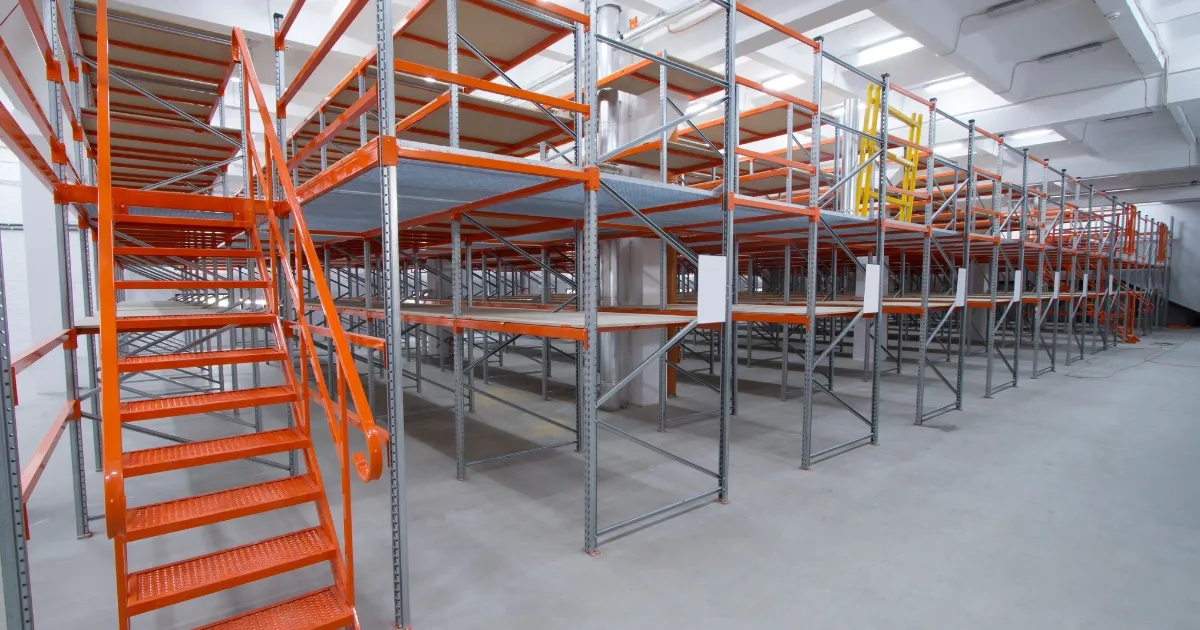
Mezzanine edges and elevated walkways need stronger systems with added height and reinforced posts. These help prevent falls and protect workers using upper-level areas.
Barriers also act as visual markers. Consistent placement helps workers identify restricted areas and understand where movement is allowed, supporting safer routines and clearer navigation.
During emergencies, barriers with handrails help guide staff toward exits, even when lighting or visibility is reduced.
Choosing the Right Barrier System
High-traffic warehouses need barrier systems that manage constant movement and repeated contact. The right system improves separation, supports clearer routes and helps reduce impact damage during daily operations.
Impact rating, height options and rail configuration are the main factors when selecting a barrier system. Modular designs support future layout changes and help the system adapt as operations evolve.
For facilities needing guidance on selecting a system suited to high-traffic conditions, Safety Barriers Sydney can assess site requirements and provide options that support safer warehouse operations.
FAQs
What factors determine where barriers should be installed?
Placement depends on movement patterns, blind spots, turning areas, storage density and how often pedestrians enter shared zones.
Are barriers required under Australian workplace standards?
WHS guidelines require controlling risks where pedestrians and vehicles interact. Barriers are a common control method used to meet these requirements.
Can barrier layouts change as operations grow?
Yes. Modular systems can be adjusted as workflow, storage or vehicle movement changes.
Which materials last longest in warehouse environments?
Heavy-duty steel provides strong durability for repeated contact zones. Polymer sections may be used in low-impact areas.
Do barriers affect forklift turning space?
Yes. Layout planning must account for turning angles to prevent tight corners or blocked access.
How do barriers improve visibility?
Bright colours, reflective strips and consistent placement help workers identify restricted areas quickly, even in low-light conditions.