
1 December 2023 · filed in Safety Update
Safety Barriers in the Food Industry to Ensure Safety
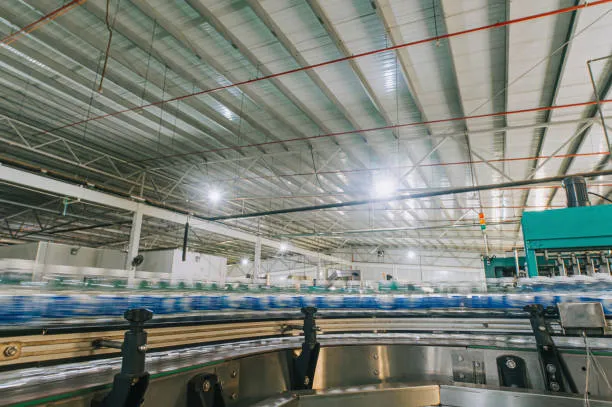
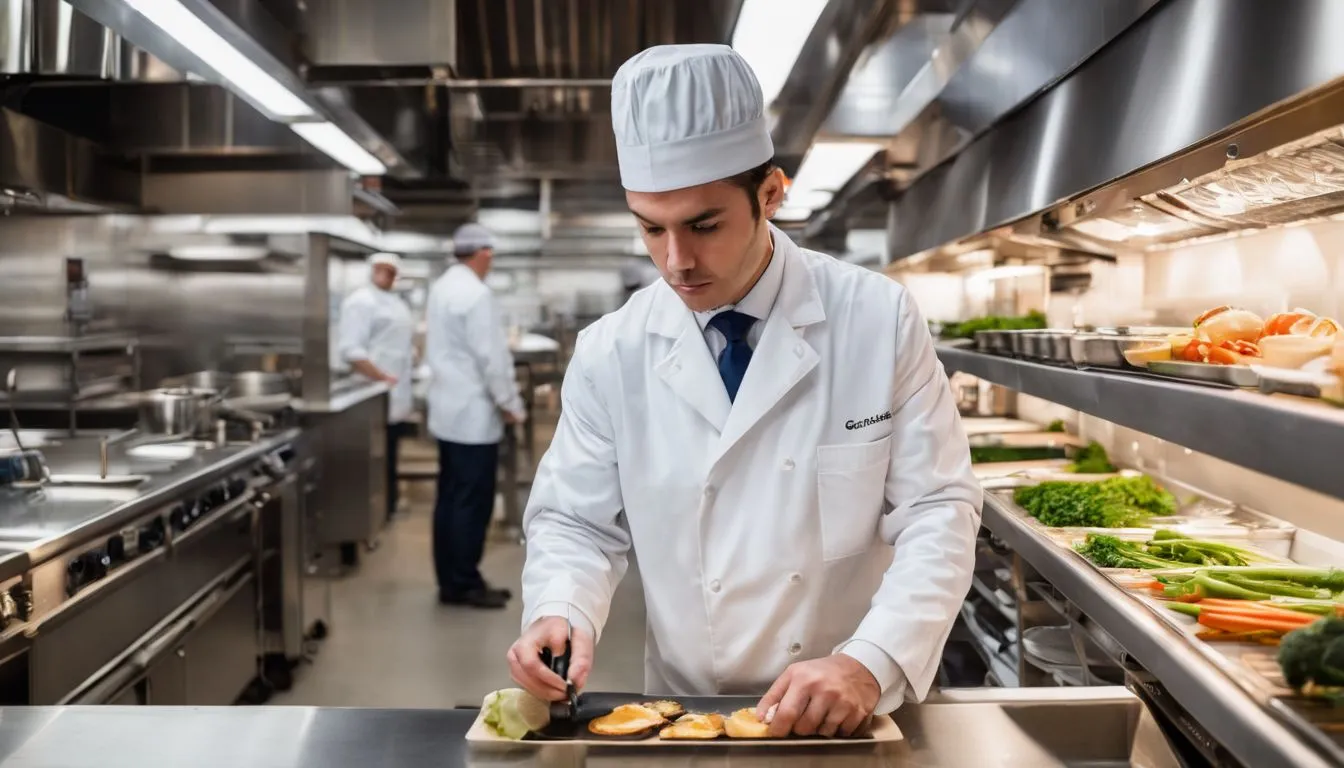
Ensuring food safety in the industry is a lot like building a fortress against hazards that can harm our health. It’s all about setting up safety barriers, invisible walls of protection, to keep our meals safe from contamination and illness. We spend time teaching staff the right way to handle food, making sure they remember every step. Our kitchens become classrooms where learning never stops, with pictures and activities helping everyone understand how to avoid risks.
Our rules for food safety are strict; we always stay on top of the latest guidelines so that we can trust every plate served is as safe as it should be. To make sure nothing slips by us, we regularly check over everything, from fridges keeping things cool to cooks washing hands just right, and write down what we see to help maintain high standards. We also gear up for battle against germs with all sorts of tools: utensils sorted by colour so no mistakes happen, guards stopping sneezes in their tracks at buffets, and special wearables designed purely for kitchen heroes.
Even when new faces join our team or others move on, we keep talking and sharing feedback so that good habits stick around for good. Every bite matters in this quest for wellbeing through wholesome food practices. Keep reading as we slice through each detail!
Barriers to Practising Food Safety
Implementing proper food safety measures can be challenging due to various barriers such as time and money investment, language and cultural differences, education and literacy challenges, employee awareness and training, supplier issues, high-risk customers, and high turnover of staff.
These barriers can hinder the effective implementation of food safety protocols in the industry.
Time and money investment
We understand that investing in safety measures, such as protective barriers and sanitation protocols, can seem costly at first. Setting up quality control systems and ensuring food hygiene standards are met requires both time and financial resources.
But let’s look at the bigger picture, these investments significantly reduce the risks of food contamination and protect our customers from foodborne illnesses.
Adopting hazard analysis methods will allow us to pinpoint where we can improve in terms of food storage, preparation, and handling controls. It’s not just about spending money; it’s about channelling funds into effective risk management strategies that safeguard our reputation and bottom line.
Now it’s crucial to consider how language and cultural differences impact our team’s ability to maintain safe food practices during service.
Language and cultural barriers
Language and cultural barriers can create communication challenges in the workplace. It’s important to ensure that all employees, regardless of their native language or cultural background, understand and follow food safety protocols.
Providing multilingual training materials and using visual aids can help bridge these gaps. Additionally, regular team meetings and open discussions about different cultural practices can foster a more inclusive work environment, improving overall understanding and compliance with food safety standards.
Clear communication is vital for maintaining a safe food handling environment; hence, it’s crucial to address any language or cultural barriers that may hinder effective communication within the workplace.
Education and literacy challenges
To address education and literacy challenges, we provide clear and simplified training materials. We use visual aids and hands-on demonstrations to ensure comprehension among all staff members.
Additionally, we conduct regular assessments to gauge the understanding of food safety protocols.
Ensuring that all employees comprehend food safety measures is crucial for maintaining customer safety and adhering to regulations. By implementing straightforward training methods, we empower our team to uphold the highest standards of food safety in our establishment.
Employee awareness and training
To ensure a safe work environment, we prioritise employee awareness and training. We conduct regular training sessions to educate our staff on the latest food safety protocols, contamination prevention techniques, and workplace safety procedures.
Our goal is to empower our employees with the knowledge they need to handle food safely and prevent foodborne illnesses. By investing in ongoing education and training, we not only protect our customers but also safeguard our business from potential risks associated with non-compliance.
In addition to structured training programmes, we actively encourage open communication about safety practices among all staff members. This approach fosters a culture of accountability where everyone feels responsible for upholding the highest standards of food safety.
Supplier issues
Supplier issues can pose significant challenges to food safety in the industry. Ensuring that suppliers adhere to strict food safety regulations and maintain hygiene standards is crucial for preventing contamination and upholding the quality of ingredients.
Regular communication, audits, and sourcing from reliable suppliers who prioritise safety measures are essential for mitigating these issues.
Establishing strong relationships with suppliers enables us to promote a shared commitment to food safety and hold them accountable for compliance. Open dialogues about safety protocols, regular training, and clear communication about expectations contribute to a culture of vigilance surrounding supplier practices, allowing us to maintain high standards across our supply chain.
High-risk customers
High-risk customers, such as those with weakened immune systems or allergies, require special attention when it comes to food safety. It’s crucial for businesses in the food industry to establish clear protocols for handling and serving food to these vulnerable customers.
Ensuring separate preparation areas, using designated utensils, and maintaining strict temperature controls can help prevent cross-contamination and reduce the risk of foodborne illnesses among high-risk customers.
Regular staff training on identifying high-risk individuals and implementing appropriate safety measures is essential in safeguarding their well-being.
Moreover, businesses must be diligent in communicating with high-risk customers about potential allergens or risks associated with certain menu items. Clear signage and informative materials can assist in raising awareness among this customer demographic.
High turnover of staff
High turnover of staff can impact food safety in various ways. When employees leave, it disrupts the established routines and knowledge base, leading to potential gaps in food safety practices.
Training new staff takes time and resources, which can affect the overall consistency and quality of food safety measures. Implementing regular training sessions, providing clear documentation, and fostering a positive work environment can help mitigate the effects of high turnover on food safety.
To combat high turnover’s impact on food safety, consistent communication is vital. Regular meetings to reinforce the importance of following protocols and procedures can help maintain a strong foundation for safe food handling practices.
Overcoming Safety Barriers in the Food Industry
Proper training and education, implementation of food safety protocols, regular inspections and audits, and the use of safety barriers and protective equipment are essential in ensuring food safety.
Read more about how these strategies can help overcome safety barriers in the food industry to ensure the highest level of safety for your business.
Proper training and education
Business Owners, ensuring proper training and education for your staff is vital in maintaining food safety standards. This can be achieved by:
- Conducting regular training sessions to educate employees about proper food handling controls.
- Providing resources such as manuals, videos, and visual aids to enhance understanding of food safety protocols.
- Utilising interactive training methods to actively engage employees in learning and retention of key food safety practices.
- Incorporating real – life scenarios and case studies during training sessions to demonstrate the impact of poor food safety measures.
- Encouraging continuous learning through refresher courses and updates on the latest food safety regulations.
Implementation of food safety protocols
To ensure food safety, it is crucial to implement proper food safety protocols. This can be achieved through the following measures:
- Regularly review and update food safety protocols to align with industry best practices and regulatory requirements.
- Train all staff members on the importance of adhering to food safety protocols, emphasising proper handling, storage, and hygiene practices.
- Establish clear procedures for monitoring and documenting adherence to food safety protocols at all stages of production and service.
- Designate a qualified individual responsible for overseeing the implementation and enforcement of food safety protocols.
- Invest in appropriate equipment and technology that supports the consistent application of food safety procedures.
- Foster a culture of accountability and continuous improvement by encouraging feedback, reporting, and addressing potential non-compliance issues promptly.
Regular inspections and audits
Regular inspections and audits play a vital role in ensuring food safety standards. They help in identifying potential hazards and ensuring that safety protocols are being followed. During inspections and audits:
- The cleanliness of utensils and work surfaces should be thoroughly checked to prevent cross – contamination.
- Temperature control measures need to be inspected to avoid the risk of foodborne illnesses.
- The storage and handling of food products should adhere to the required safety standards to prevent contamination.
- Employees’ adherence to proper hygiene practices must be observed and corrected if necessary.
- Documentation and record – keeping should be reviewed for accuracy and completeness, ensuring compliance with regulations.
Use of safety barriers and protective equipment
To ensure food safety in the industry, businesses can greatly benefit from implementing safety barriers and protective equipment. This step is crucial to prevent contamination and ensure the well-being of consumers and employees alike. Here are some essential strategies for using safety barriers and protective equipment:
- Proper handwashing facilities should be easily accessible throughout the workspace, with clear signage promoting regular use.
- Using colour-coded utensils and cutting boards for different food types can prevent cross-contamination.
- Implementing temperature control measures, such as refrigeration and heating systems, to maintain safe storage conditions for food products.
- Installing physical barriers like sneeze guards at serving areas to protect food from potential contaminants.
- Equipping staff with personal protective gear including gloves, aprons, and hair nets to minimise direct contact and airborne exposure.

Conclusion
Implementing safety barriers in the food industry is crucial for ensuring food safety. Regular inspections and audits play a vital role in maintaining high standards of hygiene. Proper training and education are essential to equip staff with the necessary skills and knowledge. Protective equipment should be utilised to prevent cross-contamination and ensure temperature control.
Safety barriers are indispensable components for food industry operations. These systems offer a significant contribution toward ensuring your work environment is secure. Reach out to Verge Safety Barriers for all your safety solutions. These practical strategies have a significant impact on preventing foodborne illnesses while promoting efficiency and success within the industry. Take action by applying these methods today to safeguard your business against potential risks.