
2 March 2024 · filed in Product Highlight
Safety in Sight: Adapting Safety Barrier Measures in Production Areas
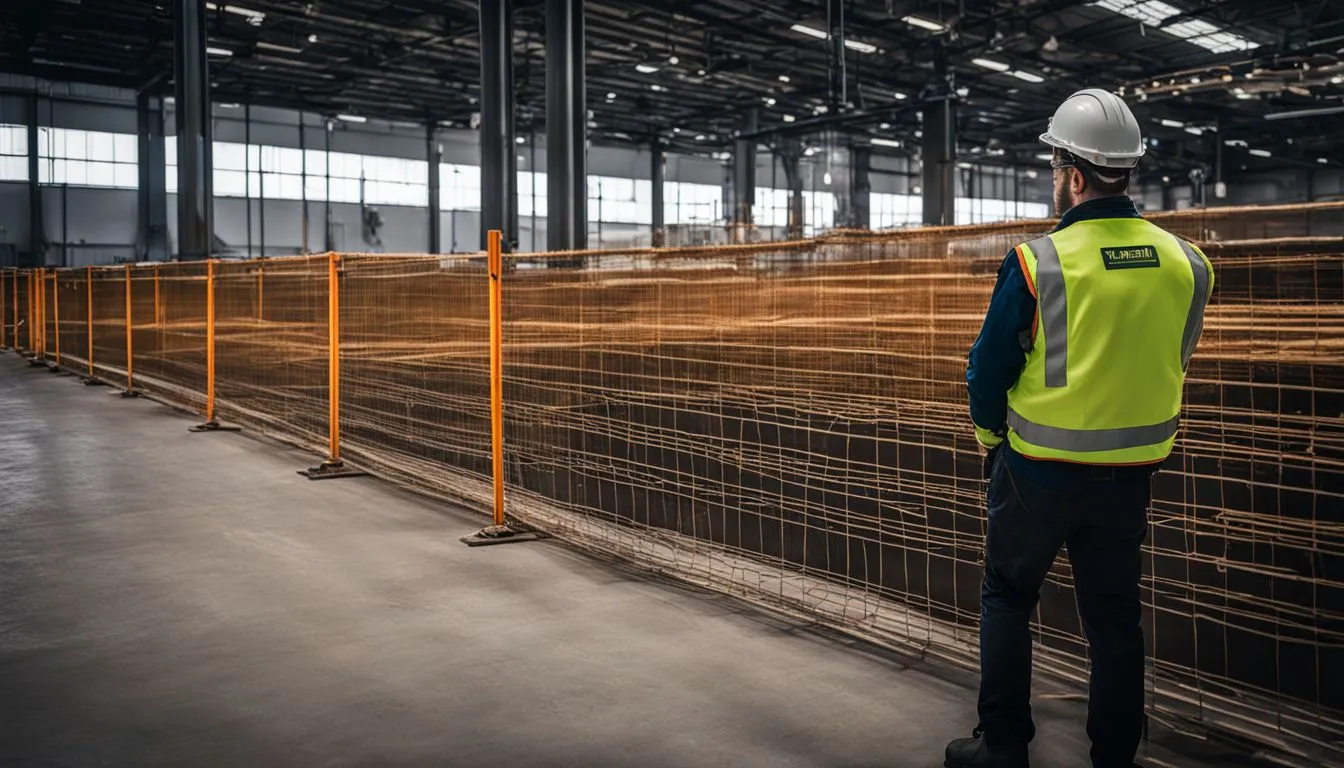
Many businesses find keeping their production zones safe to be a real battle. We’re no strangers to this tussle ourselves and were gobsmacked to learn that over 2 million work-related injuries are reported globally each year.
Our piece is like a mate giving you a heads up, offering tried-and-true advice on beefing up your safety barrier measures. We’ve done our homework, digging deep into research to help make your workplace safer.
Buckle up for some insights that’ll surely give you a fresh perspective on safeguarding your production space.
Understanding Safety Barriers
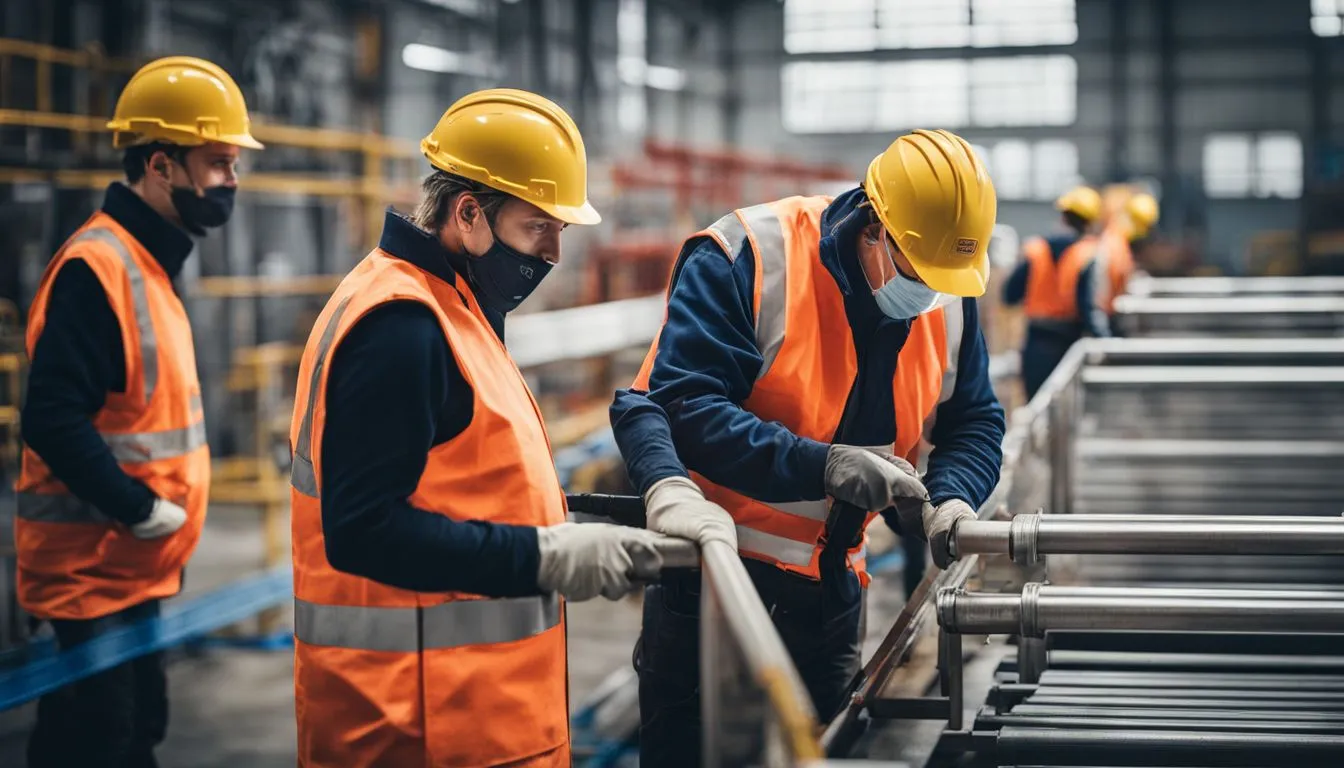
Understanding Safety Barriers involves the use of physical and non-physical measures. Physical barriers like guardrails provide protection, while non-physical ones, such as signage and lighting, enhance safety in production areas.
Physical Barriers
We use physical barriers in our production areas to ensure safety and maintain a hazard-free environment for our employees. These include guardrails, safety fencing, and crash barriers that prevent accidents and protect workers from potential dangers.
By integrating these protective measures into our workplace, we create a safer space where productivity can flourish without the constant worry of injury.
Employing industrial barriers like traffic barriers and pedestrian safety measures also helps manage the flow inside the facility. This minimises risks associated with vehicle movements around heavy machinery or hazardous materials storage areas.
Next up, we’ll discuss non-physical barriers and how they complement these physical structures to enhance overall safety.
Non-Physical Barriers
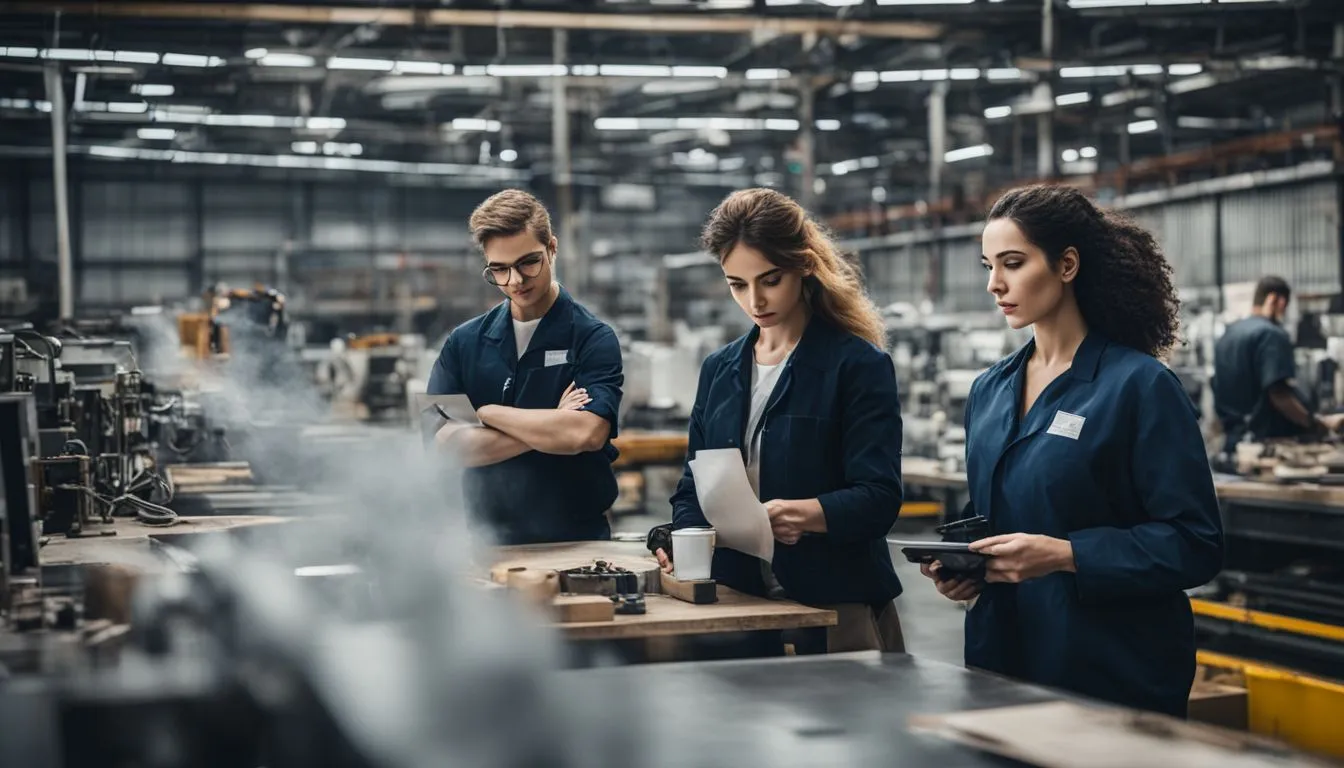
Shifting focus from physical barriers, we explore the equally crucial non-physical barriers in safety management and hazard prevention. These encompass strategies like safety protocols, occupational health guidelines, and risk management plans that play a pivotal role in maintaining workplace safety without relying on tangible structures.
Through rigorous safety standards and effective hazard control measures, we ensure a secure environment for our team members and assets within production facilities.
Implementing comprehensive safety regulations helps us address potential risks proactively rather than reactively dealing with accidents or incidents after they occur. Our approach involves regular training sessions to educate employees about the importance of following these protocols diligently.
By fostering a culture of awareness and responsibility towards workplace safety, we enhance not just individual well-being but also overall production efficiency and business resilience against unforeseen challenges.
Natural Barriers
Natural barriers serve as effective protective measures in production areas, offering a unique blend of safety and environmental harmony. Plants, trees, and geographical features like hills create boundaries that can deter unauthorised access while promoting biodiversity.
These elements act as living fences, enhancing workplace safety by reducing pollution and providing natural shade which contributes to the well-being of employees.
We integrate these eco-friendly solutions into our safety management strategies to ensure occupational health is maintained alongside hazard control. By doing so, we align our practices with sustainability goals without compromising on risk management or safety standards in production facilities.
This approach not only supports the preservation of local ecosystems but also fosters a safer and more inviting work environment for everyone involved.
The Role of Safety Barriers in Production Areas
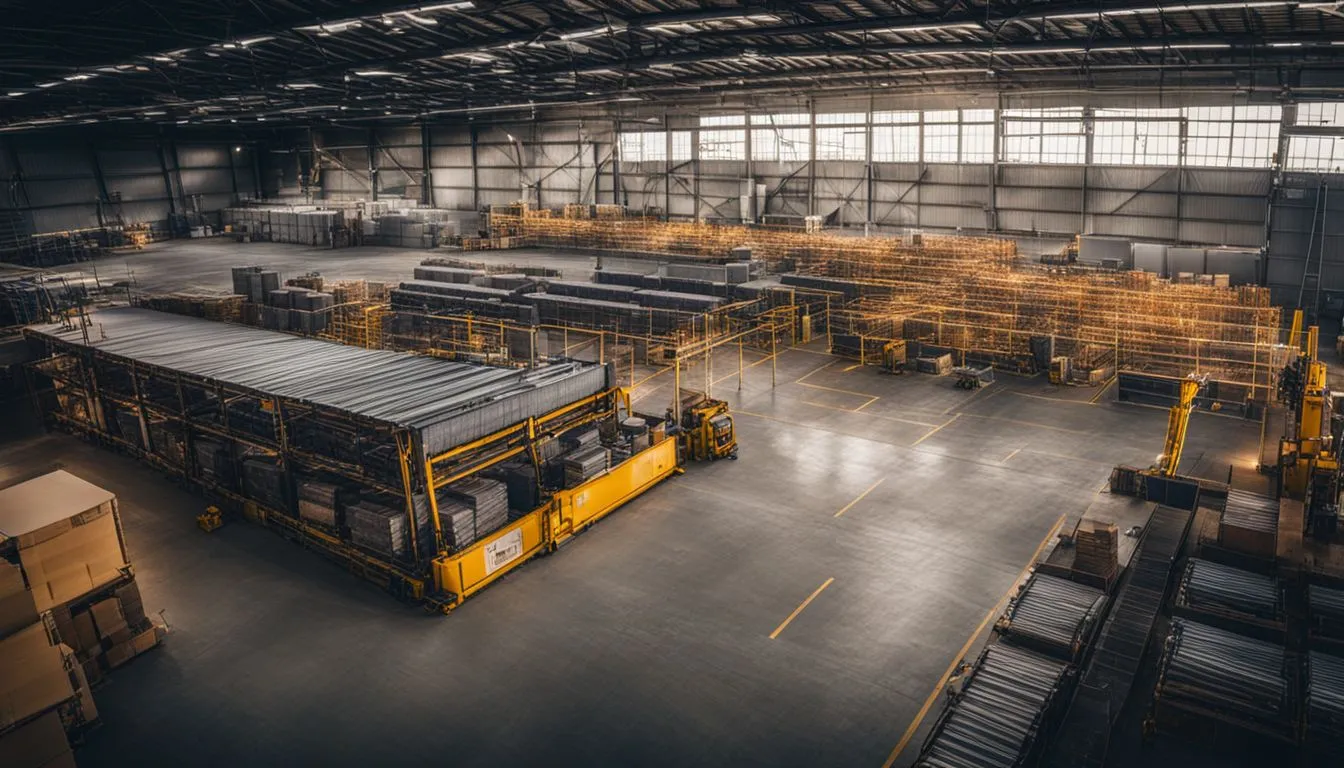
Safety barriers play a crucial part in maintaining workplace safety within production facilities. These protective measures serve as the first line of defence against potential hazards, effectively separating workers from areas where risks are present.
By installing traffic barriers and guardrails around machinery or hazardous zones, we ensure that employees have a clear understanding of safe zones versus danger zones. This separation not only helps in hazard control but also boosts the confidence of our team members, knowing their well-being is prioritised.
In addition to protecting personnel, these industrial barriers play a significant role in safeguarding machinery and essential equipment from accidental collisions. Whether it’s forklift traffic within warehouses or the movement of goods across various sections, setting up barrier systems can prevent costly damages to assets and reduce downtime resulting from incidents.
Our commitment extends beyond just compliance with safety standards; it encompasses an active approach towards risk management and creating a culture where occupational health is front and centre in our daily operations.
Principles for Effective Safety Barriers
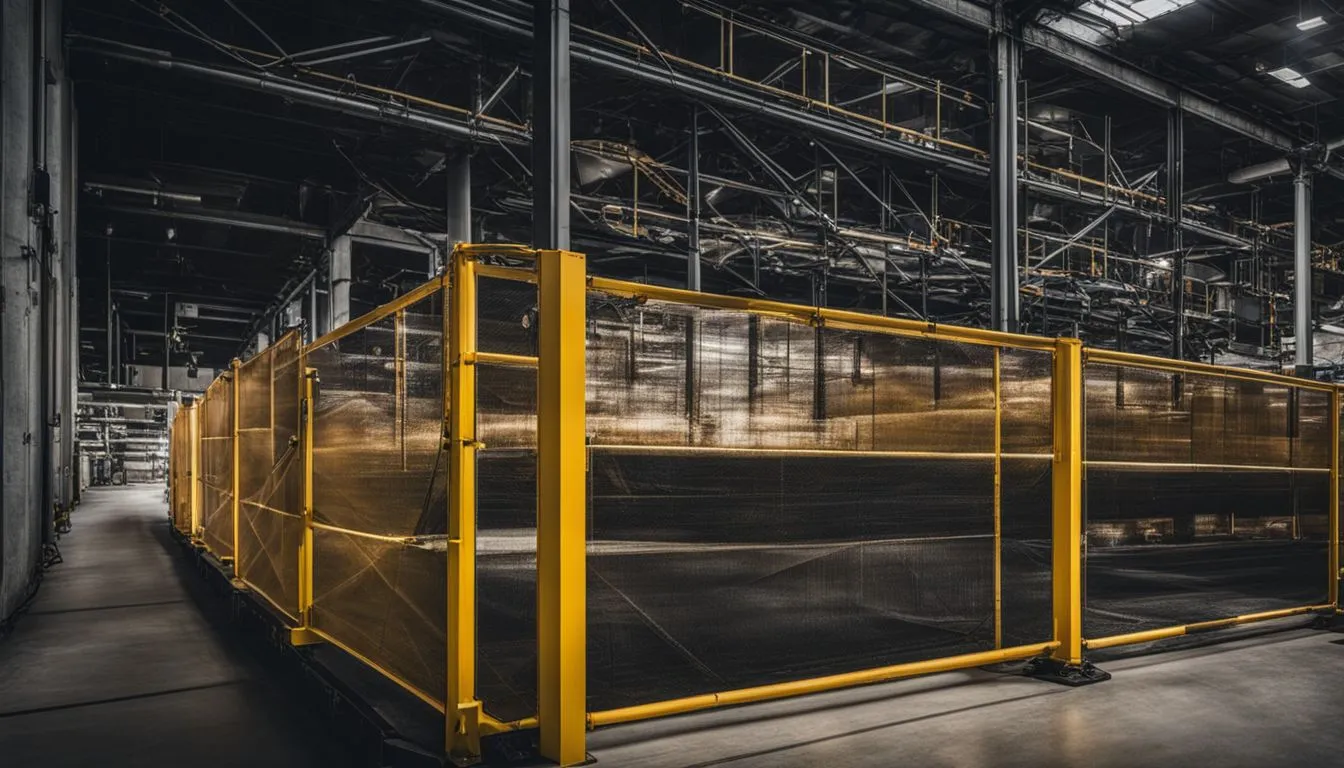
When it comes to effective safety barriers, visibility, durability, and flexibility play a vital role in enhancing workplace safety. To explore more about these crucial principles, dive into the blog content.
Visibility
We prioritise visibility in our safety barriers to ensure they are easily seen by workers and machinery operators in production areas. Bright colours, reflective materials, and appropriate positioning make these barriers stand out, significantly reducing the risk of accidents and improving workplace safety.
Properly visible barriers serve as constant reminders to personnel about hazardous zones, guiding traffic safely around potentially dangerous areas.
Incorporating advanced lighting or LED systems into barrier designs can further enhance their visibility during low light conditions or night shifts. This approach not only boosts safety in sight but also aligns with modern safety management practices within industrial settings.
By making sure our barriers cannot be missed, we create a safer environment for everyone involved in the production facility.
Durability and Strength
Safety barriers in production areas must withstand heavy use and harsh conditions. They provide critical protection for workers by preventing accidents and controlling hazards. Ensuring these barriers are durable means they can resist wear, tear, and damage over time.
This requires selecting materials known for their strength and reliability. Metals like steel often get chosen for their ability to endure significant impact without compromising structural integrity.
By focusing on durability and strength, we ensure our workplace safety measures remain effective long-term. This approach helps minimise maintenance needs while maximising the lifespan of each barrier system implemented within our facilities.
Next, we’ll explore the importance of flexibility and adaptability in safety barriers.
Flexibility and Adaptability
We understand the importance of incorporating flexibility and adaptability into safety barrier systems within production areas. Our teams ensure these barriers can quickly adjust to changes in the workplace environment, ranging from spatial reconfigurations to workflow alterations.
This capability supports efficient hazard control and risk management without compromising occupational health or production facility operations.
Our approach involves leveraging innovative barrier system designs that accommodate various industrial safety needs. These include easily movable guards and modular fences that can be rapidly deployed or retracted, catering to the dynamic nature of industrial activities.
By prioritising this adaptability, we help business owners maintain high safety standards amidst evolving operational demands.
Innovations and Trends in Safety Barriers
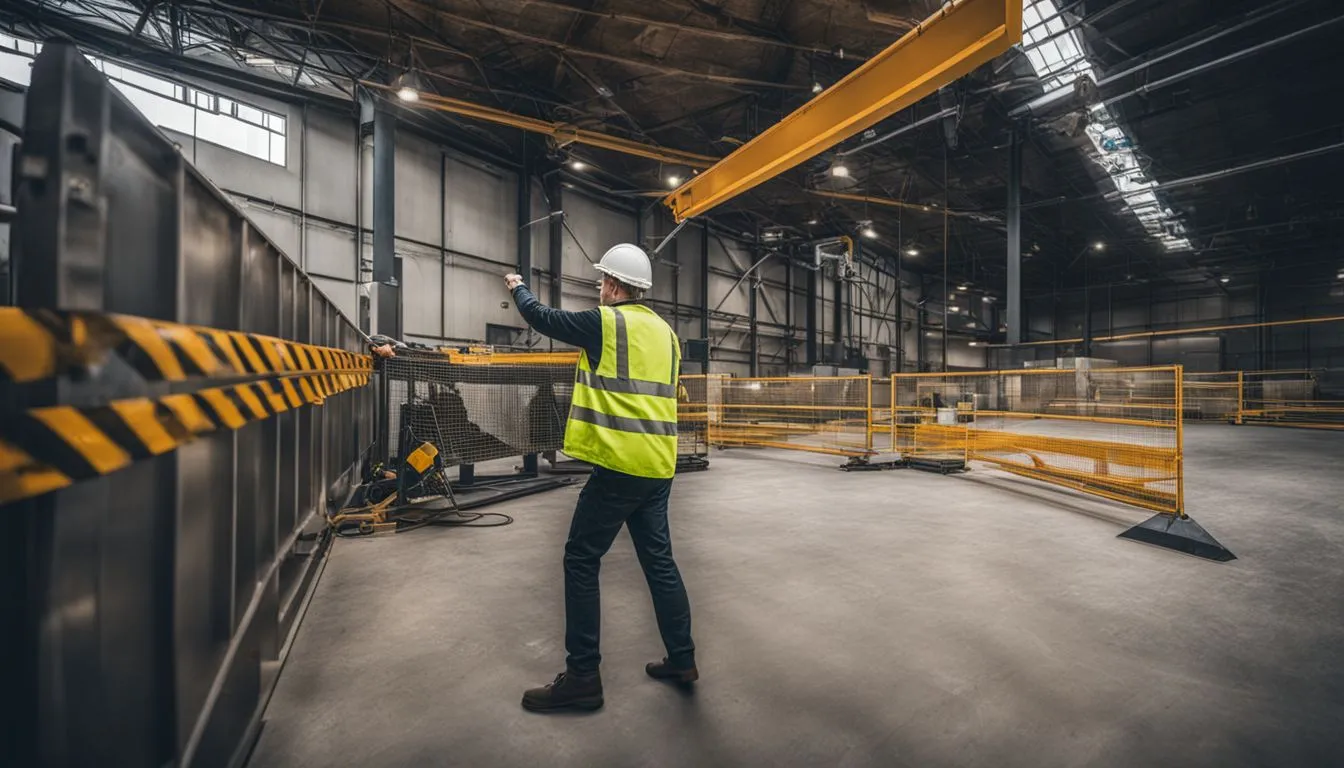
As part of the outlines, Innovations and Trends in Safety Barriers are constantly shaping workplace safety. Advanced smart barrier systems are revolutionising hazard prevention, while environmentally friendly materials contribute to sustainable safety measures.
Smart Barrier Systems
Smart barrier systems play a crucial role in enhancing safety and security within production areas. These advanced systems are designed to integrate cutting-edge technology with traditional barriers, providing real-time monitoring, automatic notifications, and remote control features.
Businesses can benefit from these systems by gaining better insights into potential hazards, optimising traffic flow, and ensuring overall workplace safety. Smart barrier systems are equipped with sensors that detect approaching vehicles or pedestrians, allowing for immediate response and preventing accidents.
These innovations align with modern safety protocols while addressing the ever-evolving challenges faced in production facilities.
By incorporating smart barrier systems into your workplace, you can proactively manage risks and establish a robust safety infrastructure. The integration of intelligent technology not only enhances visibility but also enables proactive maintenance through predictive analytics and data-driven insights.
This ensures that businesses stay responsive to emerging safety concerns while aligning with regulatory requirements for workplace protection measures.
Environmentally Friendly Materials
When it comes to sustainability, choosing environmentally friendly materials for safety barriers is crucial. Incorporating materials such as recycled plastic, sustainable timber, or bio-based composites not only enhances the eco-friendliness of your production area but also showcases your commitment to environmental stewardship.
These materials are durable and can withstand harsh industrial conditions while reducing the carbon footprint of your operations. Making the switch to environmentally friendly materials aligns with modern safety standards and promotes a greener approach to workplace safety.
Next up: Aesthetics and Safety
Aesthetics and Safety
Safety barriers have traditionally been associated with practicality rather than appearance. However, the emergence of aesthetically pleasing barrier designs has redefined the concept of safety in production areas.
Combining functionality with visual appeal, modern safety barriers are designed to seamlessly integrate into the workplace environment while providing robust protection against hazards.
Businesses can now enhance their premises with eye-catching and sleek barrier systems that not only ensure safety but also contribute to a more visually appealing workspace.
Innovative materials and design approaches have allowed businesses to tailor their safety solutions to suit specific aesthetic requirements without compromising on protective capabilities.
Maintenance and Inspection of Safety Barriers in Production Areas
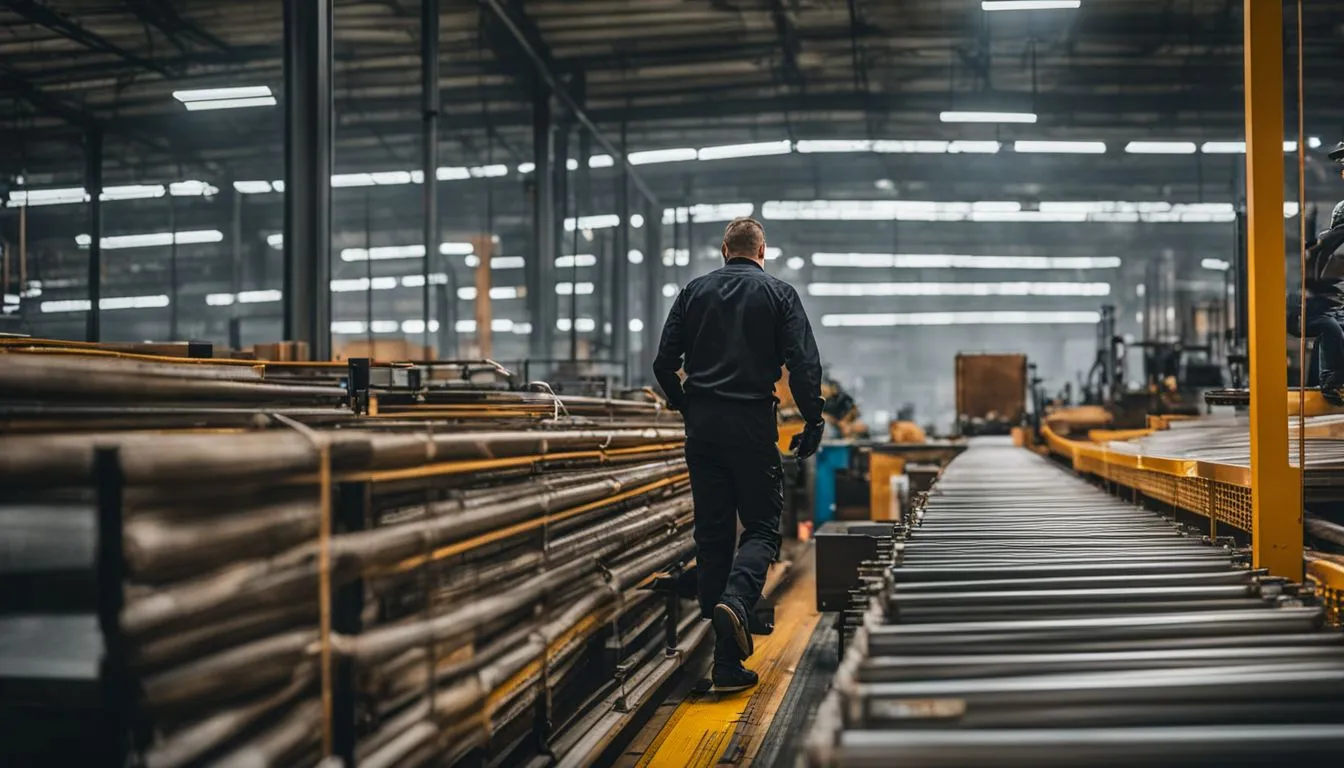
Regularly checking and reporting on safety barriers keeps hazards at bay, while wear and tear are promptly addressed. Upgrades and replacements ensure ongoing protection for production areas.
Regular Checkups and Reporting
Regular checkups and reporting are crucial for maintaining the effectiveness of safety barriers in production areas. These activities ensure that potential risks and damages are promptly identified and addressed, contributing to a safer work environment. Here are the key elements to consider:
- Conduct scheduled checkups at predefined intervals to assess the condition of safety barriers and identify any signs of wear or damage.
- Implement an effective reporting system that encourages employees to report any observed issues or concerns with safety barriers promptly.
- Document all inspections and reports, maintaining a comprehensive record of barrier maintenance and ensuring accountability.
- Regularly review reported issues and take prompt action to address them, minimising the likelihood of accidents resulting from damaged or ineffective safety barriers.
- Train personnel responsible for inspections and reporting on best practices and protocols, ensuring thoroughness and accuracy in their assessments.
- Utilise technology where applicable, such as mobile reporting apps or digital monitoring systems, to streamline the checkup and reporting processes.
Addressing Wear and Tear
Transitioning from regular checkups and reporting, we must ensure that addressing wear and tear of safety barriers remains a top priority. Regular inspections are vital to identifying any signs of deterioration or damage.
As part of our commitment to workplace safety, we need to promptly repair or replace any worn-out or damaged components to maintain the effectiveness of the safety barrier system. This proactive approach will help prevent accidents and uphold safety standards in our production areas.
Regular assessments are crucial for ensuring that safety barriers continue to provide the necessary protection for our workforce and assets.
Upgrades and Replacements
When considering upgrades and replacements for safety barriers in production areas, it is crucial to regularly evaluate the condition of existing barriers. We should prioritise replacing or upgrading safety barriers that show signs of wear and tear or damage.
Upgrading with newer, more durable materials can enhance the overall safety measures within the production facility and ensure compliance with evolving safety standards.
Ensuring that all safety barriers are routinely inspected will help us identify any potential hazards and address them promptly. Implementing upgrades where necessary will contribute to maintaining a safe working environment for employees, visitors, and assets within the production area.
Next, let’s focus on guard power column protectors to further safeguard our facilities.
Special Focus: Guarding Your Assets with Power Column Protectors
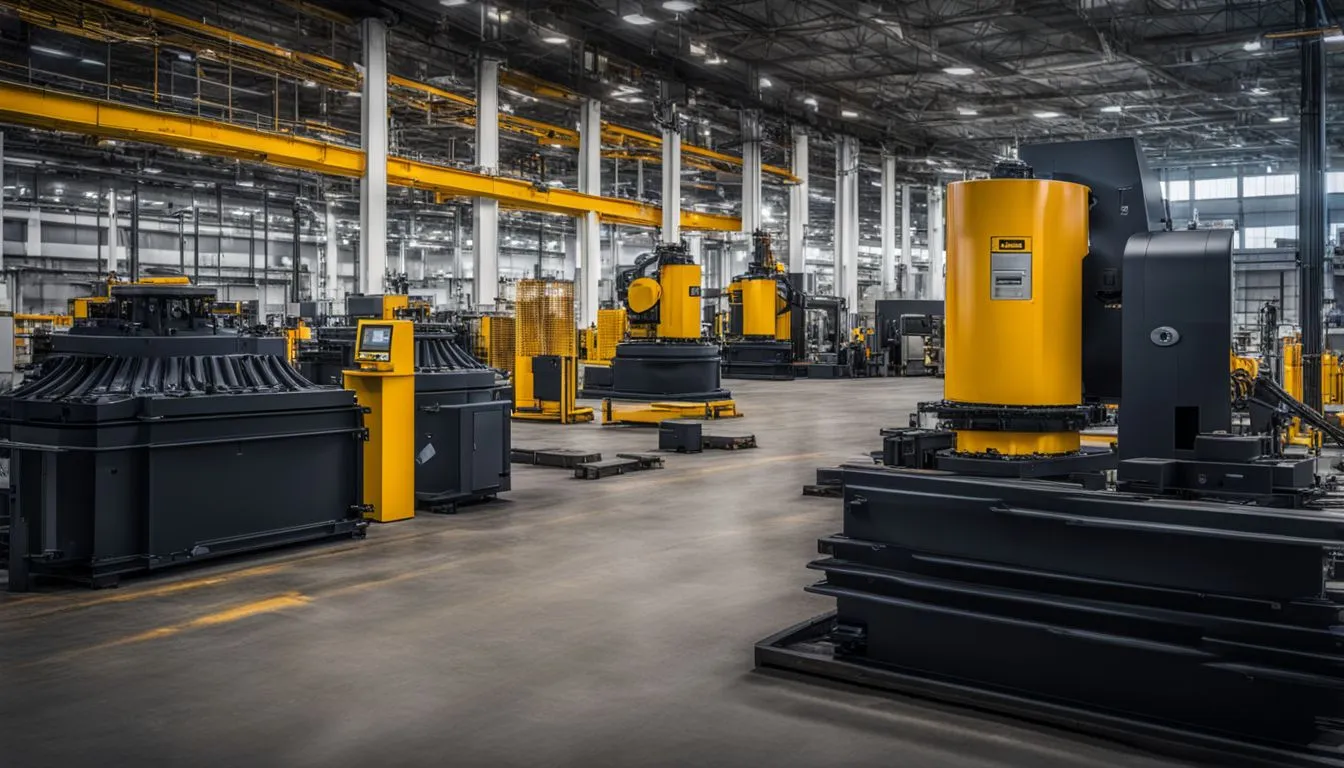
Protect your valuable assets in production areas with power column protectors. These heavy-duty barriers effectively shield columns, beams, and equipment from accidental impact by forklifts, vehicles, or other machinery.
They are designed to absorb and deflect impacts, preventing costly damage and downtime.
Power column protectors provide a robust defence against potential hazards, ensuring the integrity of your facility while prioritising safety standards. With their durable construction and high-visibility design, they offer peace of mind by safeguarding critical structures within your workspace.
Continue reading about enhancing safety measures with innovative barrier systems in production areas.
Conclusion
By summarising the essential strategies and practical tips discussed in this article, businesses can confidently implement efficient safety barrier measures in production areas. How might you apply these insights to enhance workplace safety? Emphasise the significance of prioritising occupational health and hazard control to ensure lasting improvements.
Continue exploring additional resources or services for further guidance on adapting protective measures within production facilities. Remember, taking proactive steps towards ensuring safety underpins long-term success and risk management in industrial settings.
For further insights into how Power Column Protectors can enhance the safety of your production areas, visit Verge Safety Barriers.