
12 April 2024 · filed in Safety Update
Safety On The Menu: Addressing Challenges In The Food Industry
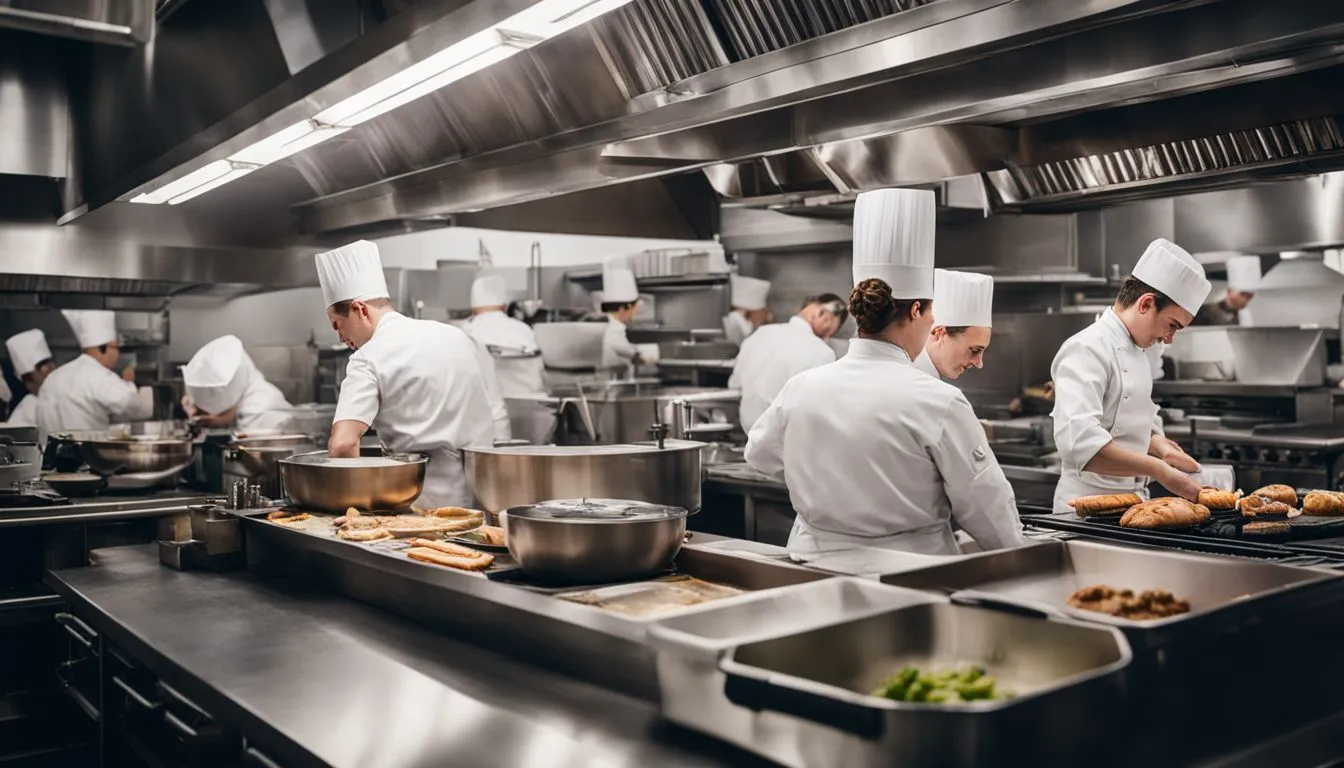
Navigating the food industry’s safety standards can feel a bit like balancing on a tightrope, and mate, we know all too well what it’s like scouring for answers to keep everything above board.
Our dive into the nitty-gritty of research has uncovered some ripper strategies for facing those lingering safety challenges straight on. Buckle up, it’s time to transform those hurdles into stepping stones!
Identifying Common Problems in the Food Industry
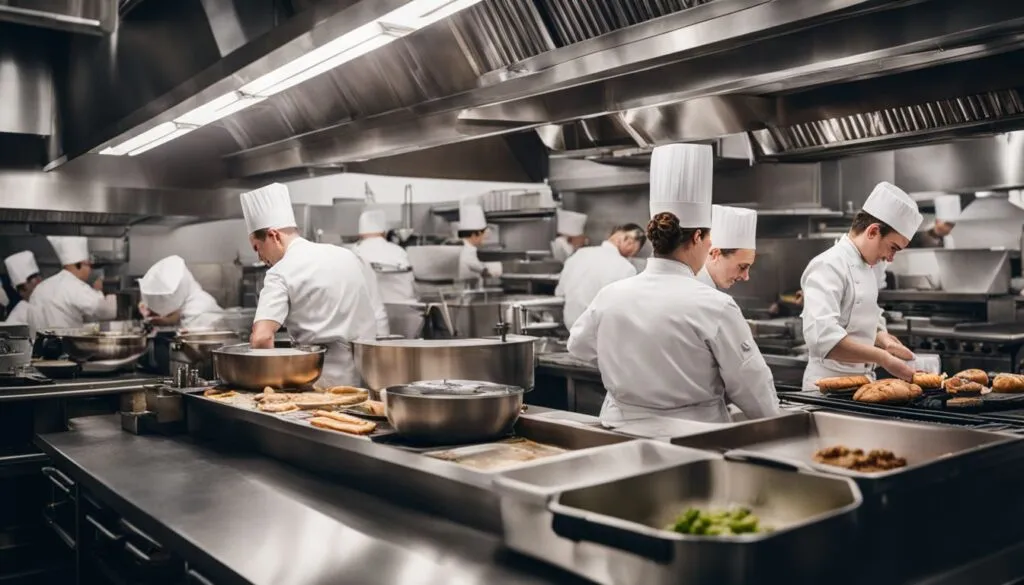
Identifying issues in the food industry is crucial for improving safety standards. From operational difficulties to staff retention, these challenges must be addressed swiftly and effectively.
Unique Selling Point (USP) Challenges
Standing out in the food service industry requires more than just tasty dishes; it’s about carving a niche that attracts and retains customers. We know all too well how tricky it can be to pin down what makes us different from the cafe down the street or the new bistro opening around the corner.
It’s like trying to nail jelly to a wall, messy and almost impossible without making a bit of a spectacle.
We often think we’ve hit gold with an idea, only to find others are already serving up something similar. The quest for fresh, unique aspects in our services or products can feel like searching for a needle in a haystack – laborious and sometimes downright discouraging.
Yet, this pursuit pushes us toward innovation, encouraging creativity that not only sets us apart but also elevates our standards of quality control and hygiene practices in ways that truly matter to our clientele.
Operational Difficulties
Navigating from the challenge of standing out with a USP, we steer into the sometimes choppy waters of operational difficulties. Managing day-to-day tasks while sticking to food safety protocols can feel like juggling on a tightrope.
Keeping an eye on every aspect of operations, from cooking and storage to cleaning and staff training, demands constant vigilance.
We’re all too familiar with how quickly things can go south if hygiene issues in the food industry aren’t handled proactively. Controlling risks in food service doesn’t just stop at implementing hazard analysis or risk management strategies; it’s about building a culture where quality control is everyone’s business.
In our journey towards maintaining impeccable sanitation practices, ensuring that every team member understands their role in workplace safety within the food industry becomes crucial.
Staff Retention Issues
Holding onto our staff in the food industry feels a bit like juggling knives – tricky and sometimes hazardous. Workers often hop from one job to another, searching for better pay, working conditions, or simply a change of scenery.
We’re constantly on our toes, trying to keep our best chefs and servers happy while also running a smooth kitchen.
Creating an environment where everyone feels valued is essential. It involves listening to their concerns, recognising their hard work, and offering training opportunities for growth.
After all, a happy team means happy customers. Now, shifting gears towards the critical topic of food safety….
The Paramount Importance of Food Safety
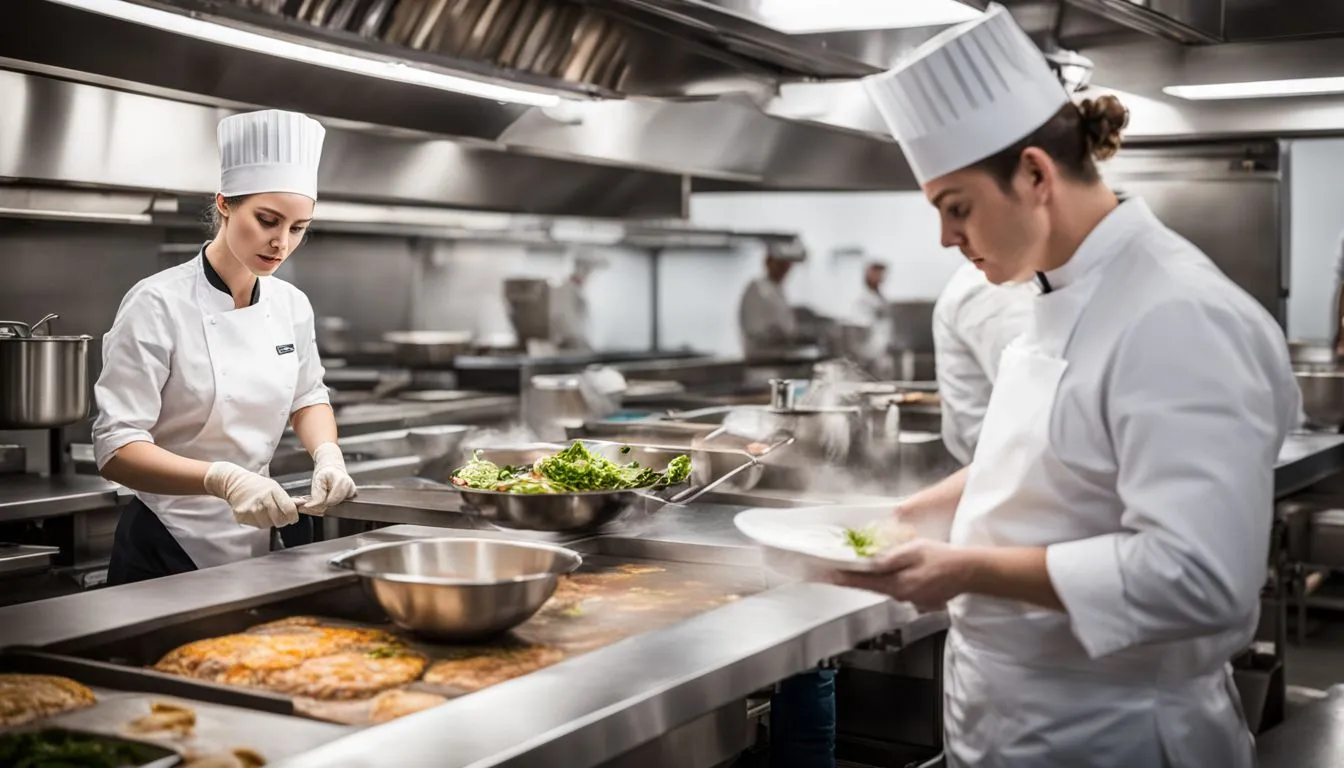
Ensuring food safety is paramount in the food industry to prevent contamination and safeguard public health. Hazards must be identified, and strict risk control measures implemented to maintain high standards of hygiene and quality.
Hazards and Risk Control Measures
Safety on the menu isn’t just a catchy phrase; it’s our battle cry in the food industry. We juggle fire (quite literally, in some kitchens) to meet health regulations while keeping an eye out for any slip-ups that could lead to trouble. So let’s chat about hazards and how we tackle them head-on, shall we?
- Cross-contamination: It’s like inviting germs to a party where they’re not welcome. Our strategy involves colour-coded cutting boards and strict handwashing protocols to give contaminants the cold shoulder.
- Poor personal hygiene: This one’s a bit awkward, but necessary. We’ve all had that chat with a team member about “freshening up.” Implementing mandatory training sessions on hygiene practices ensures everyone’s on the same page, and smelling fine.
- Equipment mishaps: Ever had a fryer throw a tantrum? Regular maintenance checks are our secret weapon here, making sure our gear behaves so we can avoid unexpected fireworks.
- Temperature abuse: Bacteria love a warm environment as much as we love a sunny day at the beach. But here, it’s all about keeping hot foods hot and cold foods cold with rigorous monitoring using digital thermometers.
- Chemical contamination: Cleaning supplies should clean up messes, not create new ones by mingling with food. Storage solutions that keep chemicals away from food prep areas are key to avoiding this hazardous mix-up.
- Allergen management: Navigating allergens is like defusing a bomb for someone with food allergies. Detailed labelling and separate prep areas help us avoid cross-contact and keep our customers safe and happy.
- Tagging along with traceability woes: Knowing where ingredients come from can be as tricky as finding where socks go in the laundry room. Yet, investing in traceability software turns us into detectives who can trace every leaf of lettuce back to its field.
- Workplace safety slips-and-falls: A slippery floor is an invitation for an unplanned dance move that could end in disaster. Anti-slip mats and good old-fashioned ‘wet floor’ signs are our trusty guardians against workplace tumbles.
Tackling these challenges might seem like herding cats at times, but with solid risk management strategies and a pinch of humour, we make sure safety always stays on the menu in the bustling world of food service industry risks and rewards.
Importance of Traceability and Monitoring
Tackling hazards and implementing risk control measures leads us straight into the crucial role of traceability and monitoring in the food industry. It’s like having a map and compass while trekking through unknown territory; you need to know where you started, where you’re at, and how to find your way back if things go south.
Traceability allows us to trace every ingredient’s journey from farm to fork. Monitoring ensures that at each step of this journey, safety protocols are not just met but exceeded.
Keeping tabs on our supply chain isn’t as glamorous as creating mouth-watering dishes, but it’s what keeps our kitchens running smoothly and safely. Think of it as keeping score in a game where cutting corners can lead directly to health risks or compliance issues.
We constantly monitor conditions from sourcing ingredients right through to serving them up, ensuring everything meets the highest standards for hygiene and quality control. This relentless vigilance helps us tackle challenges head-on before they become full-blown crises, safeguarding not only our patrons’ well-being but also our reputation in this ever-competitive industry.
Addressing Challenges in Food Safety

To overcome operational and staffing problems, we implement strategies that enhance efficiency. Harnessing technology helps us improve safety measures in our food service operations.
Strategies to Overcome Operational and Staffing Problems
Tackling operational and staffing hurdles requires a mix of smart strategies and a touch of innovation. Firstly, streamline your processes. This means cutting down on unnecessary steps that slow down service or production in the food industry.
It’s like cleaning out your pantry; keep what you need and toss what you don’t. Implementing technology can play a big role here, from inventory management systems to scheduling software for staff rosters.
On the human side of things, boosting staff retention starts with understanding their needs and addressing them directly. Offer competitive wages, but also look beyond money; think about creating a positive workplace culture where everyone feels valued.
Training programmes not only improve skills but also show your team you’re invested in their growth. Think about it as planting seeds that will grow into loyal employees down the line.
Remember, happy staff lead to happy customers, it’s a cycle worth investing in!
Harnessing Technology for Improved Safety Measures
We’re all about keeping things safe and sound in the food industry. Let’s face it, with all the challenges we face, from hygiene issues to compliance standards, technology can be a real game-changer.
- Implement digital temperature monitoring systems. This means no more guessing if the fridge is cold enough or if that steak has been cooked properly. Real-time data alerts us immediately if something’s off.
- Use food safety software for hazard analysis and risk management. These clever systems help us identify potential risks before they become real problems, making sure that every meal served is not just delicious but also safe.
- Adopt blockchain for traceability in the supply chain. Sounds like something out of a sci – fi novel, right? But it’s not science fiction; it’s science fact! This tech lets us track every ingredient back to its source, ensuring freshness and quality while rooting out any dodgy dealings.
- Introduce QR codes on menus for immediate access to allergen information. It’s a small step that makes a big difference for customers with allergies. They can scan and get the lowdown on what’s in their food without playing twenty questions with the staff.
- Invest in automated cleaning robots for enhanced sanitation practices. These hardworking bots don’t cut corners or call in sick; they ensure our kitchens and dining areas meet the highest hygiene standards around the clock.
- Leverage AI for predictive maintenance of kitchen equipment. Before a machine even thinks about breaking down, artificial intelligence can alert us to potential faults, avoiding unnecessary downtime and keeping everything running smoothly.
- Utilise online training platforms for consistent food handling and preparation guidelines among staff members across multiple locations, ensuring everyone’s on the same page about how we do things here.
- Employ customer feedback tools integrated with health regulations compliance monitoring, allowing patrons to voice their concerns while giving us actionable insights into where we can improve safety measures.
So there you have it! We’re not just sticking to old habits; we’re using every tool at our disposal to tackle food safety challenges head-on because nothing matters more than keeping our plates clean and our customers happy.
Conclusion
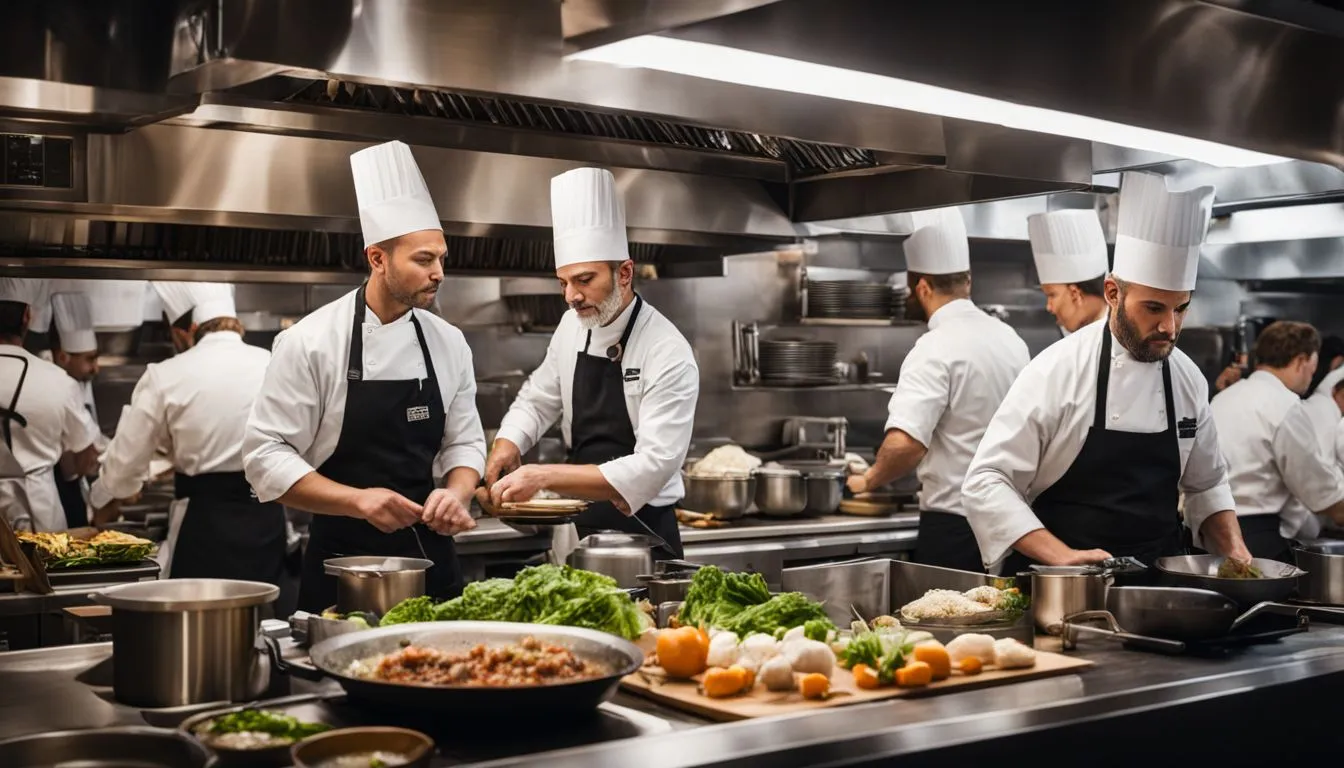
Let’s wrap up by summarising the strategies for managing safety challenges in the food industry. By addressing operational difficulties and staff retention issues, and harnessing technology for improved safety measures, we can ensure a safer environment.
These practical methods are not only easy to implement but also have the potential to bring significant improvements. If you’re seeking more than just an overview, further reading on this topic will unlock the secrets of success.
Remember – proactive management is key!
For further insights on creating a safer environment in other sectors, be sure to check out our article on structuring safe environments in hospitals with reliable barriers.