
14 February 2024 · filed in Safety Update
Securing Cutting-Edge Loading Docks with Safer Barrier

Loading docks might seem like the backbone of Aussie industry, mate, always on the go, but they don’t half come with a fair whack of risk. We’ve seen firsthand the kind of mishaps that can happen when safety takes a back seat, and we’re not just spinning yarns here; over a quarter of industrial accidents are said to take place right in these busy loading zones. But fear not! This article’s chock-a-block with top-notch strategies to toughen up dock safety and give you that solid peace of mind. So, let’s have a squiz at how we can make our loading areas safer than houses, trust me, it’s easier done than said!
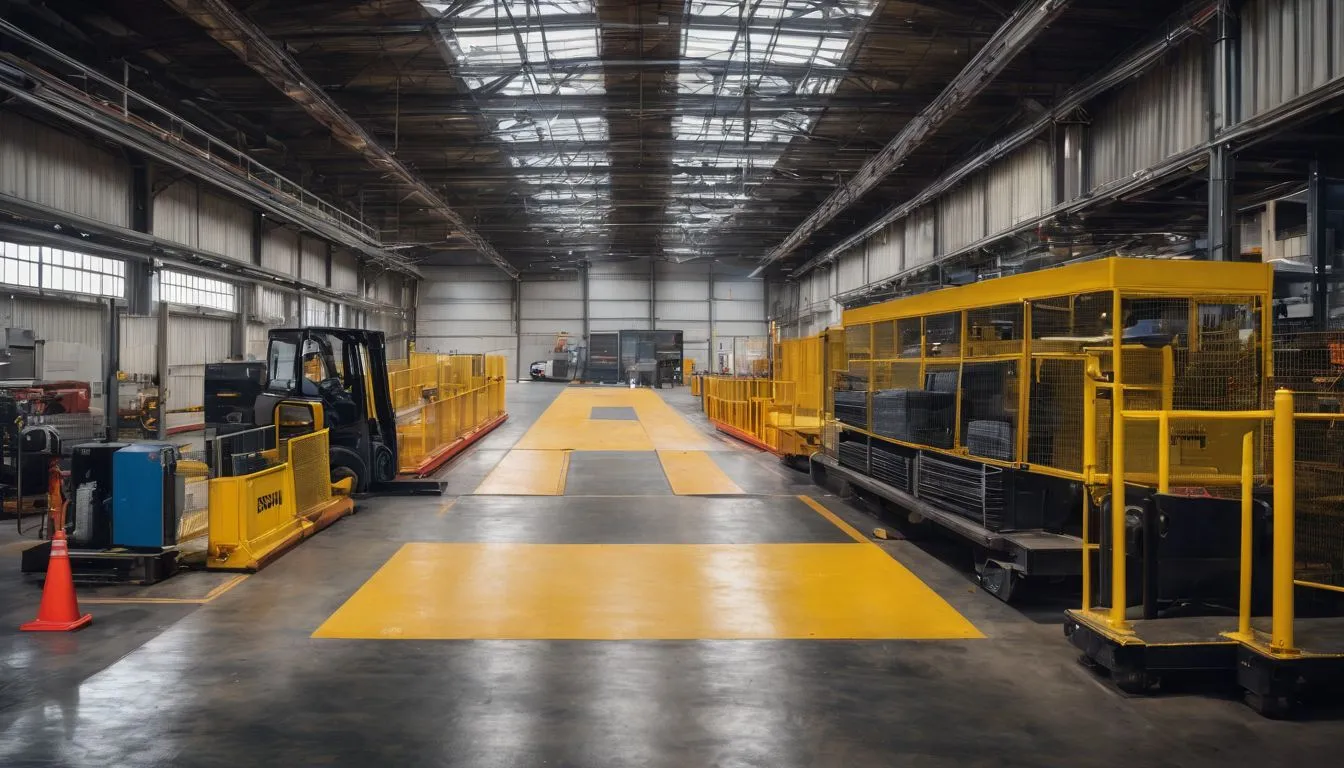
Importance of Securing Loading Docks
Securing loading docks is crucial in preventing accidents, improving efficiency, and minimising the risk of damage to equipment and materials. It also ensures a safer working environment for employees.
Reduce accidents and injuries
We prioritise the well-being of our team by minimising hazards at loading docks. Our focus on implementing advanced safety measures directly translates into fewer accidents and a safer workplace for everyone involved.
By integrating ergonomic barrier systems and enforcing strict safety standards, we create an environment where employees can perform their duties without fear of injury.
Enhancing safety at loading docks is not just about compliance; it’s investing in our people and operations. We ensure that each member of our staff understands the importance of occupational health through regular training on hazard prevention.
Dock door security, edge protection, and industrial barriers function as vital components in safeguarding against falls and injuries, making sure that every workday ends as safely as it began.
Improve efficiency and productivity
To improve efficiency and productivity at your loading dock, consider implementing cutting-edge technology and safety measures. Investing in motion-activated sensors and lighting can enhance visibility and streamline operations, reducing the risk of accidents and delays.
Additionally, integrating loading dock and trailer management software can help you optimise scheduling and resource allocation, ultimately leading to smoother workflow and increased output.
Furthermore, adopting ergonomic loading dock systems can contribute to a safer and more efficient work environment by minimising physical strain on workers while facilitating faster material handling.
Minimise risk of damage to equipment and materials
To enhance loading dock safety and maintenance, it is crucial to implement measures that minimise the risk of damage to equipment and materials. Implementing safety barriers, such as interlocking safety equipment and shadow hook technology, can prevent accidental collisions with machinery and storage units.
These advanced systems not only protect valuable assets but also ensure the smooth operation of loading docks, thus maximising productivity.
By prioritising the safeguarding of equipment and materials at loading docks, businesses can improve overall efficiency while reducing the likelihood of costly accidents or disruptions in operations.
Common Hazards in Loading Docks
Loading docks pose various hazards, such as falls, vehicle accidents, and injuries from sharp edges. Proper signage and training are often lacking, leading to increased risk of incidents.
Falls
Loading dock falls are a significant hazard that can result in serious injuries and even fatalities. Employees working on loading docks may be at risk of falling from elevated platforms or slipping on wet surfaces.
Implementing fall protection measures such as guardrails, safety nets, and personal fall arrest systems is crucial to ensure the safety of workers. Regular maintenance of flooring to prevent slippery conditions, clear signage indicating potential hazards, and comprehensive employee training on safe practices are also essential in preventing falls.
Proper lighting and visibility play a crucial role in reducing the likelihood of trips and slips at loading docks during low-light conditions. Ensuring adequate illumination with motion-activated sensors and strategically placed lighting fixtures can significantly enhance safety while minimising the risk of workplace accidents due to poor visibility.
Vehicle accidents
Vehicle accidents at loading docks can lead to serious injuries and damage. Implementing safety measures such as motion-activated sensors and proper signage can help prevent accidents.
Training employees on safe vehicle operation and the importance of following loading dock protocols is vital.
Installing shadow hook technology, interlocking safety equipment, and blue light policies can further reduce the risk of vehicle accidents. Regular maintenance of loading dock areas to ensure smooth operations is essential for minimising hazards associated with vehicle movements in these spaces.
Injuries from sharp edges and corners
Sharp edges and corners pose a significant risk to loading dock workers. Materials with sharp edges can cause lacerations, while corners can lead to bruises and impact injuries. Ensuring the safety of employees in these areas is crucial to prevent accidents and maintain productivity levels.
Implementing safeguards such as protective barriers, cushioned edging, and warning signs can help mitigate the hazards posed by sharp edges and corners in loading dock environments.
Efficiently addressing the risks associated with sharp edges and corners requires proactive measures that prioritise worker safety. Regular inspections for potential hazards, providing appropriate personal protective equipment (PPE), and offering comprehensive training on safe handling practices are essential steps towards minimising injuries caused by sharp edges and corners.
Lack of proper signage and training
Injuries from sharp edges and corners can pose a significant threat to the safety of workers at loading docks. However, another critical aspect that deserves attention is the lack of proper signage and training.
Without clear signage indicating potential hazards or safe operating procedures, employees are at higher risk of accidents. Inadequate training also contributes to this problem, as workers may not be fully aware of safety protocols or how to use equipment properly, leading to avoidable injuries and incidents.
To address this issue effectively, it’s crucial for businesses to invest in comprehensive training programmes that cover all aspects of loading dock safety, including proper operation of equipment and emergency procedures.
Additionally, implementing clear and visible signage throughout the loading dock area will help reinforce important safety guidelines and serve as constant reminders for employees.
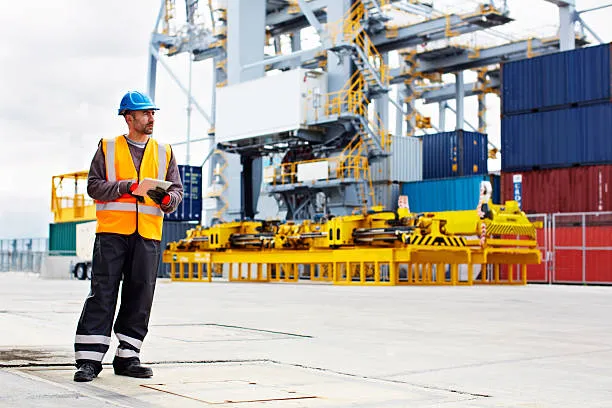
Latest Technology for Loading Dock Safety
Business owners can now take advantage of cutting-edge technology to enhance the safety and efficiency of their loading docks. From advanced management software to motion-activated sensors, these innovations are revolutionising the way we approach loading dock safety.
Loading dock and trailer management software
Loading dock and trailer management software is a crucial tool in modern warehouse operations. It enables us to streamline the loading and unloading process by providing real-time visibility into dock activity, scheduling of shipments, and tracking of trailer movements.
This technology helps us maximise efficiency, reduce congestion, and minimise wait times for incoming trucks. With advanced features like automated communication with drivers and integrated data analysis, we can ensure seamless coordination between our team and external transport partners.
Implementing loading dock and trailer management software can significantly enhance our overall loading bay safety measures. By harnessing the power of digital solutions, we can monitor traffic flow, optimise resource allocation, and proactively identify potential hazards.
The result is a safer working environment for our employees while also improving the overall productivity of our warehouse operations.
Motion-activated sensors and lighting
Motion-activated sensors and lighting enhance loading dock safety by detecting movement in the area and automatically illuminating the space. This technology minimises hazards, increases visibility, and reduces accidents.
By strategically installing these sensors and lighting systems, businesses can improve safety standards while also optimising operational efficiency.
Through motion-activated sensors and lighting, businesses can proactively address potential risks at loading docks, aligning with safety regulations to protect both workers and equipment.
Enhanced communication systems
Enhanced communication systems at loading docks are crucial for ensuring smooth operations and worker safety. Implementing two-way radios, intercoms, or even hands-free headsets can improve real-time communication between dock workers and lorry drivers.
These systems help in coordinating the arrival and departure of lorries, guiding drivers during reversing manoeuvres, and alerting personnel to any potential hazards or safety issues.
Utilising these advanced communication tools helps to minimise risks, enhance productivity, and ensure a more secure working environment.
In addition to improving overall safety measures at loading docks, enhanced communication systems contribute to streamlining processes by reducing delays in loading and unloading activities.
Ergonomic loading dock systems
Our company has implemented ergonomic loading dock systems to enhance safety and efficiency. These systems are designed with adjustable features that accommodate various lorry heights, reducing the risk of falls and injuries for our workers.
The ergonomic design also minimises physical strain and fatigue, ensuring a comfortable working environment while maximising productivity. Additionally, our staff members have reported improved morale and job satisfaction since the implementation of these innovative loading dock systems.
By investing in ergonomic loading dock systems, we have significantly improved our overall warehouse safety measures while enhancing operational effectiveness. Our business has experienced a reduction in workplace accidents and related costs, aligning with safety standards and regulations to protect both personnel and assets.
Drive-through application solutions
Enhance your loading dock efficiency with drive-through application solutions. Streamline the process of unloading and loading goods by implementing this cutting-edge technology. With motion-activated sensors and lighting, the system detects incoming vehicles and triggers the appropriate actions to ensure a seamless workflow.
These solutions boost productivity while minimising the risk of accidents, ultimately safeguarding worker safety.
Equip your loading docks with ergonomic drive-through application solutions to optimise space usage and reduce manual labour requirements. By integrating advanced technology into your operations, you can elevate safety standards, maximise efficiency, and protect valuable equipment and materials from damage.
Key Features of Safer Barriers
Enhanced safety features such as blue light policies, shadow hook technology, and interlocking safety equipment are essential for protecting loading dock areas. These advanced measures can help minimise hazards and ensure the safety of workers and equipment.
Blue light policies
Blue light policies are a simple yet effective way to enhance safety at loading docks. These policies involve installing blue lights around the perimeter of the dock, which illuminate when the dock is in use.
This serves as a visual indicator for forklift drivers and pedestrians, alerting them to exercise caution and be aware of ongoing activities in the area. Blue light policies help prevent accidents by improving visibility and promoting attentiveness, ultimately reducing the risk of collisions and falls.
Implementing blue light policies can significantly enhance loading dock safety measures without adding complexity to daily operations. By integrating this straightforward but impactful solution, businesses can safeguard their loading dock areas and protect workers from potential hazards associated with high-traffic environments.
Shadow hook technology
Transitioning from the implementation of blue light policies, we now delve into the innovative shadow hook technology. This cutting-edge advancement plays a pivotal role in ensuring loading dock safety by preventing falls and injuries.
The shadow hook technology enhances worker safety by providing a visual aid that guides forklift operators and workers during the process of securing trailers to loading docks. By clearly indicating where hooks should be placed on the trailer, this technology minimises risks associated with improper placement and secures materials efficiently.
Furthermore, this advanced feature acts as an additional layer of protection for employees working in high-risk areas. Operating through motion-activated sensors, the system activates bright lighting to illuminate potential hazards and guide workers towards safer practices, thereby minimising accidents and safeguarding loading dock edges and corners effectively.
Fall protection measures
To enhance the safety of our loading docks, we implement fall protection measures that are crucial for safeguarding the well-being of our workers. Installing guardrails and safety nets around elevated areas ensures fall prevention, reducing the risk of accidents and injuries.
Additionally, providing personal fall arrest systems and anchor points allows our employees to work confidently at heights, minimising loading dock hazards while maximising safety measures.
Implementing effective fall protection measures is vital in enhancing loading dock barrier systems and ensuring worker safety. These proactive steps demonstrate our commitment to protecting the edges and corners of our loading docks while prioritising the well-being of our team members.
Interlocking safety equipment
Implementing interlocking safety equipment is crucial for safeguarding loading dock areas and protecting workers from potential hazards. These systems ensure that the necessary safety measures are in place before any operation is initiated, minimising the risk of accidents and injuries.
By integrating interlocking safety equipment into your loading dock, you can maximise safety measures, enhance efficiency, and create a secure working environment for your employees.
Ensuring loading dock worker safety goes beyond just meeting regulatory standards, it’s about creating a culture of safety within your organisation. Implementing interlocking safety equipment is an essential step towards achieving this goal, providing peace of mind to both management and staff.
Case Studies and Success Stories
Learn how businesses like Brookfield, Alstom, and Admil Adhesives have successfully implemented safer barrier solutions to enhance their loading dock safety. Read more about their experiences and discover the benefits of investing in cutting-edge loading dock safety measures.
Brookfield
Brookfield successfully implemented safer barrier solutions to enhance loading dock safety, prioritising the well-being of their employees and efficient workflow. Their strategic use of blue light policies effectively alerted workers of potential hazards and minimised accidents.
By incorporating shadow hook technology, they improved visibility and reduced the risk of falls, setting a benchmark for warehouse security measures.
Additionally, Brookfield’s commitment to fall protection measures and interlocking safety equipment showcased their dedication to protecting loading dock edges and corners. Their proactive approach in implementing cutting-edge safety barriers reflected a genuine concern for enhancing workplace safety at their loading docks.
Alstom
Alstom, a global leader in sustainable and smart mobility solutions, has effectively enhanced loading dock safety with innovative technology. By implementing cutting-edge motion-activated sensors and lighting systems, Alstom ensures that their loading docks are well-lit and safe for workers to navigate.
The company also utilises advanced communication systems to coordinate activities between the dock workers and truck drivers, improving overall efficiency while reducing the risk of accidents.
Moreover, Alstom promotes worker safety by employing ergonomic loading dock systems that lessen physical strain on employees during material handling processes. Their commitment to maximising loading dock safety measures demonstrates a proactive approach towards safeguarding personnel and equipment within their operations.
Admil Adhesives
Transitioning from the successful implementation of loading dock safety solutions at Alstom, we now turn our attention to Admil Adhesives, a company that has successfully maximised loading dock safety measures with innovative adhesive products.
By prioritising the use of sophisticated adhesives and sealants in their facilities, Admil Adhesives has been able to enhance safety at their loading docks while ensuring the protection of both workers and equipment.
Their commitment to implementing cutting-edge industrial safety equipment and dock safety solutions sets an exemplary standard for other businesses seeking to improve loading bay protection.
Admil Adhesives’ dedication to ensuring loading dock worker safety through their specialised adhesive products showcases their proactive stance towards enhancing safety at loading docks.

Conclusion
The latest technology for loading dock safety offers practical and efficient solutions to mitigate common hazards. The implementation of safer barriers and cutting-edge safety measures can significantly reduce accidents and injuries while improving overall efficiency. How will you prioritise dock safety equipment within your business operations? Are you ready to take action and maximise loading dock safety measures? Securing cutting-edge loading docks with safer barriers is crucial for protecting personnel, equipment, and materials. Consider exploring additional resources or guidance from experts in the field to further enhance your understanding of implementing these strategies. Remember, prioritising loading dock protection not only ensures a safe work environment but also drives increased productivity and success in your business operations.