
23 April 2026 · filed in Safety Barriers Sydney
Signs Your Current Safety Barriers Need To Be Replaced
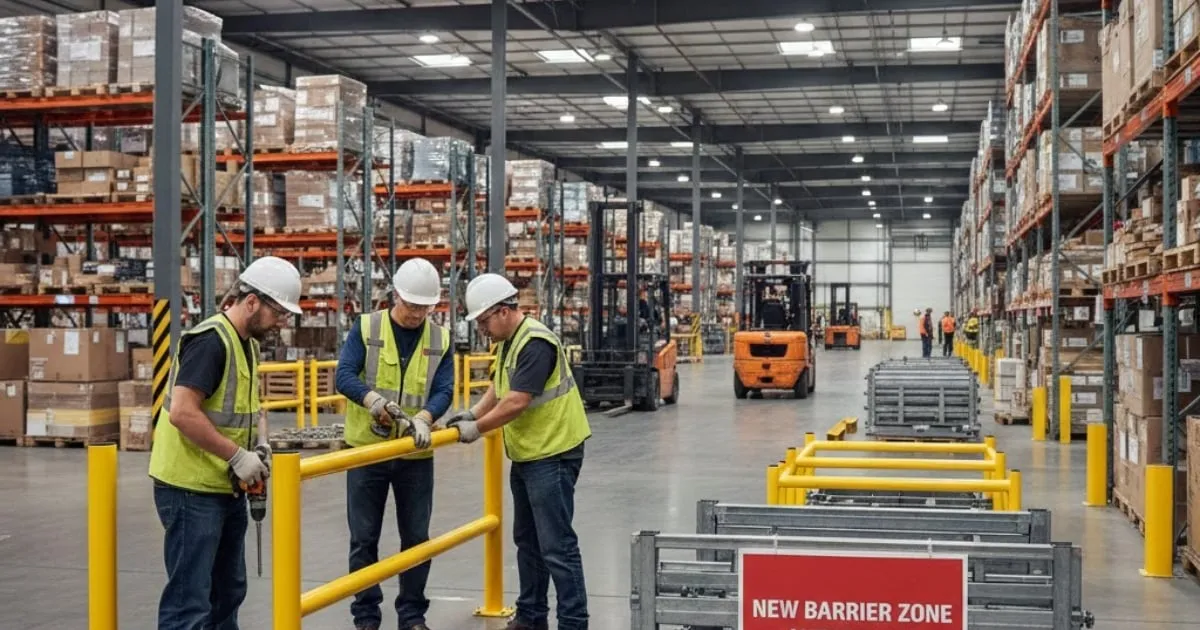
Safety barriers play a crucial role in protecting workers, equipment, and daily operations. Whether they are keeping vehicles separated from pedestrians, guarding valuable infrastructure, or guiding the flow of movement, barriers are a frontline defence system.
But like any safety equipment, they have a lifespan. Materials degrade, impacts accumulate, and workplace demands evolve. When barriers stop performing at their best, the risk to your facility increases significantly. Many businesses are unaware that their barriers are no longer as effective as they once were. Even when damage looks minor, structural weakness may already be present.
Recognising these early warning signs is essential for maintaining a safe site.
Physical Damage That Compromises Safety
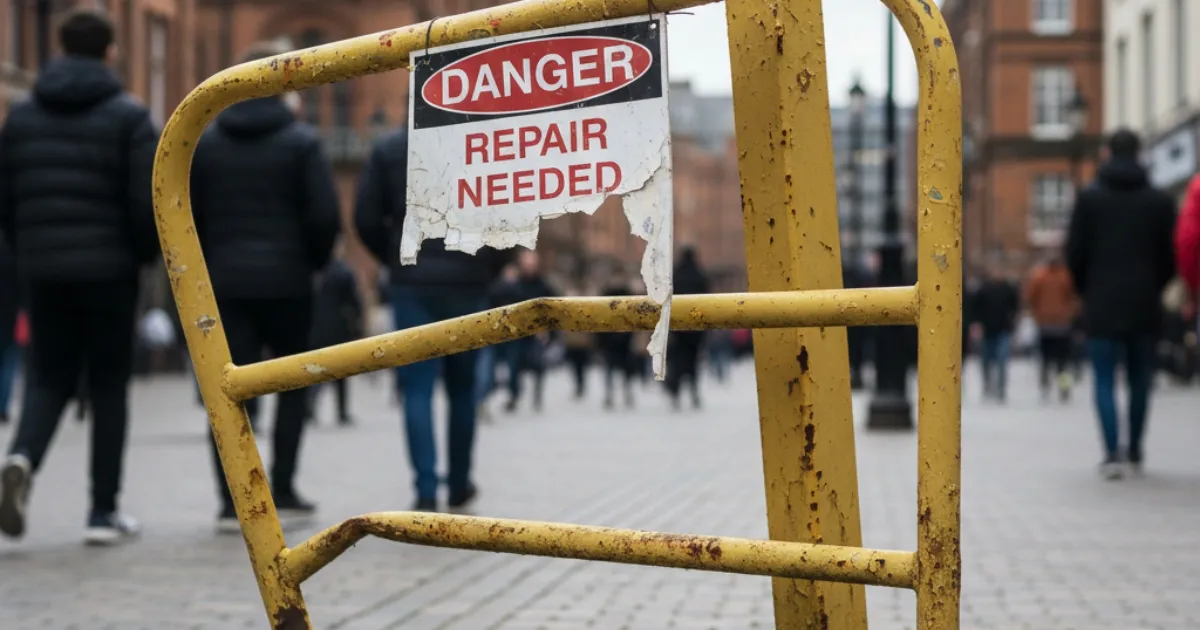
One of the most obvious signals that your barriers need replacement is visible wear or structural damage. Cracks, dents, corrosion, warping, or chipped material all indicate weakening performance. Even barriers made from strong materials are not immune to deterioration, especially when exposed to harsh weather, chemicals, or repeated vehicle impact.
It is also common to see barriers leaning, tilting, or drifting out of place. This misalignment is more than a cosmetic issue. Once a barrier shifts from its intended position, it can no longer provide accurate guidance or proper impact resistance.
Repeated vehicle strikes are another major factor. Each collision transfers energy into the barrier, slowly degrading its ability to perform. If a barrier remains bent or fails to rebound, it is a clear sign that its structural integrity has been compromised. Even if it still stands upright, its internal material strength may be significantly reduced.
Outdated Systems and Evolving Requirements
Work environments change, and safety systems must change with them. Older barriers may no longer meet modern safety expectations or suit current usage demands. Many older systems lack features now considered essential, such as advanced impact resistance, flexible materials, or improved visibility markings.
As your site changes through increased traffic, heavier machinery, or new operational layouts, your existing barriers might not be enough. A barrier suitable for light-duty equipment years ago may not withstand today’s heavier vehicles or faster-paced workflow.
When pedestrian routes shift or machinery usage increases, the barrier system must be re-evaluated. If barriers are still positioned based on outdated workflows, they may fail to protect high-risk zones effectively. A once-safe installation can quickly become outdated.
Wear, Tear, and Lack of Maintenance Records
Another strong indicator that replacement is necessary is a lack of proper maintenance or an unclear inspection history. Over time, all barriers go through natural wear, even without visible damage. Metal may weaken through rust, concrete may erode, and plastic systems may degrade under UV exposure.
Barriers with no documented maintenance history pose an unknown risk. If no one knows when they were last inspected, upgraded, or repaired, you cannot be confident they are still performing as intended. In high-demand environments, this uncertainty is too dangerous to ignore.
Faded paint, worn markings, or low visibility are additional signs your barriers are past their prime. Modern safety barriers rely on bright colours and clear visual cues to improve workplace awareness. When these fade, people may misjudge distances or fail to notice restricted zones entirely.
Why Holding onto Old Barriers Costs You More
Many businesses delay replacing their barriers, assuming they can still squeeze more life out of the existing system. However, old or inadequate barriers create significant risks. They can fail during impact, cause vehicle damage, or lead to injuries. A single barrier failure can result in operational shutdowns, insurance claims, and costly downtime.
Modern barrier systems are engineered to absorb force more efficiently, which minimises damage to your floor and your vehicles. Upgrading is not just about compliance; it is an investment in the overall efficiency of your site. Newer barriers are also designed for easier maintenance and a longer lifespan under continuous use.
A Safer Future Starts with the Right Upgrade
When several of these warning signs appear together, it is a clear indication that your current system needs to be replaced. Upgrading ensures that your site remains protected, compliant, and well-prepared for daily operational demands.
Working with a trusted provider ensures the installation is professionally evaluated and tailored to your facility. This is where Safety Barriers Sydney stands out. Their commitment to durability and custom-designed solutions makes them a reliable partner for facilities looking to upgrade. When your old barriers begin to weaken, choosing Safety Barriers Sydney is a proactive step toward long-term protection.
FAQs
What are the signs that safety barriers need replacing?
Look for visible damage, leaning, corrosion, fading, or reduced strength after a vehicle impact.
How often should safety barriers be inspected?
Most workplaces should inspect barriers regularly, with a full assessment every 6 to 12 months depending on traffic levels and wear.
Can damaged safety barriers be repaired instead of replaced?
Minor damage can sometimes be repaired, but severe wear, misalignment, or repeated heavy impacts usually require full replacement to ensure safety.
What causes safety barriers to weaken over time?
Repeated impacts, weather exposure, corrosion, UV damage, and ageing materials all reduce a barrier’s structural integrity.
Why is replacing outdated barriers important?
Old barriers may not meet current safety standards or support the weight of modern, heavier machinery, which increases workplace risk.