
24 December 2023 · filed in Safety Barriers Sydney
Smart Protective Solutions for Ensuring Loading Dock Safety
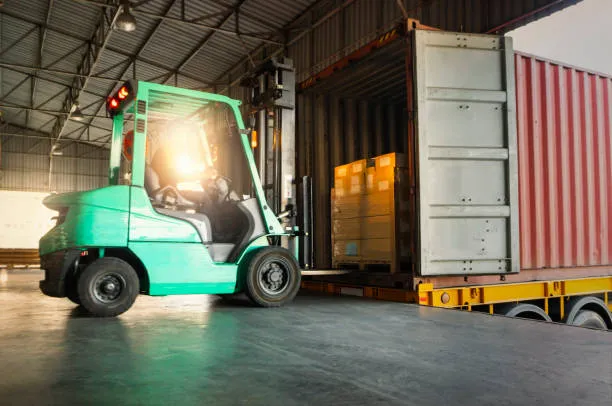
Welcome to the critical world of loading dock safety, where smart barrier solutions are changing the game. These advanced systems do more than just create physical boundaries; they actively control access and minimise risks at one of the most hazardous areas in a workplace. By automatically locking and signalling any dangers, these barriers keep workers safe from crushing incidents, collisions, and falls.
Understanding how radio frequency technology streamlines operations is key to appreciating these innovations. It cuts down unwanted noise and keeps paperwork from piling up, making docks less cluttered and safer overall. Strategically placed barriers prevent tragic accidents by stopping people or equipment from tumbling over edges while well-positioned signals warn everyone when heavy machinery like forklifts are on the move.
We also can’t overlook regular checks that spot danger before mishaps occur or adhere to Australian standards that set out clear protocols for managing hefty loads safely. This isn’t just about ticking boxes for compliance, loading dock safety is a vital aspect of occupational health. But it’s not all high-tech wizardry; sometimes simple measures like pedestrian railings or W-beam guardrails make all the difference in keeping drivers and walkers apart, and protected, in bustling docks.
Smart barrier solutions offer straightforward yet effective protection against potential disasters, let’s take a closer look at how they work wonders in maintaining safety at loading docks. Keep reading to equip yourself with knowledge that safeguards lives every day.
Importance of Loading Dock Safety
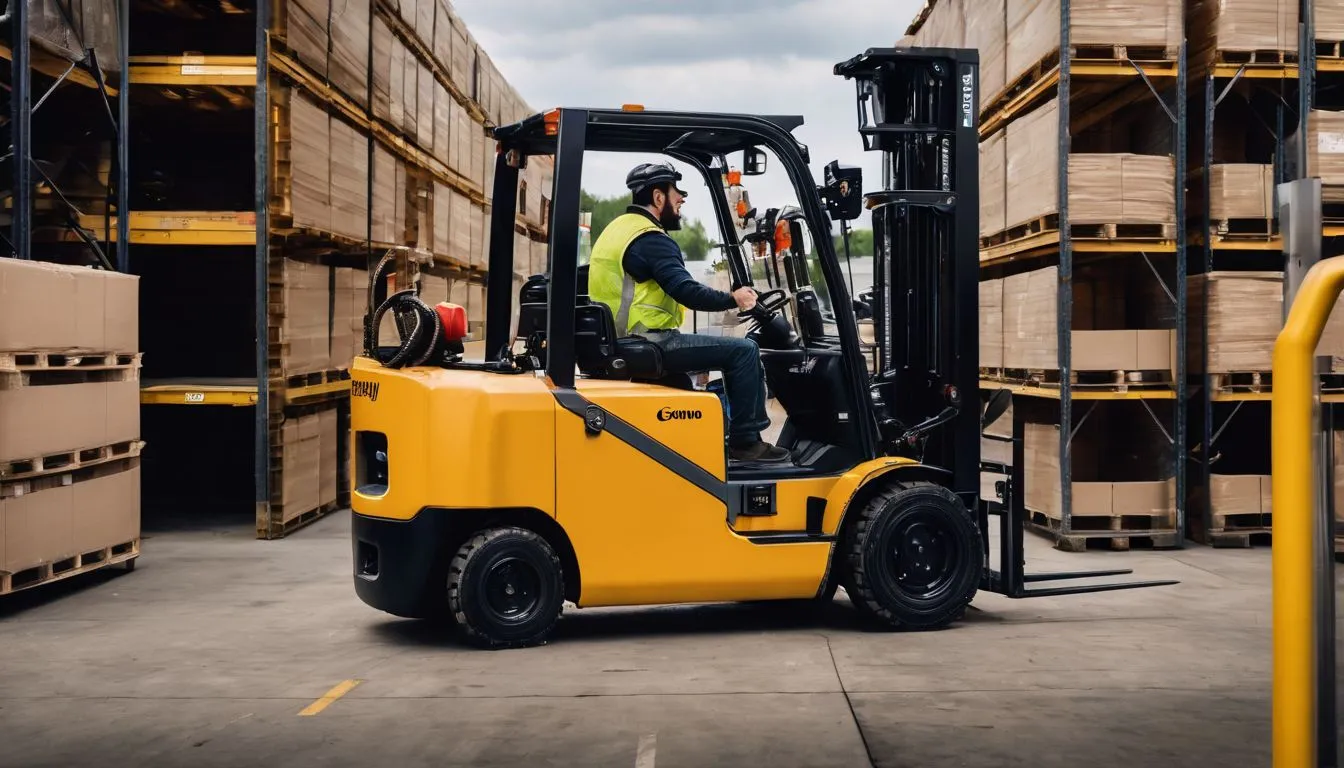
Loading dock safety is crucial for preventing accidents and ensuring the well-being of employees, as there are risks of crushing, collisions, falls, and other accidents. It’s essential to implement smart barrier solutions to mitigate these risks effectively.
Risks of crushing, collisions, falls, and other accidents
Our loading docks can be hazardous places if we don’t take the proper precautions. Crushing accidents may happen when large shipments are being moved, and they risk harming our staff or damaging goods.
Collisions between forklifts and other warehouse vehicles are not uncommon, often leading to serious injuries or costly downtime while equipment is repaired.
We must also pay close attention to falls, a significant concern around dock edges where employees or mechanical equipment could tumble down due to inadequate barriers or warning signs.
These types of incidents not only threaten the well-being of our team but can result in breaches of Occupational Health and Safety regulations. Implementing smart barrier solutions and reliable guardrails significantly reduces these risks by physically preventing unauthorised entry to potentially dangerous zones.
Solutions for Ensuring Loading Dock Safety
Investing in smart barrier solutions, loading dock lights with safety signals, and automated controlled access can significantly reduce the risk of accidents at loading docks. Read on to learn more about these innovative safety measures.
Smart barrier solutions
Smart barrier solutions play a critical role in enhancing loading dock safety. By integrating barriers with electronic sensors and automated locking systems, we can effectively manage access to sensitive areas, preventing accidents and injuries.
Pedestrian safety railings, swivel barriers, and high-tech loading dock lights with safety signals offer cost-effective ways of improving workplace safety.
To address constant OHS issues such as the risk of pedestrians crossing loading docks during forklift operation, it is crucial to invest in smart barrier technology. These solutions not only comply with UK standards but also provide active protection against potential hazards at the loading bay.
Loading dock lights with safety signals
Implementing loading dock lights with safety signals is crucial in enhancing the visibility and communication of potential hazards at the loading bay. These lights, equipped with electronic sensors, provide a visual warning each time the dock doors or levellers are being operated, alerting workers to take necessary precautions.
The integration of safety signals complements the existing safety measures and ensures that employees and vehicle operators are aware of operational activities. Utilising these high-tech solutions not only aligns with UK standards for loading operations but also significantly reduces the risk of accidents and injuries within the busy loading dock environment.
In addition to providing a clear line-of-sight indicator for potential risks, integrating loading dock lights with safety signals further highlights our commitment to prioritising employee welfare while maintaining compliance with Occupational Health and Safety (OHS) regulations.
Automated controlled access
Implementing loading dock safety measures is crucial for protecting both personnel and equipment. Automated controlled access, such as automatically locking swivel barriers, effectively prevents unauthorised access by people and vehicles to sensitive areas, significantly enhancing safety.
These high-tech solutions not only increase security but also streamline operations, reducing radio noise and eliminating cumbersome paperwork that can contribute to potential hazards in the loading dock environment.
With automated controlled access systems in place, businesses can ensure a safer working environment while maintaining efficiency within their loading dock operations.
Radio frequency technology
Radio frequency technology enhances loading dock safety by providing real-time tracking and monitoring of equipment, vehicles, and personnel. This technology allows for seamless communication between components, enabling automated control access systems to restrict entry into hazardous areas.
Additionally, radio frequency technology can reduce the risk of accidents by minimising radio noise and simplifying paperwork. It also aids in ensuring compliance with Australian standards for loading and unloading operations.
Through the use of radio frequency technology, businesses can implement effective measures to enhance security in high-risk zones within loading docks. This advanced tech solution provides a streamlined approach to managing safety while optimising operational efficiency.
Types of Loading Dock Safety Barriers
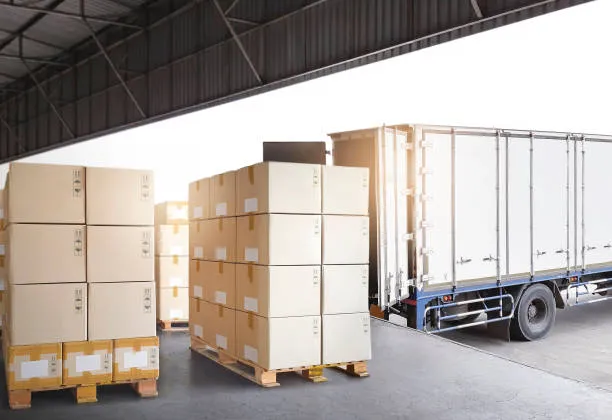
From recessed rails to pedestrian safety railings, there are various types of loading dock safety barriers available to suit different industrial needs and requirements. Each type offers unique benefits in terms of protection and functionality.
Recessed rails
Recessed rails are an essential feature for enhancing safety at loading docks. These low-profile guardrails provide a physical barrier to prevent falls and accidents, effectively safeguarding personnel and equipment from potential hazards.
By integrating recessed rails into the loading dock infrastructure, business owners can ensure compliance with safety standards while creating a secure working environment for their employees.
Implementing recessed rails is an efficient way to mitigate the risk of personnel or equipment falling over the edge of the loading dock, a common hazard in such environments. With these barriers in place, workers can feel more confident and protected as they carry out their tasks on the loading dock.
Additionally, recessed rails serve as a crucial element in preventing collisions between pedestrians and machinery, aligning with OHS requirements and minimising potential liability risks for business owners.
Pedestrian safety railings
Pedestrian safety railings play a crucial role in preventing accidents at loading docks. These barriers provide a physical separation between pedestrians and the areas where forklifts and other heavy machinery operate, reducing the risk of collisions and falls.
By strategically placing pedestrian safety railings along walkways and crossing points, business owners can enhance workplace safety and comply with OHS regulations. Furthermore, incorporating high-visibility markings on these railings helps to alert both pedestrians and equipment operators, contributing to a secure working environment.
Implementing pedestrian safety railings as part of loading dock safety measures is an effective way to mitigate the constant hazard of workers crossing paths with moving vehicles. Not only do these barriers prevent unauthorised access to restricted zones but they also serve as a visual reminder for employees to exercise caution when navigating loading dock areas.
W-beam guardrails
Loading dock safety can be enhanced by installing W-beam guardrails. These guardrails provide a sturdy barrier between workers and potential hazards, preventing accidents and injuries.
By complying with Australian standards for loading and unloading operations, business owners can ensure the safety of their loading dock operations while protecting their employees from falls or collisions.
Implementing W-beam guardrails is an effective way to improve safety at the loading bay, providing peace of mind for both employers and employees.
Driver safe zone kits
Driver safe zone kits provide essential safety measures for loading docks by designating specific areas where drivers can safely park and unload without the risk of collisions or accidents.
These kits are equipped with clear signage, barriers, and visual indicators to ensure that drivers maintain a safe distance from potential hazards at the loading dock. Implementing driver safe zone kits not only enhances the safety of individuals but also protects valuable equipment from damage, ultimately contributing to a more secure and efficient working environment.
By strategically placing driver safe zone kits in key areas of the loading dock, business owners can significantly reduce the risk of accidents and injuries while promoting a culture of workplace safety.
Key Areas for Implementing Loading Dock Safety Measures
Adapting dock operations, controlled access for vehicles and pedestrians, and active safety information in working zones are key areas where smart barrier solutions can be implemented to ensure loading dock safety.
These measures help in preventing accidents and improving overall workplace safety.
Adapting dock operations
Adapting dock operations involves implementing strategies to enhance safety and efficiency. This may include integrating smart barrier solutions, loading dock lights with safety signals, and automated controlled access systems.
Assessing the traffic flow and adjusting operation schedules can also contribute to a safer working environment at the loading docks.
Ensuring that workers are trained in safe operating procedures is essential for adapting dock operations. Implementing active safety information in working zones and conducting regular risk assessments for potential hazards are crucial steps in maintaining a secure environment.
Controlled access for vehicles and pedestrians
Adapting dock operations to ensure safety is crucial, and controlled access for vehicles and pedestrians plays a key role in this. Implementing barriers that automatically lock can prevent unauthorised access to sensitive areas, reducing the risk of accidents at loading docks.
High-tech solutions such as radio frequency technology can enhance safety by managing vehicle and pedestrian movement more efficiently, minimising potential hazards. It’s important to consider these smart barrier solutions when addressing the safety of both vehicles and pedestrians in loading dock environments.
Active safety information in working zones
Implementing active safety information in working zones is crucial for maintaining a secure environment for both employees and vehicles. Clear signage, designated walkways, and visual cues can help guide personnel and drivers to navigate loading dock areas safely.
Safety signals tied to loading dock doors or electronic sensors on the dock levellers provide visual warnings when operated, alerting everyone in the vicinity. Additionally, implementing radio frequency technology helps reduce noise and paperwork congestion at the loading docks, enhancing safety for workers.
Risk assessments play a key role in identifying potential hazards at loading bays and dock levellers. By aligning with UK standards for loading and unloading operations, businesses can ensure that their facilities adhere to safe practices, promoting a secure working environment for all involved parties.
Conclusion
Loading dock safety is crucial for preventing accidents and ensuring smooth operations. Our smart barrier solutions offer practical, efficient ways to enhance workplace safety. By implementing these strategies, businesses can significantly reduce the risk of injuries and improve overall efficiency. For further guidance on loading dock safety, consider seeking professional advice or exploring additional resources in this field.
Loading dock safety can be guaranteed with smart protective solutions. Trust Verge Safety Barriers to ensure your loading docks are nothing short of safe and efficient. Contact us for more info. Take action today to create a safer and more productive working environment for all.