
19 April 2024 · filed in Safety Update
Strive For Safety: Making Progress In Your Loading Dock Operations
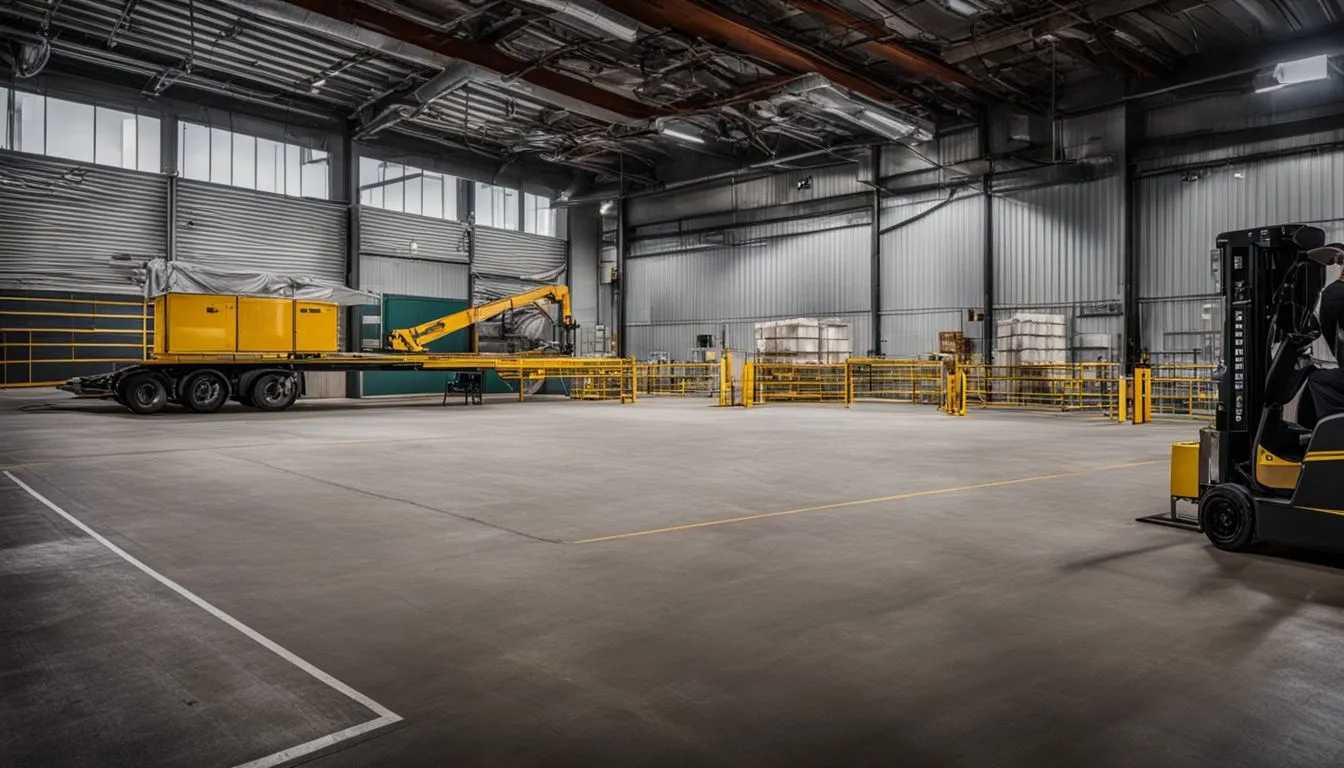
Managing a loading dock can sometimes feel like you’re trying to balance on a surfboard during a cyclone. We understand; we’ve stood in those shoes, avoiding the sharp edges while attempting to prevent everything from tumbling down around us.
It’s an interesting fact that most mishaps at loading docks are due to simple lapses in attention. This piece is your guide not just for dodging but also for securely catching and safely tucking away those proverbial knives.
Keen for some safer days ahead, mate?
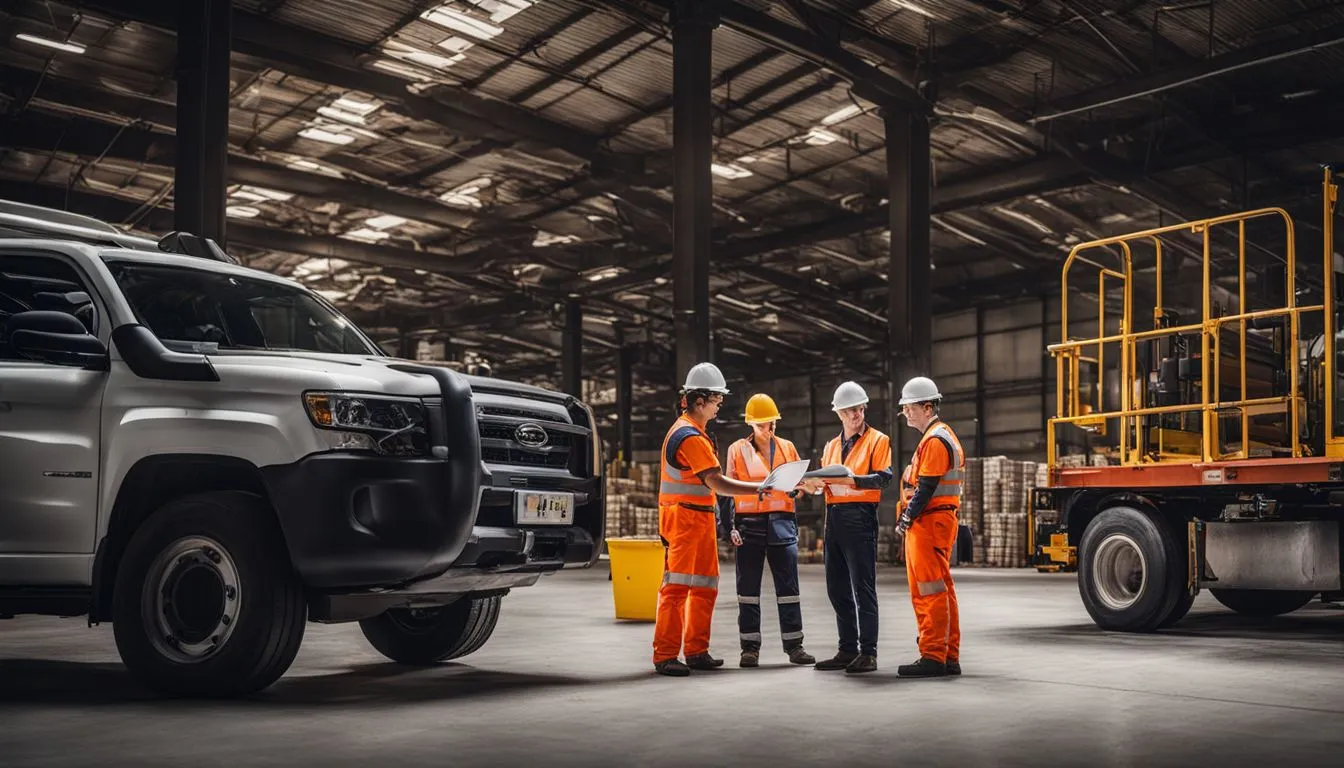
Maximising Safety in Loading Dock Operations
Ensure loading dock safety by implementing routine preventative measures and professional service programmes, as well as utilising appropriate safety equipment and markings. By focusing on these key aspects, you can create a safe environment for your loading dock operations.
Routine Preventative Measures
We all know that an ounce of prevention is worth a pound of cure. That’s why, in the bustling world of loading dock operations, taking routine preventative measures can keep major headaches at bay and ensure the safety and efficiency of our workplace.
- Conduct regular loading bay safety checks – This means walking through the loading dock area daily to look for potential hazards like loose flooring, overhead obstructions, or spills that could lead to slips or falls.
- Schedule frequent maintenance for dock equipment – Regularly inspect and maintain all loading dock equipment, including levellers, doors, seals, and shelters. This helps catch issues before they escalate into costly repairs or cause accidents.
- Train staff on workplace safety practices – Make sure everyone working on or around the dock is up to speed on the latest safety protocols and knows how to operate equipment properly. An informed team is a safe team.
- Implement weather protection for docks – With weather conditions swinging from scorching summers to freezing winters, installing shields or covers over the docking area protects both staff and goods from extreme conditions.
- Keep clear communication lines open – Improve workplace communication by setting clear protocols for vehicle and pedestrian movements around the dock area to avoid collisions.
- Perform overhead door inspections – Regular checks ensure these heavy doors function safely and efficiently, reducing risk of sudden malfunctions that could hurt someone or interrupt operations.
- Embrace risk management strategies – Have a plan in place for dealing with accidents or emergencies should they occur. Knowing what to do in advance can significantly reduce their impact.
- Follow industrial safety regulations closely – Keeping abreast of current occupational health standards and ensuring compliance not only keeps your team safe but also avoids legal issues down the line.
Taking these steps not only safeguards our employees but also ensures our operations run smoothly without unwelcome surprises popping up. It’s all about creating a secure environment where business thrives because let’s face it, nobody likes surprises, especially when they bring everything to a standstill!
Implementing Professional Service Programs
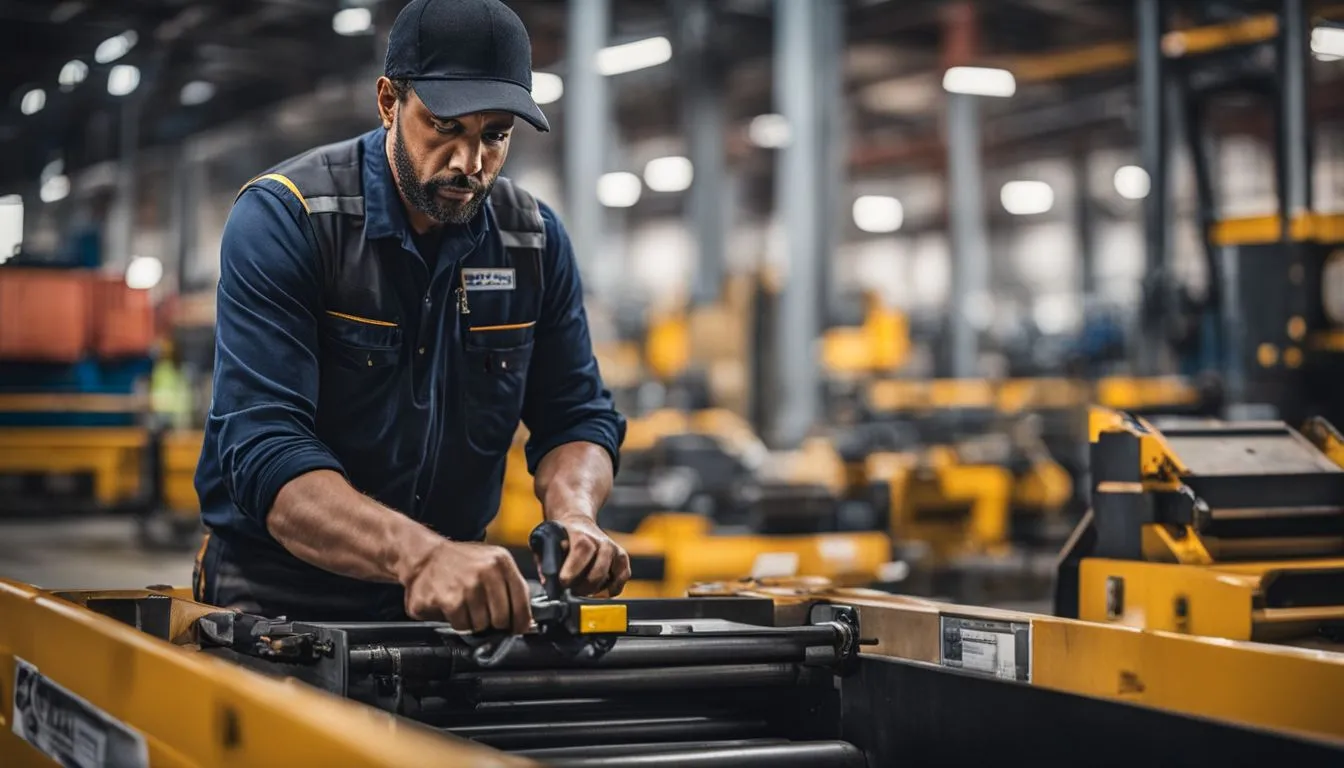
Getting professional service programmes on board can transform your loading dock operations from good to great. These programmes offer regular maintenance and inspection of dock equipment, minimising the risk of unexpected breakdowns.
It’s like having a guardian angel for your loading bay safety, watching over every spring in your overhead door and each bolt in the vehicle restraints. They catch small issues before they morph into big headaches.
Next up, we focus on wrapping our loading docks with the right safety equipment and markings. This step is crucial for guiding vehicles safely and ensuring that workers dodge hazards effortlessly during their daily hustle.
Utilising Safety Equipment and Markings
We always stress the importance of safety equipment and markings in our loading dock operations. Bright, visible floor markings guide workers and drivers, drastically reducing the risk of accidents.
These aren’t just lines on the ground; they’re lifesavers that communicate pathways and danger zones without a word spoken.
Protective gear also plays a crucial role. Hard hats, safety glasses, and high-visibility vests make sure everyone is seen and protected. It’s about creating an environment where risks are significantly lowered through clear signals and personal protection.
This approach doesn’t just prevent mishaps; it fosters a culture of safety first, ensuring everyone gets home in one piece at the end of the day.
Enhancing Efficiency in Loading Dock Operations
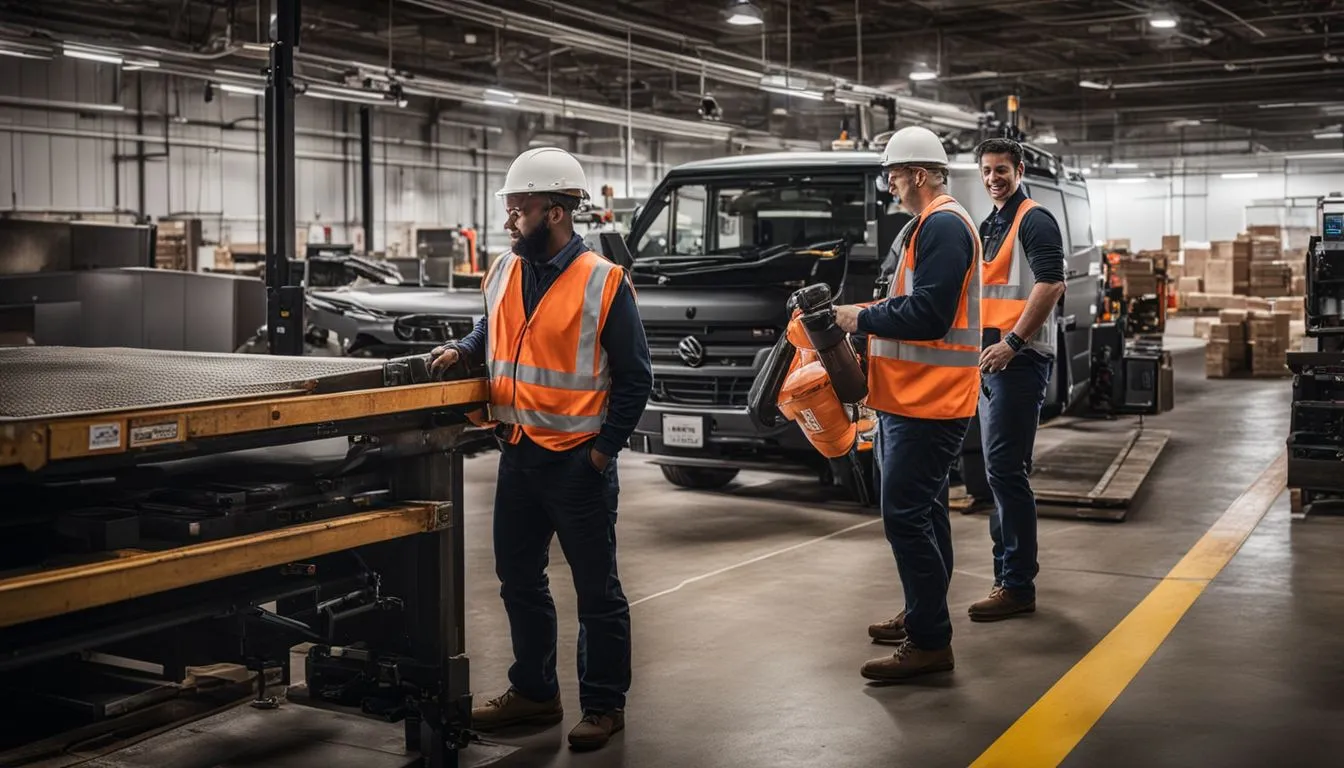
Invest in top-quality material handling equipment to streamline loading processes and improve overall efficiency. Explore automation options for your loading dock to minimise manual labour and maximise productivity.
Improve communication systems at the loading dock to ensure seamless coordination between workers and incoming vehicles.
Investing in Excellent Material Handling Equipment
Buying top-notch material handling equipment is like hitting two birds with one stone. We elevate our loading dock’s efficiency and safety all in one go. Better equipment means faster, smoother operations.
Workers can move goods without breaking a sweat or risking an injury.
Upgrading to the latest gear also puts us ahead of the game. It cuts down on those pesky repair costs and downtime that slow us down more than a Monday morning traffic jam. Let’s keep our operations running as smoothly as a well-oiled machine by choosing the best equipment out there.
Automating Your Loading Dock
We’re stepping into the future by automating our loading docks. This move slashes waiting times and boosts safety for everyone involved. Think about it: machines handling repetitive tasks, cutting down on human error and fatigue.
It’s not just efficient; it’s a game-changer.
With sensors and automated systems, we get real-time updates on trucks coming in and going out. No more guesswork or endless radio chatter. The technology ensures that vehicles are loaded correctly every time, optimising space and reducing accidents.
We’re talking serious improvements in workplace safety protocols here – fewer vehicle/pedestrian collisions and a slicker operation overall.
Automated docks also weather-proof operations to an extent, no need to worry about delays from severe weather conditions messing with schedules anymore. And let’s not even get started on the improvements in occupational health thanks to less manual lifting! So yeah, bringing automation into our dock areas is pretty much like having your cake and eating it too.
Improving Loading Dock Communications
Shifting gears from automating your loading dock, clear and effective communication becomes the next critical step. A solid chat among team members can dodge a bundle of mishaps waiting to happen.
Think about it – a quick update over radios or intercoms can prevent trucks from backing up into an area that’s not ready for them yet. It’s like giving someone a heads-up before they walk into a surprise party.
Updating signs and using technology smartly makes sure everyone stays on the same page, rain or shine. Visual cues are champions in busy environments; they shout safety messages without making a sound.
Installing digital boards that flash updates in real-time keeps drivers and floor staff aligned with what’s happening around them. This way, vehicle and pedestrian collisions become stories of the past, while workplace safety practices take center stage.
The Role of Technology in Loading Dock Safety
Embrace technology like vehicle restraints to prevent accidents and enhance loading dock safety. Discover how these innovations can revolutionise your operations by reading more!
Use of Vehicle Restraints
Vehicle restraints play a crucial role in preventing accidents at the loading dock. They keep trucks securely parked, eliminating the risk of unexpected movement that might cause injury or damage.
Think of them as the seatbelt for your loading bay; they’re there to protect everyone and everything involved.
We install these devices because we know that safety isn’t just about following rules, it’s about creating an environment where risks are actively managed. Vehicle restraints make sure trucks stay put, so workers can move freely without worry.
It’s simple: safer docks mean happier teams and more efficient operations.
Embracing Loading Dock Safety Technology
When it comes to optimising loading dock safety, embracing cutting-edge technology is crucial. Implementing advanced safety technology, such as vehicle restraints and automated communication systems, strengthens the overall security of your loading bay.
By investing in state-of-the-art loading dock safety solutions, you not only enhance workplace safety but also ensure compliance with industrial safety regulations. Upgrading to modern loading dock technology equips your business with the tools necessary to mitigate risks and promote a safe working environment for your employees.
In addition to prioritising employee well-being and adhering to safety regulations, embracing loading dock safety technology also contributes significantly towards improving operational efficiency.
With advanced equipment like automated restraints and docking systems in place, businesses can streamline their operations and reduce the risk of accidents or delays on the loading bay.
Embracing these technological advancements is an investment in both workplace safety practices and efficient warehouse operations, ensuring a seamless workflow while upholding the highest standards of safety performance across all facets of your business.
Barrier Insights: Amplifying Knowledge for Safe Environments
Understanding the barriers and potential hazards in loading dock operations is crucial for maintaining a safe environment. By assessing the unique risks associated with your loading bay, such as weather conditions or vehicle-pedestrian collisions, you can implement preventative measures to mitigate these dangers.
Investing in compliance with workplace safety regulations, like implementing vehicle restraints and embracing loading dock safety technology, will help ensure that your loading dock remains a safe and secure workspace for everyone involved.
Regular maintenance of dock equipment and overhead door inspections are also essential components of creating a safe working environment. As business owners navigating the realm of workplace safety practices, it is advisable to continually seek more than just basic safety protocols; our suite of strategies should be designed to enhance not only safety but efficiency within this ever-evolving industrial landscape.
In addition to complying with industrial safety regulations, unlocking the secrets behind efficient barrier insights can help protect against workplace accidents whilst also enhancing overall efficiency.
This entails understanding how tailored risk management techniques underpin your loading dock design and material handling processes. By unveiling the secrets behind robust barrier insights, you can navigate through daunting workplace communication improvements which are at the heart of ensuring occupational health and well-being in warehouse operations.
Conclusion
In wrapping up, we’ve discussed key strategies for enhancing safety and efficiency in loading dock operations. These practical measures, from routine maintenance to implementing advanced equipment, are easy to implement and highly effective.
It’s crucial to emphasise the importance of these approaches as they can lead to substantial improvements in workplace safety and operational success. To further explore this topic, consider seeking out professional service programmes or additional resources that offer guidance on loading dock safety.
Remember, taking action today will not only ensure a safer working environment but also promote overall productivity and well-being for all involved.
For more comprehensive information on creating safer work environments, explore our detailed insights at Verge Safety Barriers.