
13 April 2024 · filed in Safety Update
Structuring A Safe Environment In Hospitals With Reliable Barriers

Navigating the complexities of ensuring safety in hospitals can feel like a bit of a maze, right? We’re with you on that one. It might come as a surprise, but healthcare genuinely sits at the top of the list when it comes to where making improvements in safety can really make a difference and reduce harm.
Our own journey down this rabbit hole has unearthed some pretty practical strategies for building solid safeguards and boosting patient care. This yarn will walk you through how to craft a safer hospital environment step by careful step.
Let’s tackle this together and make safety as straightforward as cracking open a cold one on a hot day.
Importance of Safety Systems in Hospitals

Ensuring patient safety is paramount in healthcare, and reliable safety systems are crucial to maintaining a secure environment. High-risk industries like aviation and nuclear energy exemplify the significance of robust safety measures to prevent adverse events.
High-Risk Industries as Examples
We all know that hospitals are not the only places where safety barriers make a big difference. Take construction sites and chemical plants as prime examples. These industries show us how critical it is to have a solid plan for keeping everyone safe.
They deal with heavy machinery, hazardous substances, and high places every day. So, they put strong safety measures in place to protect their workers from harm.
Just like these high-risk industries, hospitals must put patient welfare at the top of their priority list. It’s about creating a healthcare environment where both staff and patients feel secure.
This means implementing reliable barriers for infection control, managing risks effectively, and ensuring occupational health standards are met. We take lessons from other fields to build a safer space for providing care because at the end of the day, we’re all aiming to prevent accidents before they happen.
Key Safety Design Concepts in Healthcare
In the hustle of daily healthcare operations, safety barriers play a champion’s role. They stand guard, ensuring patient welfare and creating a secure environment for both staff and those under care.
Think of them as silent sentinels; they’re always there, yet often go unnoticed until they’re needed most. By integrating reliable barriers into hospital design, we fortify our defences against unforeseen threats, be it from infection control mishaps or occupational health hazards.
Transitioning smoothly into principles for designing safety systems requires us to focus next on how leadership can take charge. Leadership doesn’t just show the way; it paves it, making sure everyone in their team walks confidently towards setting high standards in patient safety and quality of care.
Let’s talk about how taking ownership at every level elevates our game in healthcare safety systems.
Principles for Designing Safety Systems

When designing safety systems, we focus on leadership provision and respecting human limits in process design. We aim to promote effective team functioning and anticipate unexpected situations to create a learning environment.
Leadership Provision
At the heart of creating a safe environment in hospitals, we find ourselves steering the ship with firm leadership. Leaders set the compass for safety culture, making sure everyone on board knows where we’re headed and why it matters.
They champion patient welfare and drive home the importance of reliable barriers to prevent harm.
Our leaders wear many hats – they’re not just decision-makers but motivators, educators, and guardians of healthcare services quality. By setting clear expectations and fostering an atmosphere where every team member feels empowered to speak up, they lay down the foundation for a robust safety culture.
It’s about walking the talk, showing that patient safety isn’t just a box to tick but our north star guiding every action within hospital walls.
Respecting Human Limits in Process Design
Turning from leadership provision, we recognise another pillar crucial for safety in hospitals: respecting human limits in process design. We know folks aren’t robots. They get tired, stressed, and can only juggle so much before dropping the ball.
So, we craft our healthcare services and patient safety measures with this reality front of mind. Our aim? To build processes that fit like a glove – supportive, intuitive, and without adding unnecessary strain on our teams.
We strip back complexities to leave room for what truly matters, caring for patients. It’s all about creating an environment where errors are less likely because the system aligns with how people actually work best.
Less about pushing limits, more about harnessing strengths within safe bounds. This approach not just uplifts patient welfare but bolsters a culture of safety across healthcare organisations.
Promoting Effective Team Functioning
We understand the critical role of teamwork in creating a safe environment within hospitals. Fostering effective team functioning is not just about getting everyone on the same page; it’s about building trust, encouraging open communication, and valuing each person’s contribution to patient safety.
We harness diverse skills and perspectives to innovate and solve problems more efficiently, ensuring every team member feels heard and respected.
Clear roles and responsibilities are defined for everyone, simplifying collaboration and making sure that no detail slips through the cracks in our pursuit of top-notch healthcare services.
We regularly engage in training sessions to stay sharp and ready for any challenges that come our way. Our aim? To weave a fabric of reliability around patients by continuously improving how we work together as a cohesive unit, committed to excellence in healthcare delivery.
Anticipating Unexpected Situations

In hospitals, the unexpected is part of our daily routine. Fires, power outages, and sudden patient health deteriorations are just a few scenarios we train for. Our teams practise drills regularly to stay sharp.
This way, we’re always ready to swing into action without missing a beat. It’s like knowing it might rain – you bring an umbrella just in case.
We also invest in technology that helps us predict potential incidents before they happen. Think of it as having a crystal ball that alerts you about possible future hurdles. This forward-thinking approach ensures patient welfare remains our top priority while maintaining a safe healthcare environment for everyone involved.
Keeping an eye on the horizon lets us handle challenges with confidence, making sure quality care continues uninterrupted.
Creating a Learning Environment
We’re all about turning hospitals into classrooms without the chalk dust and boring lectures. Imagine nurses swapping stories of smart saves and doctors debating the latest in patient safety, all while sipping their third coffee for the day.
This isn’t just chit-chat; it’s our way of transforming healthcare settings into hives of learning where mistakes are lessons dressed in scrubs.
Taking a leaf from high achievers, we encourage every team member to keep their curiosity on its toes. After all, questions lead to answers, which pave the path to safer care for everyone walking through our doors.
Next up? Let’s dive headfirst into medication safety strategies, because who doesn’t love a good plot twist?
Medication Safety Strategies
Implementing robust medication safety strategies in healthcare settings is crucial for ensuring patient welfare and minimising the risk of medication errors. Engaging and empowering all healthcare professionals in ongoing vigilance regarding medication safety is imperative.
Establishing a culture of open communication and learning from errors and near misses can significantly enhance the overall quality of care provided to patients.
Leadership’s commitment to promoting safe medication practices, alongside creating a learning environment that anticipates unexpected situations, plays an essential role in enhancing medication safety strategies.
These active approaches enable healthcare organisations to continually improve their processes and systems, ultimately contributing to a safe healthcare environment for delivering care.
Essential Elements of an Effective Safety Culture

To establish a strong safety culture in healthcare, leadership commitment to safety and engaging and empowering all employees in ongoing vigilance are essential elements. These factors play a significant role in promoting a culture of safety within the healthcare environment.
Leadership’s Commitment to Safety
Leadership’s commitment to safety is fundamental for fostering a culture of patient welfare and quality care in healthcare organisations. Our role as business owners involves actively championing safety initiatives, ensuring that patient safety remains a top priority within our healthcare services.
Engaging with all levels of the organisation to promote a culture of safety not only enhances the overall healthcare environment but also aligns with regulatory requirements, thus establishing a secure setting for delivering care.
Encouraging open communication about potential risks and implementing reliable barriers for patient safety underpins our commitment to creating a high-quality and safe healthcare environment.
By actively engaging in ongoing vigilance and promoting effective team functioning, we can cultivate an atmosphere where all employees are empowered to contribute to building strong safety systems within their respective roles.
Engaging and Empowering All Employees in Ongoing Vigilance
Engaging and empowering all employees in ongoing vigilance is vital for creating a culture of safety within healthcare organisations. By involving and motivating staff at all levels, we foster a sense of ownership and responsibility for patient welfare.
Encouraging open communication channels, providing regular training on safety protocols, and recognising proactive behaviours can enhance the overall quality of care and strengthen the security within our healthcare environment.
Empowering employees to voice their concerns while being vigilant about potential risks not only improves patient safety but also reinforces a positive safety culture throughout the organisation.
Organisational Learning from Errors and Near Misses
Learning from errors and near misses in the healthcare environment is crucial for improving patient safety and overall quality of care. When mistakes happen, it’s vital to analyse and understand the root causes rather than placing blame.
This process helps healthcare organisations identify weaknesses in their systems, procedures, or processes that led to the error or near miss. By doing so, hospitals can implement necessary changes to prevent similar incidents in the future.
It not only fosters a culture of continuous improvement but also demonstrates a commitment to proactive risk management which underpins a safe healthcare setting.
Business owners play an important role in promoting organisational learning from errors and near misses within their healthcare facilities. Engaging all employees in sharing and discussing these incidents allows for collective problem-solving efforts to enhance safety barriers further.
Barriers to Effective Safety Cultures
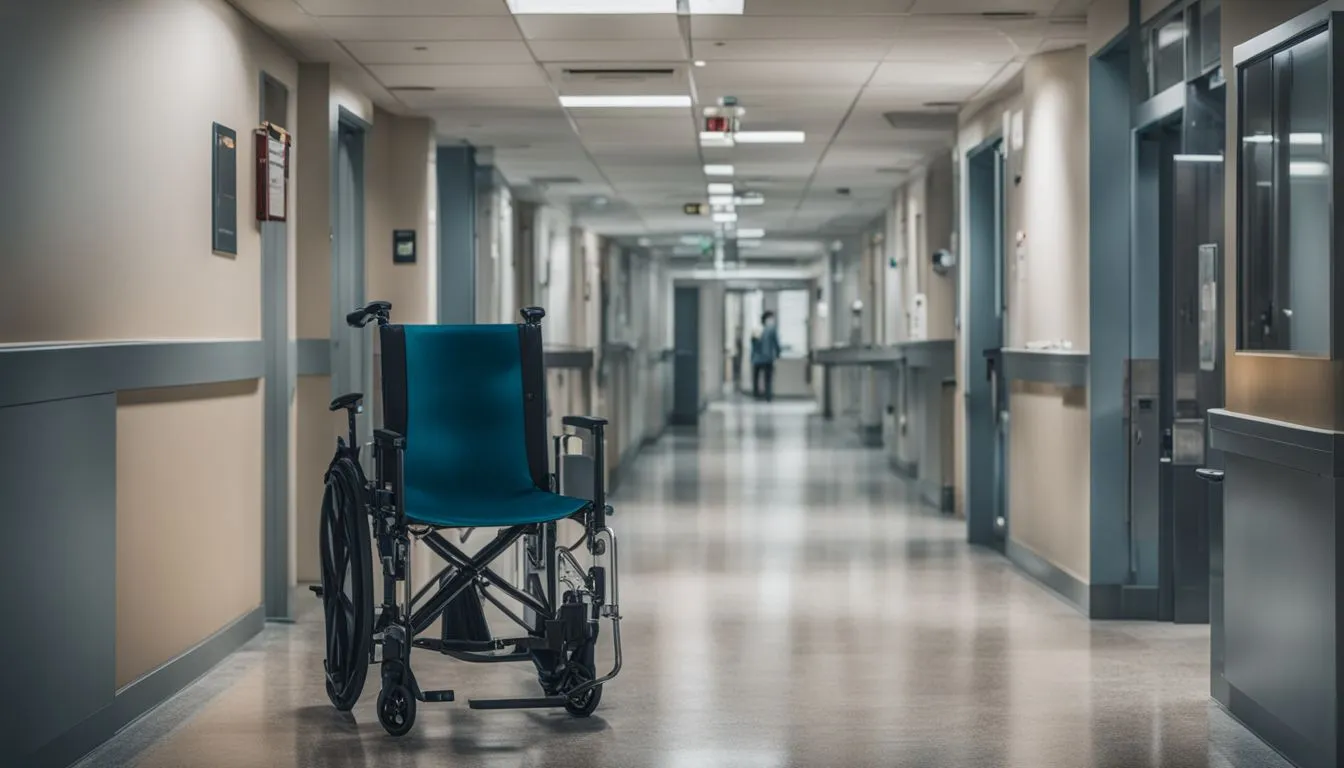
Effective safety cultures in hospitals face several challenges, such as unrealistic expectations of clinical perfection and regulatory and litigation barriers. Dive into our article for insights on overcoming these obstacles and creating a culture of safety that underpins patient welfare.
Unrealistic Expectations of Clinical Perfection
Unrealistic expectations of clinical perfection can hinder the development of a strong safety culture. Striving for flawless performance in healthcare without acknowledging the inevitability of human error may lead to increased stress and decreased morale among staff.
Embracing a more realistic approach, where errors are seen as opportunities for learning and improvement, can foster a supportive work environment that prioritises patient safety and continuous enhancement.
In an ever-evolving healthcare landscape, setting unattainable standards may stifle innovation and openness about safety concerns. Addressing these unrealistic expectations by promoting a culture that values transparency, collaboration, and ongoing improvement is crucial to ensuring sustainable progress in patient care.
Understanding the impact of such expectations on staff members is imperative in our pursuit of creating safe hospital environments that promote quality care delivery and overall well-being for both patients and employees.
Regulatory and Litigation Barriers
Navigating through the ever-changing realm of healthcare, we encounter regulatory and litigation barriers that underpin our efforts in enhancing safety cultures. Compliance with stringent regulatory requirements is necessary to ensure patient welfare and organisational sustainability.
Additionally, understanding and adhering to evolving laws, policies, and standards are crucial keywords in fortifying a culture of safety. These regulations create a robust framework guiding us towards establishing secure environments in hospitals while avoiding potential legal complexities.
As business owners seeking more than just standard quality care within our facilities, it is advisable to stay apprised of these regulatory nuances while tailoring initiatives designed to enhance patient safety.
Remember – it’s not merely about meeting the bare minimum but diving into meticulous compliance for a higher quality of care that unlocks the secrets to sustainable healthcare delivery.
Amidst this challenge, embracing these factors will help us unveil the secrets to overcoming barriers effectively as we progress towards enhancing safety systems within our healthcare organisations.
Progress in Creating Cultures of Safety

Hospitals have made significant progress in fostering cultures of safety, which is essential for ensuring patient welfare. To learn more about these developments and the impact on healthcare organisations, read on.
Case Study: Good Samaritan Hospital, Dayton, Ohio
Good Samaritan Hospital in Dayton, Ohio serves as an exemplary case study for creating a culture of safety within healthcare organisations. The hospital’s leadership’s commitment to safety and its ongoing efforts to engage and empower all employees have contributed significantly to its effective safety culture.
By promoting continuous learning from errors and near misses, the hospital has successfully established vital elements of a robust safety culture. These strategies not only enhance patient welfare but also demonstrate the value of implementing reliable barriers for patient safety in the everchanging healthcare environment.
Furthermore, Good Samaritan Hospital’s progress in creating a sustainable safety culture underscores the importance of organisational learning from errors and near misses, a critical element for enhancing overall patient safety.
Case Study: Kaiser Permanente
Transitioning from the case study at Good Samaritan Hospital, Dayton, Ohio, to our next example – Kaiser Permanente. This massive healthcare organisation is renowned for its unwavering commitment to patient safety and quality care delivery.
By utilising proactive safety measures and creating a culture of continuous improvement, Kaiser Permanente has set an exemplary standard in enhancing patient welfare and ensuring a safe healthcare environment.
Their robust safety barriers focus on medication safety strategies, effective team functioning, and organisational learning from errors; all contributing to a reliable safety culture that underpins their high-quality healthcare services.
Measuring Progress in Creating Safety Cultures

Healthcare organisations can measure progress in creating safety cultures by benchmarking their organisational safety culture. To learn more about this essential aspect, click here to continue reading.
Benchmarking Organisational Safety Culture
Benchmarking organisational safety culture allows us to measure our progress and compare it with other healthcare organisations. This process provides valuable insights into the effectiveness of our safety initiatives, revealing areas for improvement and best practices we can adopt.
By benchmarking our safety culture, we can identify key performance indicators, track trends over time, and make informed decisions to enhance patient safety within our facility. This proactive approach ensures that our safety measures are continually evolving in line with industry standards, thereby strengthening the overall quality of care we provide.
Implementing reliable barriers for patient safety
Barriers and Facilitators Influencing Sustainability of Hospital-based Interventions
Barriers and facilitators significantly impact the sustainability of hospital-based interventions. Understanding these factors is essential for achieving long-term success in enhancing patient safety and healthcare services.
It’s vital to navigate through these challenges effectively to ensure a safe and reliable healthcare environment.
Barriers
Unrealistic expectations of clinical perfection can hinder progress in creating a culture of safety. Regulatory and litigation barriers also present challenges to healthcare organisations striving to promote a safe environment for delivering care.
Overcoming these obstacles demands strategic planning and proactive measures that align with regulatory requirements, ensuring a safe healthcare setting for all stakeholders involved.
By recognising and addressing these barriers, business owners can enhance safety systems in healthcare organisations, ultimately improving the quality of care provided to patients.
Facilitators
Let’s transition from the barriers to exploring the facilitators influencing the sustainability of hospital-based interventions. Identifying and leveraging facilitators is crucial for effectively sustaining patient safety initiatives in healthcare settings.
Some key facilitators include strong leadership commitment, staff involvement and empowerment, open communication channels, a learning culture that encourages reporting errors and near misses, as well as continuous improvement efforts.
Engaging all employees in ongoing vigilance and organisational learning from errors are essential elements in fostering a culture of safety within healthcare organisations. These facilitators play a pivotal role in overcoming challenges while enhancing sustainable safety measures within hospitals.
Implementing reliable barriers for patient safety
Ensuring a safe healthcare setting
Role of External Environment in Structuring Safety

External environment factors significantly impact the safety culture of healthcare organisations. Regulatory requirements, community demographics, and geographical location all play a crucial role in establishing a safe healthcare setting.
For instance, local infection control measures and occupational health guidelines need to be tailored to address specific risks prevalent within the region. Understanding these external factors is essential for implementing reliable barriers for patient safety and improving safety systems in healthcare organisations.
Additionally, collaboration with relevant stakeholders such as public health agencies and emergency services is vital to ensure a safe environment for delivering care.
Implication of Theoretical Frameworks in Sustainability
Theoretical frameworks play a crucial role in guiding sustainable practices within healthcare organisations. These frameworks provide a structured approach to understanding the complex interplay of factors influencing the sustainability of safety initiatives.
By utilising established theories, such as systems thinking and complexity theory, we can gain valuable insights into how various elements within a healthcare setting interact and influence the effectiveness of safety measures.
This enables us to develop more targeted and effective strategies for sustaining patient safety efforts over the long term. Incorporating theoretical frameworks allows us to better comprehend the dynamic nature of healthcare environments, empowering us with tools to adapt our safety interventions to evolving challenges while ensuring ongoing reliability and efficacy in patient care.
Role of Resources in Negotiating Initiative Processes
Transitioning from the theoretical frameworks to negotiating initiative processes, it’s crucial for us as business owners to recognise the significance of resources in this context.
Mobilising adequate resources plays a pivotal role in driving successful safety initiatives within healthcare settings. Our commitment to patient welfare and safety culture should be mirrored by our allocation of suitable resources towards implementing reliable barriers for patient safety, such as medication safety strategies and building a safe environment for delivering care.
We must ensure that our healthcare organisations have the necessary infrastructure, technology, personnel, and financial support to sustain these essential initiatives effectively.
To negotiate initiative processes successfully, we need to leverage ample resources by engaging with all employees, investing in organisational learning from errors and near misses, and benchmarking our progress in creating safety cultures.
The facilitators influencing sustainability include leadership’s commitment to prioritising patient safety and engaging employees in ongoing vigilance. It is critical for us as business owners within healthcare services to understand that without sufficient resources allocated towards structuring a safe environment in hospitals with reliable barriers, our efforts may fall short of ensuring a high-quality and secure healthcare setting.
Importance of People Involved in Structuring Safety

Transitioning from the role of resources in negotiating initiative processes to the importance of people involved in structuring safety, it’s crucial to acknowledge the significant impact individuals have on creating and sustaining a safe healthcare environment.
The dedication, skills, and attitudes of all staff members, from frontline workers to senior management, play a vital role in establishing reliable barriers for patient safety. Engaging all employees in ongoing vigilance not only fosters a culture of safety but also ensures that every individual feels empowered and valued as part of the effort to enhance safety systems within healthcare organisations.
In addition to leadership commitment and organisational learning, actively involving people at all levels is essential for promoting a culture of safety that underpins high-quality care delivery.
Employees who feel supported and encouraged are more likely to navigate complexities effectively while contributing positively towards improving patient welfare and overall quality of care.
Impact of Organisational Setting on Safety Measures
Transitioning from the importance of people involved in structuring safety to the impact of organisational setting on safety measures, it’s crucial to recognise how the structure and culture within a healthcare organisation can significantly influence patient safety.
The organisational setting, including leadership styles, communication channels, and decision-making processes, plays a pivotal role in determining the success of safety measures. A well-organised and supportive environment promotes open communication, encourages accountability at all levels, and fosters a culture that prioritises patient welfare and quality care.
It also ensures compliance with regulatory requirements while promoting an overall culture of safety.
The impact of hospital leadership on establishing clear policies for patient safety cannot be overstated. Their commitment to creating a safe healthcare environment sets the tone for employee engagement in implementing reliable barriers for patient safety.
Additionally, effective organisational structures facilitate continuous improvement initiatives aimed at enhancing risk management strategies and promoting infection control practices, essential elements in building a safe workplace within any medical facility.
Sustainable Safety Solutions and the Emergence of Eco-Barriers
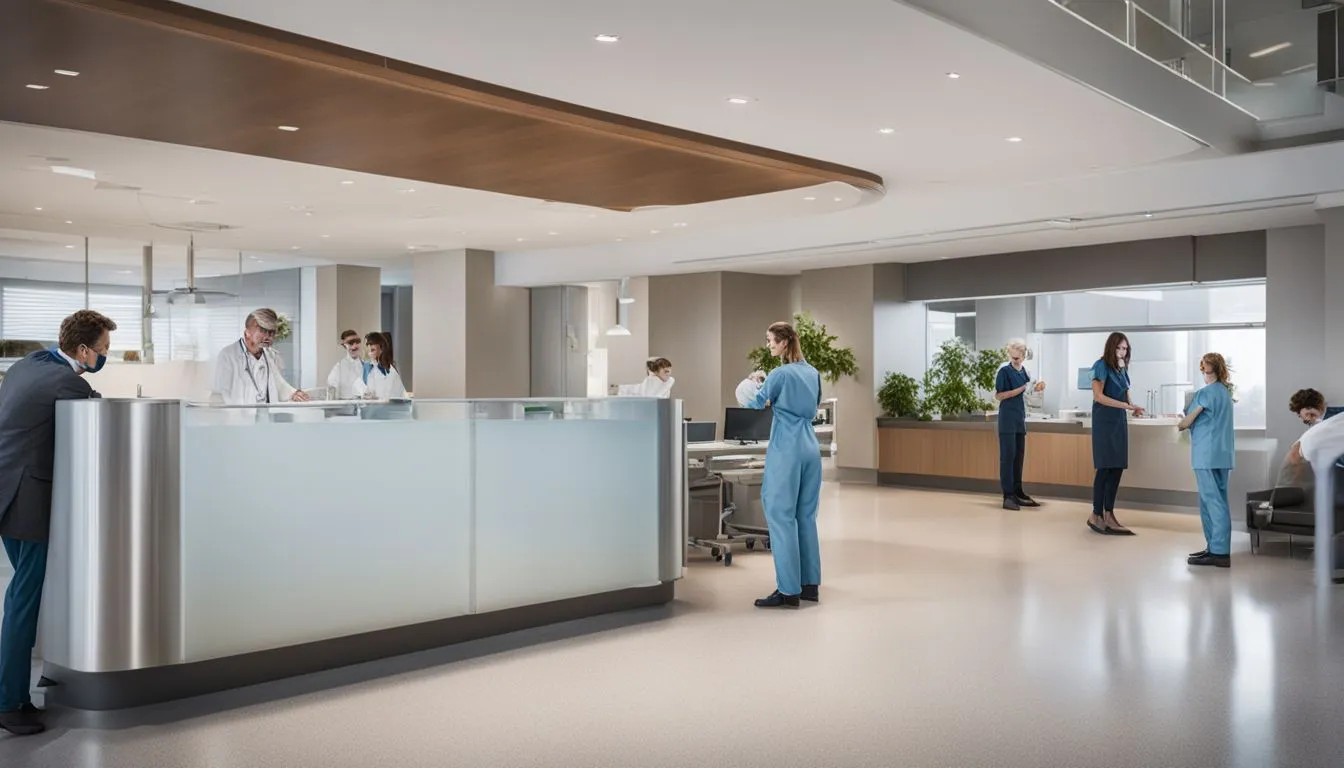
Transitioning from understanding the impact of organisational setting on safety measures to discussing sustainable safety solutions and emerging eco-barriers, it’s crucial to recognise the ever-evolving nature of healthcare environments.
As business owners navigating the complexities of patient welfare and regulatory requirements, we look towards not only enhancing our safety systems but also incorporating sustainable solutions.
In the world of healthcare services, embracing eco-barriers is not merely a daunting task but rather an essential step in ensuring a safe and secure healthcare environment for our patients.
We are seeking more than just traditional barriers; we are unlocking the secrets of integrating environmentally friendly solutions into our infrastructure. By uncovering robust eco-barriers designed to enhance patient safety, we can establish a high-quality and safe healthcare setting that aligns with the utmost standards of sustainability.
It is advisable for us as business owners to dive into this realm of innovation and explore tailored eco-barriers that underpin a culture of safety within our hospitals.
Conclusion
In summary, we have explored key principles for designing safety systems in healthcare and essential elements of an effective safety culture. We’ve also examined barriers to creating a culture of safety and highlighted case studies that demonstrate progress in this area.
The strategies provided are practical, easy to implement, and efficient, offering significant potential impact on patient welfare and the quality of care. If you’re seeking more than just theoretical frameworks, consider exploring further resources or engaging with services tailored towards sustaining a safe environment in hospitals.
Remember the importance of these approaches as they can lead to substantial improvements in patient safety and overall healthcare outcomes. Let’s work together to create a high-quality and safe healthcare environment!