
11 December 2023 · filed in Safety Barriers Sydney
Tailored Barrier Solutions: The Route to Enhanced Workplace Safety
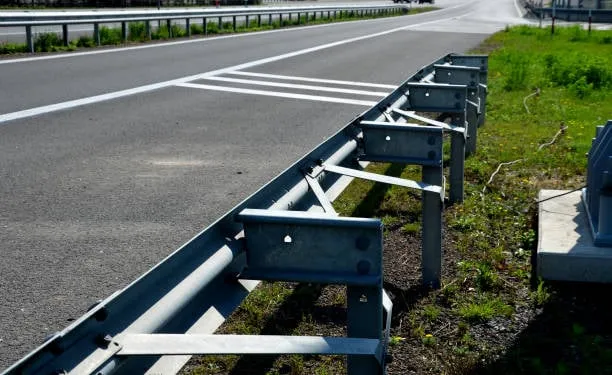
We’re diving into the world of workplace safety, carving out a niche for custom-made barrier solutions. Picture this: guards and partitions tailored to protect staff, lining our offices and factories, each uniquely designed to prevent accidents. Building safe places where we work isn’t just about avoiding mishaps; it’s also smart business sense. Every pound spent on safety gear and teaching workers how to avoid injuries saves heaps more by keeping everyone out of harm’s way.
Workspaces are full of risks, speeding forklifts, high-trafficked dock areas, conveyor belts zipping by, towering stacks of materials, the strain from lifting stuff all day or dealing with chemicals that make you go ‘yikes’. The right barriers can be game-changers in these spots. As technology gets cleverer, so do our defences against danger at work. Imagine sensors that yap warnings when trouble’s brewing or materials that shrug off damage like superheroes.
Staying sharp means sending workers to training sessions and always testing if everything is up to scratch, all worth pencilling into the budget book. While doing this heavy-lifting protects employees’ well-being from the shockwaves of worksite boo-boos financially backed up by compensation systems. People everywhere are hunting down tips for safer storehouses and obeying health rules is a big deal not only because it keeps us healthy but also because breaking laws is not on anyone’s wish list. Let’s set the stage as we uncover why tailored barriers are vital shields in today’s workplaces, your guidebook awaits!
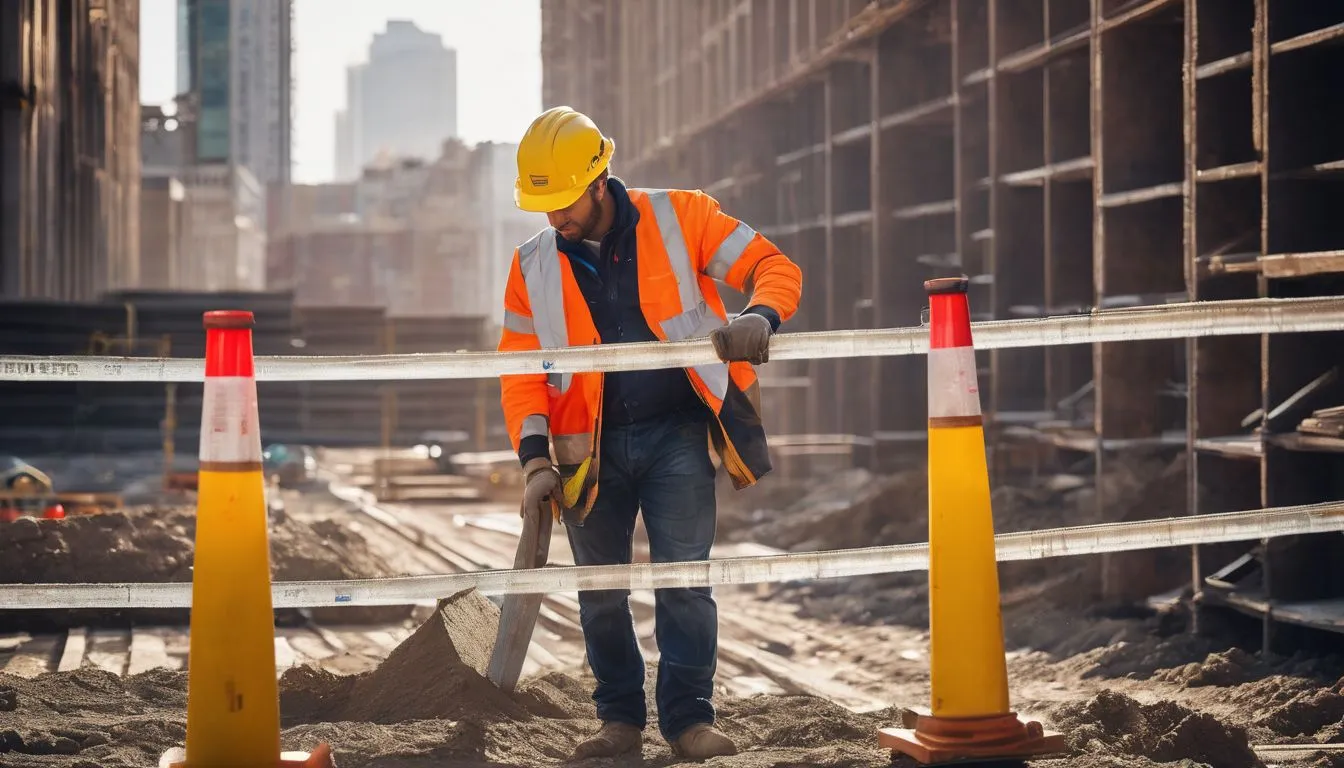
Importance of Safety Barriers in the Workplace
Safety barriers in the workplace are crucial for increasing staff awareness, aligning with policies, providing protection for people and assets, and safeguarding against hazards and accidents.
They play a vital role in maintaining a safe and risk-free environment for all employees.
Increase staff awareness
We understand that keeping our team well-informed is vital in fostering a safe work environment. By regularly educating staff about the importance of safety barriers and proper spill control, we build a culture where everyone is mindful of risks and committed to prevention.
Training sessions highlight the crucial role these barriers play in mitigating hazards, from pedestrian traffic management to securing dangerous equipment.
Our approach involves clear communication about workplace safety protocols, equipping employees with the knowledge they need to operate safely. We make sure personal protective equipment (PPE) updates and workplace signage are visible and understood by all.
It’s more than just sharing information; it’s about empowering our workers to be proactive participants in their own safety and creating an occupational health consciousness that permeates every task they undertake.
Align with policies
Safety barriers play a crucial role in aligning with workplace policies and regulations to ensure a safe working environment for employees. By implementing tailored barrier solutions that adhere to occupational health and safety standards, businesses can demonstrate their commitment to hazard control and workplace safety.
These customised safety measures not only help mitigate workplace hazards but also contribute to complying with warehouse health and safety regulations, ultimately reducing the risk of accidents and injuries.
Furthermore, by aligning with policies through personalised safety barriers, businesses can minimise the cost and impact of work-related injuries while promoting a culture of occupational safety within their workforce.
The implementation of customised barrier solutions aligned with policies reflects our dedication to maintaining a risk-free workplace environment while addressing common warehouse safety hazards such as forklifts, conveyors, manual handling, and hazardous chemicals.
Provide protection for people and assets
Workplace safety barriers are crucial for safeguarding employees, visitors, and valuable assets. Robust physical barriers can prevent accidents by creating a clear separation between potential hazards and individuals.
Investing in reliable safety equipment like low-level barriers and lift-out rail barriers reduces the risk of workplace incidents while protecting valuable assets. By identifying potential dangers such as forklifts, hazardous chemicals, and manual handling, tailored barrier solutions contribute to creating a risk-free work environment.
Deploying effective safety signs increases staff awareness of potential hazards within the workplace. Customised spill containment systems also play a vital role in mitigating risks associated with hazardous materials.
Safeguard against hazards and accidents
Safety barriers are crucial for mitigating workplace hazards and preventing accidents. By investing in tailored barrier solutions and ensuring their effectiveness, business owners can significantly reduce the risk of workplace injuries and related costs.
Identifying common warehouse safety hazards such as forklifts, manual handling, and hazardous chemicals is essential in designing effective safety barriers that address these specific risks.
Moreover, integrating technology solutions into safety systems can further enhance hazard mitigation efforts by providing real-time monitoring and alerts for potential dangers. Proactively safeguarding against hazards ensures a secure work environment and promotes a culture of safety among employees.
Different Types of Safety Barriers
Whether it’s physical, non-physical, or natural barriers, there are various options available to ensure the safety of your workplace. Learn more about these barrier types and how they can benefit your business.
Physical barriers
Physical barriers play a crucial role in workplace safety by providing tangible protection against potential hazards. Implementing physical barriers such as guardrails, bollards, and safety fences can effectively prevent unauthorised access to dangerous areas and create safe pathways for employees and visitors.
These barriers not only act as a visual reminder of restricted zones but also offer physical resistance to mitigate the risk of accidents caused by machinery, vehicles, or falling objects.
By strategically placing physical barriers in high-risk areas within the workplace, business owners can significantly reduce the likelihood of workplace injuries and property damage.
Despite warehouse safety regulations being relevant guidelines for ensuring workplace safety, implementing tailored barrier solutions is equally important for mitigating risks associated with industrial operations.
The use of physical barriers complements other safety measures like personal protective equipment (PPE) and storage solutions to create a comprehensive approach towards achieving a risk-free workplace environment.
Non-physical barriers
Non-physical barriers, such as administrative controls and work policies, play a crucial role in ensuring workplace safety. These include clear communication of safety procedures, regular training on hazard mitigation, and strict enforcement of safety protocols.
By implementing these measures, businesses can effectively reduce the risk of accidents and create a safer working environment for employees.
Safety signs and signals also fall under non-physical barriers, contributing to enhanced awareness and accident prevention in the workplace. Implementing clear signage for hazards, traffic flow, personal protective equipment (PPE) requirements, and emergency exits can significantly improve overall workplace safety.
Natural barriers
When considering workplace safety, natural barriers play a crucial role in creating a secure environment for staff and assets. Natural barriers, such as landscaping, water bodies, and topographical features, can help to delineate safe zones from potential hazards.
Dense shrubbery or trees can act as visual screens to prevent unauthorised access, while ponds or ditches can provide a physical barrier against vehicle intrusion. Additionally, natural barriers like hills or slopes may serve to naturally segregate different work areas within the facility.
Using smartly designed natural barriers not only enhances the aesthetic appeal of the workplace but also contributes to effective hazard mitigation. In conjunction with other safety measures and equipment, these solutions are integral in minimising workplace accidents and injuries while aligning with sustainability goals by leveraging existing environmental features.
Design Principles for Effective Safety Barriers
Ensuring visibility, durability, and flexibility are crucial for creating effective safety barriers in the workplace. These design principles play a key role in protecting staff and assets from potential hazards and accidents.
Visibility
Ensuring that safety barriers are highly visible is crucial for preventing workplace accidents. Bright colours and reflective materials can enhance the visibility of barriers, making them easily noticeable to employees and visitors.
This helps to create a safer work environment by reducing the risk of collisions or accidental impact with barriers.
Improved visibility can also help in directing traffic flow and indicating restricted areas, further enhancing workplace safety. By utilising high-visibility safety barriers, businesses can effectively communicate potential hazards and ensure that employees are aware of their surroundings at all times.
Durability and strength
Safety barriers in the workplace must exhibit durability and strength to effectively protect against potential hazards. Investing in robust barriers, such as fully welded barriers or impact-resistant materials, can significantly reduce the risk of workplace accidents and injuries.
Workplace safety is paramount, and by ensuring that safety barriers are durable and strong, business owners can create a secure environment for both their staff and assets.
Implementing heavy-duty safety barriers not only aligns with workplace health and safety regulations but also provides long-term cost savings by preventing unnecessary expenses caused by accidents.
Flexibility and adaptability
When addressing workplace safety barriers, flexibility and adaptability are crucial. Safety barrier systems should be designed to accommodate changes in the environment and work processes, allowing for easy adjustments as needed.
Flexibility enables the barriers to conform to various settings within the workplace, while adaptability ensures that they can be modified or expanded to meet evolving safety requirements.
It’s essential for business owners to invest in barrier solutions that offer both flexibility and adaptability, providing long-term protection against potential hazards.
Workplace safety barriers with high levels of flexibility and adaptability help address dynamic safety needs by accommodating different scenarios such as layout changes, equipment upgrades, or new personnel.
Tailored Barrier Solutions for Different Environments
Tailored barrier solutions are essential for different environments to ensure the safety and protection of staff, assets, and visitors. From roadways and industrial sites to commercial spaces, each environment requires a unique approach to address specific hazards and risks.
Roads and motorways
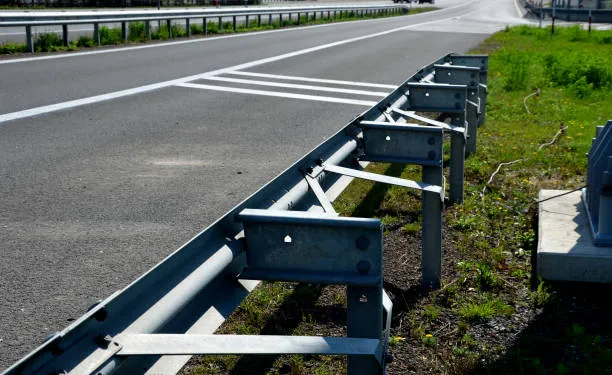
Safety barriers are crucial for ensuring the protection of both employees and assets on roads and motorways. Implementing robust physical barriers, such as guardrails and crash cushions, is essential to minimise the risk of accidents and provide a high level of visibility.
Furthermore, incorporating non-physical barriers like speed restrictions and traffic calming measures can significantly contribute to enhancing pedestrian safety systems within workplace surroundings, reducing the potential for hazards.
Utilising tailored barrier solutions in these environments aligns with workplace security policies while safeguarding against workplace hazard mitigation. It’s imperative that business owners invest in effective safety measures tailored to roadways and motorways to ensure a risk-free workplace, mitigate accident prevention risks, and uphold industrial safety standards.
Industrial and construction sites
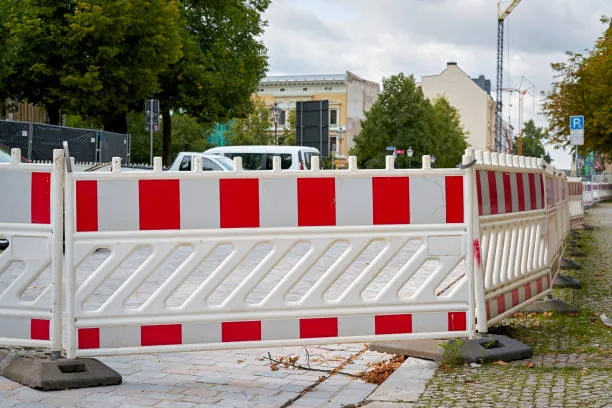
Industrial and construction sites require robust safety barriers to reduce workplace accidents. The use of physical barriers such as guardrails, bollards, and fencing helps to segregate pedestrians from moving vehicles and machinery, preventing potential collisions.
Implementing non-physical barriers like warning signs, floor markings, and designated walkways can effectively guide workers around hazardous zones. These tailored barrier solutions play a vital role in protecting employees and assets in dynamic industrial environments where the risk of workplace incidents is higher.
Tailored workplace protection at industrial and construction sites involves considering factors such as heavy machinery movement, overhead hazards, and temporary structures. As business owners, it’s essential to invest in custom-designed safety barriers that address these specific risks with durable materials for long-term effectiveness.
Commercial and public spaces
When considering safety in commercial and public spaces, it’s essential to implement tailored barrier solutions that address the unique challenges of these environments. By investing in workplace safety barriers and training programmes, business owners can significantly reduce the risk of accidents and injuries.
Personal protective equipment (PPE) is crucial for employees working in commercial or public settings to mitigate workplace hazards effectively. Furthermore, aligning with warehouse health and safety regulations ensures a safe environment for both employees and visitors, reducing the risk of potential accidents.
Implementing durable physical barriers such as guardrails or bollards can provide protection for people and assets in commercial and public spaces. Enhancing visibility through bright colours or reflective materials on these barriers increases staff awareness, contributing to a safer work environment.
The Future of Safety Barriers: Innovations and Trends
As technology advances, smart barrier systems and environmentally friendly materials are shaping the future of workplace safety. To learn more about how tailored barriers can improve safety in your workplace, read our full blog now.
Smart barrier systems
Smart barrier systems are revolutionising workplace safety by integrating cutting-edge technology and advanced sensors to provide real-time hazard detection and warning capabilities.
These innovative barriers can identify potential dangers such as moving machinery, vehicular traffic, or unauthorised access, alerting employees and mitigating risks before accidents occur.
Incorporating smart barrier systems into the workplace not only enhances protection for personnel and assets but also aligns with the evolving industrial safety standards.
These high-tech solutions go beyond traditional physical barriers by offering a proactive approach to risk prevention, reducing the likelihood of workplace accidents and injuries. With an emphasis on continuous monitoring and instant response mechanisms, smart barrier systems represent a forward-thinking investment in achieving a risk-free workplace environment.
Environmentally friendly materials
Business owners, consider the use of environmentally friendly materials for safety barriers to align with sustainability goals and reduce environmental impact. Choosing materials like recycled steel or composite barriers can contribute to a greener workplace while maintaining high safety standards.
Incorporating sustainable options not only supports eco-friendly initiatives but also sets an example for staff and visitors, reinforcing your commitment to a safe and environmentally conscious work environment.
As we explore the benefits of incorporating environmentally friendly materials in safety barriers, let’s delve into additional innovations shaping the future of workplace safety measures.
Aesthetic considerations
Transitioning from environmentally friendly materials to aesthetic considerations, we understand that the visual appeal of safety barriers in a workplace setting plays a significant role.
Employing aesthetically pleasing designs for safety barriers can foster a positive and professional image for your business while maintaining a safe environment for employees and visitors.
Incorporating sleek and modern designs not only enhances the overall look of your workspace but also conveys an impression of professionalism and attention to detail.
Enhancing the aesthetics of safety barriers through design elements such as colour options, sleek finishes, and visually appealing textures can contribute to creating an inviting atmosphere within your workplace.
By utilising attractive barrier solutions that seamlessly integrate with your surroundings, you are demonstrating a commitment to both safety and visual harmony within your work environment.
Maintenance and Inspection of Safety Barriers
Regular maintenance and inspection of safety barriers is crucial for ensuring their effectiveness in preventing workplace accidents. Addressing wear and tear, performing upgrades, and replacing damaged barriers are essential tasks to keep the workplace safe.
Regular check-ups and reporting
Regular check-ups and reporting play a crucial role in maintaining the effectiveness of safety barriers. We conduct routine inspections to identify any signs of wear or damage, ensuring that our workplace remains risk-free.
Our team immediately reports any issues found during these check-ups, allowing for prompt maintenance and repair to prevent potential workplace accidents.
Maintaining a proactive approach towards regular inspection and reporting not only aligns with warehouse health and safety regulations but also helps in preventing unnecessary costs caused by accidents.
Addressing wear and tear
To maintain the effectiveness of safety barriers, addressing wear and tear is crucial. Regular inspections are essential for identifying any signs of damage or degradation. Prompt repairs or replacements ensure that the barriers continue to provide optimal protection for people and assets within the workplace environment.
Upgrades and replacements should be carried out as necessary to uphold the durability and strength of safety barriers. This proactive approach not only mitigates potential hazards but also aligns with workplace safety regulations, minimising the risk of accidents and injuries.
Investing in maintenance and timely interventions safeguard against unnecessary costs caused by workplace incidents, contributing to a risk-free work environment for all staff members.
Upgrades and replacements
When considering upgrades and replacements for safety barriers, it is crucial to assess the current condition of existing barriers and identify any deficiencies. Regular inspections should be conducted to detect wear and tear, damage, or outdated designs that may compromise workplace safety.
It’s essential to prioritise the replacement of old or damaged barriers with modern options that offer improved durability, strength, and flexibility. By embracing innovative materials and smart barrier systems, businesses can ensure a safer environment while staying ahead of industry trends.
Investing in the maintenance and upgrading of safety barriers demonstrates a commitment to employee well-being and mitigates potential risks. Implementing tailored barrier solutions based on specific workplace needs can effectively reduce accidents and injuries.
Conclusion
Workplace safety barriers play a pivotal role in reducing accidents and ensuring a risk-free environment. The practical strategies discussed, including tailored barrier solutions and regular maintenance, are easy to implement and highly efficient.
Implementing these approaches can have a significant impact on workplace safety, minimising unnecessary costs and improving overall productivity. Business owners should explore further resources to enhance their understanding of tailored barrier solutions for specific environments.
Let’s take proactive steps towards creating safer workplaces for everyone involved.