
28 December 2023 · filed in Safety Update
Tailored Barriers Safety Measures for the Food Industry
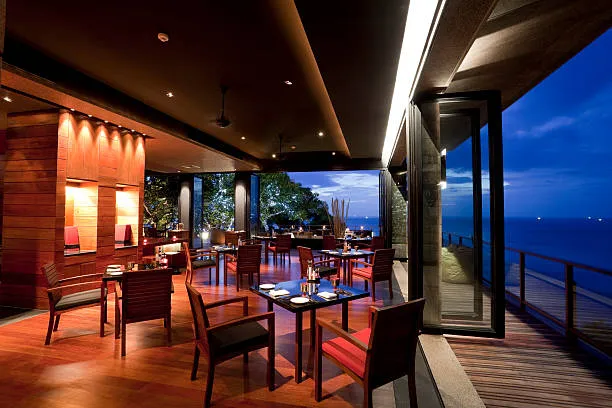
Welcome to our exploration of Food Industry Safety and how tailored barriers play a critical role in securing operations. Protecting workers and consumers from harm, these specialised barriers are designed to meet the unique needs of food production and service environments. From bustling kitchens to serene dining areas, safety is a paramount concern that requires custom solutions like those offered by Verge Safety Barriers.
Understanding why these barriers are so vital takes us into the heart of safe food handling practices. In light of recent studies, we know that following these practices can be challenging but crucial for maintaining public health. With an eye on trends such as process automation and sustainability, it’s clear that industry standards are evolving in 2022.
The maintenance of stringent cleanliness protocols is more than just best practice; it’s essential for companies aiming to keep up with Australia’s food safety regulations. A key part of this upkeep involves analysing incidents when contamination occurs, a process known as Root Cause Analysis (RCA). Undertaking RCA not only uncovers issues but also ensures they’re rectified effectively.
Sharing the findings from RCAs isn’t just about fixing problems within one establishment; it’s about contributing to global knowledge on foodborne illnesses which organisations like the WHO use for creating safer strategies worldwide. Their goals align directly with providing sufficient and nutritious foods as pillars for sustainable development.
Executing these rigorous standards means fewer chances for illness caused by contaminated foods, something all businesses strive against ardently. Let’s delve deeper into how tailored barriers help uphold these efforts while keeping both customers and staff out of harm’s way. Stay secure.
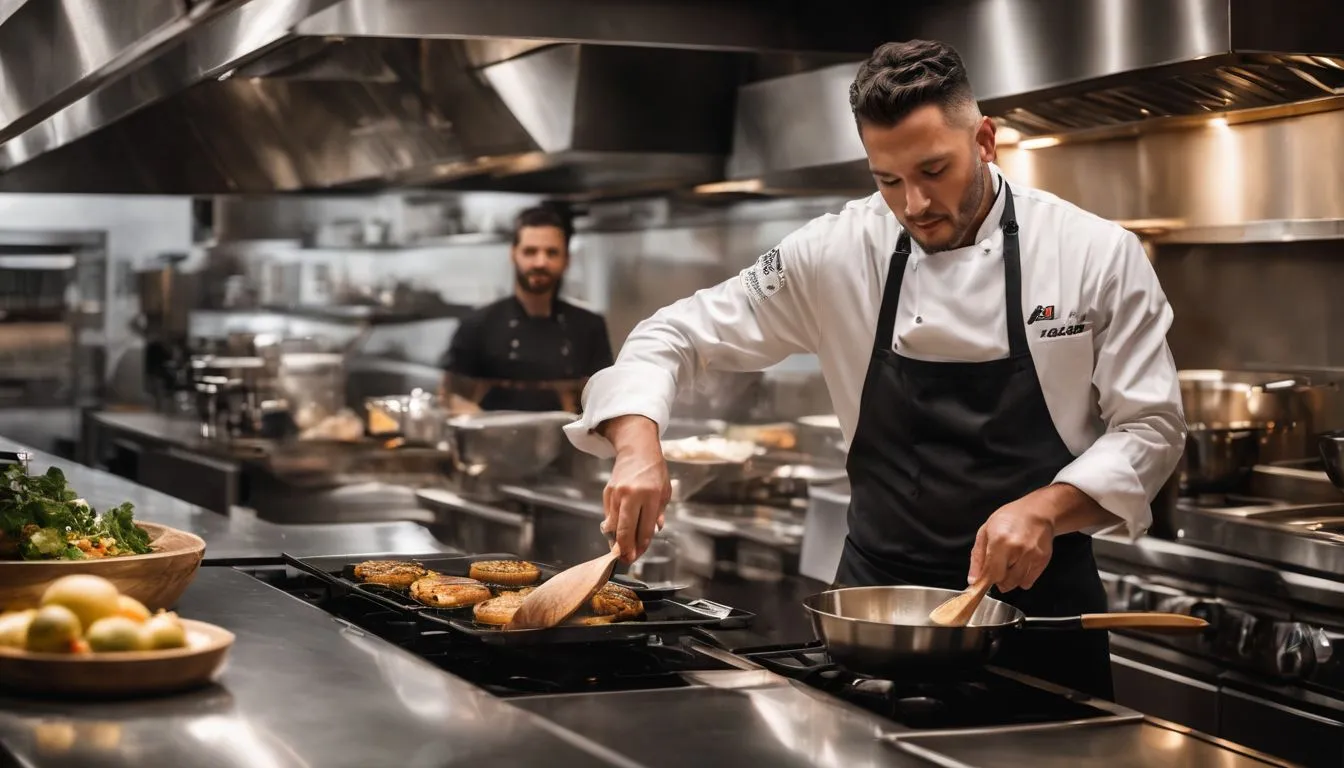
Importance of Barriers and Railings in the Food Industry
Barriers and railings play a crucial role in creating a safer work environment and securing operations in the food industry. With customisation options from Verge Safety Barriers, businesses can tailor their barriers to fit their specific needs.
Creating a safer work environment
Safety in the workplace is a crucial focus for us, especially within the food industry. We take pride in our role to protect both our employees and customers from potential hazards.
By integrating customised barriers into our operations, we effectively minimise risks associated with food processing and handling. This not only adheres to industry standards but also reinforces hygiene protocols that are essential for maintaining high-quality production lines.
By putting these protective measures in place, we demonstrate our commitment to employee health and well-being. Our workplace becomes a beacon of safety regulations compliance, which paves the way towards fostering a culture where everyone values and priorities contamination control.
Investing in specialised barrier systems is more than just meeting requirements; it’s about actively engaging in risk management that safeguards every person who interacts with our business on a daily basis.
Securing operations
Implementing tailored barriers and railings in food industry operations enhances workplace safety, ensuring compliance with safety standards while minimising the risk of workplace hazards.
Customised barriers from Verge Safety Barriers provide flexible options to create a safer work environment, safeguarding employees and customers alike. These solutions play a crucial role in preventing accidents, reducing operating costs, and increasing customer trust.
With various types of tailored barriers available for the food industry such as restaurant booth dividers, hanging sneeze guards, floor standing barriers, and mobile partition walls; businesses can secure their operations without compromising on functionality or aesthetics.
To effectively establish a safe operational environment within the food industry, customised safety measures are paramount in maintaining hygiene practices and adhering to warehouse safety protocols.
Aligning with these essential components not only ensures employee health and hygiene but further implements necessary precautions against potential workplace hazards. Tailored barriers serve as protective shields for both staff members and consumers while upholding industrial safety measures crucial for achieving an overall robust framework for food service establishments.
Customisation options with Verge Safety Barriers
We can tailor Verge Safety Barriers to fit the specific needs of your food operation. These barriers offer a range of customisation options, including different heights and lengths, as well as various mounting solutions.
The ability to customise these barriers allows you to create designated areas within your facility while maintaining visibility and accessibility for both staff and customers.
With Verge Safety Barriers, you can ensure that your workspace is optimally secured without compromising on the operational flow. Customising these barriers allows you to address specific safety concerns within your food processing or service environment.
Types of Tailored Barriers for the Food Industry
“Restaurants in the food industry can benefit from tailored barriers such as restaurant booth dividers, hanging sneeze guards, floor standing barriers, and mobile partition walls to create a secure environment for both customers and staff.”
Restaurant booth divider
Restaurant booth dividers are an essential part of creating a safe and secure environment for both customers and staff in food service establishments. These custom-designed barriers help to maintain physical distance between diners, reducing the risk of airborne transmission of contaminants.
They also provide a level of privacy for diners while maintaining an open and inviting atmosphere within the restaurant. Utilising restaurant booth dividers is crucial in complying with safety regulations in the food industry, ensuring that patrons feel confident about their dining experience.
Moving on to discuss the next type of tailored barrier for food industry operations – hanging sneeze guards, which play a vital role in preventing cross-contamination and protecting food from potential hazards.
Hanging sneeze guard
Transitioning from restaurant booth dividers, hanging sneeze guards provide an additional layer of protection in food service settings. These transparent barriers are suspended from the ceiling to shield food items and staff from airborne contaminants without obstructing visibility.
Hanging sneeze guards offer a versatile solution for maintaining hygiene while accommodating various kitchen layouts and customer service areas. They contribute significantly to preventing workplace hazards by minimising the spread of germs and enhancing cleanliness within food preparation zones.
Verge Safety Barriers’ customisation options ensure that hanging sneeze guards can be tailored to fit specific requirements, providing a practical and aesthetic addition to any food service environment.
Floor standing barrier
Transitioning from the hanging sneeze guard, another essential tailored barrier for the food industry is the freestanding barrier. These barriers are versatile and can be used to create physical separation between different areas in a food establishment.
They provide an effective way to maintain social distancing and minimise direct contact between customers and staff, contributing to a safer environment.
Freestanding barriers offer businesses flexibility in design options while ensuring compliance with safety standards. The use of customised barriers for food operations supports hazard prevention by creating designated spaces for food preparation and service, ultimately enhancing food safety practices.
Mobile partition wall
The mobile partition wall is a versatile solution for creating temporary divisions within food service establishments. It provides the flexibility to quickly adapt and reconfigure spaces as needed, allowing for efficient crowd control or designated areas for food preparation.
With its portable design, it can be easily moved to different locations within the premises, providing an adaptable barrier solution that meets varying operational needs. This type of barrier ensures compliance with safety standards while offering businesses the ability to maintain a safe and organised environment.
By utilising a mobile partition wall, businesses can effectively separate dining areas from high-traffic zones or designate specific sections for food preparation, enhancing overall hygiene practices and customer safety.
The mobility of this barrier allows for seamless adjustments based on changing requirements, ensuring optimal functionality and improved workflow efficiency in busy food service environments.
Benefits of Using Tailored Barriers
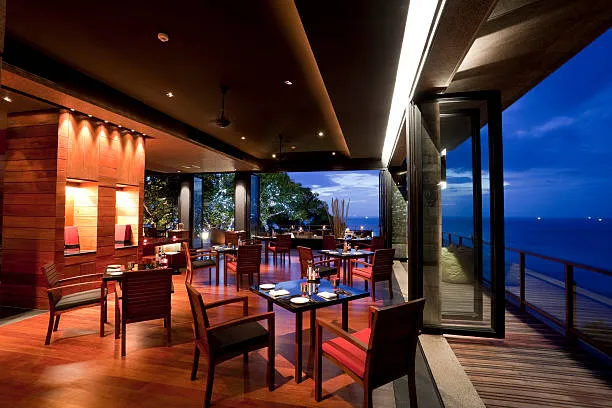
Utilising tailored barriers in the food industry provides protection for both customers and staff, ensuring compliance with safety standards while reducing operating costs. With increased customer trust, businesses can maintain a safe and secure environment for all stakeholders involved.
Protection for customers and staff
Implementing proper food safety measures is crucial to protect both customers and staff from potential health risks. Adhering to food safety standards not only ensures the well-being of patrons but also fosters a safe working environment for employees, promoting their health and productivity.
Compliance with these standards helps in preventing foodborne illnesses and upholding customer trust, essential for sustainable business operations.
Australia emphasises the enforcement of stringent regulations to uphold food safety, indicating a commitment to providing safe and nutritious foods for all. Implementing tailored barriers such as restaurant booth dividers, hanging sneeze guards, floor-standing barriers, and mobile partition walls can serve as effective protective measures against potential contamination hazards while enhancing customer experience and employee well-being.
Compliance with safety standards
To ensure the protection of customers and staff, compliance with safety standards is imperative in the food industry. Adhering to strict regulations not only fosters a safe environment but also builds trust with consumers.
Implementing food safety standards in Australia is crucial for preventing foodborne illnesses and upholding public health. By meeting these standards, businesses can demonstrate their commitment to delivering safe and nutritious foods, contributing to sustainable development goals and enhancing overall well-being.
Following safety guidelines also aligns with the WHO’s global strategy for food safety, emphasising sufficient, safe, and nutritious foods as essential components of a healthy society.
Reduced operating costs
Implementing tailored barriers in your food industry operations can lead to reduced operating costs. By creating a safer work environment and securing operations with Verge Safety Barriers, you can minimise the risk of accidents and injuries.
This proactive approach not only protects your staff and customers but also helps in avoiding potential expenses related to workplace incidents, such as workers’ compensation claims, medical bills, and production downtime.
Furthermore, compliance with safety standards through the use of customised barriers ensures that you avoid costly fines or penalties due to non-compliance. With increased customer trust resulting from visible safety measures in place, the likelihood of negative incidents occurring decreases, ultimately contributing to lower overall operational expenses.
Increased customer trust
Implementing tailored barriers in your food service establishment not only ensures the safety and well-being of your customers and staff but also fosters an environment that promotes trust.
By demonstrating a commitment to protecting the health and safety of all individuals within your premises, you can instil confidence in your customers, leading to increased satisfaction and loyalty.
Tailored barriers serve as visible indicators of your dedication to maintaining high standards of cleanliness, organisation, and safety, thereby enhancing the overall customer experience.
Conducting a Food Safety Root Cause Analysis
By conducting a Food Safety Root Cause Analysis, businesses can identify the underlying causes of food safety issues and implement effective solutions. Find out how to conduct an RCA and improve your food industry operations now!
Introduction of the guide
When conducting food safety root cause analysis, it is crucial to follow a systematic approach to identify the underlying causes of food contamination events and outbreaks. By understanding the factors that contribute to food safety issues, businesses can develop effective solutions and prevent future incidents.
Root cause analysis enables business owners in the food industry to uncover weaknesses in their current food safety practices, ultimately leading to improvements in overall operations and customer trust.
As we delve into the steps for conducting an RCA and explore tools commonly used, business owners will gain valuable insights into enhancing their food industry safety measures. The guide aims to provide practical strategies for addressing potential barriers while securing operations with tailored barriers in the ever-changing landscape of food safety regulations.
Steps for conducting an RCA
To conduct a root cause analysis (RCA) in the food industry, follow these steps:
- Identify the problem or issue that needs to be investigated, such as a food contamination event or outbreak.
- Gather relevant data and information related to the incident, including production records, employee schedules, and customer complaints.
- Assemble a cross – functional team of experts from different areas of the business to provide diverse perspectives on the issue.
- Use tools like process maps, fishbone diagrams, and 5 Whys analysis to delve into the root causes of the problem.
- Analyse the contributing factors that led to the incident, considering equipment malfunction, human error, or procedural breakdowns.
- Develop an action plan to address the identified root causes and prevent similar incidents from occurring in the future.
Tools commonly used
When conducting a food safety root cause analysis in the food industry, tools commonly used include process flow diagrams, fishbone diagrams, and 5 Whys. These tools help to identify the underlying causes of food safety issues and develop effective solutions.
Process flow diagrams provide a visual representation of the steps involved in food production, allowing businesses to pinpoint potential areas for contamination or mishandling. Fishbone diagrams, also known as Ishikawa or cause-and-effect diagrams, allow for categorisation of factors contributing to an issue; this assists in understanding where improvements can be made.
The 5 Whys technique involves asking “why” repeatedly to delve deeper into the root cause of a problem, facilitating thorough investigation and resolution.
Communication of RCA Findings
Effective communication of RCA findings is crucial in ensuring that corrective actions are implemented and future incidents are prevented. Utilising the findings for external purposes, such as demonstrating commitment to food safety, can also enhance customer trust and reputation.
Importance of communicating findings
Communication of root cause analysis findings is crucial for implementing effective solutions and preventing future food safety incidents. Clear and concise dissemination of findings to all stakeholders, including employees, management, and regulatory authorities, fosters a culture of transparency and accountability within the food industry.
Moreover, sharing RCA findings externally with suppliers and customers demonstrates a commitment to continuous improvement in food safety practices, ultimately enhancing trust and confidence in the brand.
Effective communication of RCA findings allows businesses to collaboratively address underlying issues that may compromise food safety standards. It provides an opportunity for industry-wide learning and improvement as well as reinforces the commitment to ensuring safe and nutritious foods for consumers.
Utilising RCA findings for external purposes
Upon obtaining RCA findings, we can leverage this valuable information to bolster external communication and transparency. By sharing our learnings with consumers and industry stakeholders, we foster trust and demonstrate our commitment to food safety.
This proactive approach not only strengthens relationships but also showcases our dedication to addressing food safety concerns within the broader community.
Externally disseminating RCA findings enables us to contribute to the ongoing improvements in food safety practices across the industry. Such openness aligns with global strategies for food safety advocated by organisations like WHO, emphasising the importance of collaborative efforts for sustainable development goals.

Conclusion
Tailored barriers play a pivotal role in securing operations and enhancing safety within the food industry. The various types of customised barriers, ranging from restaurant booth dividers to mobile partition walls, offer practical solutions for creating a safer work environment and complying with safety standards. Food industry specific safety measures need to be tailored to the unique challenges faced. Trust Verge Safety Barriers for customised solutions that cater to your specific operational needs.
By implementing these tailored barriers, businesses can effectively protect both customers and staff while reducing operating costs and increasing customer trust. How will you incorporate these efficient strategies into your food service establishment? Start by assessing the unique needs of your premises and exploring tailored barrier options to elevate safety measures. Remember, prioritising food industry safety through personalised barriers is a proactive step towards fostering trust and ensuring optimal security within your operations.