
1 April 2024 · filed in Safety Update
The Anatomy Of High-quality Equipment: A Deeper Look At Barrier Standards

Finding gear that doesn’t chuck a wobbly after a couple of uses? Mate, you’re not the only one. We’ve been down that rabbit hole, done our homework, and struck gold. This yarn’s gonna steer you through the jungle of barrier standards so your kit is fair dinkum.
Keen to up your game?
Understanding the Concept of High-Quality Equipment
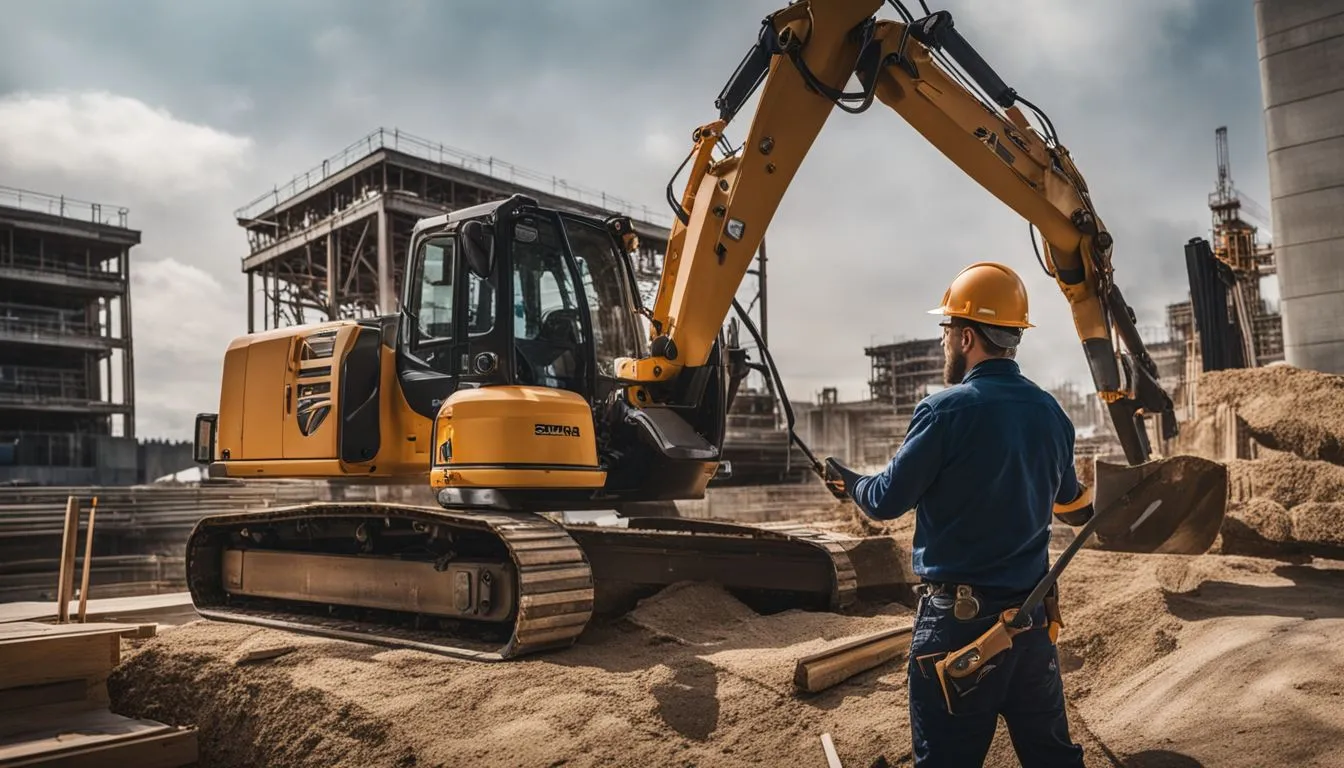
Understanding high-quality equipment means spotting the difference between a tool that barely gets the job done and one that exceeds your expectations every time. We’re talking about gear that doesn’t throw in the towel after a few uses, but rather, sticks around, proving its worth day in and out.
It’s like comparing a sturdy workhorse to a fragile show pony; both might look good at first glance, but only one has what it takes to face the daily grind head-on.
Grasping this concept guides us in choosing products that aren’t just up to snuff for today’s tasks but are ready to tackle tomorrow’s challenges too. This foresight ensures we invest wisely, not splurging on flashy gadgets that fizzle out faster than last year’s trends.
High-quality equipment shines through its performance, it’s reliable, efficient, and a true ally in our quest for success. It turns everyday obstacles into minor blips on the radar of our productivity journey.
Key Characteristics of High-Quality Equipment
High-quality equipment must be durable, functional, safe, efficient, and cost-effective. It’s crucial that our equipment meets these standards to ensure optimal performance and longevity.
Understanding the essential characteristics of high-quality equipment is fundamental to making informed decisions about the right tools for our business operations.
Durability
Durability stands as a cornerstone in the anatomy of high-quality equipment. We reckon it’s something you can’t afford to overlook, especially when your gear copes with daily demands.
Think about it – what good is the slickest design or the most advanced technology if it falls apart faster than a house of cards? Our mantra? Build stuff that lasts. Whether we’re talking work zone barriers or medical imaging devices, they’ve got to withstand not just time, but also the wear and tear of everyday use.
Let’s face facts; nobody fancies calling in for repairs or replacements every so often. That’s why we insist on materials and manufacturing processes that stand up to the test, come rain, hail or shine.
It means ensuring our barrier standards are more than just words on paper; they’re promises of endurance. In this journey towards excellence, we aim not for equipment that merely meets expectations but exceeds them by miles, making sure you get value out of every pound spent.
Functionality
Functionality serves as the engine room of high-quality equipment. It’s all about how well something works in real life, not just on paper. We see it as a badge of honour for our gear to perform brilliantly under pressure, be it in the chaos of a work zone or the precision required in medical imaging.
Equipment that ticks this box keeps businesses moving smoothly and efficiently.
We don’t mess around with tools that can’t keep up with the pace. That means every piece we choose has got to do its job, and do it well, whether that involves digital devices computing at lightning speed or safety barriers standing firm against whatever comes their way.
Our focus is squarely on getting stuff done without unnecessary hiccups or delays because time is something we just can’t afford to waste.
Safety

We always put safety at the forefront of our operations. High-quality equipment goes hand in hand with top-notch safety standards. By adhering to barrier performance and quality control guidelines, we significantly reduce workplace accidents.
It’s like having a reliable co-pilot in stormy weather flight; you know you can count on it to navigate through turbulence.
In every piece of equipment, from digital devices used in medical imaging to work zone barriers that stand firm against the javelin throw’s might, ensuring safety isn’t just about ticking boxes.
It’s about building trust, making sure that everyone steps into their workplace feeling secure and protected. Now let’s move on to how efficiency plays into this equation.
Efficiency
Turning from safety, high-quality equipment also needs to run smoothly and avoid wasting time or resources. Think about a well-oiled machine, that’s the level of efficiency we’re aiming for with our equipment.
Running like clockwork means less downtime and more productivity, which is music to any business owner’s ears.
Every second saved through efficient operations translates into dollars earned or saved, which makes it critical for all your gear to operate at peak performance. It’s like ensuring every part of a marathon relay team not only passes the baton flawlessly but also sprints without missing a beat.
Efficient equipment ensures that every effort put into your business moves you forward faster and smoother.
Cost-effectiveness
Investing in high-quality equipment doesn’t just boil down to upfront costs. We look at the bigger picture – the long-term savings and benefits. High-quality gear means fewer breakdowns, less downtime, and a longer life span.
It’s about getting more bang for your buck.
Switch gears and think maintenance expenses. They’re lower when you’ve got equipment that can go the distance without throwing a spanner in the works every few weeks. Maintaining high standards in your business isn’t just good practice; it sets you up for smoother sailing ahead.
Now, let’s shift our focus to material composition, an essential piece of this puzzle.
The Anatomy of High-Quality Equipment
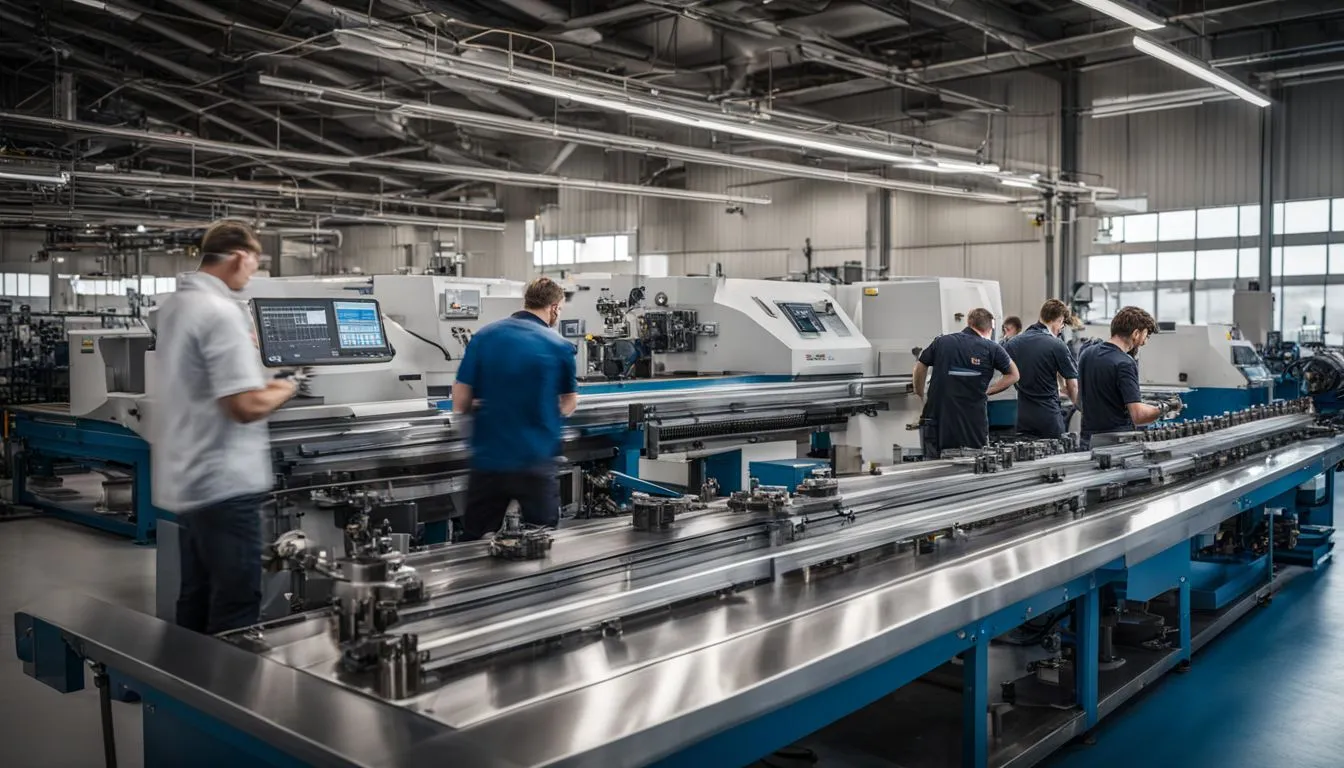
High-quality equipment is not just about durability and functionality. The material composition, design, engineering, manufacturing process, and quality control all play a crucial role in ensuring top-notch equipment.
These elements combine to create reliable and efficient products that meet the highest standards of performance and safety.
Material Composition
Material composition plays a crucial role in the anatomy of high-quality equipment. We go all in, picking materials that withstand wear and tear, resist corrosion, and perform consistently under various conditions.
Think of it as choosing the best ingredients for a master chef’s recipe – only the finest will do to create a masterpiece.
We focus on combining strength with innovation. Metals like steel and aluminium often take center stage due to their durability. However, we don’t shy away from integrating advanced polymers or composites when crafting cutting-edge equipment.
This fusion ensures our products not only meet but exceed barrier standards, setting new benchmarks for quality and reliability in every industry we touch.
Design and Engineering
When designing and engineering high-quality equipment, the choice of materials plays a crucial role in ensuring durability and reliability. The selection of materials is meticulously considered to meet specific performance requirements, such as strength, resistance to corrosion, and thermal stability.
Furthermore, the design process focuses on maximising functionality and safety while optimising efficiency and cost-effectiveness. This involves tailoring the equipment towards seamless integration with other systems or processes, enhancing overall performance and user experience.
In addition to material selection and design optimisation, engineering also encompasses the development of manufacturing processes that adhere to stringent quality control measures.
Manufacturing Process
The manufacturing process for high-quality equipment involves precision engineering, stringent quality control, and state-of-the-art technology. Skilled technicians meticulously craft each component to ensure durability and reliability.
The materials used are carefully selected to meet the highest standards, guaranteeing long-term performance in demanding environments. Quality testing at every stage of production ensures that each piece of equipment meets or exceeds industry specifications, giving business owners confidence in the products they invest in.
At every level of our manufacturing process, attention to detail is paramount. Cutting-edge machinery and advanced techniques are utilised to create equipment that not only meets but surpasses expectations.
Quality Control
Transitioning from the manufacturing process to quality control, it’s crucial to highlight the significance of maintaining stringent standards. Quality control involves rigorous testing and inspection to ensure that equipment meets specific specifications.
This process verifies that every component functions as intended, promoting reliability and safety in our products, ultimately leading to customer satisfaction and trust in our brand.
Testing for durability, functionality, and adherence to barrier standards underpins our commitment to delivering high-quality equipment across various industries including healthcare and construction.
Quality control plays a pivotal role in upholding our commitment to excellence by adhering closely to barrier standards, guaranteeing that all aspects of the manufacturing process align with designated criteria.
The Role of Barrier Standards in Ensuring High-Quality Equipment
Barrier standards play a crucial role in guaranteeing the excellence of equipment. They set baseline requirements, boost consistency, heighten safety, and encourage innovation across different industries.
Set minimum requirements
When setting minimum requirements for equipment, we ensure that it meets essential safety and performance criteria. These standards help to establish a baseline for quality, ensuring that the equipment is built to last, safe to use, and performs its function effectively.
By adhering to these set standards, business owners can have confidence in the reliability and durability of their equipment while keeping safety at the forefront.
Adhering to minimum requirements not only guarantees the quality of the equipment but also provides assurance that it meets industry-specific needs. This approach fosters trust among users and promotes consistency across different products.
Promote consistency
To promote consistency, we establish and enforce uniformity across our equipment standards. This ensures that each piece of equipment meets the same high-quality criteria, providing both reliability and safety.
By standardising our requirements, we create a level playing field for all suppliers and manufacturers while maintaining a consistent level of performance in the products we use daily.
Our goal is to set clear benchmarks for equipment quality, enabling us to maintain an unwavering commitment to excellence across the board. Standardised barrier requirements guarantee that every product meets the same stringent specifications no matter where it comes from, ensuring peace of mind for both ourselves and our clients.
Enhance safety
Barrier standards play a critical role in enhancing safety by setting minimum requirements for equipment performance and design. These standards ensure that the equipment you invest in meets specific safety benchmarks, promoting consistency across different industries.
Compliance with these standards not only safeguards your workforce but also fosters innovation as manufacturers strive to exceed these safety criteria, ultimately creating a safer workplace environment.
Foster innovation
Barrier standards play a vital role in fostering innovation within industries. By setting minimum requirements and promoting consistency, these standards encourage companies to think outside the box and develop new and improved equipment designs.
Additionally, they enhance safety, pushing businesses to explore more efficient and groundbreaking ways of producing high-quality equipment that meets or exceeds regulatory expectations, driving progress and advancement within the industry.
Furthermore, barrier standards create an environment where businesses are motivated to invest in cutting-edge technologies and research to improve their products. This not only ensures compliance but also leads to the development of innovative solutions that can revolutionise the market by addressing emerging needs with creative and forward-thinking approaches.
Deep Dive into Barrier Standards

Let’s delve deeper into Barrier Standards and explore their origins, development process, key components, and application in various industries. To uncover more about this crucial aspect of equipment quality, read on.
Origin and Purpose
Barrier standards have a significant impact on the quality and safety of equipment across various industries. The origins of these standards can be traced back to the need for consistency, safety enhancement, and minimum requirements in equipment design and performance.
The purpose of establishing barrier standards is to promote uniformity, ensure safety, encourage innovation, and support the efficiency and reliability of high-quality equipment. These standards play a crucial role in fostering trust among consumers while also driving advancements in technology and industry practices.
The development process involves input from experts within specific fields who collaborate to define criteria that ensure high-quality performance. These criteria are then applied across different industries to maintain consistent levels of excellence in equipment manufacturing and usage.
Development Process
The development process of barrier standards involves meticulous research and collaboration. Experts from various industries contribute their knowledge to navigate the complexities and tailor standards towards ensuring high-quality equipment.
This process underpins the ever-evolving realm of industry needs, not only seeking more than just compliance but also fostering innovation. It’s designed to enhance safety, efficiency, and reliability across our suite of products, providing assurance in an ever-changing world.
High-quality learning opportunities are at the heart of this process; therefore, it is advisable for business owners to engage with these developments for unlocking the secrets to building robust equipment that meets or exceeds expectations.
Key Components
Key Components
Breaking down the core elements of barrier standards, it is crucial to consider the specific criteria they encompass. From material composition to design and engineering, each component plays a vital role in upholding high-quality equipment standards.
The meticulous attention to detail during the manufacturing process and rigorous quality control measures ensure that these components are met at every stage.
Application in Different Industries
Barrier standards play a crucial role in various industries, ensuring that high-quality equipment meets specific requirements. In the healthcare sector, these standards dictate the design and performance of medical imaging devices to guarantee accurate diagnostics and patient safety.
Similarly, in the construction industry, barrier standards govern workzone barriers to enhance workplace safety and minimise occupational hazards. Adhering to these standards is essential for businesses across different sectors to maintain quality control and reliability of their equipment.
In addition to compliance, barrier standards promote consistency and innovation within industries by setting minimum benchmarks that drive continuous improvement in equipment design and functionality.
Case Study: Barrier Standards in the Healthcare Sector
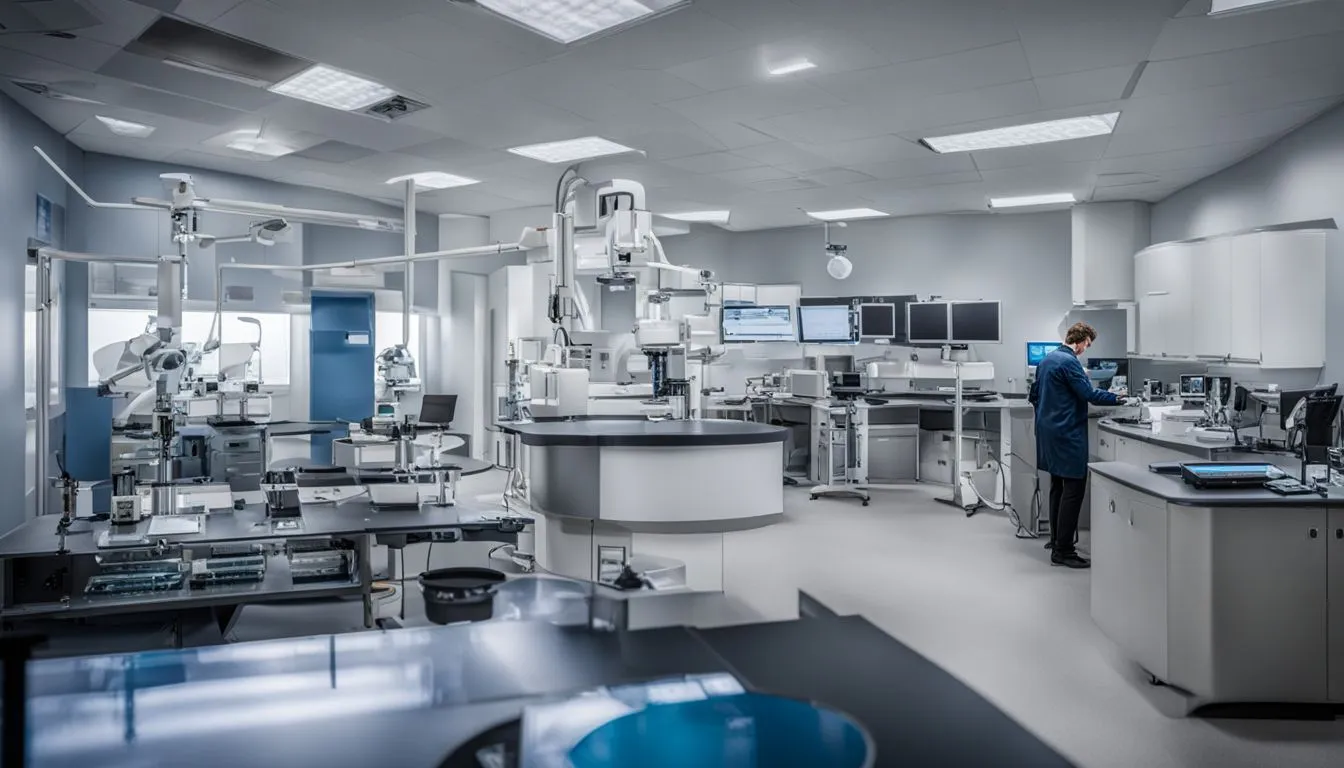
Barrier standards play a significant role in the healthcare sector, ensuring the quality and safety of medical equipment. These standards impact not only the performance but also the reliability of crucial devices used in patient care.
Specific standards
Specific standards set clear guidelines and benchmarks for the design, manufacturing, and performance of equipment in various industries. These standards ensure that products meet minimum requirements, promoting consistency and enhancing safety across the board.
In fields such as healthcare and construction, specific barrier standards play a crucial role in shaping equipment quality by addressing industry-specific needs and challenges with precision.
In the healthcare sector, specific standards for medical imaging devices not only uphold equipment reliability but also promote patient safety. Similarly, stringent work zone barriers in the construction industry are designed to enhance worker protection while adhering to regulatory requirements.
Impact on equipment quality
Barrier standards have a significant impact on equipment quality, ensuring that products meet minimum requirements and promote consistency across industries. By enhancing safety measures and fostering innovation, these standards play a crucial role in upholding the overall reliability and performance of equipment.
Implementing high-quality barrier standards not only assures durability but also contributes to cost-effectiveness and efficiency, aligning with business goals for long-term success.
The influence of barrier standards on equipment quality extends beyond meeting specific requirements; it significantly contributes to the safety, functionality, and longevity of products.
Challenges and solutions
Meeting barrier standards in the healthcare sector can pose several challenges, such as staying updated with evolving regulations and ensuring equipment compliance across different facilities.
To overcome these obstacles, regular staff training on standard protocols is crucial for maintaining quality control and reliability of medical imaging devices. Additionally, investing in digital tools designed to enhance safety and efficiency can streamline equipment testing processes and ensure adherence to specific standards.
In the construction industry, balancing flexibility with stringent barrier standards often presents a challenge. One solution involves implementing innovative teaching methods to educate workers about compliance measurements while promoting a culture of high-quality learning amidst ever-evolving regulatory changes.
Furthermore, utilising interactive educational tools and computing power equips workers with the necessary expertise to navigate complexities brought forth by equipment specifications and performance requirements.
Case Study: Barrier Standards in the Construction Industry
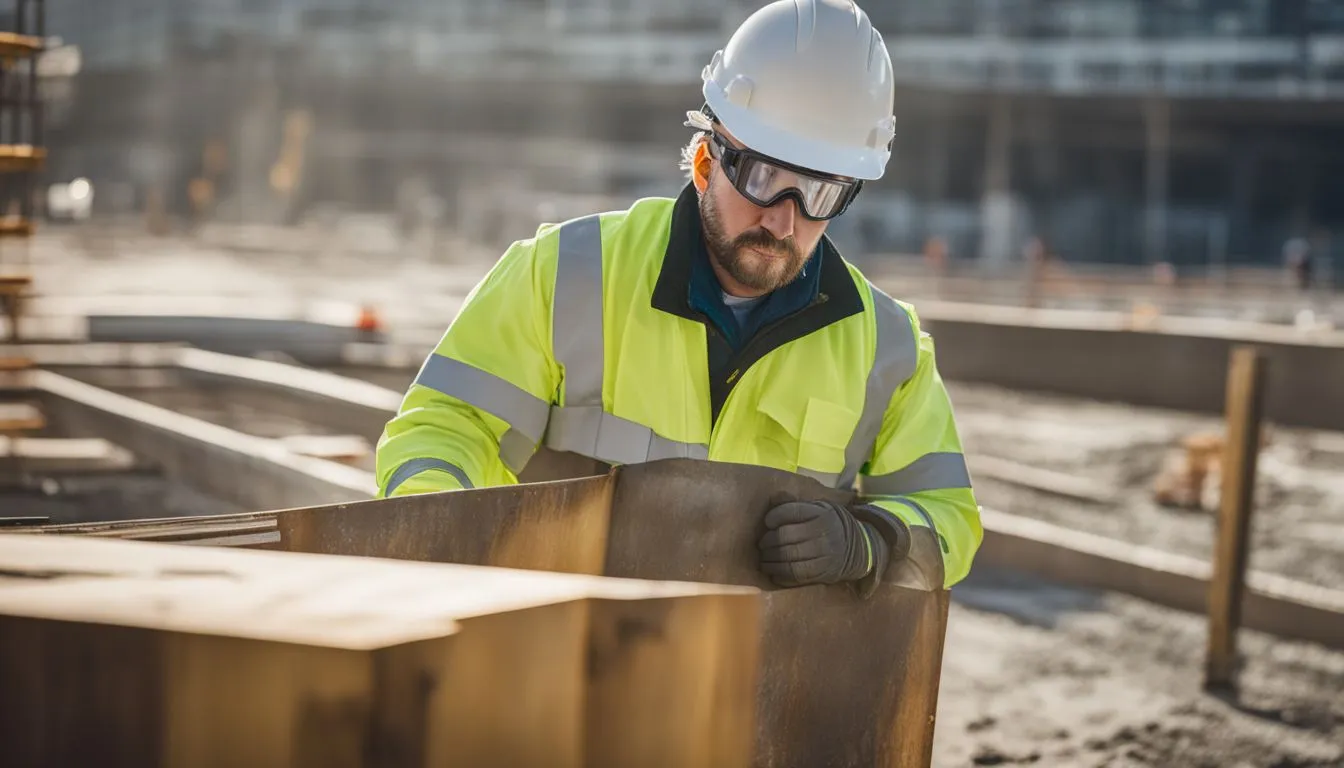
Barrier standards in the construction industry play a pivotal role in ensuring the safety and quality of equipment used on job sites. These standards are designed to enhance workplace safety, promote consistency, and set minimum requirements for barriers within the realm of work zone protection.
The stringent focus on barrier performance not only underpins equipment reliability but also fosters innovation and efficiency in this everchanging industry. By adhering to these standards, businesses can navigate the complexities of construction environments knowing that their suite of barriers is tailored towards meeting high-quality specifications, enhancing both worker safety and public security.
The application of barrier standards in the construction sector seeks more than just compliance; it’s about unlocking the secrets to achieving robust protection for workers while concurrently optimising operational processes.
With innovative teaching methods evolving continuously like digital devices and interactive educational tools, businesses need to ensure that they stay ahead by embracing progressive changes without compromising quality control or sacrificing worker well-being.
The Future of Barrier Standards
Barrier standards are evolving with technological advancements and changing industry needs. Regulatory changes also shape the future landscape of barrier standards.
Technological advancements
Technological advancements in equipment design and manufacturing are revolutionising the barrier standards landscape. With rapid developments in digital devices, computing power, and 3D printing, high-quality equipment is becoming more efficient and reliable than ever before.
These innovations play a crucial role in enhancing equipment performance while meeting stringent barrier standards across various industries such as healthcare, construction, and education.
Integrating cutting-edge technologies into equipment design not only ensures compliance with evolving industry needs but also fosters continuous improvement in safety and quality control standards.
As we look to the future, embracing technological advancements will be vital for business owners looking to stay ahead of the curve regarding both regulatory changes and customer expectations.
Evolving industry needs
As we embrace technological advancements, it’s essential to consider the evolving needs of our industries. The ever-changing landscape demands equipment that not only meets current requirements but also anticipates future demands.
This is where barrier standards play a crucial role in guiding and shaping the development of high-quality equipment, ensuring that it aligns with industry-specific needs and stays ahead of the curve.
Business owners should stay attuned to the shifting landscape while investing in innovative teaching methods and high-ability students who can drive education innovation. It’s imperative to remain proactive in adapting to new challenges, promoting quality learning through interactive educational tools, digital devices with enhanced computing power, 3D printing for medical imaging, and robust work zone barriers that ensure safety within construction sites.
Regulatory changes
Regulatory changes have a significant impact on the standards that businesses need to meet. Staying informed about these changes is crucial for maintaining compliance and ensuring high-quality equipment.
As business owners, we must stay updated with any alterations in equipment specifications and barrier performance requirements. This will enable us to adapt our practices accordingly and ensure that our equipment meets the ever-evolving industry standards.
By keeping a watchful eye on regulatory changes, we can address any new requirements efficiently. It’s essential to stay proactive in anticipating potential adjustments related to quality control and equipment testing processes.
How to Ensure Compliance with Barrier Standards
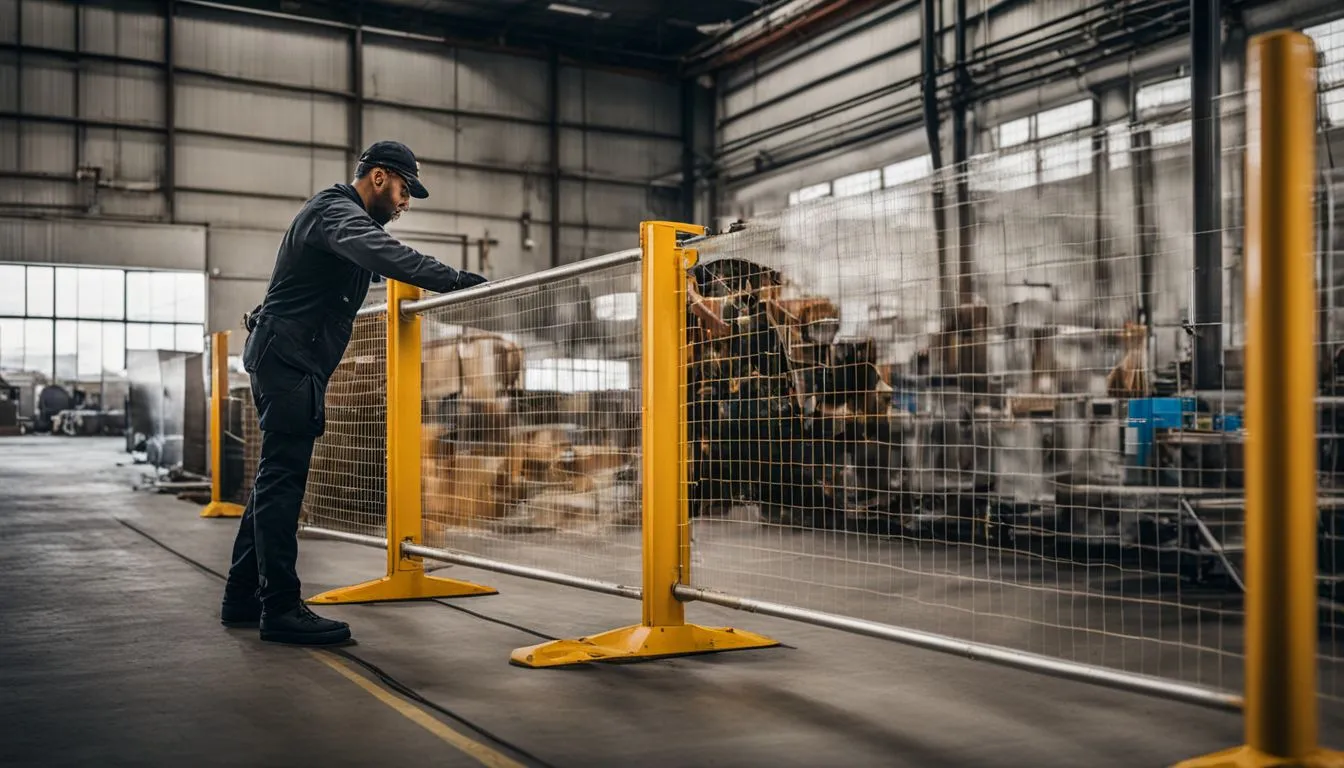
Regularly check equipment, invest in quality products, and provide staff training to ensure compliance with barrier standards. Maintaining frequent equipment checks, investing in high-quality equipment, and ensuring staff are well-trained are vital for compliance with barrier standards.
Regular equipment checks
Regular equipment checks are crucial in maintaining high-quality standards and ensuring optimal performance. By conducting regular inspections, business owners can identify any potential issues or wear and tear before they escalate, ultimately avoiding costly downtime.
Compliance with barrier standards relies on consistently monitoring equipment to guarantee it meets the required specifications. This proactive approach not only safeguards the integrity of the equipment but also promotes a safe working environment for staff and enhances overall productivity.
As part of our commitment to quality control, we conduct meticulous testing of all our products to maintain reliability and compliance with industry standards.
Investing in quality equipment
Investing in quality equipment is crucial for business success. To stay competitive, we must prioritise durable, functional, and safe equipment that enhances efficiency while remaining cost-effective.
Quality equipment not only ensures reliability but also helps maintain high standards. By investing in top-notch gear, we can boost productivity and deliver excellent service to our customers.
In today’s ever-evolving business landscape, it’s essential to make informed decisions when selecting the right equipment for our operations. Let’s delve into the role of barrier standards and their impact on ensuring high-quality equipment.
Staff training
Transitioning from investing in quality equipment to staff training, it’s crucial that our team members are well-equipped with the knowledge and skills necessary to maintain high-quality equipment.
Training sessions should cover proper handling, maintenance procedures, and safety protocols related to the specific equipment being used. By providing ongoing learning opportunities, we ensure that our staff remains up-to-date with the latest industry standards and best practices.
This proactive approach not only enhances operational efficiency but also fosters a culture of continuous improvement within our workplace. Regular staff training is essential for creating a cohesive team that can confidently operate and maintain high-quality equipment, ultimately contributing to a safer and more productive work environment.
Vital Core Principles for Building a Safer Workplace
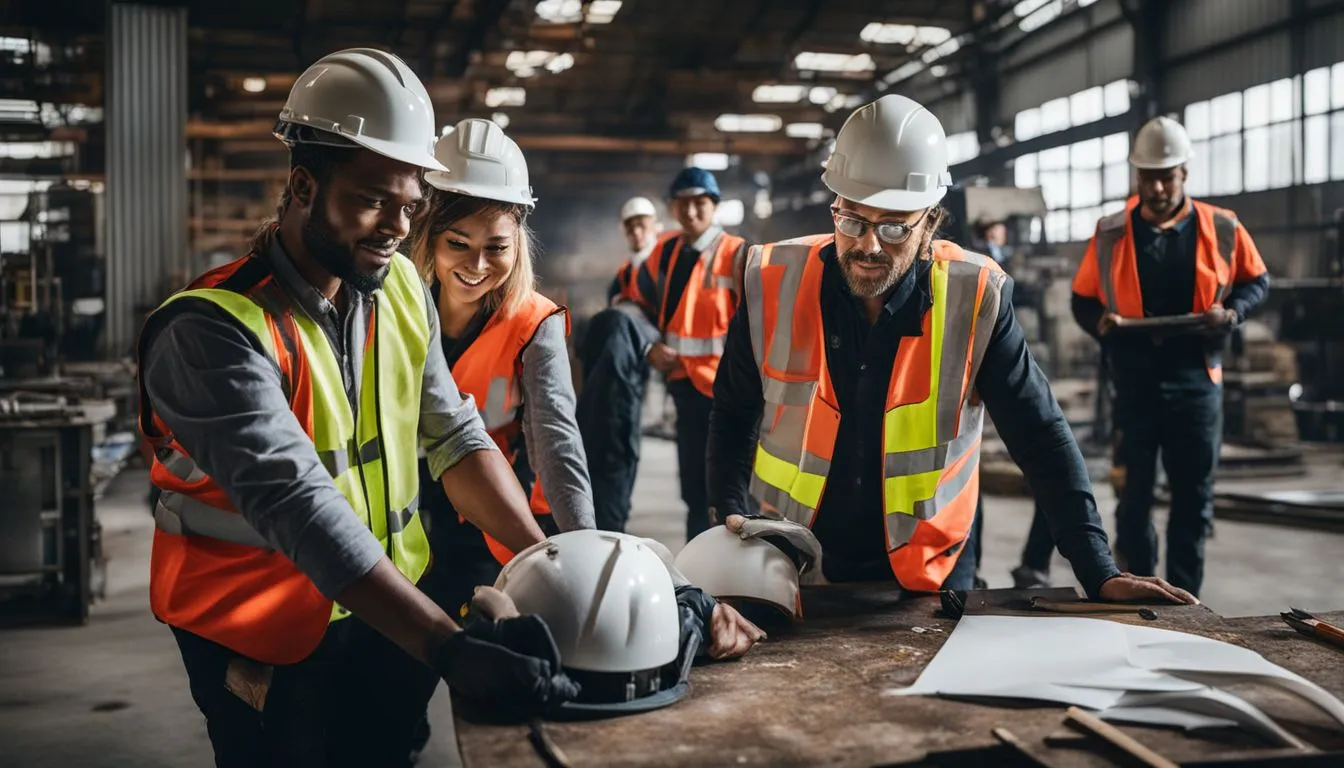
Building a safer workplace is paramount for maintaining a productive and secure environment. Here are the core principles to consider:
- Implement thorough training programmes for all employees on safety protocols and equipment operation.
- Regularly conduct safety audits to identify potential hazards and address them promptly.
- Invest in high – quality personal protective equipment (PPE) for employees, ensuring compliance with industry standards.
- Foster a culture of open communication regarding safety concerns, enabling employees to report hazards without fear of reprisal.
- Enforce strict adherence to safety procedures through consistent monitoring and reinforcement.
Let’s now transition into exploring the future of barrier standards in equipment manufacturing.
Conclusion
After delving into the anatomy of high-quality equipment and barrier standards, we’ve explored the crucial aspects that contribute to their reliability and safety. The practical strategies discussed are not only easy to implement but also highly efficient in ensuring compliance with barrier standards.
How might you apply these tips to enhance your workplace’s equipment quality? Stressing the importance of this topic cannot be overlooked, as it has far-reaching effects on safety, efficiency, and overall success in various industries.
For further insights or guidance on navigating through the realm of barrier standards, consider exploring additional resources beyond this article. Reflecting deeply on these principles will inspire proactive measures towards creating a safer and more reliable work environment for all.