
3 January 2024 · filed in Product Highlight
The Importance of Bollards in Pathway Safety
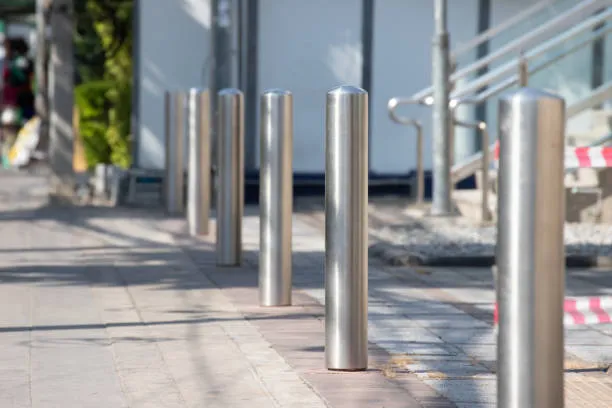
Navigating the hustle and bustle of bustling pathways comes with a fair bit of worry for us as business owners, we’ve always got to keep an eye out for the safety of our patrons and workers, what with the constant stream of feet and wheels. We’re all too familiar with this juggle, mates, which is why it’s essential to have top-notch solutions on hand. And get a load of this: did you blokes know that cleverly positioned bollards can knock down accident rates by a whopping 80%? Our yarn today is all about these sturdy guardians known as bollards – they’re dead-set champions in keeping walkways safe without making much fuss. Stick around as we shed light on how these understated lifesavers could be just what your space needs to ramp up its safety game!
What are Bollards?
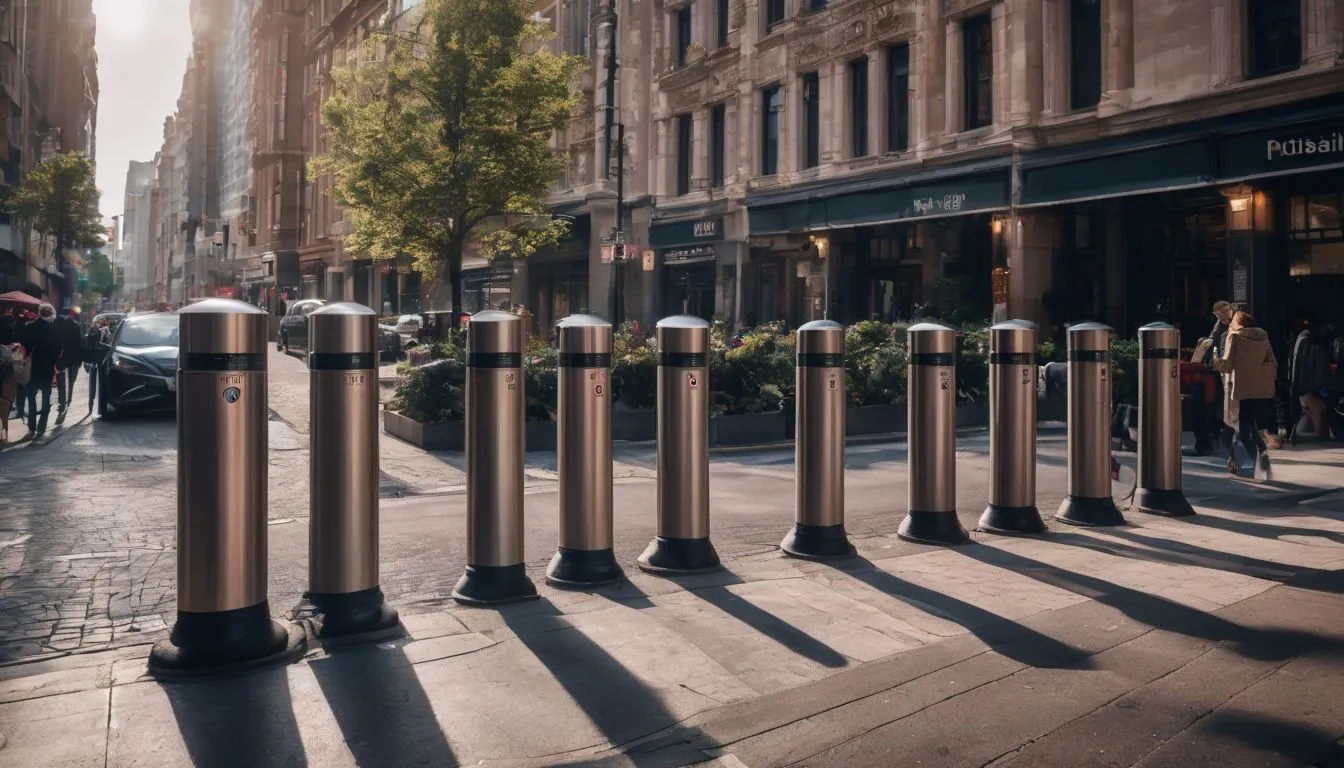
Bollards are sturdy, vertical posts that are commonly used in pathways for safety and security. They come in various types such as safety bollards, pedestrian guides, and security bollards, each serving a different purpose in ensuring pathway safety.
Definition
Bollards stand as sturdy, vertical posts designed to control or direct vehicle and pedestrian traffic. They serve a significant role in pathway safety by creating physical barriers between different areas.
Often, these posts are made from strong materials like steel, concrete or even plastic filled with cement, ensuring they provide effective protection for public spaces.
We see them around buildings to keep cars at a safe distance, separating bikeways from roadways or simply as visual cues guiding people where to walk. Their presence can dramatically change the flow of movement and bring order to potentially chaotic urban environments.
With various designs available, bollards fit seamlessly into street furniture while enhancing urban design and contributing to overall city infrastructure resilience.
Types (safety bollards, pedestrian guides, security bollards)
- Safety bollards provide physical barriers to protect pedestrians and structures from vehicular impact.
- Pedestrian guides help direct foot traffic and ensure safe pathways for people in crowded areas.
- Security bollards offer protection against unauthorised vehicle access to secure premises or public spaces.
The Need for Bollards in Pathway Safety
Bollards play a crucial role in enhancing pathway safety by increasing driver awareness, promoting traffic calming, and ensuring building security. Their presence helps to prevent vehicle collisions and creates a safer environment for pedestrians and property.
Heightened driver awareness
Enhancing driver awareness is crucial for pedestrian safety in high-traffic areas. Bollards strategically placed along pathways act as a visual guide, alerting drivers to designated pedestrian zones and prompting them to reduce speed.
This heightened awareness significantly lowers the risk of vehicle-pedestrian collisions, creating a safer environment for both employees and customers alike.
Strategically positioned bollards also serve as a physical reminder for drivers to exercise caution in shared spaces, reinforcing the importance of pedestrian safety and promoting responsible driving behaviours.
Traffic calming
In addition to heightened driver awareness, traffic calming measures play a crucial role in creating safer pedestrian pathways and roadways. Implementing bollards strategically can help slow down vehicle speeds, reducing the risk of accidents and collisions in high-traffic areas.
By narrowing driving lanes or using visual cues such as textured surfaces and green spaces, bollards contribute to creating a calmer and more controlled environment for both vehicles and pedestrians.
To achieve effective traffic calming outcomes, it is essential to choose the right type of bollards that align with your pathway safety goals. Safety bollards in particular offer a practical solution for enhancing traffic management while maintaining pedestrian protection.
Building security
Business owners, building security is a fundamental concern for safeguarding your property and ensuring the safety of those within. Implementing security bollards around your premises serves as a robust deterrent against unauthorised vehicle access, preventing potential ram-raiding attempts and enhancing overall protection.
By strategically placing bollards in key locations, you can effectively control traffic flow and restrict vehicular access to designated areas, thereby fortifying the security perimeter of your establishment.
Incorporating security bollards also contributes to risk management by reducing the possibility of vehicle-related incidents, vandalism, or unauthorised parking on walkways. This proactive measure aligns with urban planning guidelines for public space design while bolstering roadway barriers to enhance road safety.
How Bollards Help in High Traffic Areas
Bollards help manage traffic flow, reinforce kerbs, separate walkways and parking areas, prevent unauthorised parking, and protect monuments and property in high traffic areas. Their presence contributes to creating a safer environment for both pedestrians and drivers.
Traffic management
To effectively manage traffic, bollards play a crucial role in guiding vehicles and pedestrians along designated pathways. By strategically placing safety barriers, we can control the flow of traffic and prevent unauthorised parking in high-traffic areas.
Bollards also help reinforce kerbs, separate walkways from parking areas, and protect monuments and property from potential vehicle damage. Integrating bollards into our traffic management plan enhances roadway separation and ensures the safety of both pedestrians and drivers.
Incorporating bollards as part of our traffic management strategy is essential for maintaining order in busy environments. With the use of safety barriers like bollards, we can efficiently direct traffic to reduce congestion and enhance overall pathway protection while also facilitating safe pedestrian movement.
Reinforcing kerbs
Reinforcing kerbs is essential for enhancing pathway safety and preventing vehicles from veering off into pedestrian areas. By installing bollards along the edges of walkways, we can create a physical barrier that helps to guide both drivers and pedestrians.
These bollards act as a visible deterrent, alerting drivers to the boundary between the road and pedestrian zones. This not only reduces the risk of accidental collisions but also reinforces traffic control measures in high-traffic areas.
Incorporating bollards as part of kerb reinforcement ensures that designated walkways remain separate from parking spaces, reducing the likelihood of unauthorised parking or encroachment onto pedestrian paths.
Separating walkways and parking areas
- Bollards act as visual barriers, guiding pedestrians towards designated walkways and preventing unauthorised vehicles from encroaching into pedestrian zones.
- They help maintain an organised and structured layout, directing traffic to designated parking spaces while creating safe pathways for pedestrians to navigate without obstruction.
- By strategically placing bollards, businesses can effectively manage the flow of foot traffic and vehicle movement, ensuring a well-defined separation between walkways and parking areas.
- This not only enhances safety but also contributes to a more efficient and systematic use of space within the premises.
Preventing unauthorised parking
Installing bollards in parking areas prevents unauthorised vehicles from accessing restricted zones, ensuring the safety and security of the premises. By strategically placing security bollards around the property, business owners can effectively control vehicle access, preventing illegal parking and unauthorised entry to sensitive areas.
Properly placed bollards are effective deterrents against unauthorised parking, helping maintain order within designated areas while minimising any risks associated with unauthorised vehicle access and trespassing incidents.
This proactive measure contributes to a safer environment for both pedestrians and vehicles by eliminating potential hazards posed by unauthorised parked cars in restricted zones or walkways.
Protecting monuments and property
Bollards play a crucial role in protecting monuments and property from vehicular damage. They act as a barrier, preventing vehicles from encroaching onto pedestrian areas or fragile structures.
By strategically placing bollards around monuments and properties, business owners can safeguard against accidental collisions and protect the integrity of these significant assets.
In high traffic areas, bollards serve as a visual deterrent to guide drivers away from sensitive zones while still allowing pedestrian access. This proactive measure not only minimises the risk of accidental damage but also contributes to preserving the historical or aesthetic value of monuments and properties when integrated into their surroundings.
Case Studies Highlighting the Effectiveness of Bollards in Pathway Safety
– The success stories of Brookfield, Alstom, and Admil Adhesives demonstrate the positive impact of installing bollards in creating safer environments for pedestrians and vehicles.
These case studies highlight how strategically placing bollards can effectively manage traffic, reinforce pedestrian safety, and protect property from potential vehicle damage.
Brookfield
Brookfield, a commercial and residential property development company, installed bollards at their shopping precinct to ensure pedestrian safety and traffic management. The prominent use of safety bollards created clear walkways for visitors and effectively separated the parking areas from the footpaths, reducing the risk of vehicle-pedestrian conflicts.
The strategic placement of bollards also prevented unauthorised parking near shops and entry points, contributing to a safer environment for both patrons and employees.
In addition to improving pathway safety, Brookfield’s deployment of security bollards helped protect buildings from potential vehicular impact. By encouraging pedestrians to utilise designated crossing points with the aid of pedestrian guide bollards, Brookfield significantly enhanced overall public safety within their premises while maintaining an aesthetically pleasing environment.
Alstom
Alstom effectively improved pathway safety by installing robust bollards, creating a clear separation between pedestrian walkways and vehicle access areas. The high-visibility safety bollards not only enhanced driver awareness but also effectively managed traffic flow within their premises.
By strategically placing security bollards, they prevented unauthorised parking and minimised the risk of collisions between pedestrians and vehicles, ensuring the overall safety of their employees and visitors.
Furthermore, Alstom’s use of bollards contributed to reinforcing kerbs and protecting property from potential damage caused by uncontrolled vehicular movement. This proactive approach showcases how businesses can utilise bollards to enhance pathway safety and minimise risks associated with high-traffic environments.
Admil Adhesives
Admil Adhesives offers a range of quality adhesives and sealants that are crucial for installing bollards securely and effectively. Their products provide the necessary bonding strength to ensure that bollards remain firmly in place, offering reliable protection for pedestrian safety and property security.
Business owners can trust Admil Adhesives to provide durable solutions for anchoring bollards in high traffic areas, contributing to a safer environment for both vehicles and pedestrians.
In addition to their strong adhesive offerings, Admil Adhesives provides expert guidance on choosing the right products for specific pathway safety needs. By partnering with them, business owners can benefit from tailored advice on adhesive selection, ensuring optimal performance and longevity of bollard installations.
This ensures peace of mind knowing that their pathways are well-protected.
Conclusion
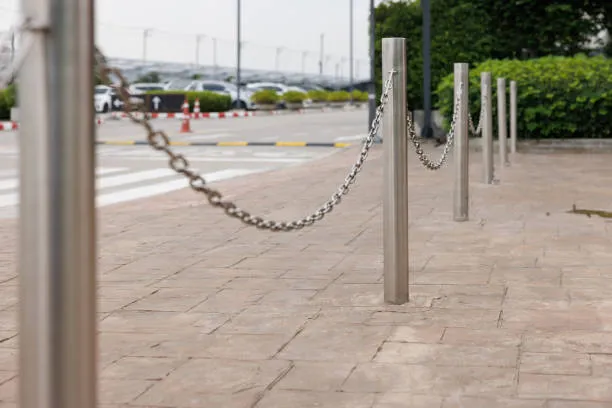
Bollards play a crucial role in creating safer environments for both pedestrians and vehicles. Their versatility and effectiveness in traffic management make them an essential feature for any business or public space. To learn more about the different types of bollards and their impact on pathway safety, visit our blog for further insights.
The importance of bollards in creating safer working environments
Bollards play a critical role in creating safer working environments by effectively delineating pedestrian and vehicle spaces. They provide a physical barrier that helps to prevent unauthorised access, and protect employees from potential vehicle-related accidents.
By strategically placing bollards around work areas, businesses can greatly reduce the risk of workplace incidents involving vehicles.
In high-traffic industrial settings, bollard installations serve as a visual guide for drivers, increasing their awareness of pedestrian zones and helping to maintain smooth traffic flow.
The role of bollards in pedestrian safety
Bollards play a crucial role in ensuring pedestrian safety by providing physical barriers that protect walkways and footpaths from vehicle intrusion. They help establish clear boundaries, preventing vehicles from encroaching on pedestrian zones.
Bollards also guide pedestrians by marking safe pathways, reducing the risk of collisions with vehicles. By strategically placing bollards in high-traffic areas, business owners can create safer environments for customers and employees alike.
Incorporating bollards into pedestrian safety measures demonstrates a commitment to prioritising the well-being of those who frequent your business premises. These simple yet effective structures effectively reduce the risk of accidents and enhance overall pedestrian safety.”.
The different types of bollards and their uses
Bollards come in various types, each serving specific purposes to enhance safety and security. Safety bollards are commonly used to protect pedestrians from vehicular traffic, while pedestrian guide bollards help direct foot traffic in busy areas.
Additionally, security bollards are crucial for protecting buildings and infrastructure from potential threats or unauthorised vehicle access.
Understanding the different types of bollards allows business owners to strategically implement them within their premises, enhancing overall safety and security measures. Whether it’s safeguarding walkways or managing parking areas, choosing the right type of bollard can make a substantial difference in mitigating risks and creating a safer environment for customers and employees alike.
How bollards contribute to parking lot safety
Bollards play a critical role in enhancing car park safety by providing physical barriers that help manage vehicle flow and prevent collisions. They act as visible markers, guiding drivers to designated parking areas and preventing unauthorised entry into restricted zones.
By strategically placing bollards around the perimeter of car parks, businesses can protect pedestrians from potential hazards, ensuring a safer environment for both customers and employees.
Moreover, security bollards offer an added layer of protection to buildings and infrastructure within parking facilities from accidental or intentional vehicular impact.
In addition to improving pedestrian safety, installing bollards in parking areas also assists with traffic management by delineating walkways from driving lanes. This helps reduce the risk of accidents and provides clarity for both drivers and pedestrians moving through the space.
Common misconceptions about bollards in car parks
When it comes to bollards in car parks, there are some common misconceptions that need to be addressed. One misconception is that bollards are only for aesthetic purposes and don’t serve a practical function.
However, the reality is that bollards play a crucial role in preventing vehicle encroachments onto pedestrian pathways and designated parking areas. Another misconception is that all bollards look the same, but in fact, there are various types designed for different purposes such as security, traffic management, and pedestrian safety.
Some may also believe that bollards are an unnecessary expense for car parks; however, they act as an essential safety measure to protect pedestrians from sudden vehicle intrusions.
The impact of bollards on vehicle and pedestrian safety.
Let’s delve into the impact of bollards on vehicle and pedestrian safety. Bollards play a crucial role in preventing vehicular accidents by creating physical barriers that obstruct vehicle access to restricted areas.
They effectively protect pedestrians from collisions, allowing for safe navigation through busy thoroughfares and designated walkways. Additionally, bollards provide visual cues that steer drivers away from footpaths, enhancing pedestrian safety in high-traffic locations.
Moreover, when strategically placed, bollards contribute to traffic management by delineating parking spaces and guiding vehicle flow. This assists in preventing unauthorised parking and reinforces kerbs, further safeguarding pedestrians from potential hazards posed by vehicles encroaching into their pathways.