
30 July 2024 · filed in Safety Barriers Sydney
The Importance of Safety Barriers in Preventing Workplace Accidents

In today’s bustling workplaces, safety is paramount. One of the most effective measures to prevent accidents is the use of safety barriers. These simple yet crucial structures play a significant role in safeguarding employees, visitors, and assets from potential hazards. Let’s delve into why safety barriers are essential and how they effectively mitigate workplace accidents.
Understanding Workplace Hazards
Workplaces can be rife with various hazards, from moving machinery and vehicles to elevated platforms and hazardous materials. These environments demand proactive safety measures to protect personnel and minimise risks. Safety barriers act as physical barriers that can redirect or absorb impact, preventing accidental contact with dangerous areas or equipment.
Types of Safety Barriers
Safety barriers come in diverse forms to suit different workplace needs.
- Guardrails are common in construction and industrial settings, offering fall protection along elevated walkways and platforms.
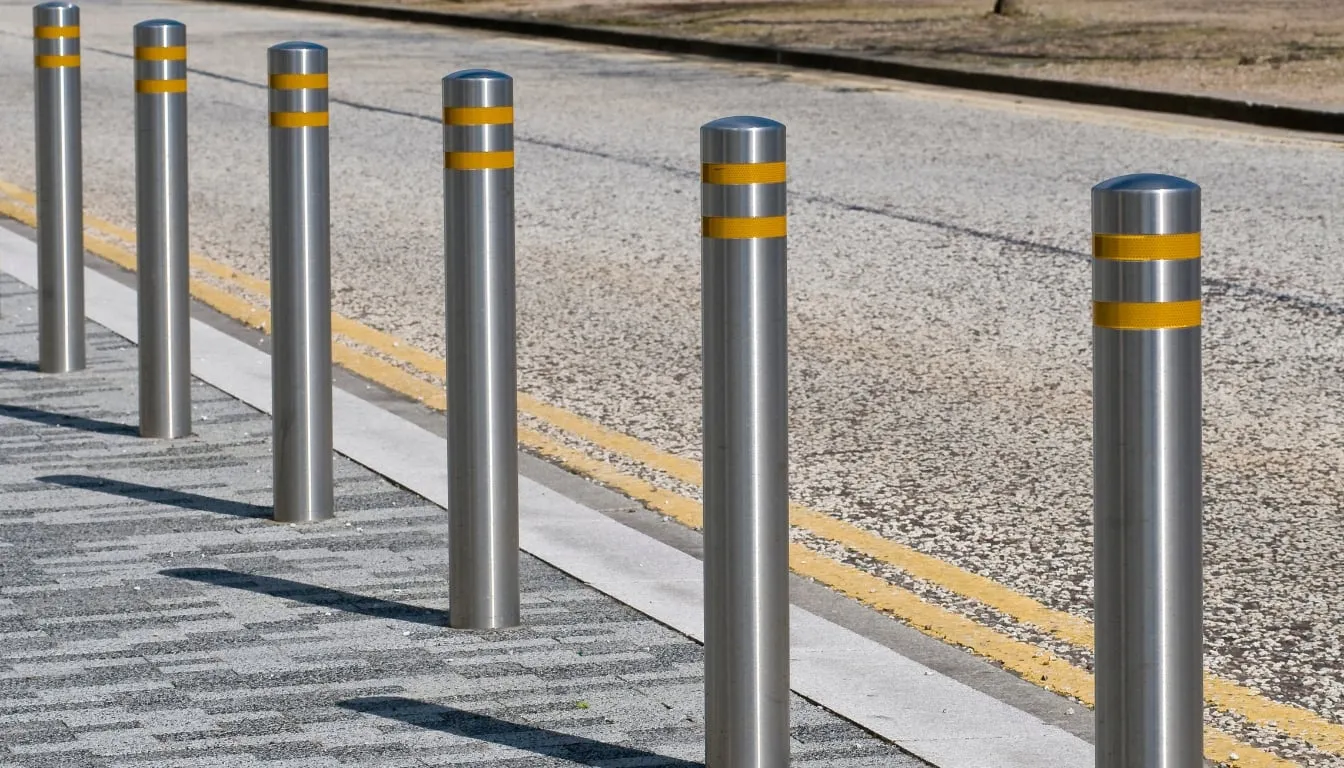
- Bollards are sturdy posts often used to protect machinery or delineate pedestrian zones.
- Safety fences are versatile, used to cordon off hazardous areas or machinery.
Preventing Falls and Impact Accidents
Falls are a leading cause of workplace injuries. Safety barriers like guardrails and safety fences provide crucial protection against falls from heights, ensuring workers can perform tasks safely on elevated surfaces without the risk of accidental slips or falls. In warehouses and factories, bollards effectively shield employees from moving vehicles and equipment, reducing the likelihood of collision-related injuries.
Enhancing Traffic Safety
In busy industrial environments or logistics hubs, managing vehicle and pedestrian traffic is critical. Safety barriers such as bollards and delineators help create clear pathways and separation between operational zones, reducing the risk of accidents involving forklifts, trucks, and pedestrians. Clear markings and barriers guide traffic flow, promoting a safer working environment for everyone.
Containing Hazardous Materials
Certain workplaces handle hazardous materials that pose health risks if exposed. Safety barriers, such as containment fences and enclosures, help confine these substances within designated areas. This prevents accidental contact or exposure, safeguarding employees and preventing environmental contamination.

Promoting Compliance and Awareness
Implementing safety barriers not only mitigates physical risks but also promotes a culture of safety awareness. Clearly marked barriers and signage remind employees of potential hazards and safety protocols, encouraging adherence to safety guidelines. Regular maintenance and inspection of barriers ensure they remain effective and compliant with safety standards.
Case Studies: Real-World Impact
Across industries, the implementation of safety barriers has demonstrated significant reductions in workplace accidents. Companies that prioritise safety barriers report fewer incidents of falls, collisions, and injuries, leading to improved productivity and employee morale. Case studies highlight how proactive safety measures contribute to a safer, more efficient work environment.
Safeguarding Tomorrow, Today
Safety barriers are not just physical structures; they are vital safeguards that protect lives and livelihoods. By preventing accidents before they occur, these barriers foster a workplace culture where safety is ingrained in everyday operations. Investing in robust safety measures like barriers not only meets regulatory requirements but also enhances the overall well-being and productivity of workforce.