
1 February 2024 · filed in Product Highlight
The Mental Peace of Knowing Your Workplace is Safe with ECO Barriers
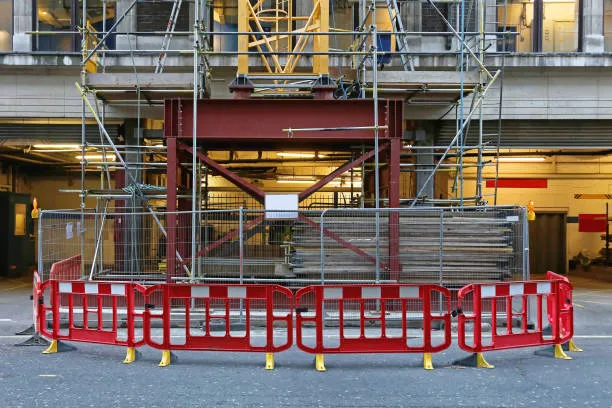
We’re all too familiar with that little niggly feeling of worry when workplace safety isn’t up to scratch. Just like you, we’ve walked those floors and know firsthand that nothing beats the assurance of a solid safety setup, fancy this: chucking in some top-notch safety barriers could slash accident rates by a whopping 70%. We’ve taken a good hard squiz at ECO barriers, and what we’ve found is fair dinkum, amazing for shoring up a spot where your team can go about their day without stress hanging over their heads. So come along as we unpack the ins and outs of these protective champs, mate.
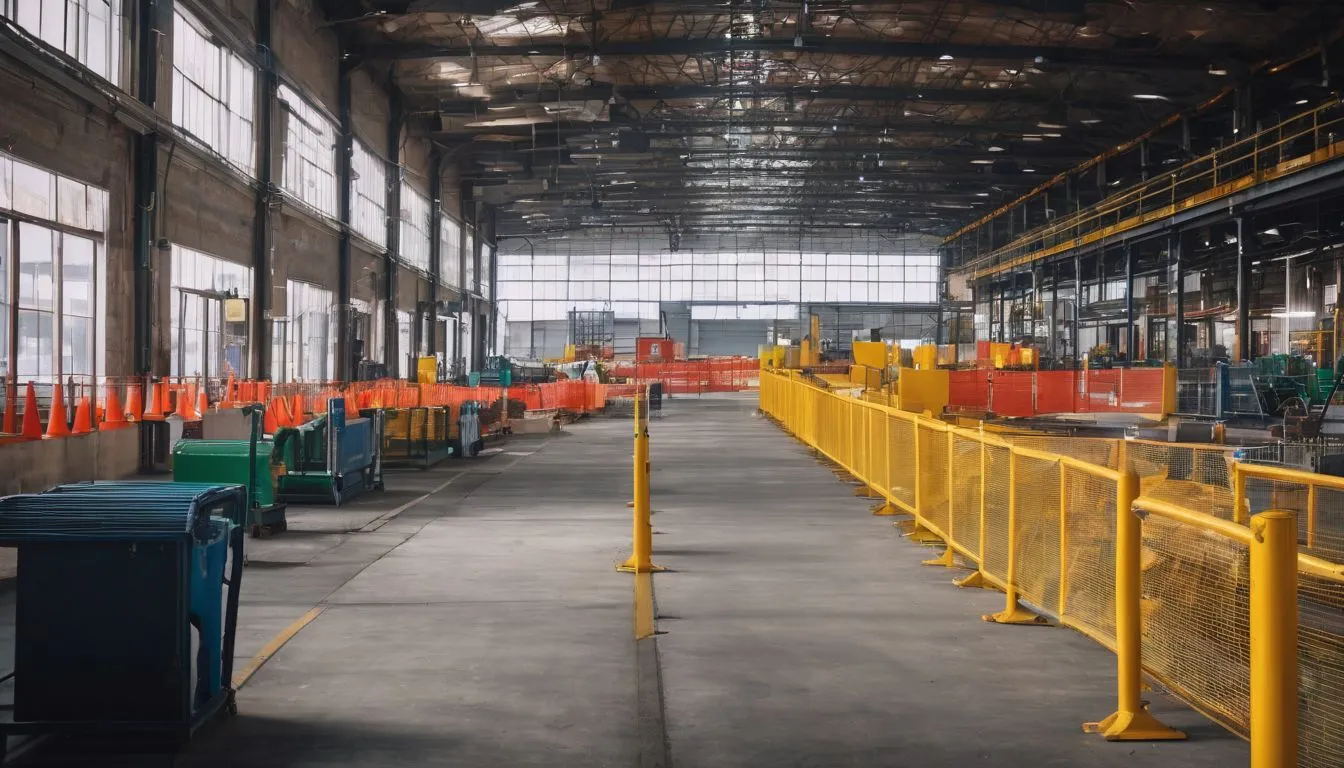
Understanding the Need for Safety Barriers in the Workplace
The need for safety barriers in the workplace is crucial for preventing damage to vehicles and machinery as well as enhancing employee awareness and safety. Different types of safety barriers, such as hard and flexible barriers, play a vital role in creating a safe work environment.
Preventing damage to vehicles and machinery
We all value the hard work that goes into maintaining our fleet of vehicles and machinery. It’s crucial to prevent any harm to these vital assets, as repairs can be costly and disruptions may bring our operations to a grinding halt.
By installing ECO barriers around high-risk areas, we create an invisible shield that safeguards our equipment from accidental impacts or mishaps.
Our commitment to workplace health and safety doesn’t just stop at protecting people; it extends to preserving our tools and machines. With each barrier we put in place, we’re actively managing risks and ensuring the longevity of our investment.
This proactive approach not only secures our assets but also reinforces hazard awareness among employees, fostering a culture where everyone is alert and safety measures are second nature.
Enhancing employee awareness and safety
To complement the installation of safety barriers for preventing damage to vehicles and machinery, prioritising employee awareness and safety is imperative. Implementing visible signage, regular training programmes, and clear communication channels nurture a culture of vigilance among employees.
By conducting routine hazard assessments and encouraging open dialogue about workplace hazards, businesses can cultivate a proactive approach towards safeguarding employee wellbeing.
Pairing these measures with ECO Barriers’ custom-made solutions will foster an environment where employees feel emotionally secure, leading to enhanced psychosocial well-being in the workplace.
Types of Safety Barriers
When it comes to safety barriers, there are two main types to consider – hard barriers and flexible barriers. Each type has its own benefits and is suited for different workplace environments.
Let’s explore the options in more detail.
Hard barriers
Hard barriers play a crucial role in safeguarding your workplace and employees from potential hazards. These sturdy structures provide physical protection against impact, preventing damage to equipment, machinery, and infrastructure.
By strategically placing hard barriers in high-risk areas, you can effectively minimise the risk of accidents and injuries caused by vehicular or equipment-related incidents. Implementing hard barriers also serves as a visible reminder for employees to remain alert and mindful of their surroundings, fostering a culture of safety within the workplace.
Properly installed hard barriers not only ensure the physical safety of your employees but also contribute to their peace of mind while carrying out their duties. This proactive approach demonstrates your commitment to prioritising occupational health and safety, reinforcing employee confidence in the work environment’s security measures.
Flexible barriers
Flexible barriers are an essential component of workplace safety, providing a dynamic solution for protecting employees and equipment from potential hazards. These barriers are designed to absorb impact energy, offering a more forgiving alternative to traditional hard barriers.
By flexing upon impact, these barriers effectively reduce the risk of damage and injury in the event of a collision, creating a safer environment for all personnel involved. From bollards to safety guardrails, flexible barriers come in various forms and can be tailored to suit specific workplace needs, ensuring comprehensive protection across different areas.
Implementing flexible barriers not only enhances workplace safety but also demonstrates a proactive commitment to employee well-being and asset protection. By prioritising these innovative solutions, businesses can foster a secure work environment that promotes mental peace among staff while mitigating the financial implications of accidents or disruptions.
Factors to Consider When Choosing Safety Barriers
When choosing safety barriers for your workplace, it’s important to consider factors such as location and specific needs, the durability and quality of the barriers, and whether they meet national standards.
These factors play a crucial role in ensuring the safety and security of your employees and assets.
Location and need
When considering safety barriers for your workplace, it’s crucial to assess the specific locations that require protection. These could include areas where vehicles and machinery operate, pedestrian walkways, loading docks, or any other high-risk zones.
Identifying these locations will help in determining the type and design of safety barriers needed to mitigate potential risks and ensure a safe working environment.
Understanding the need for safety barriers is pivotal to safeguarding your employees and assets. Whether it’s preventing damage to equipment, enhancing employee alertness about potential hazards, or complying with national standards, knowing the specific requirements for safety barriers within your workplace is essential for effective risk management and maintaining occupational safety.
Durability and quality
When selecting safety barriers for your workplace, it’s crucial to prioritise durability and quality. Robust barriers made from high-quality materials ensure long-lasting protection for your employees and assets.
By investing in sturdy barriers, you can mitigate the risk of workplace accidents and enhance overall safety measures. Additionally, durable barriers also contribute to cost savings by avoiding frequent replacements or repairs, ultimately reducing disruptions within your operations.
To guarantee the resilience and quality of safety barriers, look for products that adhere to national standards and regulations. These standards act as a benchmark for reliability and performance.
National standards
When choosing safety barriers, it’s crucial to consider national standards. These standards ensure that the barriers meet specific requirements for workplace safety. Adhering to national standards not only guarantees the effectiveness of the barriers but also demonstrates a commitment to providing a safe working environment for employees and visitors.
Meeting national standards also helps in legal compliance and reduces liability risks. Ensuring that your safety barriers align with these standards provides peace of mind, knowing that you’ve taken proactive measures to prevent work-related harm and enhance workplace security.
Real-life Case Studies
– Hear about the successful implementation of safety barriers at Brookfield, Alstom, and Admil Adhesives. Their experiences showcase the positive impact of ECO barriers on workplace safety and employee well-being.
Brookfield
Brookfield, a leading global asset manager, implemented ECO Barriers across their workplace to enhance safety and prevent damage to vehicles and machinery. These custom-made solutions increased employee awareness and reduced work-related harm prevention.
By installing hard barriers in high-traffic areas and flexible barriers where dynamic access is required, Brookfield has effectively decreased organisational disruptions while promoting mental wellbeing among its employees.
The implementation of ECO Barriers at Brookfield has led to a significant decrease in workplace security measures costs. This proactive approach not only aligns with national standards but also creates a safe and healthy workplace environment.
Alstom
Alstom, a multinational company with a focus on sustainable and innovative transportation solutions, successfully implemented safety barriers in their workplace. By installing ECO Barriers, they improved their workplace safety, preventing work-related harm for employees and minimising the risk of damage to vehicles and machinery.
Alstom’s decision to invest in hard barriers tailored to their unique needs resulted in enhanced employee awareness and overall safety of the workplace.
This case study serves as an example of how implementing custom-made solutions such as ECO Barriers can significantly contribute to creating a safe work environment while aligning with national standards.
Admil Adhesives
Transitioning from real-life case studies to the benefits of safety barriers, let’s consider Admil Adhesives. This company successfully implemented safety barriers to protect their equipment and employees.
By installing hard barriers around sensitive machinery areas, they were able to prevent accidental damage caused by forklifts and other moving equipment. The result was not only a decrease in repair costs but also an increase in employee awareness about workplace safety.
Admil Adhesives further improved their workplace safety with the implementation of flexible barriers in high-traffic areas. These barriers helped reduce the risk of collisions between vehicles and employees, creating a safer environment overall.
Benefits of Implementing Safety Barriers
Creating a safe and healthy workplace is essential for both employees and employers, as it enhances productivity and decreases the costs of work-related harm prevention. To discover more about the mental peace that comes with knowing your workplace is safe with ECO barriers, continue reading our blog.
Creating a safe and healthy workplace
Implementing safety barriers in the workplace ensures a safe and healthy environment for employees. This proactive measure helps prevent work-related injuries, giving peace of mind to both employers and workers.
By customising solutions with ECO barriers, businesses can mitigate the risk of harm from machinery or vehicles, creating a secure space that prioritises employee well-being.
Taking steps to create a safe and healthy workplace boosts employee morale and productivity. It shows your commitment to their welfare, fostering trust and loyalty within the workforce.
Decreasing costs and disruptions
Implementing ECO barriers has led to a significant reduction in workplace accidents and associated costs. Employers have observed fewer incidents of damage to equipment, vehicles, and property, resulting in lower repair and replacement expenses.
Additionally, the implementation of safety barriers has minimised work-related disruptions due to accidents or near-misses, allowing for uninterrupted operations and production.
By integrating ECO barriers into our workplace, we’ve witnessed a notable decline in insurance claims relating to work-related harm prevention. This has directly contributed to reduced insurance premiums while also fostering a culture of safety awareness among employees.
Proactive measures for safety
Implementing proactive safety measures is crucial in preventing workplace accidents and ensuring the well-being of employees. Regular inspections, safety training, and clear communication of safety protocols are essential steps to maintain a safe working environment.
Additionally, investing in high-quality safety barriers tailored to specific work areas can mitigate potential risks and provide peace of mind for both employers and employees.
Continual monitoring of workplace conditions, addressing hazards promptly, and fostering a culture of safety awareness among all staff members are ongoing proactive strategies that contribute to the prevention of work-related harm.
Conclusion
Implementing ECO Barriers offers peace of mind in the workplace. The strategies outlined ensure practical and efficient ways to enhance safety. Emphasising the importance of workplace safety can lead to significant improvements. Business owners can explore further reading on custom-made solutions for harm prevention. Let’s take proactive measures and create a safer, healthier work environment.