
15 January 2024 · filed in Product Highlight
The Power of ECO Barriers in Creating Sustainable Workplaces

We all know that feeling of being daunted by the prospect of making our workplaces more sustainable. Let’s face it, it’s a fair dinkum challenge with so many moving parts to consider. But you might be surprised, our own backyard research shows that even though Aussie offices and workplaces chew through roughly one third of the global energy tucker, there are down-to-earth steps we can take to make a real difference. We’ve dug into the nitty-gritty of eco barriers and come up with some practical strategies that won’t feel like hard yakka for your team. Keen to give it a burl? See how straightforward it can be to green up your workplace without tossing your budget out the window.
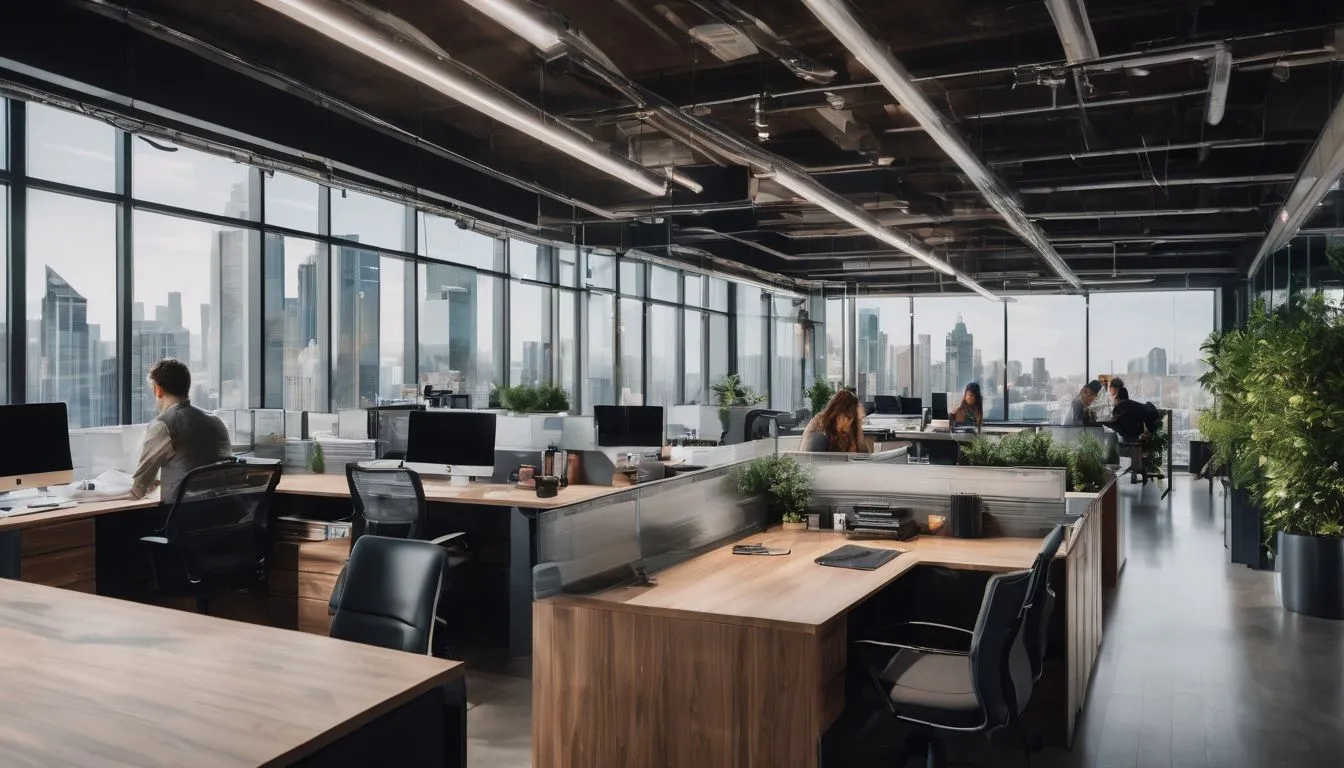
Importance of Sustainability in the Workplace
Turning from the broader concept of sustainability, let’s zoom in on its critical role within our workplaces. Adopting sustainable practices isn’t just about protecting the environment; it’s vital for future-proofing our businesses too.
It encourages us to rethink how we use resources, engage employees and shape the very fabric of our company culture. Holding sustainability as a core value leads to smarter operations and can drive innovation across every department.
Embedding an eco-conscious approach into daily workplace activities has far-reaching impacts. It improves employee health by promoting better air quality and reducing exposure to toxic materials.
Sustainable work environments also appeal to consumers who are increasingly supportive of environmentally-friendly practices. This shift not only reflects well on a company’s image but often results in cost savings through more efficient use of energy and materials, setting us up for long-term success while doing right by the planet.
Barriers to Implementing Sustainable Practices
Many businesses face challenges when it comes to implementing sustainable practices, including lack of knowledge, motivation, and experience in this area. These barriers can hinder the progress towards creating a more environmentally friendly workplace.
Lack of knowledge
Implementing sustainable practices can be challenging, especially when there is a lack of knowledge about eco-friendly barriers and their impact on workplace sustainability. Understanding the environmental benefits and cost-saving opportunities that come with using sustainable materials and energy-efficient technology can significantly influence decisions towards creating a more environmentally friendly workplace.
By prioritising education and training on eco-conscious practices, businesses can empower their employees to contribute to waste reduction, recycling initiatives, and overall environmental impact reduction.
Insufficient awareness about eco-friendly barriers may hinder businesses from making informed choices for sustainable business practices. Providing comprehensive information on the advantages of workplace sustainability strategies through various communication channels can enhance employee engagement in sustainability efforts, ultimately leading to a positive environmental impact.
Lack of motivation
To address the lack of motivation, it’s crucial to emphasise the benefits and positive impact of implementing sustainable practices in the workplace. We can inspire and engage our team by creating a compelling vision for a more environmentally friendly workplace.
By highlighting the potential cost savings, improved reputation, and competitive advantage that come with eco-friendly initiatives, we can create a sense of purpose and momentum within our organisation.
Empowering our employees with knowledge about how their efforts contribute to a greener workspace is key. Recognising and rewarding sustainability efforts can also boost motivation significantly.
Lack of experience
We can face challenges in implementing sustainable practices due to a lack of experience in integrating eco-friendly initiatives into our business operations. Without prior knowledge, it may be difficult for us to identify the most effective environmentally friendly practices or how to effectively use green technologies within our workplace.
This lack of experience can lead to uncertainty and hesitancy in taking steps towards creating a more sustainable work environment.
To overcome this barrier, we need access to resources that provide practical guidance on how to implement eco-conscious practices. By seeking out expert advice and leveraging the experiences of other businesses who have successfully integrated sustainability into their operations, we can gain the necessary expertise to confidently move forward with our own green workplace initiatives.
Ways to Overcome Barriers
Establish a culture of sustainability, provide training and education, and incorporate sustainability into company goals are just some ways to overcome barriers in implementing sustainable practices.
Read on to learn more about the power of ECO barriers in creating sustainable workplaces.
Establish a culture of sustainability
To create a workplace that prioritises sustainability, we must ingrain eco-friendly practices into our company culture. This involves fostering an environment where every employee is aware of and committed to sustainable efforts.
By embedding sustainability into the core values of the business, we can inspire a collective commitment to environmentally friendly practices throughout all aspects of our operations.
This includes promoting waste reduction and recycling, encouraging energy efficiency, and embracing eco-conscious workplace design. Additionally, integrating sustainability goals into performance evaluations can further reinforce the importance of eco-friendly initiatives within the organisation.
Incorporating sustainability as an integral part of our company culture not only brings positive environmental impacts but also enhances our reputation and competitive advantage in the marketplace.
Provide training and education
To develop a culture of sustainability within our workplaces, we offer comprehensive training and education programmes. These initiatives equip our employees with the necessary knowledge and skills to make environmentally friendly decisions.
By educating our staff on sustainable practices such as waste reduction, energy efficiency, and responsible resource management, we empower them to contribute to our business’s eco-conscious efforts.
Our training programmes also create awareness about the benefits of implementing sustainable practices, fostering a sense of purpose and motivation among our workforce.
Furthermore, through targeted education on eco-friendly barriers and their role in creating sustainable workplaces, we enable our team to identify opportunities for improvement and innovation.
Incorporate sustainability into company goals
We integrate sustainability into our company goals to align our business with eco-friendly practices and contribute to environmental preservation. By setting specific targets for reducing carbon footprint, minimising waste, and using renewable resources efficiently, we ensure that sustainability is a core aspect of our organisational objectives.
Incorporating sustainability into company goals helps us create a roadmap for implementing environmentally friendly barriers and practices throughout the workplace. It also communicates our commitment to eco-conscious initiatives, enhancing our reputation as a socially responsible business.
By incorporating sustainability into company goals, we set the foundation for integrating environmentally friendly barriers such as energy-efficient technology and sustainable materials into daily operations.

Benefits of Implementing Sustainable Practices
Implementing sustainable practices in the workplace can lead to cost savings, improved reputation, and a competitive advantage in the market. It also demonstrates a commitment to environmental responsibility and supports a healthier planet for future generations.
Cost savings
Implementing sustainable practices in the workplace can lead to significant cost savings. By reducing energy consumption, implementing efficient waste management, and using eco-friendly materials, businesses can cut down on operational expenses.
This not only contributes to a healthier bottom line but also aligns with the growing consumer demand for environmentally friendly products and services.
Furthermore, embracing sustainability can reduce overhead costs associated with traditional resource-intensive practices. By incorporating eco-conscious barriers such as energy-efficient lighting, smart traffic management systems, and space optimisation strategies, businesses can create long-term financial benefits while actively contributing to a more sustainable future.
Improved reputation
Implementing eco-friendly barriers and sustainable practices in the workplace can lead to an improved reputation for your business. Customers and partners are increasingly looking for companies that demonstrate environmental responsibility and care about sustainability.
By adopting eco-conscious barriers, such as using sustainable materials, implementing energy-efficient technology, and optimising space usage, businesses can showcase their commitment to environmentally friendly practices and attract like-minded clients.
Promoting a positive image through a focus on sustainability can set your business apart from competitors. Embracing eco-friendly barriers not only aligns with the growing societal focus on environmental consciousness but also demonstrates forward-thinking leadership within your industry.
This shift towards sustainability will not only garner respect from customers but also enhance your company’s brand value in the long run, setting the stage for sustained success.
Competitive advantage
Improved reputation sets the stage for gaining a competitive advantage in the marketplace. By showcasing our commitment to eco-friendly practices, we position ourselves as leaders in sustainability and attract environmentally conscious consumers.
This not only solidifies our brand image but also opens up opportunities for partnerships with other like-minded businesses, amplifying our reach and impact within the industry. These advantages help us stay ahead of competitors while contributing positively to the environment.
The implementation of sustainable business practices doesn’t just benefit us; it also positions us as an attractive choice for talented individuals seeking employment. Our dedication to environmental responsibility portrays us as forward-thinking and socially responsible, making us an employer of choice among top talents who are passionate about making a positive impact on the world through their work.
How ECO Barriers Contribute to Creating Sustainable Workplaces
ECO barriers play a crucial role in creating sustainable workplaces by using sustainable materials, facilitating waste management and recycling, integrating with other technology, ensuring energy efficiency, optimising space usage, and enabling smart traffic management.
These elements are essential for businesses looking to reduce their environmental impact and create a more eco-friendly workplace.
Use of sustainable materials
Incorporating sustainable materials in workplace construction and design is essential for reducing environmental impact. Choosing eco-friendly materials, such as bamboo, recycled steel, or reclaimed wood, can significantly decrease the carbon footprint of a building.
Utilising these sustainable materials not only promotes business sustainability but also sets an example for eco-conscious practices within the community. Moreover, opting for sustainable materials showcases a strong commitment to environmentally friendly practices and aligns with modern consumer values, ultimately enhancing your company’s reputation.
Implementing sustainable materials in workplace infrastructure contributes to creating a more eco-friendly environment by reducing waste and conserving natural resources. Using renewable and biodegradable materials minimises negative impacts on the environment while concurrently promoting long-term ecological balance.
Facilitating waste management and recycling
To create a sustainable workplace, we focus on facilitating waste management and recycling. Implementing efficient waste separation systems ensures that recyclable materials are diverted from landfills.
We encourage the use of eco-friendly packaging and office supplies to reduce unnecessary waste. A designated space for recycling bins makes it convenient for employees to participate in the recycling program, contributing to our overall sustainability goals.
By integrating these practices into our workplace, we can significantly reduce our environmental impact and promote a culture of responsibility towards the environment. These steps not only align with our company’s sustainability goals but also demonstrate our commitment to environmentally friendly practices.
Integration with other technology
Facilitating waste management and recycling are crucial aspects of creating a sustainable workplace. However, integration with other technology is equally important to enhance sustainability efforts.
Implementing smart sensors for energy-efficient lighting, incorporating automated heating and cooling systems, and utilising digital tools for monitoring resource consumption are all effective ways to integrate technology into sustainable practices.
These advancements not only optimise energy usage but also reduce operational costs while promoting eco-friendly initiatives.
Energy efficiency
When it comes to creating sustainable workplaces, energy efficiency plays a crucial role in reducing environmental impact and operating costs. Implementing energy-efficient practices such as using LED lighting, smart thermostats, and efficient appliances not only minimises energy consumption but also lowers utility bills.
By optimising heating, ventilation, and air conditioning (HVAC) systems and leveraging natural light through strategic building design, businesses can create an eco-friendly workspace while enhancing employee comfort and productivity.
Moreover, integrating renewable energy sources like solar panels or wind turbines can further decrease reliance on traditional power grids, resulting in a more resilient and self-sufficient workplace.
Space optimisation
To create a sustainable workplace, the optimisation of space is crucial. This involves thoughtful planning to make the most efficient use of available areas and resources. By employing smart designs and layouts, businesses can maximise their workspace for productivity while minimising their environmental impact.
Implementing eco-friendly barriers such as modular furniture, energy-efficient lighting, and flexible workstations can help create a more sustainable environment.
Incorporating space-saving initiatives allows companies to reduce their carbon footprint and energy consumption without compromising on functionality or comfort. Additionally, it promotes a culture of resourcefulness and innovation among employees, fostering a positive mindset towards sustainability in the workplace.
Smart traffic management
Implementing smart traffic management systems within your workplace can significantly contribute to creating a more sustainable environment. By using technology to optimise traffic flow, you can reduce congestion and lower vehicle emissions, thus promoting eco-friendly commuting practices.
Additionally, smart traffic management helps in improving overall efficiency and reducing fuel consumption, which align with environmentally friendly practices and create a more sustainable workplace.
By integrating smart traffic management solutions into our daily operations, we enhance our commitment to sustainability while also fostering a greener work environment for all. Next, let’s explore the benefits of recycling initiatives as part of our sustainable workplace strategies.
Steps to Make Your Workplace More Sustainable
Promoting green commuting, offering remote work options, going digital, establishing a sustainability committee, and taking bold steps are all key ways to make your workplace more sustainable.
Find out how these steps can benefit your business by reading more on our blog!
Recycling
Recycling waste materials helps reduce the environmental impact of businesses. By establishing a recycling programme, we can effectively manage our waste and contribute to a healthier environment.
Recycling also allows us to cut down on production costs by reusing materials instead of purchasing new ones, thus positively impacting the bottom line while maintaining eco-friendly practices.
When it comes to creating sustainable workplaces, implementing a robust recycling system is pivotal in reducing our carbon footprint and encouraging responsible resource management.
Promoting green commuting
Transitioning from recycling to promoting green commuting, businesses can further contribute to sustainable workplaces. Encouraging employees to use eco-friendly modes of transportation such as cycling, walking, carpooling, or using public transport reduces carbon emissions and traffic congestion.
Implementing incentives like flexible work hours or remote work options also promotes a culture of environmental consciousness while reducing the organisation’s overall carbon footprint.
By actively supporting and promoting green commuting initiatives, businesses demonstrate their commitment to sustainability and contribute positively to the environment. Additionally, these efforts can lead to cost savings for both employers and employees in terms of reduced fuel consumption and maintenance costs, aligning with the eco-friendly principles highlighted throughout this article.
Offering remote work options
By allowing remote work options, businesses can significantly reduce their environmental impact by cutting down on commuting emissions. This also provides employees with a more flexible work environment, promoting better work-life balance and potentially increasing productivity.
Additionally, remote work options can help businesses save on office space and operational costs while attracting top talent from diverse geographic locations.
Transitioning to offering remote work options may require implementing reliable digital communication tools, establishing clear expectations for remote performance, and ensuring that the company culture supports remote collaboration.
Going digital
To make your workplace more sustainable, consider going digital. Digital documents and processes reduce paper waste and the need for physical storage space. Transitioning to digital platforms also reduces energy consumption associated with printing and storing physical files.
Additionally, embracing digital communication tools allows for remote work options, reducing carbon emissions from commuting.
Incorporating digital technologies into daily operations can improve efficiency and productivity, contributing to a more sustainable workplace. Implementing cloud-based solutions can lead to reduced energy consumption compared to maintaining on-site servers.
Establishing a sustainability committee
To create a workplace that truly prioritises sustainability, we recommend establishing a dedicated sustainability committee. This team will be responsible for setting and driving the sustainable agenda within your organisation.
By bringing together individuals from different departments and levels of seniority, this committee can foster a culture of eco-consciousness throughout the entire company. Their role could involve promoting environmentally friendly practices, identifying opportunities for improvement, and ensuring that sustainability is integrated into all business decisions.
Having a dedicated sustainability committee helps to ensure that green initiatives are not just an afterthought but instead become an integral part of your company’s operations. It allows for ongoing monitoring and implementation of sustainable practices, paving the way for long-term environmental impact.
Taking bold steps
To create a truly sustainable workplace, we must take bold steps towards implementing eco-friendly practices. This includes investing in renewable energy sources, such as solar panels and wind turbines, to reduce our carbon footprint and lower energy costs.
We can also explore innovative ways to minimise waste generation through the use of composting programmes and reusable materials. Embracing alternative transportation options like electric vehicles or carpooling initiatives can significantly reduce our environmental impact while promoting eco-conscious commuting among employees.
In addition to these efforts, introducing green certifications or partnerships with environmentally-friendly suppliers sends a powerful message about our commitment to sustainability.

Conclusion
We have explored the key barriers to implementing sustainable practices and effective ways to overcome them. The strategies provided are practical, easy to implement, and efficient for businesses of any size. By incorporating eco-friendly barriers and environmentally friendly practices, workplaces can significantly reduce their environmental impact while achieving long-term cost savings and competitive advantages. The importance of the topic cannot be overstated, as proactive measures in sustainability can lead to significant improvements in workplace efficiency and reputation. Applying these approaches can create a positive impact on the environment while driving success in business operations. For further guidance on creating sustainable workplaces, consider consulting with industry experts or seeking out additional resources that align with your specific business needs. This encourages continued learning and engagement beyond this article. Let’s take bold steps towards integrating eco-conscious solutions into our workplace practices for a more sustainable future.