
16 August 2024 · filed in Safety Barriers Sydney
The Role of Barriers in Construction Site Safety
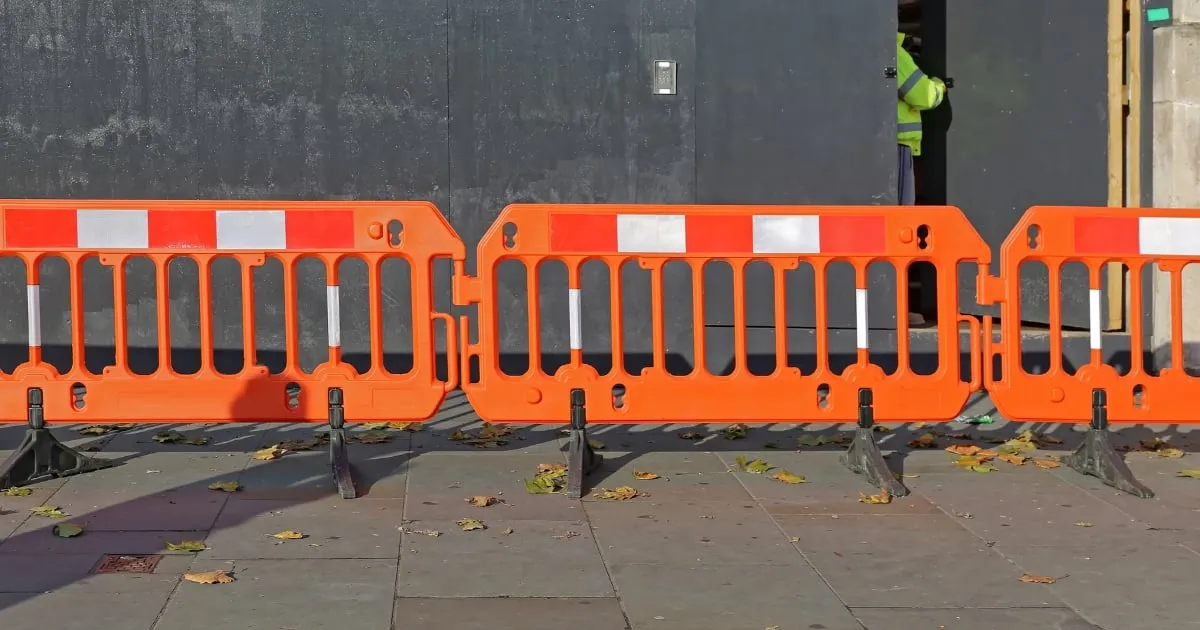
Construction sites are dynamic environments where safety is paramount. Safety barriers play a crucial role in maintaining a secure and efficient working space. They are essential in preventing accidents, protecting workers, and ensuring that projects run smoothly. This article explores the vital role of barriers in construction site safety, detailing how they contribute to a safer work environment.
Understanding Construction Site Barriers
Barriers are physical structures or systems designed to delineate hazardous areas, control access, and protect both workers and the public. They can vary widely in form and function, from simple fences to sophisticated guardrails. The primary goal of these barriers is to manage risks and provide clear boundaries in areas where construction activities pose potential dangers.
Preventing Unauthorised Access
One of the most important functions of barriers is to prevent unauthorised access to construction sites. Perimeter fencing and gates are commonly used to restrict entry to only those with proper authorisation. This helps to reduce the risk of accidents involving untrained individuals and prevents potential theft or vandalism of equipment and materials.
Protecting Workers from Falls
Falls are a leading cause of injury on construction sites. Guardrails and edge protection barriers are essential for preventing workers from falling from heights. These barriers are installed around open edges, scaffolding, and elevated platforms to ensure that workers remain safely within designated areas and avoid accidental falls.
Managing Traffic Flow
Construction sites often involve heavy machinery and vehicles moving in and out. Barriers help manage traffic flow by delineating vehicle pathways and pedestrian zones. Properly marked and strategically placed barriers reduce the risk of collisions between vehicles and pedestrians, ensuring that traffic movements are controlled and predictable.
Marking Hazardous Areas
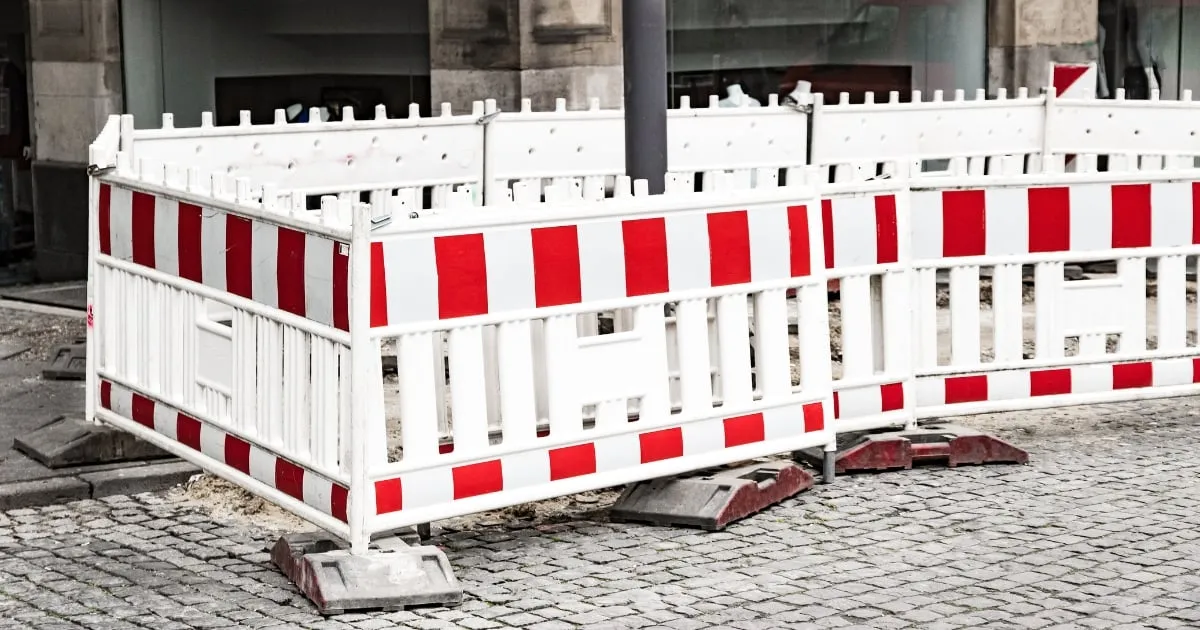
Certain areas on a construction site may present specific hazards, such as deep excavations or areas with exposed electrical wiring. Barriers are used to mark these hazardous zones clearly, alerting workers to the dangers and preventing accidental entry. This visual indication helps to keep workers away from risky areas and reduces the likelihood of accidents.
Enhancing Site Security
Barriers contribute significantly to the overall security of a construction site. Fencing and secure gates help to deter unauthorised access and protect valuable equipment and materials from theft or damage. By creating a secure perimeter, barriers play a critical role in safeguarding the site from potential security breaches.
Facilitating Emergency Response
In the event of an emergency, barriers can aid in the swift and effective response. Clear and well-maintained barriers help emergency personnel navigate the site quickly, providing a clear path to the affected areas. This efficiency is crucial in minimising response times and ensuring that any issues are addressed promptly.
Complying with Regulations
Construction sites are subject to strict safety regulations, many of which require the use of barriers. Compliance with these regulations not only helps in avoiding legal issues but also ensures that safety standards are met. Barriers are an integral part of regulatory compliance, helping to create a safe working environment and demonstrating a commitment to safety.
Adapting to Different Phases of Construction
Barriers must be adaptable to the different phases of construction. As projects progress, the layout of barriers may need to be adjusted to accommodate changing needs. For example, temporary barriers might be used during initial excavation and then replaced with more permanent structures as the building progresses. Flexibility in barrier design ensures that safety measures remain effective throughout the project.
Training and Awareness
While barriers are essential, their effectiveness also depends on proper training and awareness among workers. It is important that all personnel understand the purpose of the barriers and follow safety protocols. Regular training sessions and clear communication about the role of barriers help ensure that everyone on site is aware of and adheres to safety practices.
Barriers as Safety Guardians
Barriers are much more than physical obstacles; they are essential safety guardians that protect workers, manage risks, and ensure compliance with regulations. By effectively marking hazardous areas, controlling site access, and enhancing overall security, barriers play a pivotal role in maintaining a safe and orderly construction environment. Embracing the importance of these safety measures helps in building not just structures, but a culture of safety and responsibility.