
10 May 2024 · filed in Product Highlight
The Role of Bollards in Modern Traffic Management
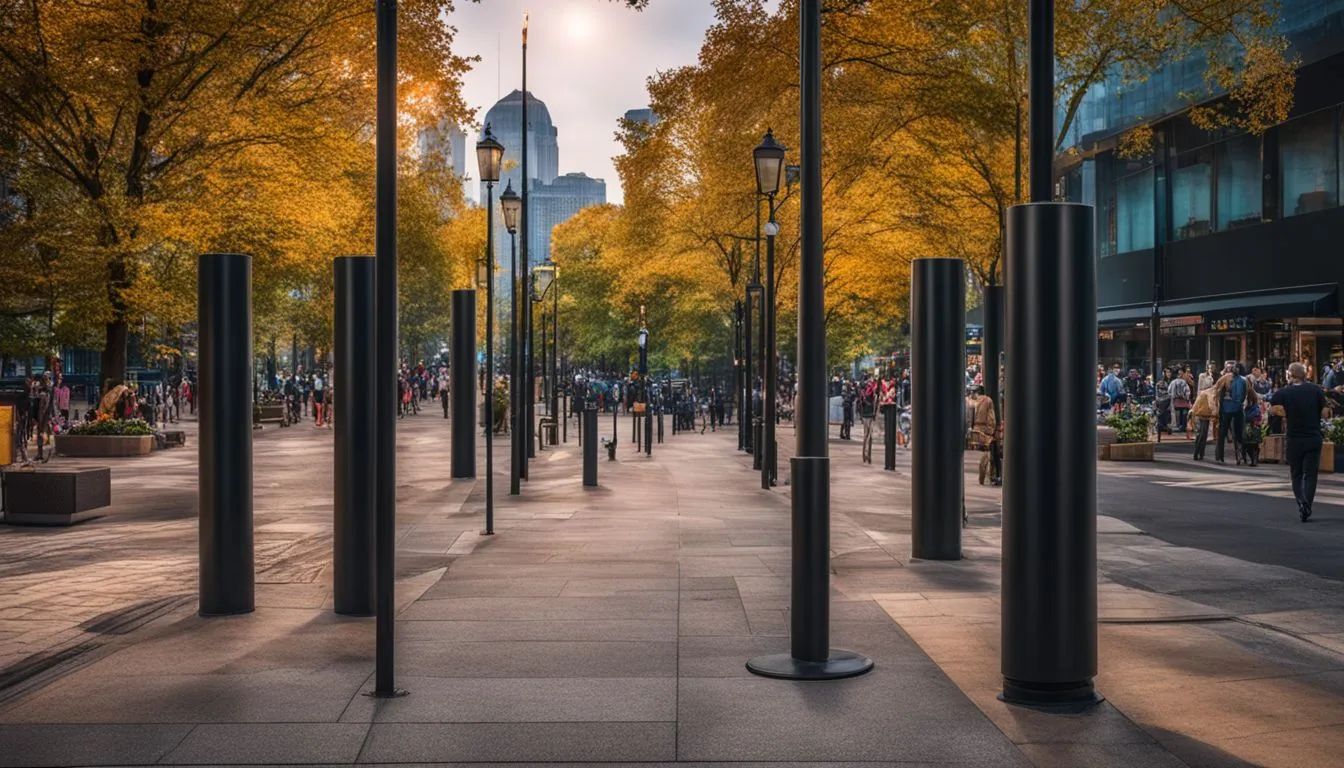
Keeping our roads safe and the traffic running smooth as is a task we’re all wrestling with. It’s no secret that finding the right fixes can be a bit of a head-scratcher, but what you might not realise is just how much of a role bollards play in getting our traffic management up to scratch.
Our dig into the matter has shown us that these understated bits of kit are real game-changers. Have a squiz below to see just how bollards are making a difference.
Understanding the Role of Bollards in Traffic Control and Management
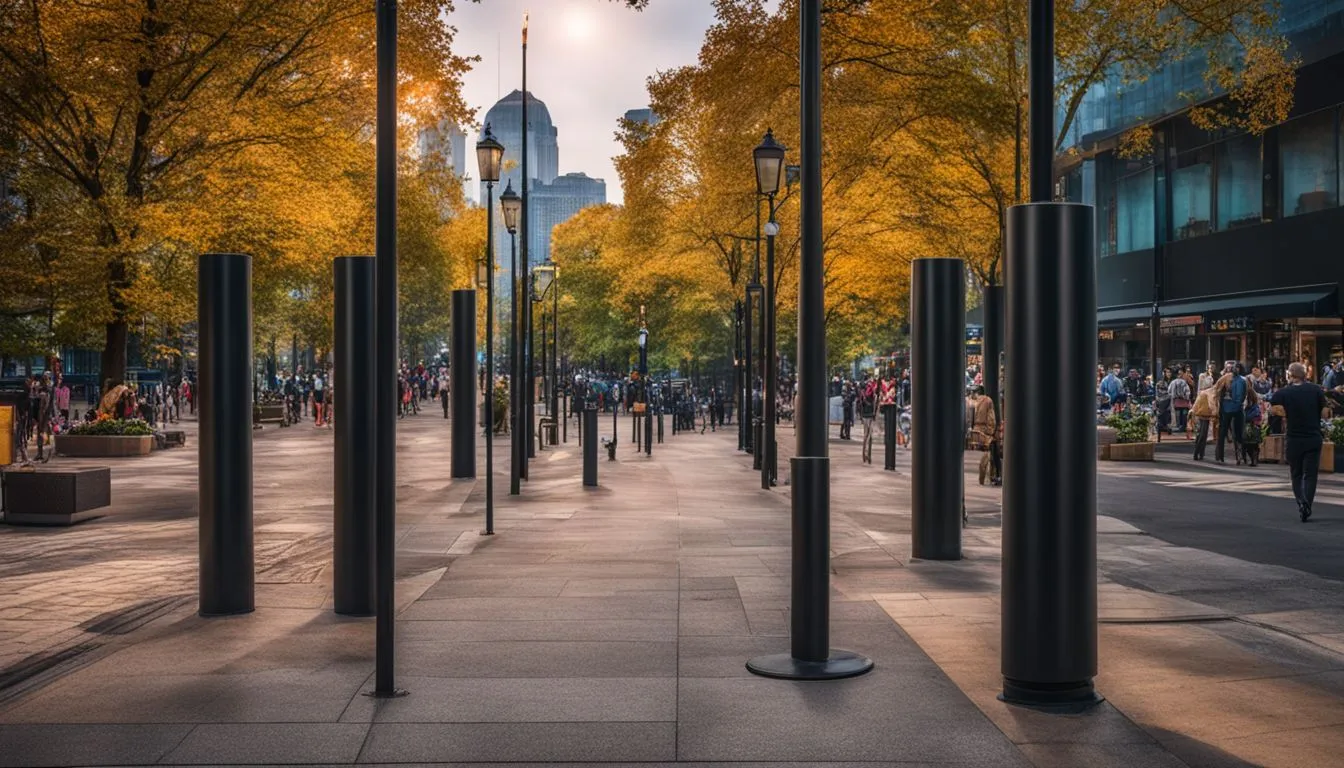
We use bollards across our cities and communities to manage traffic flow effectively. These sturdy vertical posts play a crucial role in separating different areas of roads, guiding vehicles, and protecting pedestrians from potential accidents.
Our focus on urban design includes placing these barriers strategically to ensure the safety of pedestrians while maintaining a smooth flow of vehicle traffic. Bollards serve as both visual and physical cues for drivers, indicating where they can and cannot drive.
Bollards stand as silent guardians, directing the pulse of our city streets.
Additionally, we incorporate bollards into urban planning efforts aimed at vehicle mitigation in public spaces. These installations are essential in creating safe zones that are free from unwanted vehicle entry, enhancing security around vulnerable areas such as school zones, pedestrian plazas, and residential neighbourhoods.
Through careful placement and selection of appropriate types of bollards, we aim to achieve a balance between necessary vehicular access and the well-being of community members.
Varieties of Bollards for Effective Traffic Control
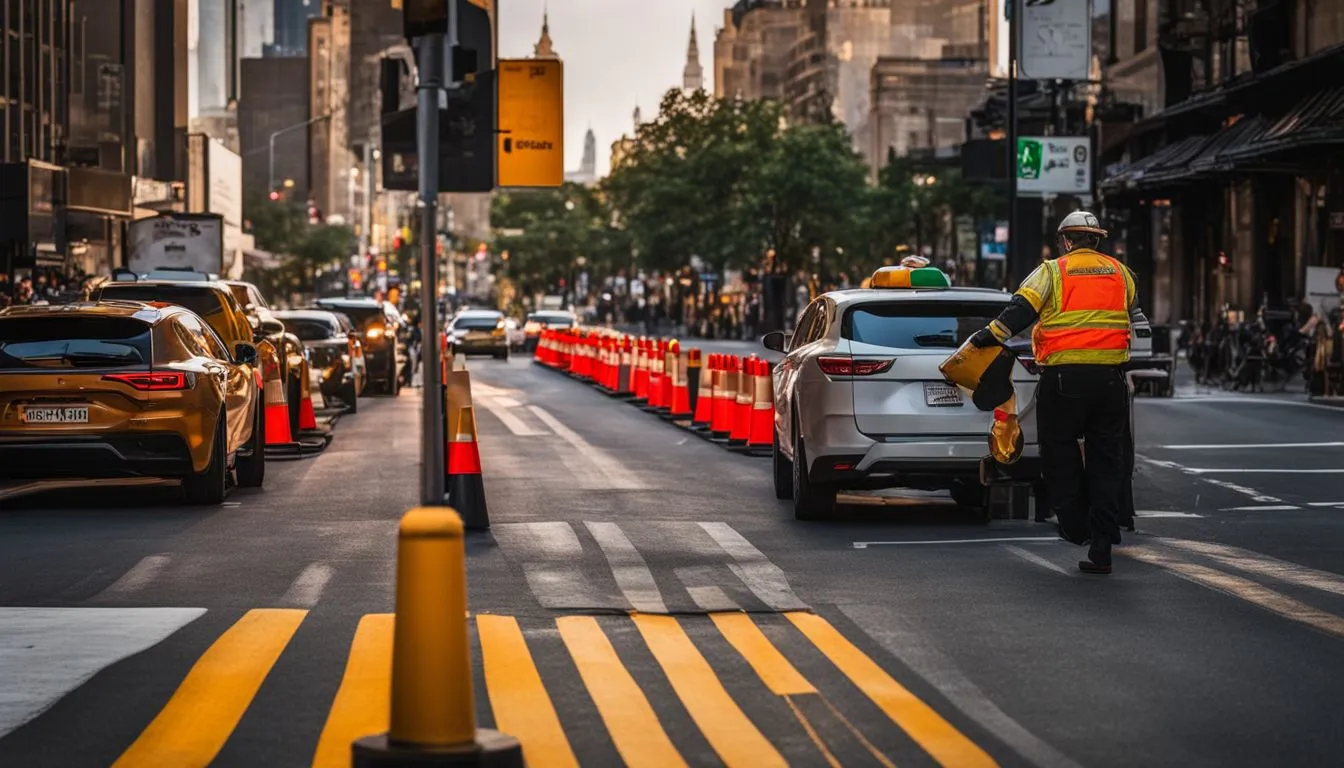
Traffic control bollards, safety barriers, and parking bollards all play crucial roles in maintaining safe and effective traffic flow. Each type is specially designed to address specific traffic management needs and ensure the safety of pedestrians and vehicles.
Traffic Control Bollards
We use traffic control bollards to guide vehicles and protect pedestrian spaces. These sturdy posts are pivotal in urban planning, providing a safe boundary between people walking and cars driving.
They help manage traffic flow and ensure pedestrian safety by creating visible separations on roads, pavements, and other shared areas.
Made for urban durability, these bollards stand strong against potential vehicle impacts while maintaining an aesthetic that complements cityscapes. They play a crucial role in parking management too, preventing unauthorised access to restricted zones.
Next up, we’ll explore how safety barriers contribute further to road safety and traffic regulation efforts.
Safety Barriers
Safety barriers play a crucial role in road safety and urban infrastructure, guiding vehicles and protecting pedestrians. These barriers serve as physical buffers between traffic and people, significantly reducing the risk of accidents in busy areas.
By incorporating traffic control measures with safety barriers, we ensure safer public spaces and smoother traffic flow.
Safety barriers: Shielding lives and simplifying urban mobility.
Their strategic placement around business premises or homes not only enhances pedestrian safety but also helps in vehicle mitigation, creating a secure environment for everyone. With proper installation, these barriers effectively manage parking regulation enforcement while contributing to overall urban design and planning goals.
Parking Bollards
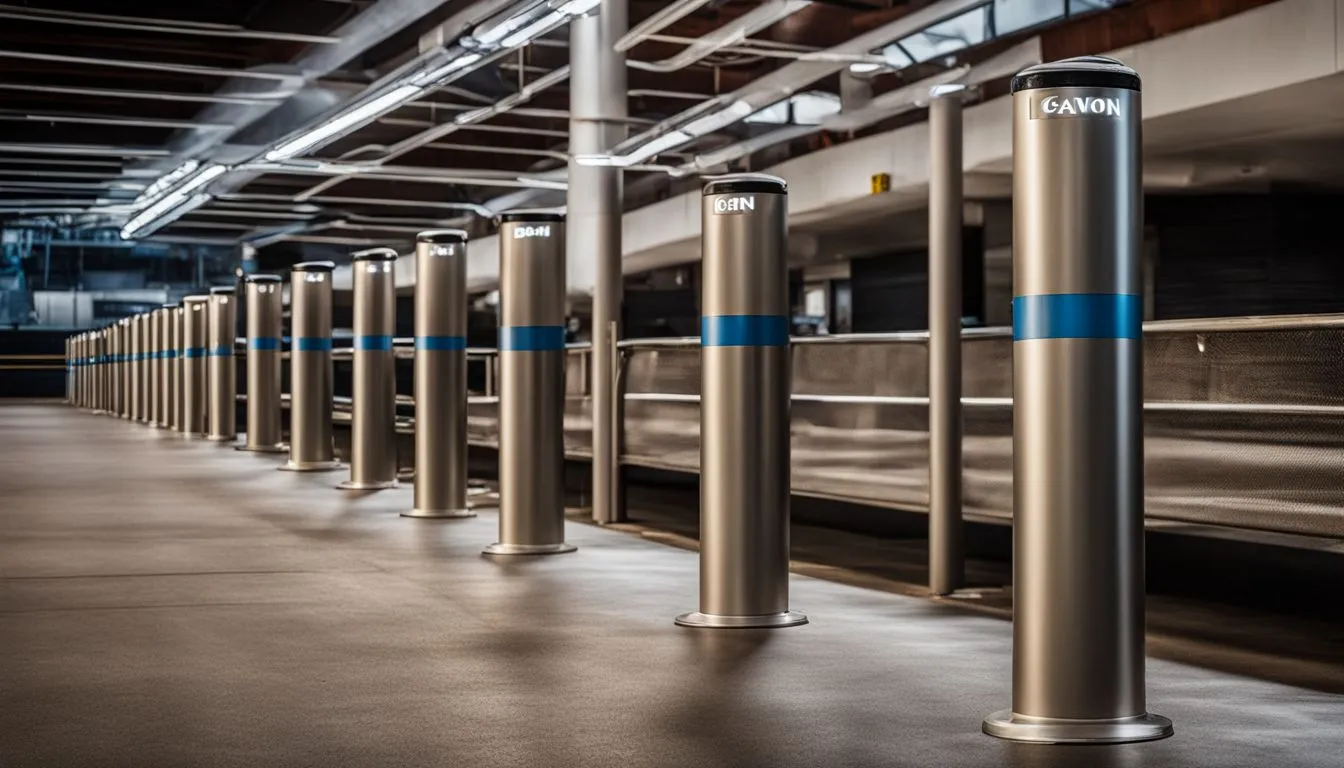
We understand the significance of parking bollards in managing parking spaces effectively. These sturdy barriers are key to ensuring that vehicles remain within designated areas, preventing unauthorised use of spaces meant for specific purposes or individuals.
By installing parking bollards, we help both businessowners and homeowners maintain control over their property, enhancing safety and order in car parks.
Our team selects high-quality materials for these bollards to withstand various weather conditions and impacts. This strategic approach not only secures parking areas but also contributes to the overall aesthetic of the environment.
The careful placement of these bollards can guide traffic flow efficiently, making it easier for drivers to navigate through parking lots without confusion. Now, let’s explore how these installations impact pedestrian safety in our next section.
The Impact of Bollards on Pedestrian Safety
We often overlook the silent guardians of our pavements and public spaces: bollards. These sturdy structures play a crucial role in enhancing pedestrian safety by creating visible barriers between people and vehicles.
They guide traffic while protecting footpaths, playgrounds, and shopping areas where families gather. Bollards ensure that cars stay within their lanes, preventing them from encroaching on spaces meant for people.
This separation gives pedestrians peace of mind, knowing they have a safe space to walk, play, and socialise without the worry of vehicle intrusion.
Installing bollards also makes pedestrian crossings safer for everyone. They slow down cars near pedestrian crossings and school zones, reducing the likelihood of accidents. For business owners and homeowners alike, incorporating these protective measures around properties not only safeguards those on foot but also contributes to a well-managed traffic flow around commercial or residential areas.
As part of urban planning efforts focused on road safety infrastructure and pedestrian safety measures, embracing the use of bollards is essential for maintaining harmony between vehicular movement and pedestrian freedom in our communities.
The Functional Design and Strategic Placement of Traffic Bollards
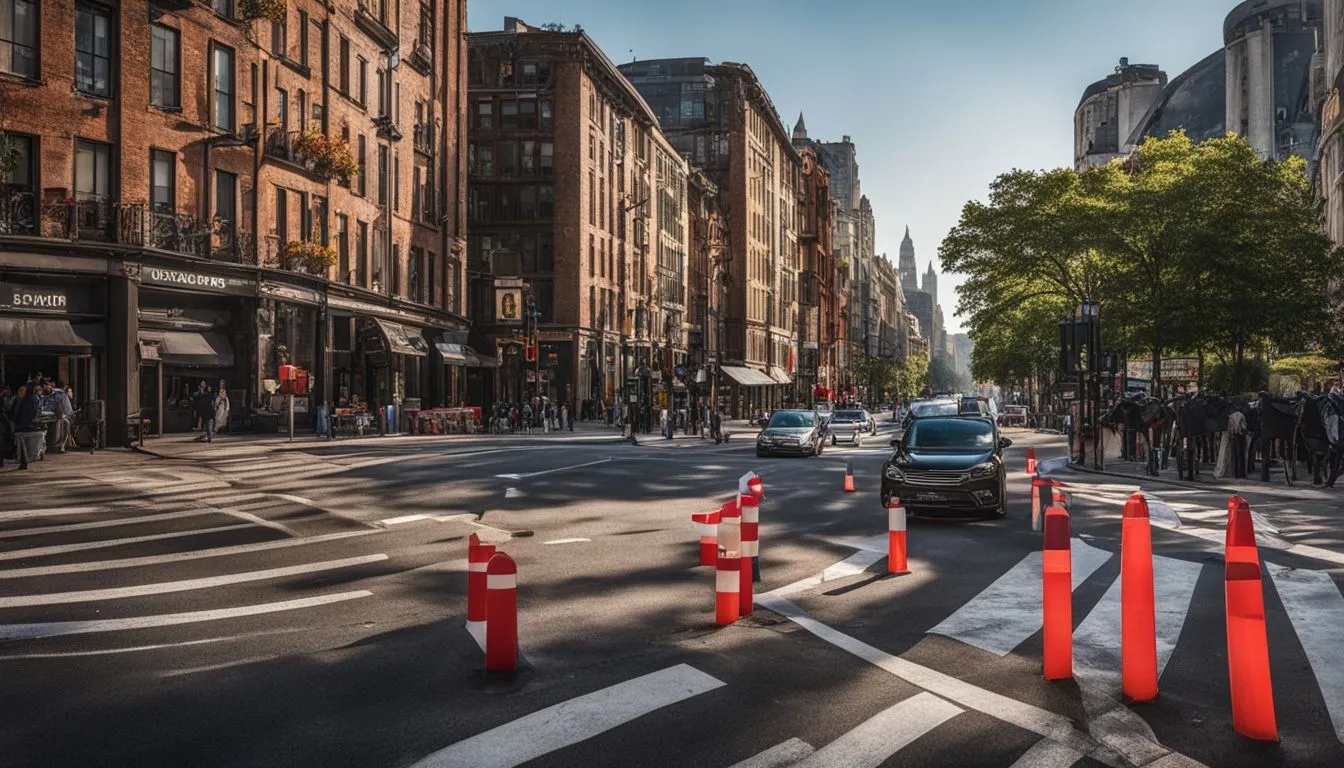
Our approach to installing traffic bollards focuses on their functional design and strategic placement. We ensure these features contribute effectively to traffic control, pedestrian safety, and vehicle mitigation in both urban and residential areas.
Each bollard’s location is carefully chosen to create a safe environment for pedestrians while allowing smooth traffic flow. This method supports road safety infrastructure by preventing unauthorised access and guiding vehicles in high-risk zones.
We prioritise the use of durable materials in our bollards to withstand impacts while maintaining an aesthetic that blends with the surrounding urban design or residential landscape.
Placement takes into account visibility for drivers, ensuring they serve as effective reminders without obstructing the view. Our goal is clear: protect public spaces and enhance urban planning through thoughtful integration of traffic bollards into everyday life.
The Role of Bollards in Urban Planning and Vehicle Mitigation
Moving beyond the basics of design and placement, bollards play a pivotal role in urban planning and vehicle mitigation. They serve as vital tools for creating safer, more orderly environments in both business districts and residential areas.
Our use of traffic bollards integrates seamlessly with broader urban infrastructure goals, providing essential safety barriers while also contributing to aesthetic appeal and pedestrian confidence.
Bollards effectively control vehicle access in sensitive or crowded spaces, acting as physical cues for drivers to slow down or redirect their route. This strategic deployment aids significantly in reducing accidents and enhancing road safety throughout cityscapes.
We carefully select locations that benefit most from these installations, ensuring that each bollard earns its place as part of our comprehensive approach to traffic management and urban design.
Benefits of Utilising Bollards for Traffic Control

When considering bollards for traffic control, here are several benefits to take into account:
- Enhances pedestrian safety by providing a physical barrier between pedestrians and vehicular traffic, thereby reducing the risk of accidents.
- Improves traffic flow management by delineating lanes and guiding vehicles in the intended direction, contributing to smoother and more organized traffic patterns.
- Provides protection for urban infrastructure such as buildings, storefronts, and public spaces from potential vehicle damage or intrusion.
- Assists in parking regulation enforcement by clearly marking designated parking areas and preventing unauthorized vehicle access.
- Contributes to road safety by acting as safety barriers to mitigate the impact of hostile vehicle attacks or accidental collisions, safeguarding public spaces and properties.
Stop writing after this list.
Creating Safer Workplaces: Comprehensive Workplace Traffic Management Plan
Moving on from the benefits of utilising bollards for traffic control, let’s delve into creating safer workplaces by implementing a comprehensive workplace traffic management plan. Here are the essential components:
- Implement clear signage to direct vehicle and pedestrian flow within the workplace.
- Utilise speed humps or raised crossings to slow down vehicle speeds in high-foot-traffic areas.
- Install impact – resistant safety barriers to protect vulnerable areas from potential vehicle collisions.
- Utilise retractable and removable bollards to allow flexible access while ensuring security when needed.
- Establish designated parking areas using parking bollards to prevent unauthorised access and ensure organised parking.
End of Content
Case Studies: Demonstrating the Effectiveness of Bollards in Traffic Management
We have seen numerous case studies highlighting the significant impact of bollards in effectively managing traffic flow and ensuring pedestrian safety. These studies underscore the pivotal role of bollards in urban areas, where they have been instrumental in preventing vehicle incursions into pedestrian zones and enhancing overall road safety.
The real-world examples demonstrate that strategically placed bollards have successfully mitigated the risks posed by unauthorised vehicular access, preserving the integrity of public spaces and infrastructure.
These case studies serve as compelling evidence of how traffic bollards contribute to creating safer environments for both pedestrians and motorists alike.
The case studies also shed light on how tailored bollard solutions have successfully addressed complexities related to parking management, vehicle control measures, and urban design requirements.
By meticulously analysing these instances, it becomes evident that well-deployed traffic bollards play a crucial role in regulating traffic flow while safeguarding public spaces from potential vehicular threats.
Additionally, these illustrations emphasise how investing in robust traffic barrier systems can significantly enhance city planning initiatives, further solidifying their position as an indispensable component of modern traffic management strategies.
Future Perspectives on Traffic Bollards and Pedestrian Safety
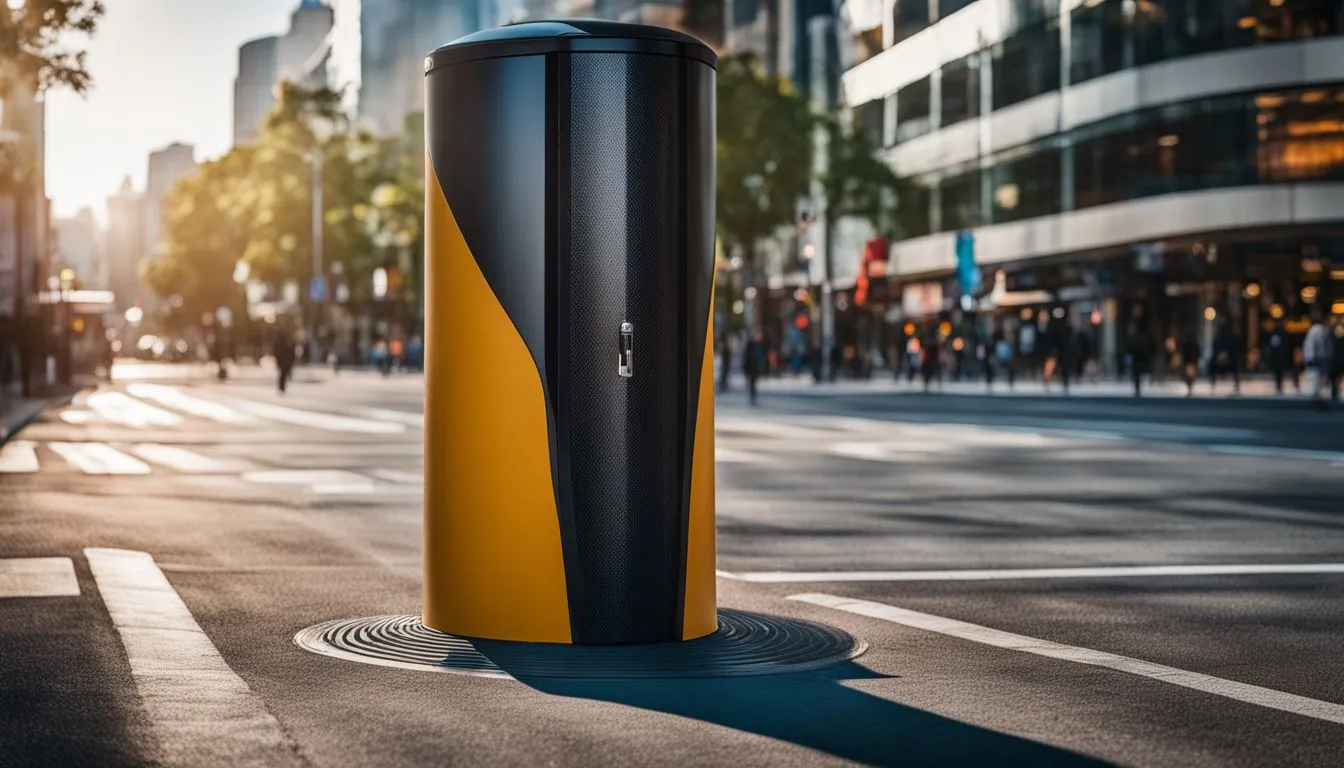
When considering the future of traffic bollards and pedestrian safety, it’s crucial to acknowledge the rapid advancements in technology and urban planning. These innovations will play a pivotal role in enhancing road safety and streamlining traffic flow.
With smart city initiatives gaining momentum, integrating intelligent sensors into traffic bollards will enable real-time data collection for better decision-making. Additionally, the development of self-retracting bollards and energy-efficient lighting solutions will contribute to sustainable urban infrastructure while ensuring enhanced pedestrian safety.
It is clear that future perspectives on traffic bollards are closely linked with cutting-edge technologies, presenting exciting opportunities for creating safer public spaces.
Furthermore, the ongoing collaboration between urban planners and transportation engineers is set to revolutionise the design and placement of traffic bollards. By leveraging advanced modelling software and predictive analytics, these professionals can optimise bollard configurations to effectively mitigate vehicle-related risks without compromising urban aesthetics.
Moreover, upcoming trends suggest an integration of pedestrian-friendly features into modern bollard designs, aligning with our collective goal of promoting walkable cities. As we look towards the horizon, embracing these developments promises a future where traffic bollards not only enhance safety but also contribute to sustainable urban environments.
The Transformative Impact of Semi-Automatic Bollards
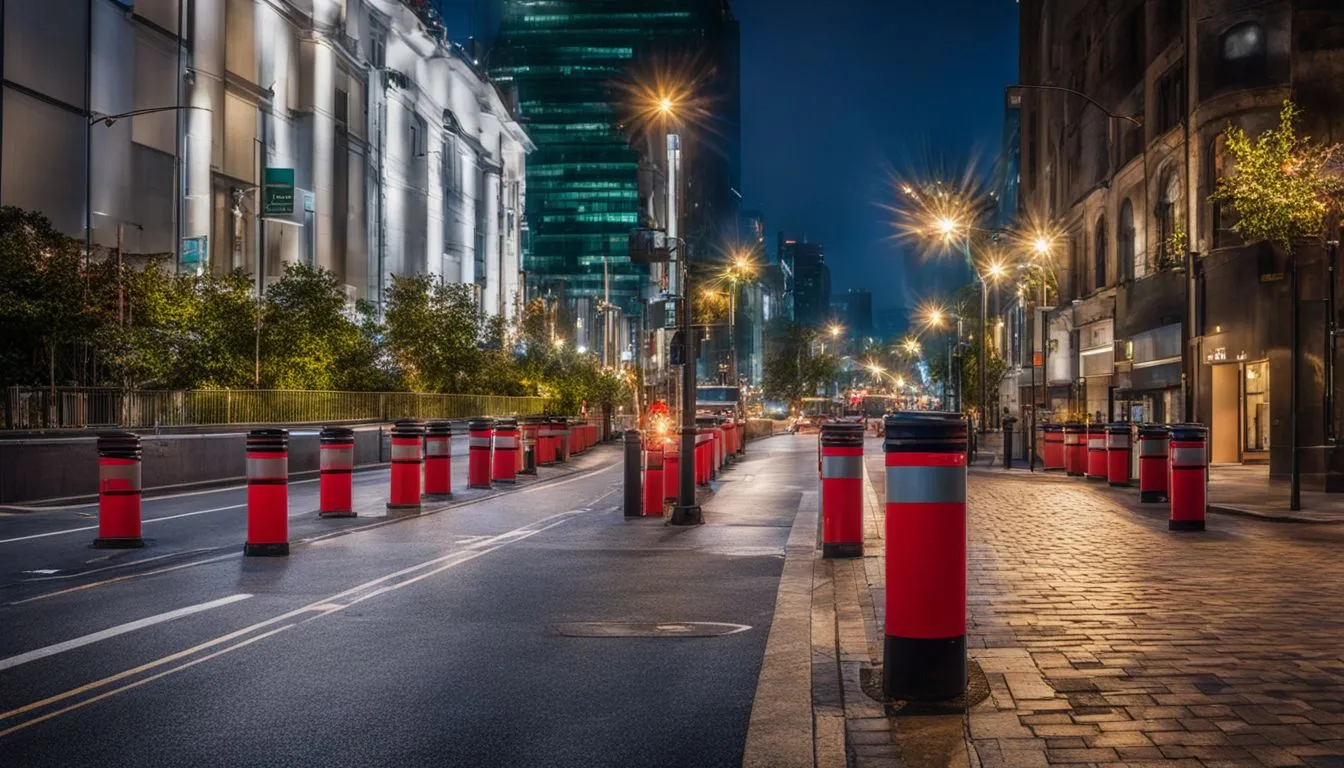
Semi-automatic bollards have a significant transformative impact on traffic management. Installing these bollards enhances security and safety, particularly in high-traffic areas or during events.
They effectively regulate vehicle access, providing flexibility for homeowners and business owners while maintaining pedestrian safety. The semi-automatic feature allows for efficient control over vehicle entry and exit points.
The installation of semi-automatic bollards can improve the overall traffic flow around your property or business premises. These advanced systems provide an additional layer of protection against unauthorised vehicle access and potential threats without compromising convenience for authorised vehicles.
Turning to “12. How Crash-Rated Bollards Get Certified”….
How Crash-Rated Bollards Get Certified
Crash-rated bollards must undergo rigorous testing to earn certification. Manufacturers subject these bollards to simulated vehicle impacts at various speeds and angles. The certification process ensures that the crash-rated bollards meet specific safety standards and can effectively protect against hostile vehicle attacks.
Certification for crash-rated bollards is crucial in providing assurance of their ability to safeguard public spaces, buildings, and infrastructure from potential threats. Additionally, it gives peace of mind to business owners and homeowners seeking effective protection against vehicle-related incidents.
Moving Forward: Comparing Different Traffic Calming Techniques.
Comparing Different Traffic Calming Techniques: The Superiority of Bollards

We’ve compared various traffic calming techniques to showcase the superiority of bollards. This summary points out why bollards stand out as an effective solution for businessowners and homeowners alike.
| Traffic Calming Technique | Effectiveness | Cost | Maintenance | Impact on Safety | Aesthetics |
|---|---|---|---|---|---|
| Bollards | High | Variable | Low | High | Adaptable |
| Speed Bumps | Medium | Low | Medium | Medium | Low |
| Rumble Strips | Medium | Low | High | Medium | Low |
| Chicanes | Medium | High | Medium | Medium | High |
| Road Narrowing | Medium | High | High | Medium | Variable |
We find bollards offer a unique blend of effective traffic control, minimal ongoing upkeep, and the ability to enhance pedestrian safety significantly. Their costs can vary, but the investment typically pays off in the long-term benefits they provide. Plus, their design can be adapted to fit the aesthetic needs of any environment, making them an ideal choice for both commercial and residential areas.
Conclusion
After exploring the multifaceted impact of bollards in modern traffic management, we have discussed a range of strategies aimed at improving pedestrian safety, traffic control, and urban planning.
Our meticulous consideration of practical design and strategic placement highlights the simplicity and efficiency of incorporating bollards into traffic management plans
The importance and potential transformative impact of these approaches underline their significance in creating safer public spaces and ensuring effective traffic flow. By considering these interventions, business owners and homeowners can take crucial steps towards enhancing road safety infrastructure within their respective realms.
For those keen to delve further into this ever-evolving field, we recommend exploring additional resources on urban design, vehicle mitigation measures, and parking regulation enforcement.
With our collective commitment to implementing these strategies, we can foster a culture that prioritises practicality without compromising safety or efficiency in managing traffic.
Let’s unlock the secrets to creating safer environments through bespoke traffic management solutions that are both tailored towards addressing complex challenges whilst remaining robust against evolving threats.