
6 March 2024 · filed in Product Highlight
How Safety Barriers Can Transform Warehouse Safety
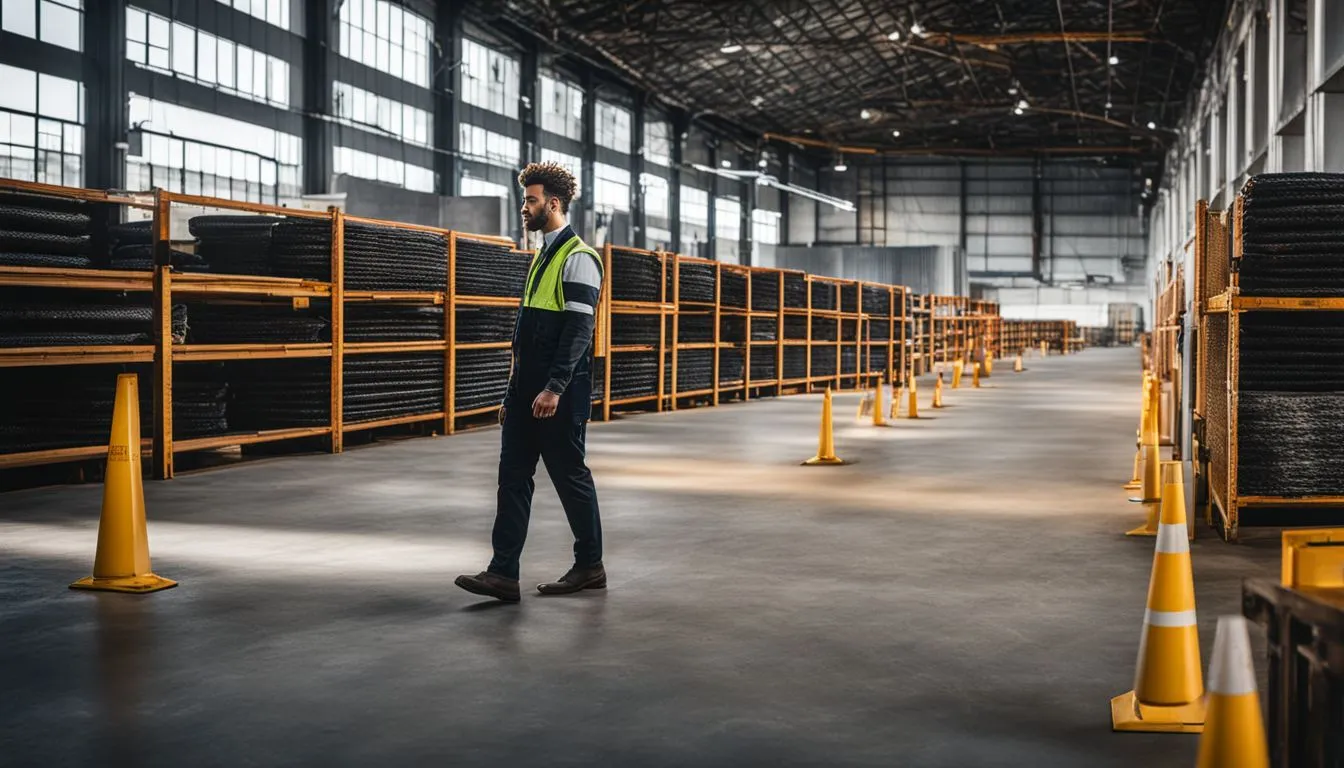
We completely understand the hurdles businesses face when it comes to keeping their warehouses out of harm’s way. It’s a tough gig, but you’re not alone in this battle. Our own journey has shown us that a staggering 85% of workplace mishaps can involve moving vehicles like forklifts, it’s pretty eye-opening, isn’t it? In our article, we’ll walk you through picking and putting into action top-notch safety barrier solutions to tackle these risks head-on.
So, let’s keep things safe together, hey?.
The Role of Safety Barriers in Warehouse Environments
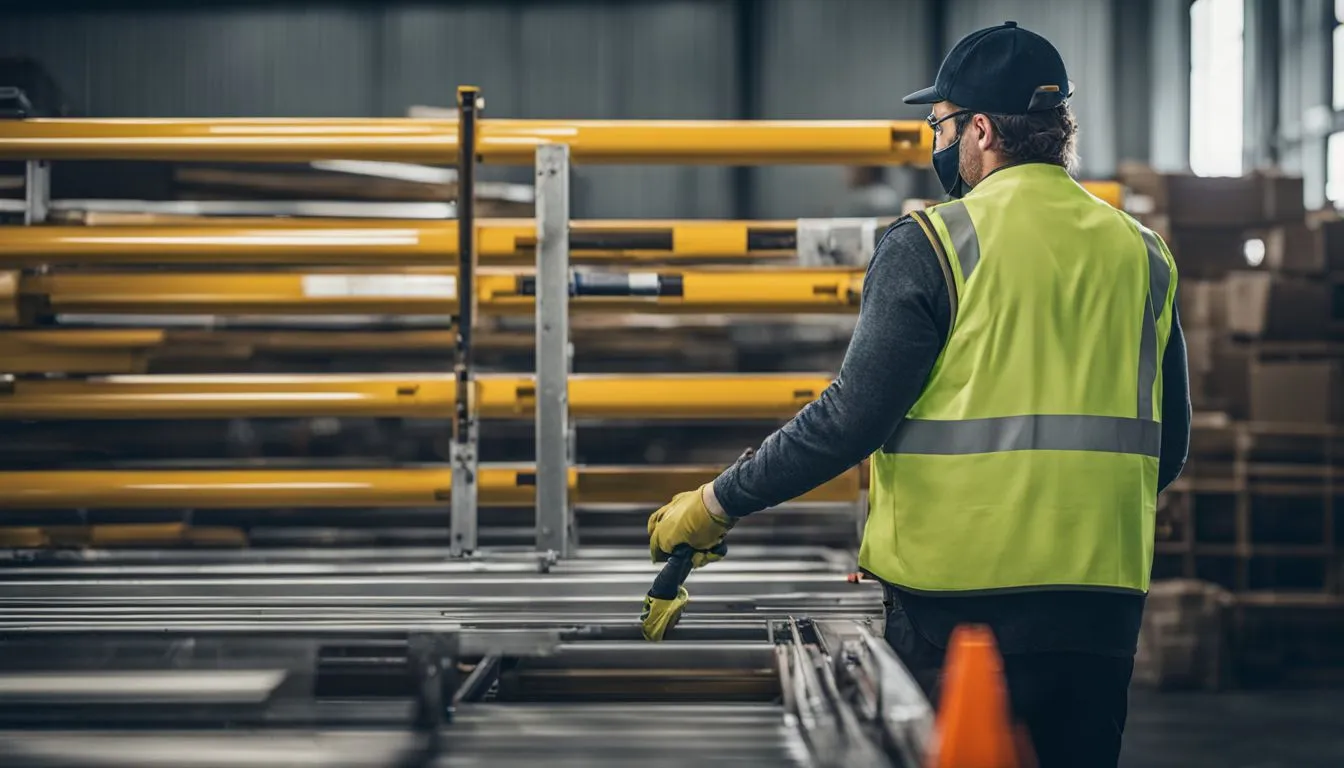
Safety barriers play a critical role in warehouse environments, safeguarding employees, equipment and inventory. They provide essential protection against potential hazards and create a secure work environment.
Understanding the Importance of Safety Barrier Systems
We understand the critical role that safety barrier systems play in maintaining workplace safety and reducing accidents. These barriers serve as a first line of defence against potential hazards, ensuring the well-being of employees and safeguarding valuable equipment.
Implementing effective warehouse protection systems allows us to manage risks more efficiently, promoting a culture of safety within industrial environments.
Our experience shows that selecting appropriate protective barriers, based on thorough hazard assessments, significantly enhances occupational health and safety standards. This proactive approach not only prevents injuries but also contributes to smoother operations by minimising disruptions caused by accidents.
Investing in quality safety management systems pays dividends in creating safer spaces for material handling and forklift operations, thereby improving overall productivity.
The Significance of Safety Barriers in the Workplace
Safety barriers serve a crucial role in safeguarding our workplaces, notably in areas like warehousing where the movement of goods and machinery poses constant risks. These protective structures are pivotal in delineating safe zones, controlling traffic flow, and providing a physical shield against potential accidents.
Our commitment to workplace safety drives us to select and implement the most effective barrier solutions that meet stringent safety standards.
Investing in high-quality safety barriers is not merely about compliance with regulations; it represents a proactive approach to accident prevention and risk management. By creating safer environments for employees, we not only protect lives but enhance overall productivity.
The proper use of barrier systems significantly reduces the likelihood of costly disruptions caused by workplace incidents. This strategic focus on occupational health and safety exemplifies our dedication to fostering secure and efficient workspaces for everyone involved.
Factors Influencing Safety Barrier Choices
When choosing safety barriers, it’s important to consider the specific risks in your warehouse environment. Making informed decisions about impact protection can help prevent over-engineering or underperformance.
Choosing the Right Impact Protection for Warehouse Risks
As business owners, we understand the critical importance of warehouse safety. Selecting the correct impact protection barriers plays a key part in safeguarding both our employees and assets from potential hazards.
- Analyse warehouse operations to pinpoint specific areas of risk. Every warehouse has unique features; understanding these helps us identify where and what type of safety barriers are necessary.
- Conduct a thorough risk assessment. This involves looking at past incident reports, traffic flow within the warehouse, and areas with high pedestrian activity to gauge potential dangers.
- Consider forklift safety as a top priority. Given that forklifts are often involved in warehouse accidents, selecting barriers strong enough to withstand these impacts is crucial.
- Look into the material handling processes used on site. Different goods require different handling equipment, which can influence the choice of protective barriers needed.
- Assess chemical safety if hazardous materials are present. Chemical spills or leaks pose unique challenges and may require specialised barrier solutions.
- Factor in the repair and maintenance costs of safety barriers over their lifetime. Opting for durable, low-maintenance options can save money in the long run.
- Explore innovations in safety barrier solutions such as polymer barriers over traditional metal ones for certain applications due to their high impact resistance and flexibility.
- Check compliance with occupational health and safety regulations and standards like PAS 13 to ensure that chosen barrier systems meet legal requirements.
- Evaluate the potential impact of chosen barriers on warehouse productivity and profitability, ensuring they do not obstruct operations while providing maximum protection.
- Seek advice from risk management tools or consultations with experts in industrial safety protocols to make informed decisions.
Taking these steps allows us to deploy effective safety measures within our warehouses, reducing risks associated with workplace accidents and improving overall operational efficiency.
Avoiding the Cost of Over-Engineering and Underperformance
Over-engineering safety barriers in the warehouse can drain resources without adding value. We focus on matching the level of protection to the specific risks identified during hazard assessments.
This approach ensures that funds are allocated effectively, avoiding unnecessary expenditure on overly complex systems that don’t deliver additional safety benefits.
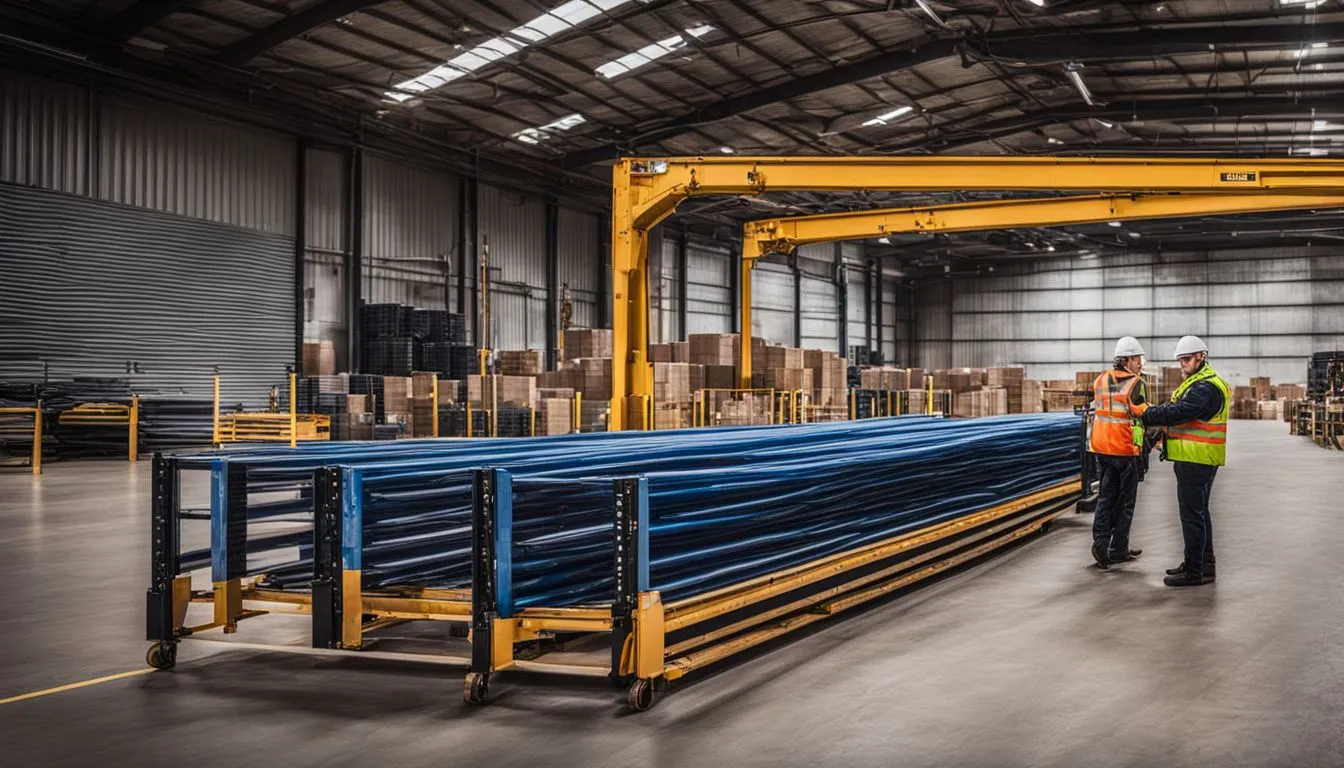
Equally, skimping on essential features or opting for low-quality solutions leads to underperformance and potential safety hazards. We guide business owners through selecting high-performance safety barrier solutions that offer both reliability and cost-effectiveness.
It’s a balance between investing wisely in workplace safety measures and ensuring they meet the operational demands of your warehouse. Next, we explore how availability and lead times influence our decision-making process.
Consideration of Availability and Lead Times
We always factor in availability and lead times when choosing safety barrier solutions for warehousing. Quick and easy access to the right protective barriers ensures that we stay ahead of workplace safety demands without delay.
In a rapidly moving warehouse operation, waiting too long for essential safety equipment can significantly halt progress and increase risks.
Selecting suppliers known for prompt delivery is crucial to maintaining continuous safety management systems in place. We prioritise working with manufacturers who not only provide quality warehouse protection systems but also guarantee swift turnaround times.
This strategic approach helps us implement hazard prevention solutions efficiently, keeping our operations safe and compliant at all times.
PAS 13: A Crucial Standard for Industrial Workplaces
PAS 13 plays a vital role in industrial workplaces, establishing essential guidelines for safety barriers. It sets the standards that are crucial for making informed safety barrier choices in warehouse environments.
Why PAS 13 should be used in all industrial workplaces
We strongly advocate for the adoption of PAS 13 in all industrial workplaces due to its significant contribution towards workplace safety. This standard serves as a crucial guideline for implementing and maintaining safety barriers, ensuring they meet the specific needs of various work environments.
It focuses on protecting both personnel and property by reducing risks associated with vehicle movements, which is particularly vital in areas where forklifts and other vehicles operate.
Adhering to PAS 13 not only enhances safety management systems but also supports effective risk analysis and hazard assessment processes. By specifying requirements for barrier performance, it aids businesses in making informed decisions about their safety measures.
This structured approach helps prevent accidents and improves occupational health and safety outcomes across diverse industrial settings.
The Implications of PAS 13 for Safety Barrier Choices
Exploring the necessity of PAS 13 leads us directly to understanding its implications on selecting safety barriers. Adopting PAS 13 as a guiding framework helps us align our warehouse protection systems with top-notch industry standards, ensuring occupational health and safety at every level.
This standard specifies requirements for barrier strength, impact performance, and durability, making it easier for us to make informed decisions about which safety barriers offer the best protection against workplace accidents.
PAS 13 not only elevates our commitment to industrial safety but also streamlines risk assessment processes. By adhering to its guidelines, we can confidently choose protective barriers that effectively mitigate hazards in our warehousing environments.
This strategic approach aids in accident prevention strategies, enhancing material handling operations while safeguarding employees from potential harm. It shifts our focus towards comprehensive hazard prevention solutions that promise long-term resilience and reliability in maintaining workplace safety measures.
Innovations and Trends in Safety Barrier Solutions
Innovations and trends in safety barrier solutions are shaping the future of warehouse safety. The rise of polymer over metal impact barriers, simplifying barrier performance with infographics, and achieving warehouse sustainability goals with 100% recyclable impact barriers are transforming workplace safety measures.
The Rise of Polymer Over Metal Impact Barriers
Polymer impact barriers are surpassing metal ones in warehouse safety. These barriers offer lightweight yet durable protection, minimising damage from forklift impacts and other hazards.
The resilience of polymer barriers means less frequent replacement and maintenance, driving down repair costs and boosting overall safety levels. Additionally, as sustainability becomes increasingly vital for businesses, the recyclable nature of polymer impact barriers aligns with warehouse sustainability goals.
The shift towards polymer over metal offers a cost-effective solution with long-term benefits, making it an attractive choice for enhancing workplace safety while also contributing to environmental goals.
Simplifying Barrier Performance with Infographics
Infographics simplify complex barrier performance data, allowing quick comprehension. They deliver key safety information in an easy-to-digest visual format, aiding decision-making and risk assessment.
Infographics can offer insights on barrier effectiveness, installation processes, and maintenance requirements.
Business owners benefit from infographics as they provide a clear understanding of safety barriers’ impact on warehouse protection systems. The visuals save time and improve communication between stakeholders and employees with varying levels of expertise in safety management systems.
Achieving Warehouse Sustainability Goals with 100% Recyclable Impact Barriers
Incorporating 100% recyclable impact barriers in your warehouse can contribute to achieving sustainability goals. These barriers are environmentally friendly and can be reused, minimising the environmental impact of your operations.
By choosing recyclable options, businesses can demonstrate their commitment to eco-friendly practices while enhancing workplace safety and protection.
Opting for 100% recyclable impact barriers aligns with the growing trend towards sustainable business practices. It allows warehouses to minimise waste production and promote a circular economy by reusing materials.
The Economic Implications of Safety Barrier Solutions
Evaluating the economic impact of safety barrier solutions is crucial to understand their potential for saving on repair and maintenance costs, preventing downtime, and improving overall workplace productivity.
To learn more about how safety barriers can positively influence your business’s bottom line, delve into our in-depth exploration of their economic implications.
Saving on Repair and Maintenance Costs
To save on repair and maintenance costs, regular inspections of safety barriers are crucial. Routine checks help identify any damage or wear and tear early on, allowing for timely repairs to prevent further deterioration.
Implementing a preventative maintenance schedule ensures that safety barriers remain in optimal condition, reducing the need for costly repairs or replacements down the line. Additionally, investing in high-quality impact protection solutions can contribute to long-term cost savings by offering durable and resilient barriers that require minimal upkeep.
Furthermore, integrating robust safety barrier systems not only improves workplace safety but also enhances overall productivity and profitability. By minimising downtime due to equipment damage or workplace accidents, businesses can maintain smooth operations while mitigating unnecessary repair expenses.
The Power of Preventative Maintenance
Preventative maintenance is a game-changer in reducing repair costs and preventing downtime. Regular upkeep of safety barriers ensures they remain effective, extending their lifespan and enhancing workplace safety.
By conducting routine inspections and addressing any issues promptly, you can save on repair and replacement expenses while maintaining a safe work environment. Plus, proactive maintenance promotes smoother operations, ultimately boosting productivity and profitability.
Implementing preventative maintenance for safety barriers not only saves money in the long run but also helps to uphold workplace safety standards. Regular care and attention to these crucial systems prevent potential hazards, keeping your warehouse running smoothly while safeguarding your employees from harm.
How Safety Barriers can Improve Workplace Productivity and Profitability
Transitioning from the importance of preventative maintenance, it’s crucial to recognise how safety barriers directly impact workplace productivity and profitability. Implementing robust safety barrier solutions not only mitigates potential risks but also streamlines operations, leading to improved efficiency and cost savings.
By preventing accidents and protecting valuable assets, safety barriers contribute to a safer work environment, which can lead to increased employee morale and reduced downtime.
In addition to reducing the risk of accidents, safety barriers can enhance workflow by clearly delineating traffic routes and creating organised spaces for material handling. This clarity in movement helps optimise productivity while minimising disruptions caused by avoidable incidents.
Moreover, investing in quality safety barriers demonstrates a commitment to employee well-being and regulatory compliance, fostering trust with stakeholders and potential partners.
Case Studies in Safety Barrier Implementation
Case studies reveal the real-world impact of safety barrier solutions, providing valuable insights into successful implementation and improved safety measures. These practical examples showcase how businesses have effectively integrated safety barriers to mitigate risks and enhance workplace safety.
Case Study: Maersk Arndell Park
Maersk Arndell Park, a leading logistics company, implemented cutting-edge safety barrier solutions to improve workplace safety. The installation of impact protection systems and safety barricades significantly reduced the risk of accidents during material handling operations.
By prioritising warehouse protection systems and occupational safety, Maersk effectively enhanced their workplace safety measures, underscoring the importance of barrier effectiveness assessment.
The robust implementation of safety barriers not only prevented accidents but also contributed to improved hazard prevention solutions and risk management protocols within their facility.
Case Study: Brookfield
Brookfield, a leader in the distribution industry, faced significant safety challenges at their busy warehouse. They needed robust safety solutions tailored to their specific needs.
After implementing impact protection barriers and infographics as visual aids, they saw a remarkable decrease in workplace accidents and near-misses. The simplicity of polymer impact barriers and clear communication through infographics enhanced employee understanding of safety protocols.
As a result, Brookfield not only improved its safety record but also increased productivity by reducing downtime caused by avoidable incidents.
Case Study: Alstom
Alstom, a leading provider of high-speed trains and sustainable mobility solutions, faced an urgent need to enhance workplace safety at their manufacturing facility. They sought to upgrade their safety barriers to minimise the risk of accidents involving heavy machinery and moving parts.
By installing impact-resistant polymer barriers, Alstom not only improved the overall safety standards but also reduced maintenance costs significantly. This case study showcases how strategic implementation of robust safety barrier solutions can effectively mitigate risks in industrial settings while positively impacting the bottom line.
The adoption of innovative polymer impact barriers allowed Alstom to boost workplace protection without compromising operational efficiency. The company’s proactive approach towards enhancing safety stands as a testament to the pivotal role that well-planned barrier solutions play in safeguarding both employees and assets within warehouse environments.
Safety Communication: The Bridge Between Safety Culture and Employee Safety Performance
Safety communication plays a vital role in shaping safety culture and enhancing employee safety performance. It mediates the connection between safety culture and employee behaviors, fostering a safer work environment for all.
The Impact of Safety Communication on Safety Performance
Effective safety communication plays a pivotal role in driving safety performance within the workplace. Clear and consistent safety messaging not only reinforces the importance of adhering to safety protocols but also ensures that employees are well-informed about potential hazards, risk mitigation strategies, and emergency procedures.
Engaging with staff through regular briefings, training sessions, and visual aids fosters a safety-conscious culture, empowering them to actively participate in creating a secure work environment.
Furthermore, open channels of communication enable prompt reporting of near-misses or unsafe conditions, facilitating timely corrective actions and preventing accidents. By fostering a shared understanding of safety objectives and responsibilities amongst employees, effective communication acts as a catalyst for improved safety performance across all facets of warehouse operations.
The Mediating Role of Safety Communication in Safety Culture
Safety communication plays a pivotal role in shaping the safety culture within a warehouse environment. It serves as the linchpin that connects management’s safety expectations with employees’ actual safety performance.
By fostering open and transparent communication channels, businesses can ensure that safety-related information is effectively disseminated throughout the organisation, empowering employees to make informed decisions and take ownership of their own safety practices.
Additionally, active dialogue about potential hazards and best practices cultivates a collective commitment to maintaining a safe workplace, ultimately resulting in improved safety outcomes for all involved.
Crafting clear and concise safety messages through various mediums such as meetings, training sessions, visual aids, and digital platforms ensures that critical information reaches every corner of the warehouse.
Moreover, promoting two-way communication channels where employees feel comfortable expressing safety concerns not only enhances overall awareness but also allows for continuous improvement in risk mitigation strategies.
HD Barriers: Delivering Robust Safety Measures
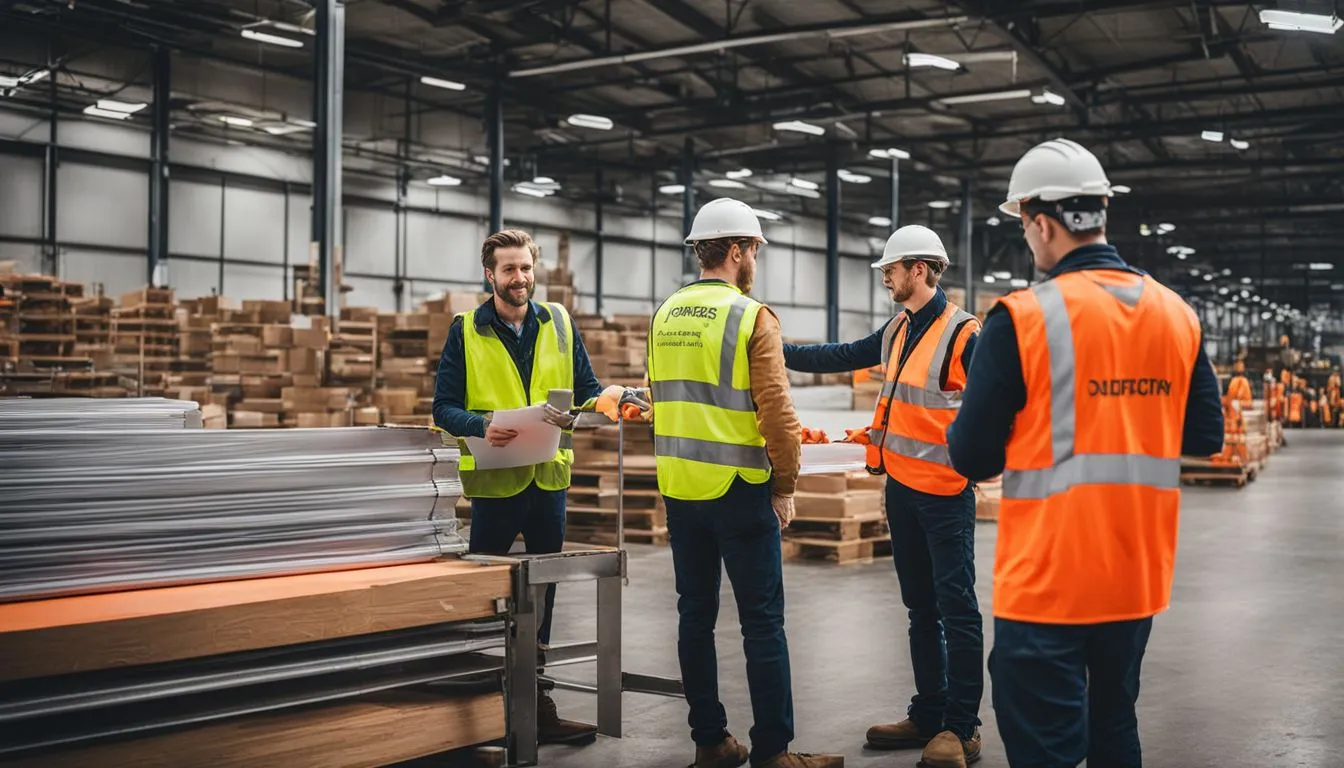
HD Barriers are essential for ensuring workplace safety. These robust safety measures offer unparalleled protection, effectively minimising risks and preventing accidents in the warehouse environment.
By installing HD Barriers, businesses can create a secure work setting that prioritises employee well-being while safeguarding valuable assets from potential damage.
The effectiveness of HD Barriers lies in their ability to withstand impact, providing a sturdy defence against forklift collisions and other potential hazards present in industrial settings.
Implementing these barriers demonstrates a proactive commitment to safety, aligning with best practices and regulatory requirements for workplace risk management. Businesses can trust HD Barriers to deliver reliable protection without compromise or unnecessary complexity, preserving both the integrity of the warehouse facility and the welfare of workers.
Conclusion
In conclusion, the evaluation of safety barrier solutions in warehousing is crucial. We have discussed the significance of safety barriers, from choosing the right impact protection to PAS 13 standards and economic implications.
The practicality and efficiency of these strategies are evident in their potential to improve workplace safety and productivity. Emphasising their importance, these approaches can lead to significant enhancements in warehouse protection systems.
Business owners should consider exploring additional resources or guidance for implementing innovative safety measures. Ultimately, with the implementation of robust safety barriers, workplaces can achieve improved safety culture and employee performance while ensuring warehouse protection systems meet industrial safety protocols.