
22 January 2024 · filed in Product Highlight
The Science Behind Safe Loading Docks: Role of V-Gates

Ensuring the safety of our loading docks can sometimes feel like a complex puzzle. Just like many business owners across Australia, we’re well aware of the niggly challenges that come with running a smooth operation. It’s an all-too-common fact that nearly 25% of industrial accidents happen where you’d least expect it, right in the hustle and bustle of our loading zones. Through our own journey to tackle these issues, we’ve unearthed some ripper strategies that significantly dial down the risks, including the clever use of V-Gates. Ever had one of those ‘aha’ moments? That’s exactly what happened when we discovered how these smart solutions can swish your dock from a place buzzing with hazards to a safe haven for both our hard yakka workers and precious cargo. Keen to learn more? Stick around as we unpack this game-changer!
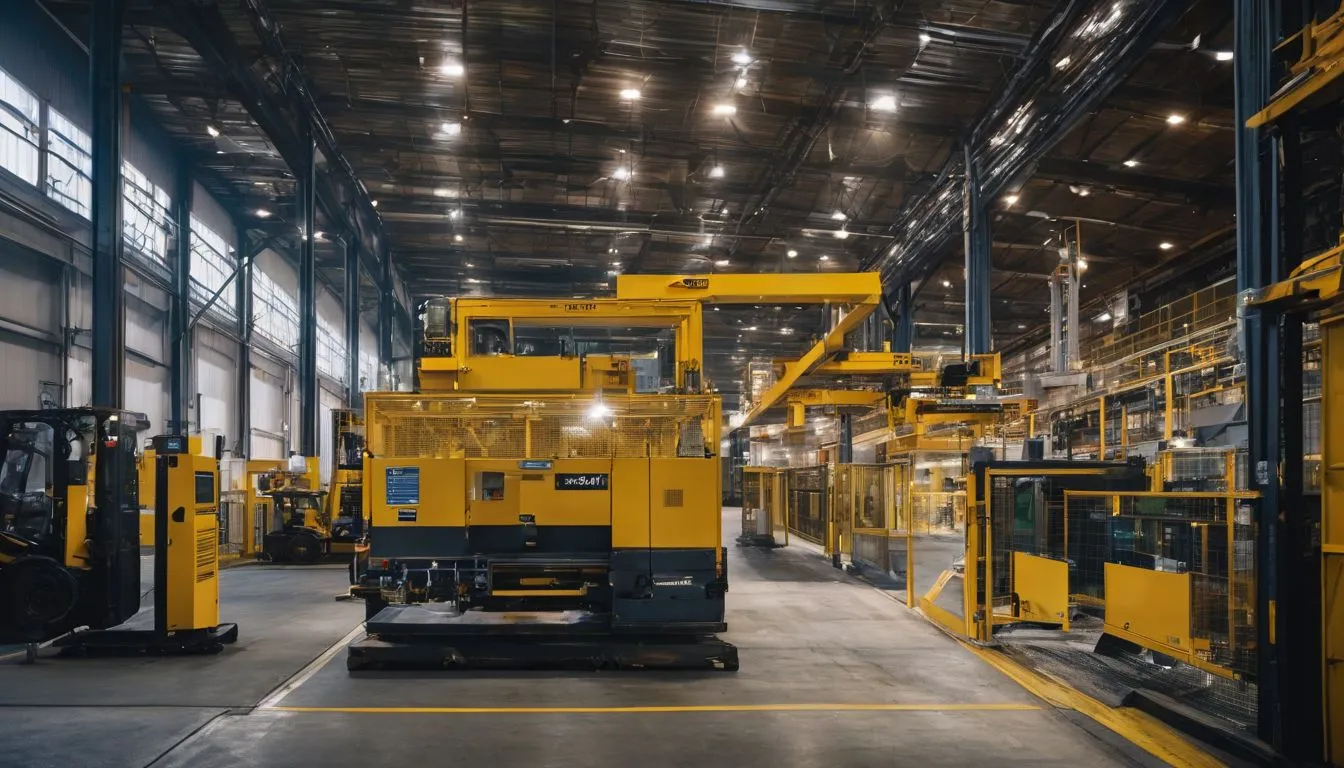
Understanding Warehouse Loading Docks
Warehouse loading docks play a crucial role in the smooth operations of businesses, allowing for the efficient transfer of goods from trucks to storage areas. Understanding the different types and functions of loading docks is essential in ensuring safe and effective logistics management.
Definition and function
A loading dock is the essential hub where goods transfer between transport vehicles and our warehouse. It’s like a bridge connecting two worlds; on one side, trucks loaded with materials ready for dispatch or delivery, and on the other, the bustling heart of our storage operations waiting to receive or send out stock.
V-Gates play a crucial role here by providing vehicle impact protection to prevent accidents at this busy intersection.
These gates act as traffic barriers, effectively controlling the movement of forklifts and pallet trucks within the loading bay while also ensuring pedestrian safety. Their robust design can help diminish the risk of falls from docks and provide an additional layer of security against any unexpected vehicle movement.
By integrating these systems into our loading dock areas, we create a safer environment that protects both staff and merchandise during the high-risk process of loading and unloading freight.
Different types (flush, enclosed, open, depressed, sawtooth)
After understanding the definition and function of warehouse loading docks, it’s important to recognise the different types available. These include:
- Flush Loading Docks: These are level with the warehouse floor, allowing for easy movement of goods in and out.
- Enclosed Loading Docks: Featuring a roof and walls, they provide protection from the elements during loading and unloading operations.
- Open Loading Docks: Without a roof or walls, these allow for easy access but may be impacted by weather conditions.
- Depressed Loading Docks: These are sunken below ground level, typically used when truck beds need to align with the warehouse floor.
- Sawtooth Loading Docks: This design allows multiple trucks to load and unload simultaneously, optimising efficiency and space utilisation.
Potential Hazards at Loading Docks
Loading docks pose various potential hazards, including accidents involving vehicles, trailers, and lifting equipment. There are also risks of falls, debris, liquids and other types of material that could result in injuries or damage.
Regular inspections are crucial to identifying and mitigating these hazards.
Accidents involving vehicles, trailers, and lifting equipment
Accidents involving vehicles, trailers, and lifting equipment pose significant risks at loading docks. Proper traffic management and clear pedestrian pathways are crucial for preventing collisions between moving vehicles and workers.
Regular maintenance of the dock levelers and other lifting equipment is essential to prevent malfunctions that could lead to accidents. Implementing designated areas for trailer parking and ensuring their stability during loading and unloading can reduce the risk of trailer-related incidents.
When it comes to vehicle separation at loading docks, utilising safety barriers such as guardrails or bollards can effectively prevent accidental impacts between trucks and the edge of the loading bay.
Risks of falls, debris, and liquids
Loading docks pose significant risks of falls, debris, and liquids. Employees or visitors may slip and fall due to wet surfaces or loose debris on the loading dock area. Spilt liquids from products being loaded or unloaded can also create hazards for people walking in the vicinity.
Similarly, loose debris such as packaging materials or equipment parts can cause tripping hazards that lead to accidents.
To mitigate these risks, it is crucial to prioritise regular cleaning and maintenance of loading dock areas. Implementing strict protocols for promptly addressing any spills or removing debris can significantly reduce the likelihood of accidents occurring due to falls and liquid-related hazards.
Importance of regular inspections
Regular inspections are crucial for maintaining loading dock safety. These inspections help identify potential hazards, faulty equipment, or structural weaknesses that could lead to accidents.
They also ensure compliance with safety regulations and standards, providing peace of mind for both employees and business owners. By conducting regular inspections, you can proactively address any issues before they escalate into costly incidents, improving overall efficiency and productivity at the loading bay.
Inspections are an essential part of a comprehensive risk management strategy. They empower businesses to take proactive steps towards preventing accidents, protecting their workforce and assets, and demonstrating a commitment to safety.

Optimising Loading Dock Design
When it comes to designing a safe loading dock, there are key elements that can make all the difference. Incorporating safety features such as V-Gates can significantly reduce the risk of accidents and ensure smooth operations.
Let’s explore how these design elements can enhance loading dock safety.
Importance of safe design elements
Safe design elements are crucial for the overall safety of loading docks. Implementing features such as sturdy guardrails, durable dock levellers, and proper lighting can significantly reduce the risk of accidents and enhance efficiency.
These elements also contribute to a safer work environment for employees, thereby reducing the likelihood of workplace incidents and associated costs.
Furthermore, incorporating advanced safety technologies like V-Gates can further enhance the protection measures at loading docks. By integrating these innovative solutions into the design, businesses can demonstrate their commitment to employee welfare while ensuring compliance with industry standards and regulations.
Integration of V-Gates for added safety
To enhance loading dock safety, V-Gates are integrated to prevent falls and accidents. These gates act as physical barriers, providing a protective boundary around the edges of the dock, thus minimising the risk of individuals or equipment plunging off.
By strategically placing V-Gates at loading docks, potential hazards such as falls from heights are significantly reduced. The installation of these gates ensures compliance with safety measures and standards while enhancing overall warehouse safety.
The integration of V-Gates not only enhances safety but also demonstrates a proactive approach to protecting personnel and assets from potential dangers at loading bays. As an essential element in optimising loading dock design, V-Gates provide added security against fall-related incidents, making them an invaluable addition to any warehouse’s safety infrastructure.
Case studies of successful safety implementations
- A large distribution centre in Sydney enhanced its loading dock safety by installing V-Gates, resulting in a 40% reduction in vehicle-related accidents and near misses.
- An industrial facility in Melbourne implemented V – Gates and observed a 50% decrease in fall incidents and improved traffic management around the loading area.
- A freight handling company in Brisbane integrated V – Gates, which led to a 30% reduction in loading bay congestion and smoother truck loading operations.
- A warehouse in Perth installed V – Gates as part of their safety measures, resulting in a 60% increase in overall employee awareness and compliance with loading dock safety protocols.
Ensuring Loading Dock Safety
We ensure loading dock safety through employee training on best practices and procedures, the use of safety equipment and barriers, as well as ongoing maintenance and inspections. Read more about how to keep your loading docks safe and secure.
Training for employees on best practices and procedures
To ensure loading dock safety, employees must be trained in best practices and procedures. This includes:
- Conducting regular safety training sessions to educate employees on the potential hazards at loading docks and how to mitigate them.
- Providing specific training on the safe operation of equipment commonly used at loading docks, such as forklifts, scissor lifts, and pallet jacks.
- Ensuring that all employees are familiar with emergency procedures and know how to respond in the event of an accident or hazardous situation.
- Implementing ongoing refresher courses to reinforce safety protocols and keep employees informed about any updates or changes in regulations.
- Encouraging a culture of safety awareness where employees feel comfortable reporting unsafe conditions or behaviours without fear of reprimand.
- Establishing clear communication channels for sharing important safety information and resources with all staff members.
- Appointing designated safety officers or leaders within the organisation to oversee and enforce adherence to safety protocols.
Use of safety equipment and barriers
Implementing the use of safety equipment and barriers is crucial for maintaining loading dock safety. Installing fall prevention gates, dock door safety barriers, and edge protection systems can significantly reduce the risk of accidents involving pedestrians and vehicles.
Regular inspections should be conducted to ensure that all safety equipment is in good working condition as part of ongoing maintenance efforts.
Proper traffic management within loading docks can be achieved through the installation of loading dock gates and pedestrian walkways. These measures not only prevent accidents but also contribute to the overall efficiency and productivity of warehouse operations.
Ongoing maintenance and inspections
Regular maintenance and inspections are crucial for ensuring loading dock safety. Business owners should schedule routine assessments of all equipment, including V-Gates, barriers, and traffic management systems.
Inspections help identify potential hazards and ensure that safety measures are functioning optimally. By staying proactive with ongoing maintenance, businesses can prevent accidents, maintain compliance with safety regulations, and create a safer working environment for employees and visitors.
Maintenance tasks such as cleaning debris from the dock area, checking the functionality of safety equipment, and repairing any damaged components should be conducted regularly to uphold loading bay safety standards.
The value of knowledge and safety
At the heart of loading bay safety is a commitment to ongoing knowledge and awareness. By prioritising regular training, maintenance, and awareness of potential hazards, businesses can ensure the safety of employees and visitors at their loading bays.
Importance of ongoing training and awareness
Regular training and awareness programmes are crucial for maintaining loading dock safety. Employees should receive ongoing instruction on best practices, procedures, and the use of safety equipment.
Ensuring that staff members are well-informed about potential hazards and how to prevent accidents is essential in creating a safe work environment. By staying updated with the latest safety protocols, employees can be better prepared to handle any unforeseen situations at the loading dock.
Ongoing training and awareness not only enhance employee safety but also contribute to improved operational efficiency. Well-trained personnel are more likely to adhere to safety guidelines while carrying out their tasks, reducing the risk of accidents or delays due to improper handling of equipment at the loading docks.
Contact information for safety resources
For assistance with loading dock safety resources, reach out to industry-specific organisations such as the Warehousing and Logistics Association for tailored advice and training programmes.
Additionally, government occupational health and safety departments can provide comprehensive guidelines and regulations to ensure compliance with safety standards. Consider collaborating with professional engineering firms specialising in industrial safety solutions for expert insight into innovative loading dock equipment and design strategies.
As an additional resource, refer to reputable industry publications that offer insights into best practices, case studies, and new technologies shaping the landscape of loading dock safety.
By staying informed about these resources, businesses can proactively address potential hazards in their loading dock operations while fostering a culture of continuous improvement.
Links to relevant articles and information
For additional resources and information on loading dock safety measures, our website offers detailed articles and guides specifically tailored to warehouse management and safety. You can explore in-depth insights into the science behind safe loading docks, including the role of V-Gates in enhancing pedestrian safety at loading docks.
Moreover, our platform provides valuable data on preventive measures for falls at loading docks and effective traffic management strategies to ensure a secure working environment. Access case studies, best practices, and industry standards for dock edge protection and regular inspections to optimise your loading dock layout effectively.
We also recommend visiting our blog section for updated content regarding dock logistics, management solutions, as well as ongoing training programs focused on ensuring sustained awareness about warehouse safety.

Conclusion
We have discussed the crucial role of V-Gates in ensuring loading dock safety. By understanding warehouse loading docks and potential hazards, businesses can optimise their design for added safety. Implementing training, safety equipment, and ongoing maintenance is essential for ensuring loading dock safety in day-to-day operations.
Have you thought about how these strategies could improve your loading dock safety? Consider integrating V-Gates and other safety measures to prevent accidents and ensure a secure working environment. The impact of implementing these practical solutions cannot be overstated, they lead to significant improvements in employee well-being and operational efficiency.
For additional guidance on loading dock safety barriers or traffic management, explore the resources available from industry experts. Remember, taking proactive steps towards safe loading docks not only reduces risks but also fosters a culture of workplace health and safety across your organisation.