
5 December 2023 · filed in Product Highlight
The Symbiosis of Safety and Sustainability in ECO Barriers
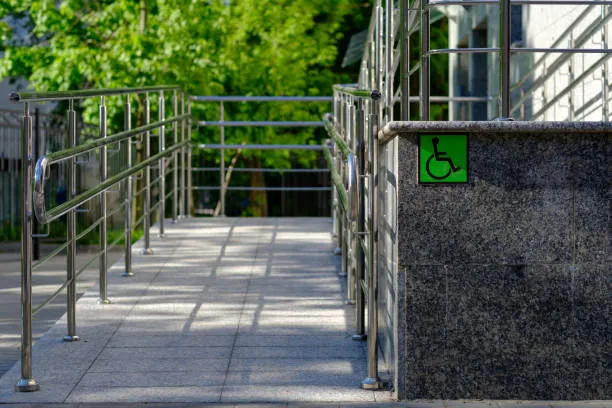
Eco barriers are revolutionising safety and sustainability in our communities and work sites. These innovative structures do more than just provide protection; they integrate living green walls that enhance air quality and add a touch of nature to urban environments. For instance, the DB80 K150 Road Barrier is not just any road divider, it’s built for the long haul with an eye on eco-friendliness, meeting all safety standards without harming our planet.
We see how important it is to merge these two pillars, safety with sustainability, as we look around at the growing push for greener cities. Urban green spaces bring life and ecological balance to concrete jungles but face challenges like funding and scepticism from businesses focused only on the bottom line. In Australia, choosing sustainable materials isn’t always easy due to cost concerns or stakeholders’ hesitation.
Surprisingly, being kinder to our environment doesn’t always pay off immediately in sales figures or corporate gain as resistance within companies often comes down to misconceptions or negative views about what being ‘green’ truly means. Eco-friendly practices might be voluntary but aren’t free from hurdles such as lack of resources or cultural resistance. Nevertheless, when it comes down to making lasting changes for future generations, eco barriers stand out by ensuring safer roads and planning greener urban spaces, one panel at a time. Get ready for insight into how these barriers shape a more secure and environmentally conscious world!
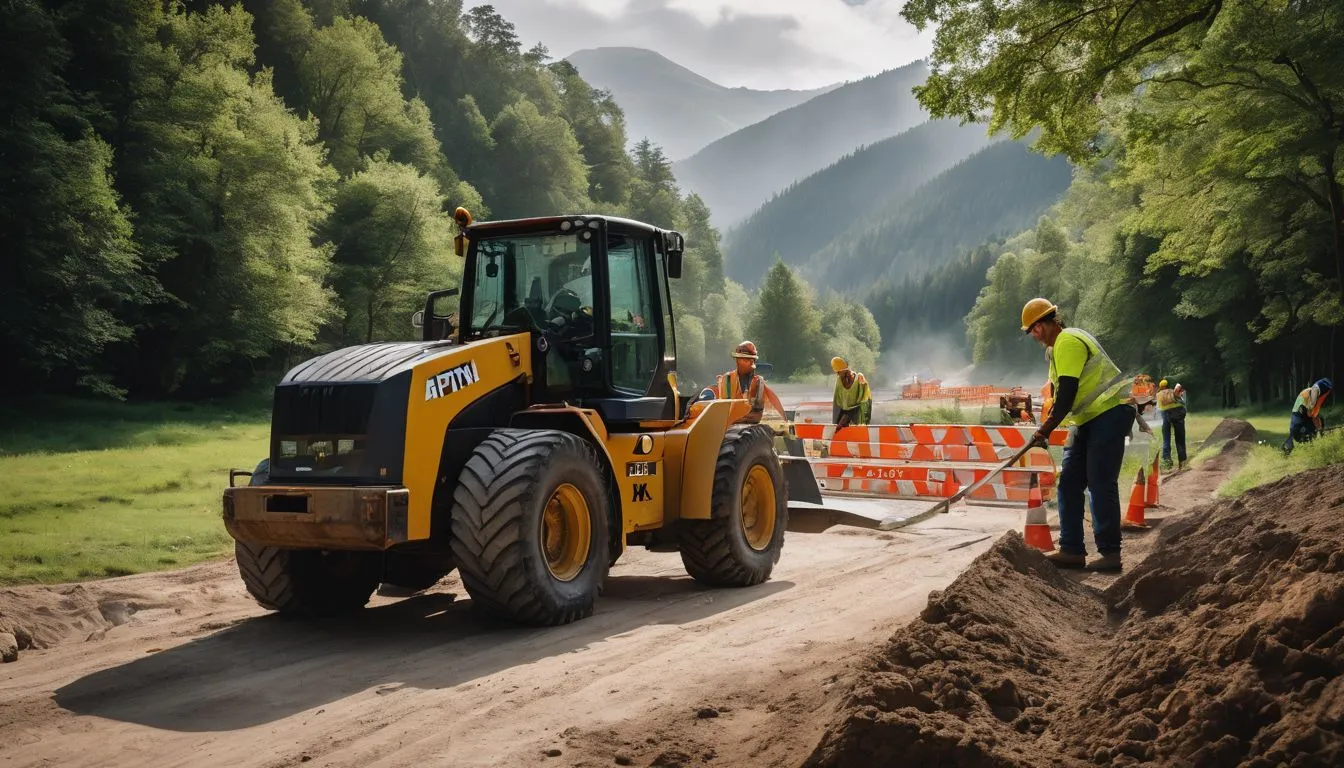
The Importance of Combining Safety and Sustainability
Ensuring safety and sustainability go hand in hand, providing long-term benefits for the environment and local communities. By prioritising both aspects, we can create a more resilient and healthier future for all.
Benefits for the Environment
Our eco barriers do more than just keep people safe; they actively contribute to a healthier planet. By integrating green walls and facades, we’re improving air quality and beautifying landscapes, which helps us tackle the challenge of carbon reduction head-on.
We choose sustainable materials that minimise environmental impact and support the implementation of sustainable practices within industries.
We also take pride in our approach to environmental safety barriers. By employing innovative designs like the Eco-Friendly DB80 K150 Road Barrier, we offer durable solutions with a lower ecological footprint.
These sustainable road barriers are not only effective in fall protection but also play a crucial role in promoting environmental conservation by being reusable and recyclable. This reflects our commitment to combining social and ecological functions for safer, greener communities.
Benefits for Communities
Communities benefit from eco-friendly barriers in several ways. For instance, the integration of green barriers contributes to improved environmental quality and sustainability, making public spaces more pleasant and liveable for residents.
Additionally, the use of sustainable materials in urban development projects helps promote a sense of community responsibility toward environmental conservation and fosters civic pride through aesthetically pleasing green infrastructure.
Moreover, implementing eco-conscious safety solutions not only enhances safety within communities but also demonstrates commitment to sustainable practices, aligning with the growing demand for environmentally friendly products amongst consumers and residents alike.
Types of Eco-Friendly Barriers
Barrier Mesh and Bunting, Barrier Tapes and Duct Tape, Coldlay, Concrete, and Grease Barriers – all of these eco-friendly barriers offer a range of sustainable options for ensuring safety while minimising environmental impact.
Barrier Mesh and Bunting
Barrier mesh and bunting are versatile eco-friendly barriers that offer effective safety solutions while contributing to environmental protection. These barriers are made from sustainable materials, reducing their environmental impact and promoting sustainability.
Barrier mesh and bunting can be reused multiple times, making them an excellent option for companies looking to minimise their ecological footprint. Additionally, these barriers are recyclable, further enhancing their eco-conscious appeal.
Business owners can benefit from incorporating barrier mesh and bunting into their operations as part of a safe-by-design approach. These barriers not only provide the necessary safety measures but also align with sustainable development goals, demonstrating a commitment to both safety and environmental protection.
Barrier Tapes and Duct Tape
Barrier tapes and duct tape are essential tools for creating temporary barriers in various industries. These eco-friendly options offer versatile applications, providing a safe and sustainable solution for managing restricted areas or hazardous zones.
Duct tape can be used to quickly patch minor damages, securing potential safety risks in construction sites or road management projects. Barrier tapes, made from sustainable materials, contribute to reducing environmental impact while effectively communicating danger and caution in work zones or public spaces.
Using barrier tapes and duct tape aligns with the goal of integrating ecological and safety considerations into everyday operations. By opting for eco-friendly alternatives, businesses can contribute to sustainable urban development while ensuring the safety of their employees and communities.
Coldlay, Concrete, and Grease Barriers
Coldlay, concrete, and grease barriers are essential components of eco-friendly safety measures. Using Coldlay technology in road construction can result in reduced environmental impact through the use of sustainable materials.
Concrete barriers play a crucial role in providing strength and durability for road safety management. Additionally, grease barriers are effective in preventing environmental contamination by containing oil spills and other hazardous substances.
Implementing these barriers promotes sustainable development and ensures the protection of both the environment and communities.
These barriers not only offer fall protection but also contribute to the overall improvement of environmental quality. Incorporating coldlay, concrete, and grease barriers into urban spaces is instrumental in creating safe environments while upholding sustainability principles.
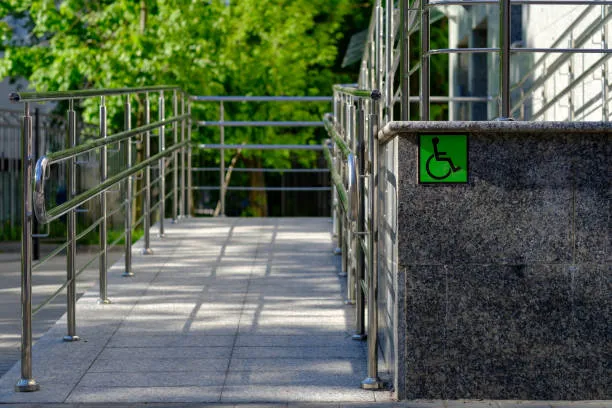
How These Barriers Help Protect the Environment
The use of sustainable materials in eco-friendly barriers helps reduce the environmental impact of construction projects. In addition, many of these barriers are reusable and recyclable, further contributing to environmental protection.
Sustainable Materials
Sustainable materials play a crucial role in the development and implementation of eco barriers. Companies are increasingly turning to sustainable construction materials to minimise their environmental impact and promote long-term resilience.
The use of reusable and recyclable options not only reduces waste but also contributes to promoting environmentally friendly safety measures that align with consumer preferences for eco-friendly products.
Implementing sustainable barriers involves considering cost and profit, as well as addressing internal attitudes towards eco-innovation within companies. Overcoming barriers related to the use of eco-friendly materials is essential for promoting sustainable development and environmental conservation.
Reduced Environmental Impact
After considering sustainable materials, it’s essential to understand the tangible benefits of incorporating eco-friendly barriers for reducing environmental impact. These barriers not only offer safety and protection but also contribute significantly to minimising harm to the environment.
By utilising sustainable materials and practices, businesses can actively reduce waste generation, conserve natural resources, and lower their carbon footprint. This proactive approach aligns with environmental risk assessment and fosters a safe-by-design mindset, promoting green barriers for enhanced protection while implementing sustainable safety measures in various industries.
Furthermore, integrating eco-conscious safety solutions in operational processes leads to positive environmental outcomes. Implementing these measures demonstrates a commitment to environmentally friendly practices that support urban development and contribute to building biodiverse cities while facilitating a more sustainable future.
Reusable and Recyclable Options
Business owners, the implementation of eco-friendly barriers offers reusable and recyclable options that align with sustainable practices. Consider the Eco-Friendly DB80 K150 Road Barrier – it combines strength, durability, and compliance for superior road safety management while also being reusable and recyclable.
This presents a cost-effective solution that reduces environmental impact and contributes to long-term sustainability. By integrating such solutions into your business operations, you not only prioritise safety but also demonstrate your commitment to environmental conservation, effectively overcoming barriers to achieving both safety and sustainability.
Integrating sustainable design in barrier products broadens opportunities for reducing waste through recycling materials and extending product life cycles. Businesses can benefit from incorporating these reusable and recyclable options by aligning their goals with environmentally friendly practices while maintaining operational efficiency.
Considerations for Site Selection
When choosing eco-friendly barriers, it’s important to consider user preferences and activities, urban green spaces, and biodiverse cities.
Learn more about how these barriers can enhance safety and sustainability for your business!
User Preferences and Activities
Business owners must consider user preferences and activities when selecting eco-friendly barriers. Understanding how the space will be used and identifying the needs of the users is crucial for effective barrier selection.
Additionally, considering user preferences can help businesses ensure that their chosen barriers align with the surrounding environment and meet the specific requirements of the site.
By taking into account these factors, business owners can implement eco-friendly barriers that not only provide safety but also cater to the needs and activities of those within their surroundings.
Moreover, being mindful of user preferences and activities allows businesses to create a more inclusive environment by prioritising safety without compromising on sustainable initiatives.
Taking into consideration various user groups’ unique needs aids in designing an effective plan for implementing green barriers while ensuring that everyone within or near the area is accounted for.
Urban Green Spaces
Urban green spaces play a crucial role in promoting sustainable development and environmental conservation within city settings. These areas provide numerous social and ecological functions, contributing to improved air quality, reduced urban heat island effect, and enhanced biodiversity.
By integrating eco-friendly barriers into urban green spaces, companies can support the creation of more biodiverse cities while ensuring the safety and well-being of communities.
Implementing eco-friendly barriers in urban green spaces offers an opportunity for businesses to demonstrate their commitment to environmental protection while enhancing public spaces for recreational activities and community gatherings.
Biodiverse Cities
Biodiverse cities are essential for promoting sustainable development and environmental conservation. These cities prioritise the preservation of rich ecosystems, which not only support a variety of plant and animal species but also provide numerous benefits to the community.
By incorporating green barriers and urban green spaces, cities can create habitats for wildlife, improve air quality, reduce the urban heat island effect, and enhance overall well-being.
Biodiversity in cities also contributes to ecological resilience and helps mitigate the impacts of climate change.
Implementing green barriers within biodiverse cities is crucial for protecting local flora and fauna while maintaining a safe environment for residents. The eco-friendly barriers offer a balance between safety and sustainability by integrating natural elements into urban landscapes.
Conclusion
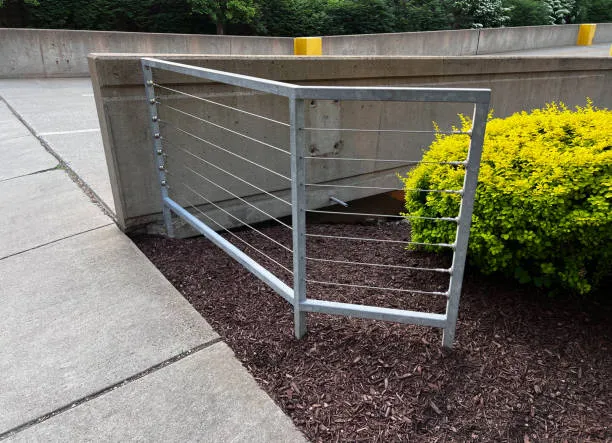
Incorporating eco-friendly barriers is vital for combining safety and sustainability. These measures offer practical and efficient solutions that can lead to significant improvements in environmental quality and sustainable development. Businesses must overcome barriers such as cost considerations and prevailing attitudes to promote the use of sustainable materials. By integrating green barriers, companies can ensure the safety of their operations while contributing to a healthier environment.
Sustainability is the future and combining it with safety creates an absolute win-win situation. Let Verge Safety Barriers be your green safety solutions provider. Get in touch now! Explore further resources on sustainable design and environmental conservation to continue your journey towards implementing eco-friendly safety measures successfully. Let’s work together to create a safer, greener future for our communities and the planet as a whole!