
28 March 2024 · filed in Product Highlight
The Unbreakable Bond Between Bollards and Industrial Safety
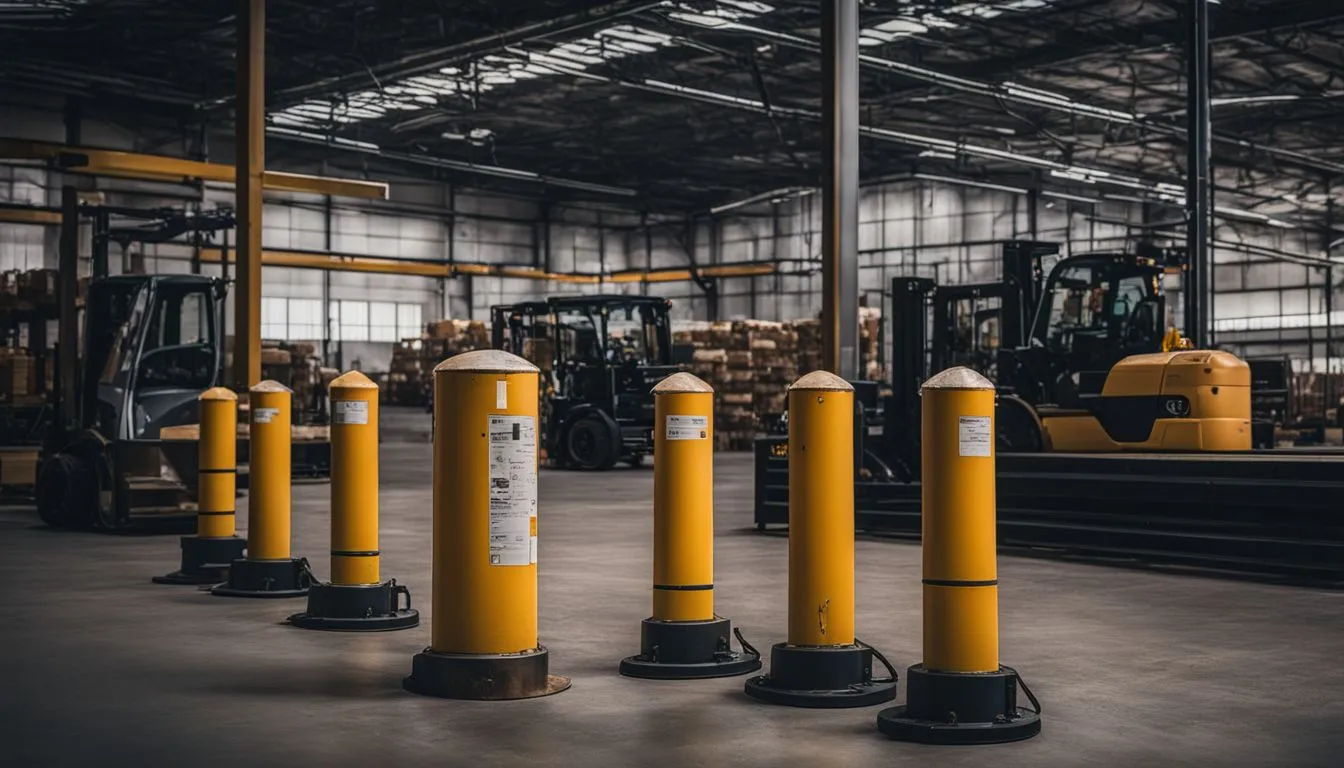
Safety at work is something that keeps many of us up at night. Just like you, we’ve witnessed the risks firsthand and are keen to ensure our spaces stay safe as houses. Through our digging around, we’ve discovered that industrial bollards are real game-changers in this quest for safety.
This yarn will give you the lowdown on how they pitch in and why businesses across the board should sit up and take notice. Stick around to learn a bit more about it!
Understanding Industrial Safety Bollards
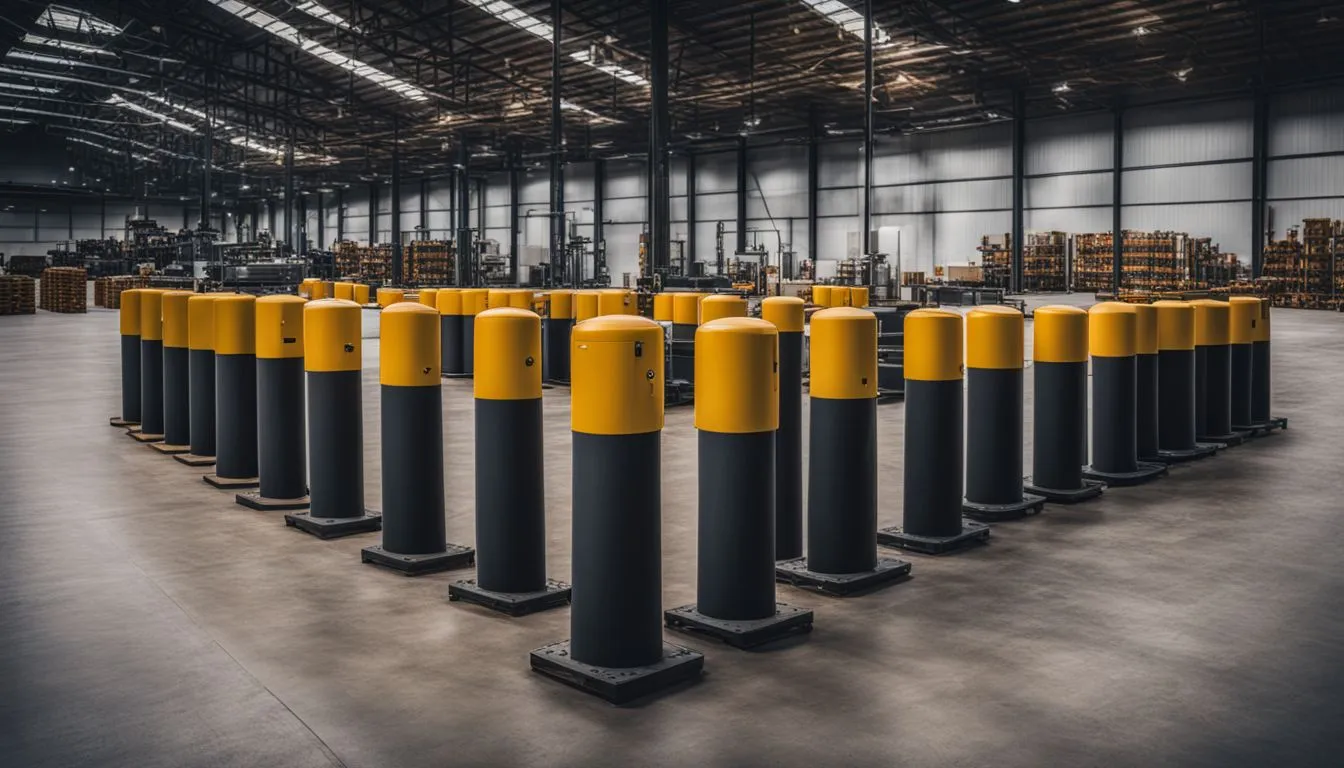
Industrial safety bollards are essential for workplace protection. They consist of concrete, steel, or polymer and serve various purposes in different industrial settings.
Definition and Basic Components
We define industrial safety bollards as sturdy posts that act as safety barriers in various workplace environments. Their basic components include the body, which is the visible post above ground, and the foundation, which anchors the bollard to the ground for stability.
These elements work together to create a protective barrier against vehicle collisions and enhance workplace protection.
These bollards come in different materials like concrete, steel, and polymer, each offering unique strengths in facility safety. By installing these crash-resistant barriers around critical infrastructure or pedestrian areas, we significantly mitigate risks and uphold health and safety regulations.
This simple yet effective approach ensures a safer environment for employees and property alike.
Material Composition: Concrete, Steel, and Polymer
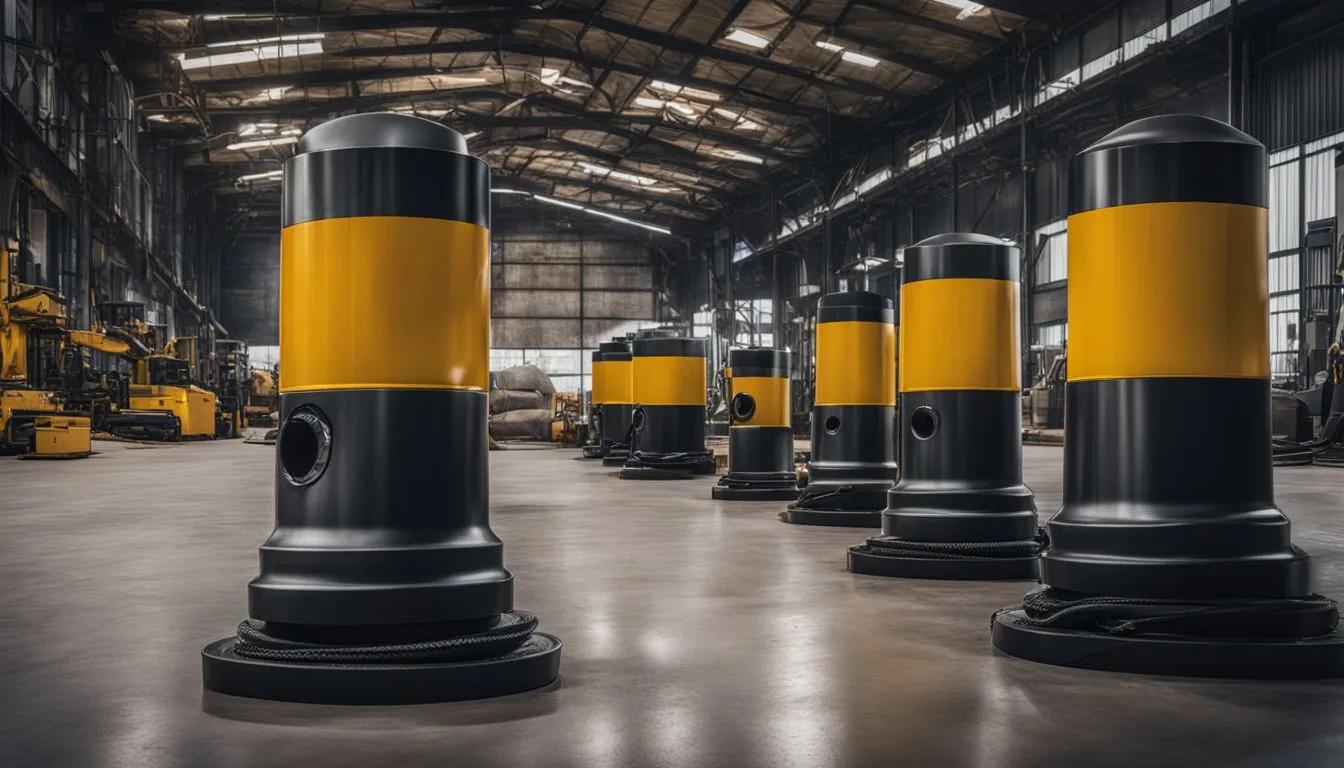
Turning from the basic understanding of industrial safety bollards, it’s critical to delve into their material composition. Bollards made from concrete offer unmatched durability and are often used where high-impact resistance is needed.
They serve as formidable barriers that can stop vehicles in their tracks, making them ideal for perimeter security around facilities.
On the other hand, steel bollards provide flexibility in terms of strength and design. Their toughness makes them suitable for protecting workplace areas prone to vehicle collisions, without compromising on aesthetics.
Polymer bollards, known for their versatility and lightweight properties, are perfect for areas requiring quick installation with effective impact protection. Each material plays a distinct role in enhancing workplace safety and site protection by offering different levels of security according to risk mitigation needs.
Common Uses of Industrial Bollards
We use industrial bollards in many ways to ensure safety and security in workplaces. They act as strong barriers that protect workers, pedestrians, and critical infrastructure from vehicle collisions.
By installing these durable bollards around perimeters or sensitive areas, we significantly reduce risks of accidents and enhance site safety.
These protective structures are also vital for regulating traffic within industrial facilities. They guide vehicles along designated paths, preventing unauthorised access to restricted zones.
This helps maintain orderly movement and ensures the wellbeing of everyone on site. Next, we’ll explore the various types of industrial safety bollards available.
The Protective Role of Industrial Safety Bollards
Industrial safety bollards serve as protective barriers, safeguarding infrastructure and people from vehicle collisions. They come in various types, offering defense against accidents and intentional impacts, with effectiveness influenced by factors like installation depth and material strength.
Types of Industrial Bollards

We understand the critical importance of workplace safety and the role industrial safety bollards play in protecting lives and property. Our goal is to equip business owners with knowledge about the various types of bollards available, so they can make informed decisions on improving site safety.
- Fixed Bollards: Securely anchored to the ground, these bollards offer permanent protection for facilities against vehicle impacts. They serve as a strong barrier around sensitive areas like fuel pumps or pedestrian zones.
- Removable Bollards: Designed for areas requiring temporary access control, these can be detached and stored away. They’re ideal for emergency or service vehicles needing entry to restricted places.
- Retractable Bollards: These bollards can be lowered below ground level when not in use, allowing vehicles to pass over them. They’re perfect for sites that need a flexible approach to traffic management and pedestrian safety.
- Flexible Bollards: Made from materials that bend upon impact, these reduce vehicle damage while still controlling its path. They are commonly used in car parks and on cycling paths to guide traffic without causing harm during collisions.
- Lighted Bollards: Equipped with lighting features, these bollards enhance visibility and safety during nighttime or low-light conditions. They’re excellent for illuminating walkways and integrating security measures with aesthetic design.
- Crash Resistant Barriers: Specifically engineered to withstand high-impact collisions, these barriers provide maximum protection against vehicle breaches. Utilised around perimeter secures or high-risk areas, they form a formidable defence against accidents or intentional attacks.
Each type of industrial bollard serves a unique purpose in workplace protection, facility safety, and risk mitigation strategies. By selecting the appropriate bollard type, businesses can significantly boost their site’s security posture while ensuring compliance with health and safety regulations.
What Industrial Bollards Can Defend Against
Turning from discussing the types of industrial bollards, we now explore the challenges they protect against. Bollards play a crucial role in workplace protection and safety barriers, defending against various threats.
- Vehicle Collisions: Bollards create a physical barrier that prevents cars and lorries from entering zones where pedestrians are present or damaging critical infrastructure.
- Unauthorised Access: They serve as a security measure to block vehicles or individuals from accessing restricted areas within industrial sites.
- Equipment Protection: Bollards shield valuable machinery and essential utilities from accidental impacts, reducing repair costs and downtime.
- Work Site Protection: In construction zones, they safeguard workers by creating safe walkways away from moving machinery and vehicles.
- Traffic Control: These barriers help manage vehicle flow, ensuring safe movement around facilities without interrupting operational efficiency.
- Risk Mitigation: Implementing bollards is a proactive approach to mitigating potential accidents, promoting a culture of safety.
- Facility Safety: They contribute to overall facility safety by delineating pedestrian areas, thus preventing accidents between vehicles and walkers.
- Emergency Access: Some bollards are designed to be retractable, allowing emergency services quick entry while keeping unauthorised users out.
Industrial bollards stand as silent guardians in our workplaces, protecting lives, infrastructure, and ensuring that safety regulations are met. Their presence is a testament to the commitment businesses make towards maintaining a secure working environment for everyone involved.

Factors Affecting Bollard Effectiveness
The material used in the construction of bollards plays a significant role in their effectiveness. Concrete, steel, and polymers each have unique properties that determine how well they can stop vehicles or withstand impacts.
Concrete bollards offer high-strength resistance but might lack flexibility, while steel options provide both strength and some degree of bending without breaking. Polymers, on the other hand, tend to be more flexible and lightweight but may not offer the same level of impact resistance as their concrete or steel counterparts.
Installation practices also heavily influence bollard performance. Properly anchored bollards can absorb and disperse collision forces effectively, protecting workplace safety and reducing risks of vehicle collisions into critical infrastructure.
Improper installation might result in bollards that fail to perform as expected during an impact, compromising site safety and facility safety. The choice between removable or fixed bollards should consider both the potential threat levels and the need for access to certain areas within industrial settings.
Industrial Safety Bollards and Safety Standards
Industrial safety bollards adhere to rigorous safety standards and are designed for protecting critical infrastructure, as well as safeguarding lives. Learn more about the crucial link between bollards and industrial safety in the article below.
Safety Standards for Bollards
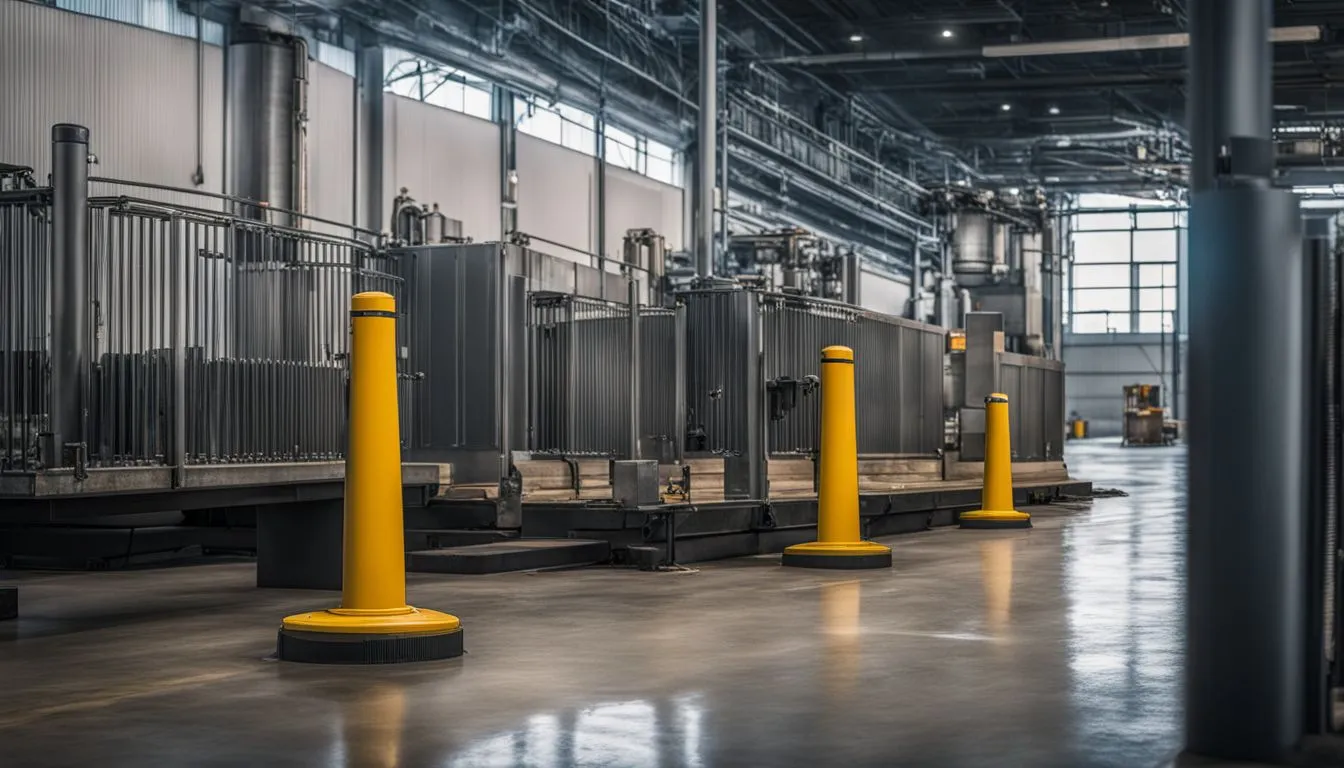
We understand that for business owners, ensuring workplace safety is a top priority. Safety standards for bollards play a critical role in this effort. They set the benchmarks for design, installation, and performance of safety barriers to protect against vehicle collisions and ensure facility safety.
By adhering to these standards, we can significantly mitigate risks at work sites and safeguard lives as well as critical infrastructure.
Governments and industry bodies often outline these criteria in documents such as Traffic Advisory Leaflets and Publicly Available Specifications (PAS). These guidelines help us select the right type of bollards, whether steel, concrete or polymer, to meet specific protective needs.
They also detail how to correctly install these barriers to maximise their effectiveness in industrial settings. Compliance with these standards not only enhances workplace protection but also aligns with health and safety regulations, contributing towards a safer operational environment.
Explanation of Traffic Advisory Leaflet 02/13
Transitioning from safety standards for bollards, we now turn our attention to the vital information outlined in Traffic Advisory Leaflet 02/13. This informative material is designed to provide businesses with clear guidance on ensuring traffic safety within industrial settings.
By following the recommendations set forth in this advisory leaflet, businesses can significantly enhance workplace protection and mitigate the risks associated with vehicle collisions.
Traffic Advisory Leaflet 02/13 outlines specific measures tailored towards industrial safety, providing a comprehensive resource for navigating the complexities of traffic safety in industrial environments.
Publicly Available Specifications
Publicly Available Specifications play a crucial role in ensuring the effectiveness and reliability of industrial safety bollards. These specifications provide clear guidelines for the design, materials, and installation of bollards, helping businesses adhere to safety standards.
By following these specifications, business owners can guarantee that their chosen bollards are fit for purpose and capable of providing the necessary protection against vehicle collisions and other workplace hazards.
Understanding and adhering to these publicly available specifications is essential in maintaining a safe work environment while meeting health and safety regulations. It also helps in mitigating risks associated with workplace security, making it easier for business owners to navigate through complexities related to industrial protection measures.
The Link between Bollards and Industrial Safety
Bollards play a crucial role in protecting lives and critical infrastructure across various industrial settings. They defend against vehicle collisions and safeguard workplaces with tailored barrier protection.
Bollards not only ensure workplace security but also contribute to overall facility safety.
How Bollards Protect Lives and Critical Infrastructure
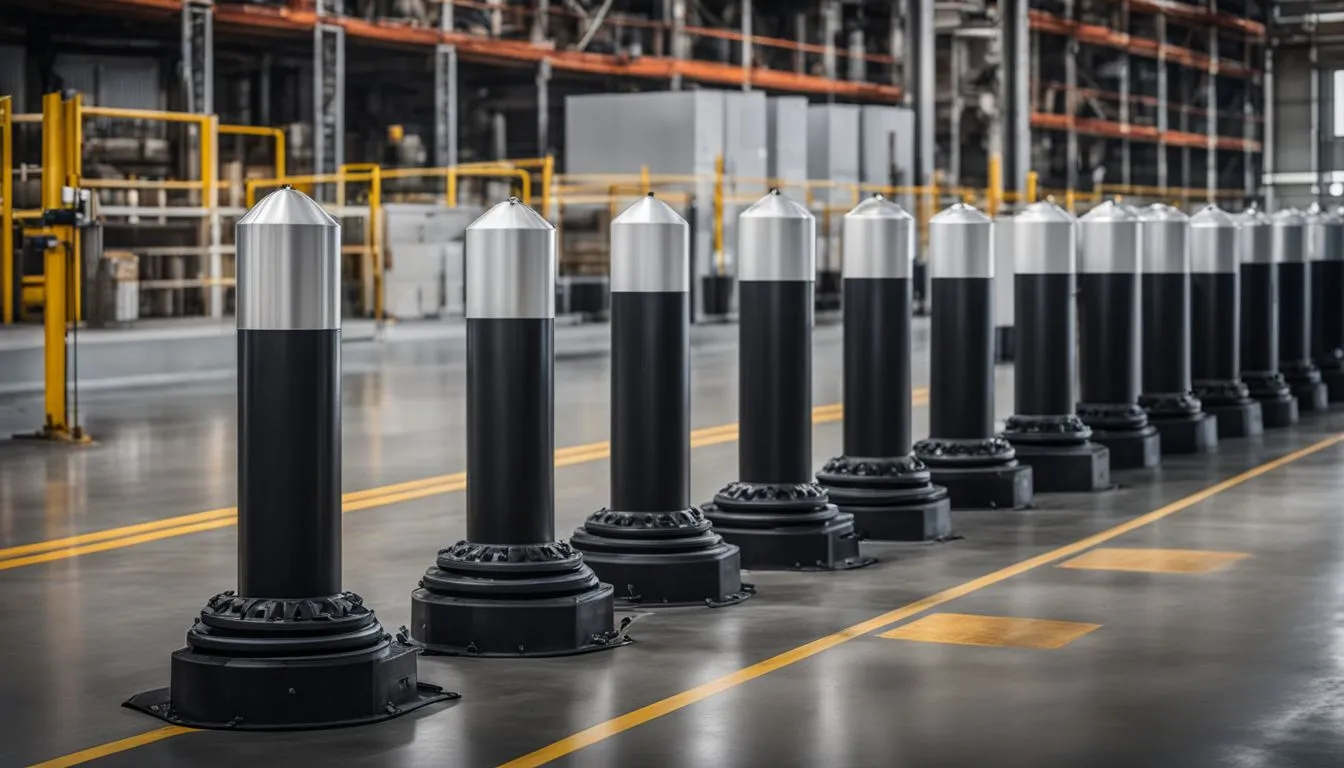
Industrial safety bollards play a crucial role in protecting lives and critical infrastructure. They act as a shield against vehicle collisions, providing a sturdy barrier that mitigates risks and ensures workplace safety.
Whether it’s safeguarding pedestrians from traffic hazards or defending vital equipment from impact damage, industrial bollards stand as powerful guardians in various industrial settings such as warehouses, manufacturing plants, and logistics facilities.
These robust barriers not only protect lives but also contribute to the security of critical infrastructure by preventing unauthorised vehicular access. By strategically placing bollards at vulnerable entry points, businesses can fortify their premises against potential threats while complying with health and safety regulations.
Bollards in Different Industrial Settings
Industrial settings encompass a wide range of environments, each with its unique safety challenges. Bollards play a crucial role in safeguarding these diverse settings, from manufacturing plants and warehouses to logistics hubs and distribution centres.
In the bustling environment of manufacturing plants, bollards effectively shield machinery and equipment from potential vehicle impacts, ensuring seamless operations and worker safety.
Similarly, in warehouse facilities, bollards provide reliable protection for racking systems, high-value inventory, and personnel against accidental collisions or unauthorised vehicular access.
Furthermore, in logistics hubs and distribution centres where heavy-duty vehicles are constantly moving goods in and out, sturdy bollards act as strong barriers to prevent potential accidents that could disrupt operations.
In addition to their protective function within industrial settings, bollards also contribute significantly to maintaining traffic flow by delineating pedestrian walkways and guiding vehicular movement within these dynamic environments.
Making the Case for High-Density Safety Barriers
High-density safety barriers provide robust protection against vehicle collisions, enhancing workplace and site safety. These barriers are designed to mitigate risks by effectively safeguarding critical infrastructure and personnel.
By installing high-density safety barriers, businesses can ensure compliance with health and safety regulations while reducing the impact of potential vehicular accidents on their facilities.
In addition, high-density safety barriers offer tailored solutions for various industrial settings, addressing the ever-evolving challenges in workplace security and traffic safety.
Employing these protective measures underscores a commitment to workplace protection and risk mitigation, aligning with the imperative of ensuring industrial safety across different operational landscapes.
Future Trends in Industrial Safety Bollards
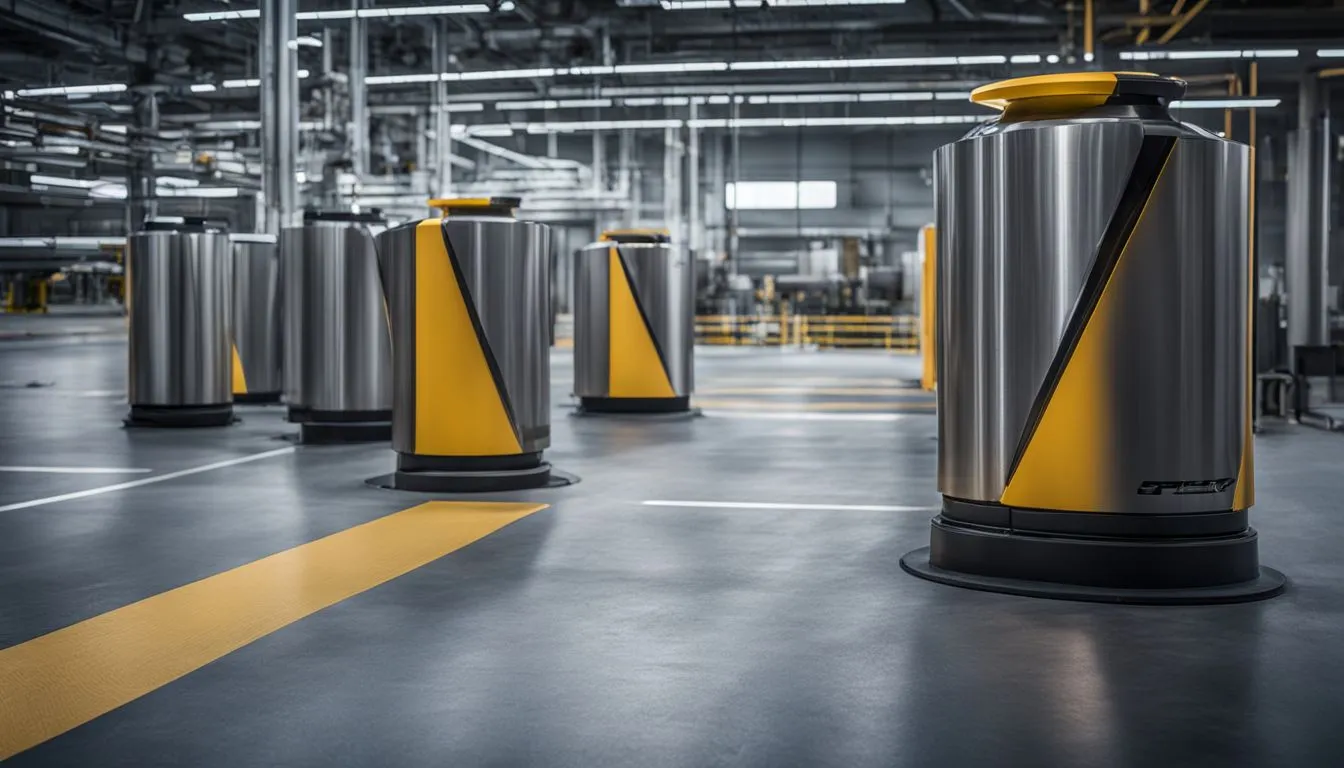
Innovative designs and materials are shaping the future of industrial safety bollards, ensuring enhanced protection for critical infrastructure. Third-party testing and continuous improvement drive the evolution of industrial safety bollards, guaranteeing optimal workplace security.
Innovative Designs and Materials
Innovative bollard designs and materials are constantly improving workplace safety. Engineers are developing stronger, lightweight materials to enhance the protective capabilities of industrial bollards.
These advancements go beyond traditional steel or concrete bollards, providing business owners with a wider range of options tailored to their specific needs.
Cutting-edge designs also play a crucial role in increasing the effectiveness of industrial safety barriers. From energy-absorbing features to sleek, modern aesthetics, these innovative designs not only bolster security but also contribute to creating a safer and more visually appealing work environment.
Third-Party Testing and Continuous Improvement
To ensure the reliability and effectiveness of industrial safety bollards, third-party testing is conducted. This involves subjecting bollards to rigorous tests by independent agencies to validate their performance and durability.
Continuous improvement is essential in enhancing the design and materials used for bollards, keeping pace with evolving safety standards and technological advancements in workplace protection.
Independent agencies rigorously test industrial safety bollards to validate their performance and durability. Continuous improvement plays a crucial role in enhancing bollard design and materials to keep up with evolving safety standards.
Conclusion
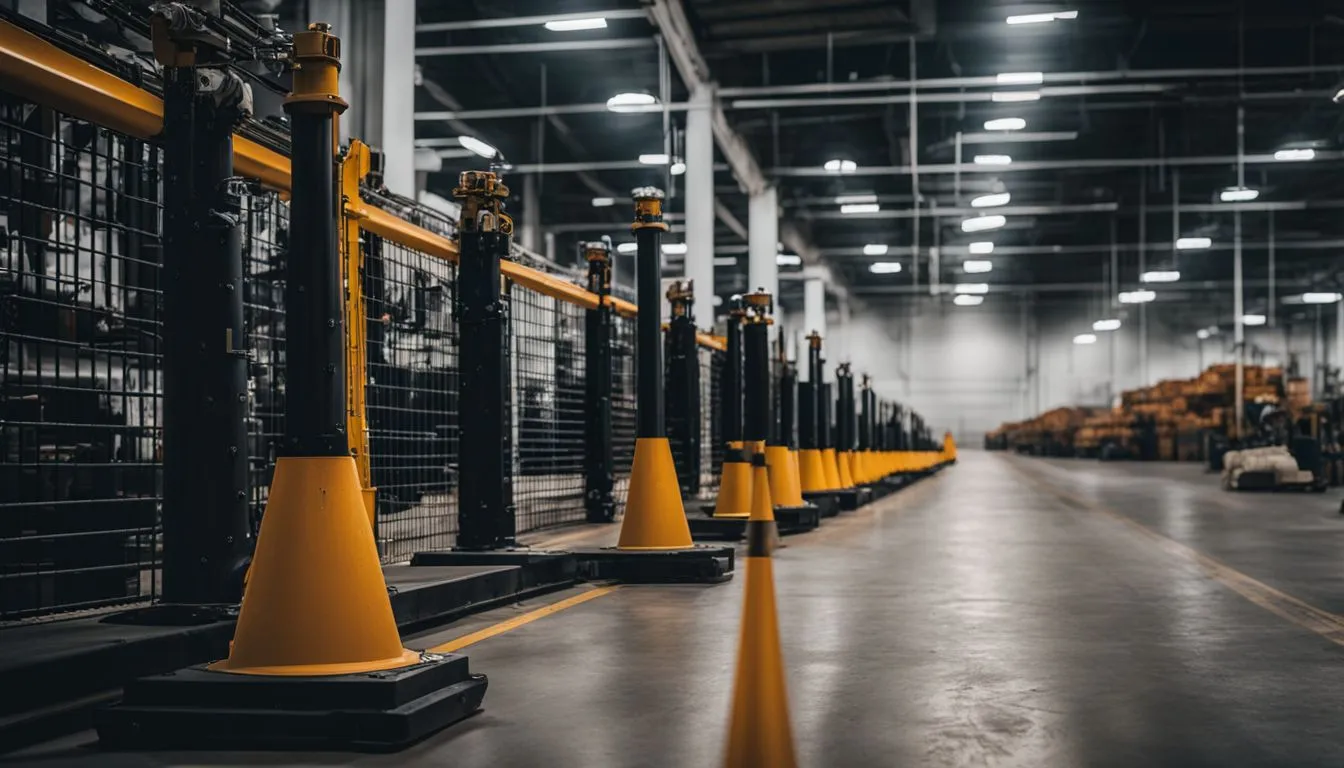
In conclusion, industrial safety bollards play a crucial role in safeguarding workplaces and public areas from vehicle collisions. We have explored the protective role of various types of bollards and their effectiveness in mitigating risks.
The link between bollards and industrial safety was emphasised, highlighting how they protect lives and critical infrastructure across different industrial settings.
These bollards offer practical and efficient solutions for workplace protection, emphasising the simplicity and ease of implementation. How can you ensure that your premises are equipped with robust safety barriers? Emphasise the importance of this crucial aspect to improve workplace security.
We encourage you to consider high-density safety barriers as an essential investment for future-proofing your facility against ever-evolving risks.
Remember, adopting innovative designs and materials is vital in navigating the complexities of industrial security. Let’s delve into embracing these changes to unlock the secrets towards enhanced safety equipment within our suite of workplace protection measures.