
8 January 2024 · filed in Safety Update
Unlock Safety with Secure Barrier Solutions in Hospitals

Navigating hospital safety can often feel like a tricky game of finding your way through an endless maze of corridors, each with their own set of rules. Like you, we’ve wrestled with the delicate dance of keeping doors open to those who need it, whilst locking down on security – it’s a tightrope walk that healthcare facilities across the sunburnt country and beyond face daily. Our yarn delves into top-notch barrier solutions that safeguard patients, staff, and confidential info without putting a spanner in the works for care or legalities. Keen for some peace of mind? Have a squiz at our guide for nailing down solid safety measures.
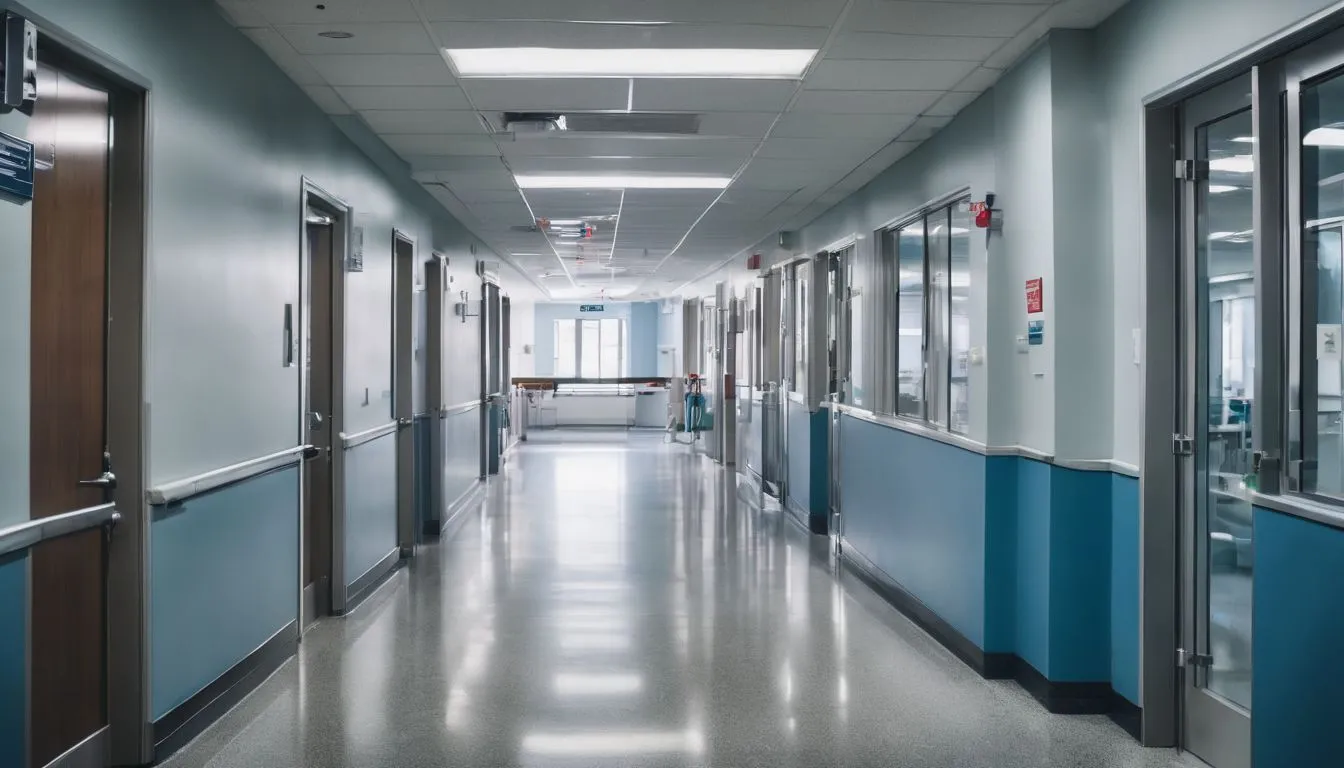
Unique Security Challenges in Hospitals
Hospitals face unique security challenges due to the valuable and regulated items within their facilities, as well as the numerous entry and exit points that are easily accessible to the public.
The need to protect people, assets, and data adds an additional layer of complexity to hospital security protocols.
Valuable and regulated items
In our hospitals, we store a myriad of valuable and regulated items essential to healthcare delivery. These range from high-end medical equipment to controlled pharmaceuticals, each requiring stringent security measures for safeguarding.
Our responsibility extends beyond loss prevention; it’s about ensuring these critical resources are available to save lives and maintain the highest standards of patient care.
We must diligently manage access to areas housing such sensitive items. By implementing state-of-the-art access control systems, we create a safety culture that protects both our assets and those in our care.
Next on the agenda: addressing the complexities presented by numerous entry and exit points throughout our facilities.
Numerous entry and exit points
Hospitals feature numerous entry and exit points, presenting a challenge for ensuring the security and safety of patients, staff, and valuable assets. Our barrier solutions can effectively manage these access points by providing controlled entry and exit options based on specific authorisations.
This allows hospitals to regulate traffic flow within the premises while maintaining a secure environment for all stakeholders involved in healthcare operations. Our secure barriers aim to streamline access control management, ultimately improving patient safety and enhancing overall hospital security.
With our tailored solutions, hospitals can efficiently address the complexities associated with managing numerous entry and exit points. These include leveraging advanced technology such as biometric authentication and smart card readers to provide secure yet convenient access for authorised personnel.
Easily accessible to the public
Hospitals often have multiple entry and exit points, making them easily accessible to the public. This accessibility poses unique security challenges as hospital premises need to be open and welcoming yet secure.
It’s crucial for hospitals to implement reliable barrier solutions that can effectively control access and ensure the safety of patients, staff, assets, and sensitive data.
Implementing secure barriers in hospitals not only provides a safe environment but also helps in safeguarding valuable and regulated items while maintaining controlled access for authorised visitors.
The Three Things Hospitals Must Protect
In hospitals, it is crucial to protect people, assets, and data. These three things are essential for the smooth operation of a healthcare facility and must be safeguarded at all times.
People
Ensuring the safety of people within healthcare facilities is paramount. Patient well-being, staff security, and visitor management are key areas that hospitals must prioritise. Implementing secure barrier solutions can provide peace of mind for patients, staff, and visitors alike.
Restricting access to sensitive areas such as operating theatres and medication storage spaces is crucial to maintaining a safe environment in healthcare facilities. By implementing access control systems tailored to the specific needs of each area and role within the hospital, risks can be minimised while ensuring smooth operations throughout the facility.
Assets
Hospitals must protect valuable assets such as medical equipment, pharmaceuticals, and sensitive patient information. Ensuring the security of these assets is crucial in maintaining the quality of healthcare services and safeguarding the sustainability of hospital resources.
By implementing effective access control systems and physical barriers, hospitals can mitigate the risk of theft, unauthorized access, and tampering with essential assets. Protecting these assets not only contributes to the safety protocols but also supports sustainable healthcare practices for business owners invested in quality improvement.
Investing in secure barrier solutions helps hospitals maintain a safe environment for patients and staff while safeguarding valuable assets from potential threats. Effective protection of hospital facilities is paramount to ensuring a safe and secure environment for everyone involved.
Data
Hospitals must safeguard sensitive data, including patient records and confidential information. Implementing secure barrier solutions helps protect this valuable data from unauthorised access or breach.
With tailored access control systems in place, hospitals can ensure that only authorised personnel have the necessary clearance to access critical data, enhancing overall security measures within the facility.
Comprehensive access control systems provide an additional layer of protection for hospital data by restricting entry to sensitive areas and monitoring staff activities. Vera Eftimovska’s research underscores the significance of such measures in ensuring robust healthcare security.

The Five Levels of Hospital Protection
We will discuss the different levels of protection that hospitals need to implement in order to ensure safety and security for everyone. Come discover how secure barrier solutions can help hospitals protect people, assets, and data.
Property Perimeter
To safeguard hospital property, we install sturdy barriers and fences around the perimeter. Secure gates further control access to the premises, limiting entry to authorised personnel only.
We ensure that the property’s boundaries are clearly marked with signs indicating restricted areas.
Furthermore, implementing surveillance cameras along the property perimeter enables continual monitoring of any suspicious activities. Regular patrols by security personnel help maintain a visible presence and deter unauthorised access.
Building Perimeter
When safeguarding the building perimeter of hospitals, we focus on securing the physical structure itself. This includes implementing barriers to prevent unauthorised access and enhancing visibility for security personnel.
Installing features such as fencing, gates, and access control systems helps in restricting entry points and safeguarding against potential security breaches.
To fortify the building perimeter effectively, hospitals can leverage technology like surveillance cameras and motion sensors to monitor activities around the premises. Regular maintenance of these security measures is crucial to ensure their optimal functionality at all times, providing a robust defence against unauthorised access or threats within the hospital facility.
Authorised and Unauthorised Visitors
Hospitals require strict control over who enters their premises to ensure the safety of patients, staff, and visitors. Authorised visitors such as patients’ family members, healthcare professionals, and authorised vendors are permitted entry after proper identification and registration.
Unauthorised visitors pose a risk to the security of the hospital by potentially disrupting patient care or accessing restricted areas without permission.
Hospital management must implement robust access control measures to distinguish between authorised and unauthorised visitors effectively. This includes issuing visitor badges, conducting background checks when necessary, and ensuring that all individuals adhere to designated visiting hours and areas.
Separating Public and Patient Areas
Implementing clear physical barriers is crucial for maintaining a safe environment in healthcare facilities. Designating distinct areas for the public and patients ensures privacy, security, and infection control.
Installing secure partitions or access control systems can help prevent unauthorised access while allowing smooth movement of staff and authorised personnel.
Utilising clearly defined physical barriers like walls, partitions, or access control zones promotes safety and facilitates efficient flow within the hospital environment. These measures contribute to an overall secure healthcare facility by ensuring that patient needs are met while preserving a controlled access system for visitors and staff.
Restricting Staff Access to Sensitive Areas
Hospitals must prioritise restricting staff access to sensitive areas. Implementing strict access control measures ensures that only authorised personnel can enter critical zones, such as medication storage rooms and patient records areas.
This bolsters security for valuable healthcare resources and protects patient privacy and safety. By limiting staff access to sensitive locations, hospitals can mitigate the risk of theft, medical errors, and unauthorised data breaches.
Comprehensive access control systems provide an effective solution in managing restricted areas within healthcare facilities. These systems offer customisable settings tailored to specific roles, ensuring that only essential staff members have clearance to enter high-security zones.
Importance of Hospital Access Control Systems
Hospital access control systems are crucial for ensuring the safety and security of people, assets, and data within the facility. Learn more about how these systems can provide tailored solutions from Kisi and the benefits of comprehensive access control in our blog.
Vera Eftimovska’s Research
Vera Eftimovska’s research demonstrates the critical role of access control systems in hospital security. Her findings underline the need for robust solutions that can protect both people and sensitive assets.
As business owners, it is crucial to consider tailored security measures to ensure the safety and integrity of your facility. By implementing comprehensive access control systems, like those offered by Kisi, hospitals can effectively manage authorised and unauthorised visitors while safeguarding patient areas from public access.
Eftimovska’s research highlights the significance of investing in advanced security technologies to address the unique challenges faced by hospitals. With a focus on facility security and unlocking safety through secure barrier solutions, business owners must prioritise comprehensive access control as an essential component of their overall security strategy.
Tailored Solutions from Kisi
After understanding the research findings by Vera Eftimovska, it’s clear that hospitals need tailored security solutions to ensure the safety of people, assets, and data. Kisi provides comprehensive access control systems specifically designed for the unique challenges faced by hospitals.
These solutions not only enhance security but also offer flexibility and convenience in managing access across various areas within a hospital environment. Whether it’s restricting access to sensitive patient areas or ensuring only authorised personnel can enter controlled zones, Kisi’s tailored solutions provide peace of mind while streamlining operational efficiency.
By leveraging Kisi’s technology, hospital owners can benefit from centralised management of multiple entry points, real-time monitoring of staff movement, and integration with other security systems.
Benefits of Comprehensive Access Control
Comprehensive access control systems provide enhanced security and protection for hospitals. They offer real-time monitoring and reporting, ensuring a safe and secure environment. Business owners can benefit from these solutions in the following ways:
- Enhanced Security: Comprehensive access control systems provide a higher level of security by restricting access to authorised personnel only.
- Improved Efficiency: These systems streamline operations by automating access management, reducing the need for manual oversight.
- Regulatory Compliance: Access control systems help hospitals adhere to strict regulatory standards, ensuring compliance with industry regulations.
- Customisable Access Levels: With comprehensive access control, business owners can tailor access levels based on specific roles and responsibilities within the hospital.
- Data Protection: These systems safeguard sensitive patient data and hospital information, preventing unauthorised access or breaches.
- Emergency Response Capabilities: Access control solutions enable quick lockdown procedures during emergency situations, enhancing overall safety measures.
Conclusion
Hospitals face unique security challenges due to the need to protect valuable items and regulate numerous entry points. It is essential for hospitals to safeguard people, assets, and data at all times with tailored solutions like access control systems. By implementing practical barriers and controls, hospitals can efficiently ensure safety for patients, staff, and visitors while protecting sensitive areas from unauthorised access. The impact of these strategies cannot be understated in contributing to a secure healthcare environment. For further guidance on hospital security measures or access control systems, consider seeking expert advice from reputable providers in the industry.