
2 December 2023 · filed in Safety Update
Unlocking the Science of Loading Dock Safety

Welcome to our guide on the crucial world of loading dock safety. A loading dock serves as the heartbeat of warehouse operations, where goods move in and out constantly. This pivotal area is a hub that connects road transportation with warehouse activities, involving multiple types of docks like flush, enclosed, open, depressed, and sawtooth. The relevance cannot be overstated, as high-traffic zones they bear inherent risks due to constant equipment and vehicle movement. It’s worth noting that around 25% of all accidents in warehouses take place right here at these bustling junctions.
Navigating these dangers requires well-trained employees who deeply understand the functions and perils associated with their work environment. Slips, trips, falls, all too common at loading docks, can lead to grave consequences if not proactively mitigated through proper education on safety protocols. Moreover, enforcing safety isn’t just about avoiding injuries; it involves integrating knowledge into every task performed, from data entry to operating heavy machinery, to solidify a culture of safety-first thinking.
Another critical layer consists of physical barriers and smart systems designed to prevent events like accidental drive-aways which threaten forklift operators’ lives daily. In this introduction we’ve set the stage for why knowing your way around dock safety is non-negotiable. Now let’s gear up to explore practical measures safeguarding everyone’s wellbeing in such dynamic environments, it’s time we prioritise knowledge for power!
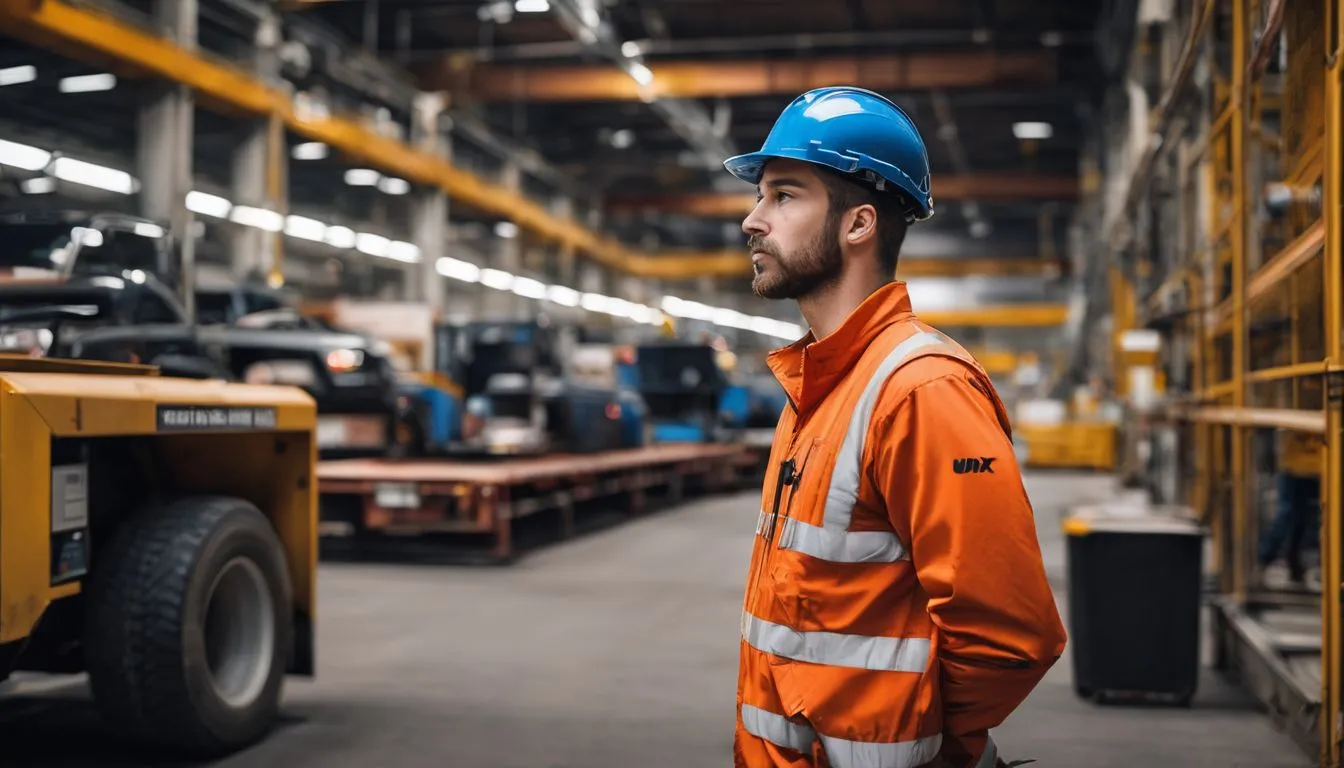
Understanding Warehouse Loading Docks
Warehouse loading docks are integral to the logistics of any business, allowing for the efficient movement of goods in and out of a facility. There are various types of loading docks, each with its own unique features and functions that cater to different operational needs.
Understanding these differences is crucial to ensuring safety and productivity in your warehouse operations.
Definition and function
Loading docks are the crucial hubs of our warehouses, where goods flow in and out. They serve as a bridge between warehousing spaces and transport vehicles, allowing for efficient movement of products.
Proper management of these areas is pivotal in maintaining an uninterrupted supply chain. When we design our loading docks well and train staff adequately, we boost productivity and keep accidents at bay.
We equip these zones with various types of material handling equipment to ensure smooth operations. Forklifts, pallet jacks, dock plates, and levellers all play their part in transferring cargo from trucks to storage areas or vice versa.
Constant vigilance is key here; each team member must be skilled in identifying potential hazards to prevent workplace accidents which can happen quickly in such a bustling environment.
Knowledge about loading dock safety equips us — the business owners — with the ability to safeguard our employees against risks effectively while ensuring that operations run smoothly without disruption.
Different types (flush, enclosed, open, depressed, sawtooth)
After understanding the definition and function of warehouse loading docks, it’s vital to recognise the various types present. Each type serves a specific purpose and comes with its own set of safety considerations. Below, we detail the different types of loading docks:
- Flush Docks: These are level with the floor, allowing for seamless movement of materials between the dock and the vehicle, reducing tripping hazards and improving forklift access.
- Enclosed Docks: Featuring a building extension that covers the loading area, these docks provide protection from external elements like rain and snow, enhancing overall safety.
- Open Docks: Characterised by an open bay area without a shelter or enclosure, these docks require additional caution during adverse weather conditions to prevent slips and falls.
- Depressed Docks: Built below ground level to accommodate trailers at ground level, they necessitate careful navigation for workers to prevent falls when accessing them.
- Sawtooth Docks: Featuring bays arranged in a sawtooth pattern to minimise space requirements while maximising manoeuvrability, their unique design calls for enhanced vigilance during operations to avoid collisions or entrapment.
Safety Measures for Loading and Unloading
When it comes to ensuring safety during loading and unloading processes, there are specific procedures and best practices that need to be followed. It’s also essential to optimise the design of the loading dock itself for maximum safety.
Best practices for safety and procedures
Ensuring loading dock safety is crucial for the smooth operation of your warehouse. Here are some best practices and procedures to consider:
- Regularly inspect and maintain all loading dock equipment, such as levelers, bumpers, and lights, to ensure they are in proper working condition and minimise potential hazards.
- Implement clear traffic management strategies to prevent collisions between forklifts, vehicles, and pedestrians in the busy loading dock area.
- Provide comprehensive training for all employees involved in loading dock operations on how to safely operate equipment and handle materials to prevent accidents.
- Utilise proper signage and floor markings to clearly indicate pedestrian walkways, vehicle paths, and restricted areas to minimise the risk of accidents.
- Enforce strict adherence to safety protocols, including wearing personal protective equipment (PPE) and following established procedures for material handling and equipment operation.
- Incorporate regular safety meetings or toolbox talks to reinforce the importance of safe practices at the loading dock and keep employees informed about potential hazards.
- Establish effective communication channels between employees, supervisors, and management to promptly address any safety concerns or issues that arise in the loading dock area.
- Develop an emergency response plan specifically tailored for potential incidents at the loading dock, including spill response procedures, evacuation routes, and first-aid protocols.
Optimizing loading dock design
To further enhance loading dock safety, optimising the design of the loading dock area is crucial. Implementing features such as levelers, bumpers, and wheel chocks can prevent accidents caused by uneven surfaces and vehicle movement.
Installing effective lighting systems ensures visibility for both drivers and pedestrians, reducing the risk of collisions and falls. Additionally, clear signage and floor markings help guide traffic flow and highlight potential hazards to prevent accidents.
By incorporating these design elements, we can create a safer environment for all employees working in or around the loading dock area.
Maximising space efficiency within a loading dock layout is essential for productivity while maintaining safety standards. Utilising efficient storage solutions like mezzanine platforms or vertical shelving reduces clutter on the floor, minimising tripping hazards for workers walking through the area.
Furthermore, creating designated zones for different activities such as unloading/loading areas or pedestrian walkways helps streamline operations and reduce congestion at the docks.

Potential Hazards at Loading Docks
Accidents involving vehicles, trailers, and lifting equipment pose a significant risk at loading docks. Falls, debris, and liquids can also contribute to hazardous situations. Regular inspections are essential for identifying and addressing potential hazards.
Accidents involving vehicles, trailers, and lifting equipment
Accidents involving vehicles, trailers, and lifting equipment can result in serious injuries and damage. Regular training on safe operation and handling of these elements is crucial for preventing accidents.
Employees must be knowledgeable about the specific risks associated with loading docks to effectively navigate potential hazards and ensure a safe working environment. Implementing safety measures such as clear signage, designated traffic lanes, and regular equipment inspections are essential for accident prevention.
Ensuring that all individuals operating vehicles or lifting equipment are well-trained in safety procedures reduces the risk of dangerous incidents at the loading dock. This investment in thorough training not only protects employees but also safeguards company assets from damage caused by avoidable accidents.
Risks of falls, debris, and liquids
Implementing safety measures to prevent accidents involving vehicles is crucial, and it’s equally important to address the risks of falls, debris, and liquids at loading docks. Falls can occur due to uneven surfaces or slippery floors, making it essential to keep walkways clear and use non-slip materials.
Regular cleaning and maintenance are necessary to minimise the risk of slips caused by liquid spills or debris accumulation on the floor. It’s vital for employees to be informed about these hazards and trained in proper handling procedures.
To effectively manage these risks, installing visible warning signs and adequate lighting will help alert personnel of potential dangers in real-time, thereby avoiding accidents related to falls, debris, or liquids.
Importance of regular inspections
Regular inspections play a crucial role in maintaining loading dock safety. These assessments help identify potential hazards, equipment malfunctions, and structural issues that could compromise the safety of employees and operations.
By conducting frequent inspections, business owners can proactively address any safety concerns and prevent accidents before they occur. Additionally, regular inspections ensure compliance with safety regulations and provide an opportunity to reinforce proper safety protocols among employees, fostering a culture of vigilance and accountability within the workplace.
Inspecting loading docks is essential for preventing injuries and maintaining a secure working environment. It allows business owners to stay ahead of potential risks while demonstrating their commitment to employee welfare.
Implementing Loading Dock Safety
Implementing loading dock safety involves providing comprehensive training for employees, utilising safety equipment and barriers, and showcasing case studies of successful safety implementations.
It is crucial to prioritise the ongoing awareness and training of employees in order to create a safe working environment.
Training for employees
- Conduct regular safety training sessions covering loading dock procedures and best practices for using equipment and machinery.
- Provide hands – on training for all employees involved in loading dock operations, emphasising the correct use of personal protective equipment (PPE).
- Create clear guidelines and manuals that outline safety protocols and emergency response plans specific to loading docks.
- Implement hazard communication programmes to educate employees about the risks associated with loading dock operations and the proper handling of hazardous materials.
- Integrate occupational health and safety training programmes into onboarding processes for new employees, ensuring they understand the importance of adhering to safety regulations.
- Offer specialised forklift safety regulations training courses to equip operators with the necessary skills to navigate busy loading dock environments safely.
Use of safety equipment and barriers
- Install durable safety barriers to separate pedestrian walkways from vehicle traffic, reducing the risk of collisions.
- Use high – visibility signs and floor markings to clearly indicate designated areas for pedestrian movement and vehicle operations, enhancing overall safety awareness in the loading dock area.
- Equip loading dock edges with sturdy guardrails or barriers to prevent falls and provide added protection for employees working at heights.
- Install impact – resistant bollards to shield critical infrastructure such as doorways, electrical panels, and equipment from accidental damage caused by vehicle impact.
- Implement dock levellers with integrated safety features, such as lip extension barriers and automatic restraints, to secure trailers during loading and unloading operations.
- Provide personal protective equipment (PPE) such as high-visibility vests, steel-toe boots, hard hats, and gloves to employees working in the loading dock environment.
- Utilise wheel chocks or vehicle restraints to immobilise trailers during loading and unloading processes, minimising the risk of unintended movement.
- Employ advanced technology solutions like motion sensors and warning alarms to alert personnel about approaching vehicles or hazardous conditions within the loading dock area.
- Regularly inspect and maintain all safety equipment and barriers to ensure proper functionality and compliance with occupational safety standards.
- Conduct comprehensive training programmes for employees on the correct usage of safety equipment and barriers, emphasising their role in preventing workplace hazards at the loading docks.
Case studies of successful safety implementations
Business Owners, it is crucial to consider the success stories of companies that have implemented effective loading dock safety measures. These case studies demonstrate real-life examples of how prioritising safety can lead to significant improvements in workplace safety and efficiency.
By examining these success stories, we can gain valuable insights into the practical application of safety protocols and their impact on reducing accidents, injuries, and downtime.
In one case study, a company focused on comprehensive training for employees working at loading docks. Through regular training programmes covering equipment operation, hazard communication, and pedestrian safety guidelines, they saw a noticeable decrease in accidents and near-misses.
Another successful implementation involved the use of advanced technology such as automated systems for managing traffic flow and real-time monitoring tools for identifying potential hazards.
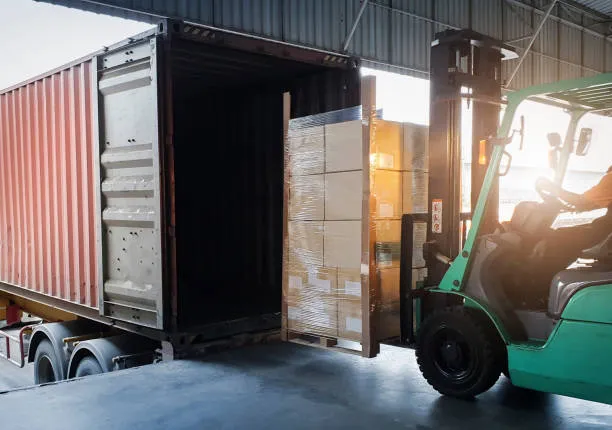
The Value of Knowledge and Safety
Understanding loading dock safety is crucial for preventing accidents and ensuring a safe work environment. To learn more about optimising loading dock design, best practices for safety, and successful case studies, read our full blog on loading dock safety today!
Importance of ongoing training and awareness
Ongoing training and awareness play a crucial role in enhancing loading dock safety. Regular training sessions equip employees with the necessary skills to identify potential hazards and execute their tasks safely.
With ongoing awareness, employees stay updated on the latest safety measures, ensuring a proactive approach towards preventing accidents. Training all associates involved in loading dock operations is vital for maintaining a secure work environment and reducing the risk of injuries.
Regular training ensures that all employees are well-prepared to handle various scenarios and operate equipment effectively. By staying informed about best practices and industry standards, businesses can significantly reduce the likelihood of accidents at loading docks, safeguarding both their workforce’s well-being and operational efficiency.
Contact information for safety resources
In case of any queries or for additional information on loading bay safety resources, feel free to reach out to our designated warehouse safety representative. We can provide comprehensive guidance and support in implementing loading bay safety measures tailored specifically to your business needs. The science behind loading dock safety is certainly a game changer. Capitalise on our expertise at Verge Safety Barriers to create an unwavering safe working environment. Contact us today!
Safety equipment suppliers and occupational safety training providers are also valuable resources we can connect you with to ensure a safe and secure working environment at your warehouse facility. Our team is committed to promoting workplace hazard communication and providing expert advice on material handling equipment safety, spill prevention at loading bays, and hazardous material spill response plans.