
28 April 2024 · filed in Safety Barriers Sydney
Unravelling The Complexities Of The Safety Standard Compliant Barriers
Navigating the maze of finding top-notch safety barriers that tick all the compliance boxes can be a real head-scratcher. Trust us, we’ve felt the frustration trying to wrap our heads around all those regulations and guidelines.
And it turns out, we’re not alone in this, about 65% of businesses reckon they’re caught up in confusion over what’s required for compliance. Our goal? To make things a tad clearer for you.
We’re here to guide you through the ins and outs of choosing safety barriers that don’t just meet standards but are right up your alley when it comes to compliance. Keen for a bit more clarity? Let’s get stuck into decoding these essentials together, looking at some common headaches along the way and how to dodge them.
Ready to tackle this with us? Let’s dive in!
Understanding Safety Barriers
Understanding safety barriers is crucial for creating a safe workplace environment. Safety barriers play a pivotal role in addressing workplace hazards and risk management, ensuring the utmost safety of employees.
Importance of Safety Barriers in Modern Infrastructure
Safety barriers serve as the first line of defence in our modern infrastructure, keeping workers and the public safe from hazards. These stalwart guardians play a pivotal role in managing risks across various settings – be it bustling construction sites or serene office spaces.
They’re not just physical demarcations but lifelines that prevent mishaps and ensure smooth operations daily.
Exploring both physical and non-physical barriers reveals their indispensable contribution to workplace safety measures and occupational health. From directing traffic flow to safeguarding against workplace hazards, these barriers act as silent protectors, often taken for granted yet always vigilant.
Let’s delve into the specifics of these two types next, shall we?
Physical Barriers
Physical barriers stand as the first line of defence in workplace safety, blocking hazards from reaching our people. Think of them like knights guarding a castle, only these knights are made of steel and concrete instead of shining armour.
Guardrails on walkways, fences around machinery, and walls segregating high-risk areas play a crucial role. They’re the unsung heroes that keep risks at bay while we go about our business.
Moving beyond these silent guardians, we also delve into the realm where signs do more than just hang around all day; they actively communicate risks and guide behaviour. This journey leads us naturally to explore non-physical barriers next.
Non-Physical Barriers
Non-physical barriers often catch us by surprise because we’re not looking at them. These are the hurdles that you can’t touch but feel deeply within your workplace culture and processes.
Things like a lack of awareness about safety standards, or even resistance to adopting new protocols, act as invisible walls holding back progress. We might have the best equipment on hand, but if our team isn’t on board or doesn’t grasp the gravity of hazards, it’s like driving with the brakes on.
Communication gaps serve as another significant barrier. They ensure messages about safety procedures get lost in translation between management and staff. Also, outdated safety management systems contribute to this issue by failing to keep up with current regulations and standards.
To leap over these non-physical fences, fostering an open dialogue and keeping everyone informed is key. Let’s move forward now and dive into “The Complexities of Safety Standards.”.
The Complexities of Safety Standards
Navigating safety standards poses a multitude of challenges, with competing and conflicting demands, tight time constraints, and budget limitations often creating obstacles. Different standards further complicate the process, making compliance a demanding task that requires thorough consideration and adaptability.
Competing and Conflicting Demands
In the bustling world of occupational health and safety, we often find ourselves juggling more balls than a circus performer. Safety standards shout for attention like toddlers at bedtime, each with its own set of needs and demands.
One moment we’re focusing on risk assessment; the next, a new safety regulation pops up, leaving us to wonder if our safety barriers are more like hurdles.
Let’s face it; meeting these varied demands feels like trying to build a puzzle where pieces keep changing shapes. We strive for compliance but bump heads against budget constraints and differing opinions on what ‘safe’ really means.
Now, add in the spice of time constraints, and you’ve got yourself a real pickle. Alright then, let’s roll up our sleeves and tackle how time plays tricks on us next.
Time Constraints
Juggling competing and conflicting demands is a fine art. But let’s throw time constraints into the mix. Racing against the clock, we often find ourselves needing to install safety barriers yesterday.
Time waits for no one, especially not in the fast-paced world of business where every second counts.
We’re always on our toes, ensuring workplace safety measures are up to scratch while keeping an eye on the ticking clock. It’s like trying to solve a puzzle at lightning speed. Balancing safety compliance with tight deadlines can feel like walking a tightrope without a net below, thrilling yet terrifying all at once.
We strive to hit that sweet spot between rush jobs and cutting corners because taking shortcuts could mean flirting with disaster. Safety doesn’t just happen; it requires planning, execution, and sometimes, burning the midnight oil to meet those non-negotiable deadlines without compromising on quality or safety standards.
Budget Constraints
Turning from time pressures, we hit another roadblock: budget constraints. We all feel the pinch when it comes to allocating funds for safety standards compliance. Forking out cash for barrier construction, safety equipment, and regulatory compliance often feels like a tug-of-war between safeguarding our workplace and keeping our bank accounts in the black.
We strive to strike a balance, aiming to meet workplace safety measures without breaking the bank. It’s like walking a tightrope over a pool of financial concerns, one misstep and it’s easy to plunge into unnecessary expenses or compromise on workplace hazards risk management.
Our goal? To navigate these monetary challenges while ensuring every pound spent contributes directly towards enhancing occupational health and safety barriers within our businesses.
Different Standards
Just when you think getting your budget in line was a puzzle, up pop the different standards for safety barriers to mix things up even more. It’s like trying to hit a moving target while blindfolded. So, let’s shine some light on this area for all the business owners out there.
- Diving into the sea of safety standards can leave us swimming against currents of confusion. Every country, and sometimes each region within a country, sets its own rules for what makes a barrier safe enough. You might nail the requirements in Australia only to find they don’t match up with those in another part of the world where you also operate.
- The industry-specific standards can also throw us for a loop. What works wonders in construction might not pass muster in manufacturing or hospitality. This means we cannot have a one-size-fits-all approach to our safety measures.
- Updating regulations keep us on our toes. Just because we’ve got everything squared away today doesn’t mean it’ll stay that way tomorrow. Safety standards evolve, often becoming stricter to adapt to new risks and technologies.
- Let’s not forget about voluntary codes and guidelines which, although not legally binding, are strongly advised for best practice adherence. These often go beyond legal requirements and aim at optimum workplace safety measures, pushing us to strive for better than the bare minimum.
- Compatibility with existing systems is another hurdle we face regularly. Introducing new barriers that meet current standards but clash with our established safety management systems can cause more headaches than relief.
Navigating through these varying standards requires constant vigilance and adaptability from us as business owners. It’s akin to assembling a jigsaw puzzle without seeing the picture on the box, challenging but definitely achievable with patience and perseverance.
Understanding these differences is critical, mixing them up is akin to ordering a flat white and receiving a long black instead; both are coffee but deliver very different experiences and outcomes.

Human Factors Affecting Compliance
Human factors significantly impact compliance with safety standards. Psychological barriers, behavioral issues, lack of awareness, and resistance to change all play a critical role in ensuring workplace safety.
Psychological Barriers
Psychological barriers play a significant role in safety compliance within the workplace environment. The fear of being perceived as incompetent or the pressure to meet production targets may lead employees to overlook safety protocols.
Furthermore, individuals might resist change due to a lack of understanding or familiarity with new safety measures. Overcoming these psychological barriers requires open communication and fostering an organisational culture that prioritises safety.
Providing regular training and awareness programmes can help mitigate these concerns, empowering employees to embrace safety standards and contribute positively to the workplace.
Behavioural Issues
Human behaviour plays a crucial role in safety compliance. Employees’ attitudes and actions can impact how safety barriers are utilised and maintained, affecting overall workplace safety.
Lack of awareness or training, resistance to change, and psychological barriers can hinder the effectiveness of safety measures. Therefore, raising awareness, providing comprehensive training, and addressing any resistance to change are essential in promoting a safety-focused culture within an organisation.
To improve health and safety standards in the workplace, it’s vital for business owners to recognise these behavioural issues and take proactive steps to address them effectively. By fostering a culture of openness and continuous improvement, businesses can create an environment where employees feel empowered to prioritise their well-being while enhancing overall operational efficiency.
Lack of Awareness and Training
Many business owners underestimate the impact of lack of awareness and training when it comes to safety compliance. Without proper knowledge and education, employees may not recognise workplace hazards or know how to operate safety equipment effectively.
This can lead to increased risk of accidents and non-compliance with safety regulations. Investing in comprehensive training programmes and promoting awareness campaigns is crucial to ensure that your workforce understands the importance of occupational health and safety barriers.
Regular training sessions focusing on hazard perception, safety protocols, and regulatory compliance can significantly enhance workplace safety measures. By prioritising ongoing education, businesses can empower their employees with the necessary skills to navigate potential risks effectively, leading to improved overall safety compliance on site.
Resistance to Change
Resistance to change is a common challenge in implementing safety barrier compliance within organisations. Employees may resist new safety procedures and equipment due to fear of the unknown, lack of understanding, or even comfort with existing routines.
Overcoming this resistance requires open communication, providing clear reasons for the change, and involving employees in the decision-making process. It’s important to foster an environment where feedback is valued and concerns are addressed constructively, ultimately leading to successful implementation of safety standard compliant barriers.
Moving forward with organisational and management challenges related to workplace health and safety, let’s explore how these factors can impact compliance with safety regulations and standards.
Organisational and Management Challenges
Organisational and management challenges impact safety barrier compliance. It’s about more than just meeting standards, it’s about creating a workplace that truly prioritises health and safety.
Discover the real impact of these challenges by exploring further.
Lack of Management Commitment
Management commitment is crucial for the success of any safety barrier implementation. It sets the tone for the entire organisation, demonstrating that safety is a top priority. Without this commitment, there may be a lack of resources allocated to safety initiatives and a failure to integrate safety practices into everyday operations.
As business owners, leading by example and actively supporting safety measures will foster a culture of safety throughout your organisation.
Ensuring management commitment involves not just verbal support but also allocating adequate resources, creating clear policies and procedures, providing necessary training, and regularly evaluating safety performance.
Insufficient Training and Education
Insufficient training and education can lead to workplace accidents and non-compliance with safety standards. Businesses must invest in comprehensive training programmes to equip employees with the necessary knowledge and skills for effective hazard perception, risk management, and safety procedures.
By prioritising ongoing education, businesses can foster a culture of safety compliance and ensure that all staff members are up to date with the latest safety regulations and protocols.
Implementing tailored educational initiatives not only enhances workplace safety but also contributes to overall regulatory compliance within an organisation.
Investing in employee training is essential for maintaining occupational health and safety barriers, selecting appropriate safety equipment, and adhering to construction materials guidelines.
By providing thorough education on hazard perception, risk assessment methods, as well as voluntary reporting of safety issues, businesses can empower their workforce to contribute actively towards maintaining a safe working environment.
Poor Organisational Culture
Poor organisational culture can hinder safety compliance, impacting the implementation of effective safety barriers. When management commitment is lacking and there’s insufficient training and education, it creates a challenge in fostering a safety-first environment.
Resistance to change within the organisation can also impede the adoption of new safety protocols and technologies. Business owners must actively foster a positive culture that prioritises safety through consistent communication, regular training programmes, and leading by example.
Business owners should address poor organisational culture by instilling a sense of responsibility for safety at all levels of their organisation. This includes promoting open communication channels, providing adequate resources for training and education on safety procedures as well as recognising and rewarding proactive behaviour towards promoting workplace health and safety.
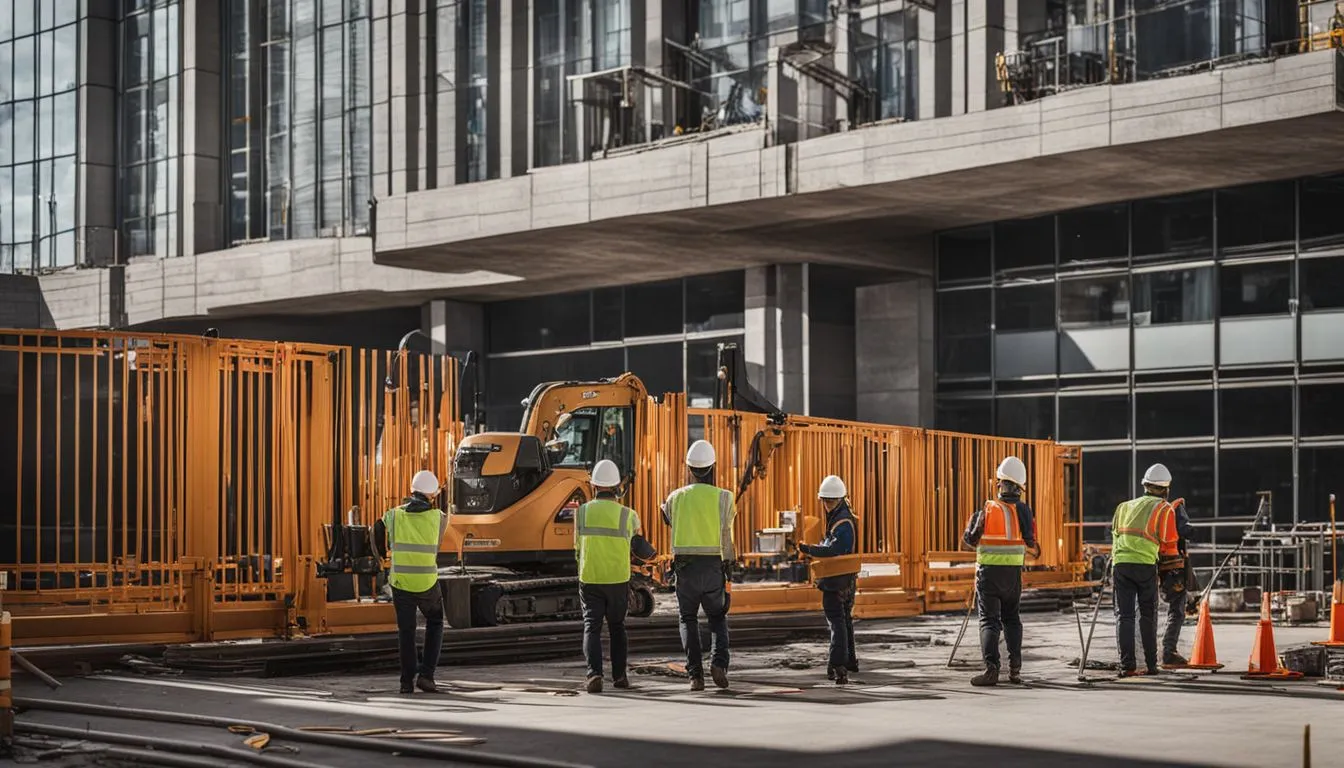
Discover the Ultimate Protection with Advanced Safety Barriers
Upgrade your safety measures with cutting-edge safety barriers to fortify your workplace against potential hazards. These advanced barriers provide unmatched protection, ensuring compliance with the latest safety regulations and standards.
By integrating smart barrier systems and environmentally friendly materials, these next-generation safety solutions not only enhance workplace safety but also promote a more sustainable environment.
Embrace innovation and stay ahead of the curve by incorporating aesthetically pleasing designs that seamlessly blend with your workspace while prioritising employee well-being.
The Future of Safety Barriers: Innovations and Trends
Unlock the secrets of future safety barriers with cutting-edge innovations and trends. From smart barrier systems to environmentally friendly materials, the realm of safety barriers is ever-evolving.
Smart Barrier Systems
Smart barrier systems are a game-changer when it comes to enhancing workplace safety. These innovative systems use advanced technology to detect and respond to potential hazards in real-time, ensuring a proactive approach to risk management.
With features such as automated alerts and data-driven insights, smart barrier systems provide business owners with the tools they need to create a safer work environment for their employees.
Additionally, these systems can integrate seamlessly with existing safety protocols, making it easier for businesses to maintain compliance with occupational health and safety standards while leveraging cutting-edge solutions.
The incorporation of smart barrier systems aligns with the ever-evolving landscape of workplace safety measures. By embracing this technological advancement, business owners can stay ahead of regulatory compliance requirements and demonstrate their commitment towards creating a secure work environment.
Environmentally Friendly Materials
Environmentally friendly materials play a crucial role in ensuring the sustainability of safety barriers. By incorporating sustainable materials, such as recycled steel or bio-based composites, businesses can reduce their environmental impact while still maintaining high safety standards.
These materials not only contribute to a healthier planet but also demonstrate corporate responsibility and commitment to sustainable practices within the realm of occupational health and safety.
Moving forward, our focus will shift towards “Incorporating Aesthetics with Safety”.
Incorporating Aesthetics with Safety
Safety barriers can be functional and visually appealing, adding an element of design to safety measures. When designing infrastructures, consider integrating aesthetically pleasing materials and finishes that align with safety standards.
This not only enhances the overall look but also reinforces a safe environment for employees and visitors. Utilising environmentally friendly materials ensures sustainability while meeting safety requirements.
Incorporating aesthetics with safety demonstrates a commitment to creating a harmonious workplace where visual appeal is combined with the highest safety standards. It’s about finding innovative ways to merge functionality with style, making your workplace safer without compromising on aesthetics or efficiency.
Maintenance and Inspection of Safety Barriers
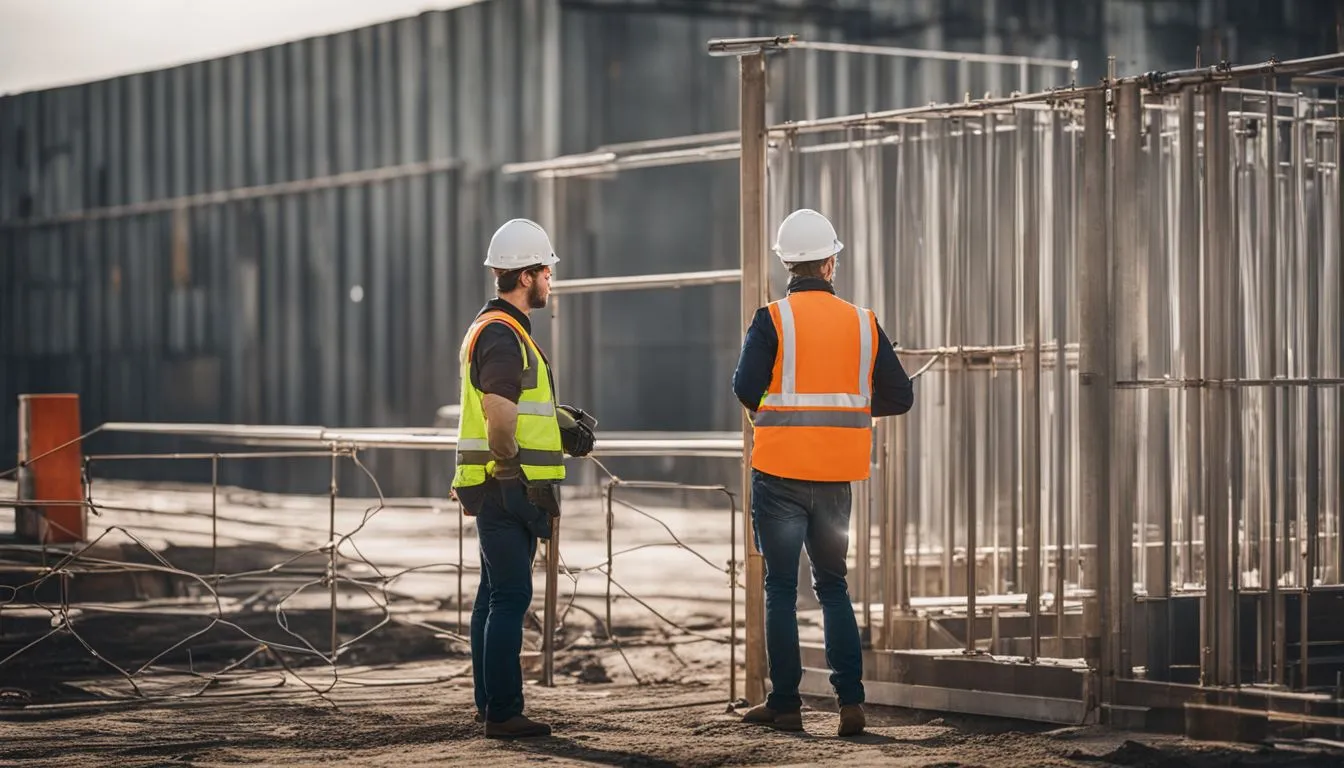
Ensuring the safety and functionality of your barriers is crucial. Regular check-ups and reporting are essential to address wear and tear, ultimately contributing to a safer workplace.
Read on for practical tips on maintenance and inspection of safety barriers.
Regular Check-ups and Reporting
Regular check-ups and reporting are essential for maintaining the effectiveness of safety barriers. Here’s the lowdown on how to keep your safety barriers in tip-top shape:
- Schedule routine inspections to identify any signs of wear, damage, or structural weaknesses.
- Ensure prompt reporting of any issues or concerns identified during inspections.
- Regularly review and update maintenance procedures to align with evolving safety standards and regulations.
- Document all inspection findings and maintenance activities for compliance purposes and future reference.
- Implement a proactive reporting system that encourages employees to promptly report any safety barrier issues they encounter.
- Engage in regular communication with employees about the importance of reporting safety concerns and the impact it has on overall workplace safety.
Regular check-ups and reporting play a crucial role in ensuring the ongoing efficacy of safety barriers, safeguarding your business against potential hazards, and demonstrating a commitment to occupational health and safety compliance.
Addressing Wear and Tear
Addressing wear and tear is crucial to maintaining the effectiveness of safety barriers. It ensures that the barriers continue to provide optimum protection and uphold safety standards in the workplace. Here are some key actions to address wear and tear:
- Regular Inspections: Conduct frequent checks to identify any signs of wear or damage, ensuring that any issues are promptly addressed.
- Prompt Repairs: Address any wear or damage immediately to prevent further deterioration and maintain the barrier’s integrity.
- Replacement of Components: Replace worn-out components such as bolts, nuts, or damaged panels with high-quality materials to ensure the barrier remains robust.
- Risk Assessment: Regularly assess potential risks and hazards that could impact the barriers, allowing for proactive maintenance and repair.
- Protective Coatings: Implement protective coatings or treatments on barriers to enhance durability, preventing premature wear and tear.
By implementing these measures, businesses can proactively manage wear and tear on safety barriers, ensuring continued compliance with safety regulations and maintaining a safe working environment for employees.
Overcoming Barriers to Improve Health and Safety Standards
To improve health and safety standards, it’s essential to address the challenges that impede compliance. We need to tackle time and budget constraints, competing demands, as well as differing regulatory standards head-on.
Equipping your team with adequate training and fostering a culture of safety awareness can help overcome psychological and behavioral barriers. Additionally, demonstrating unwavering commitment from management is crucial.
By actively addressing these factors, we pave the way for enhanced workplace safety measures.
Moving forward, let’s explore practical strategies for implementing Smart Barrier Systems that align with ever-evolving safety protocols.
Conclusion
After delving into the complexities of safety standard compliant barriers, it’s clear that understanding and addressing these issues are pivotal for ensuring workplace safety. We’ve explored various practical strategies for overcoming compliance challenges and highlighted the significance of implementing these measures.
By emphasising their potential impact on improving health and safety standards, we’ve unveiled the secrets to enhancing occupational well-being. Remember, taking proactive steps towards adopting innovative safety barrier systems is crucial in safeguarding against workplace hazards.
So let’s pave the way for a safer working environment by embracing these effective solutions.
Discover how advanced safety barriers can offer unparalleled protection by visiting our dedicated page.