
21 December 2023 · filed in Safety Update
Warehouse Barriers: A Comprehensive Study on Their Defensive Role
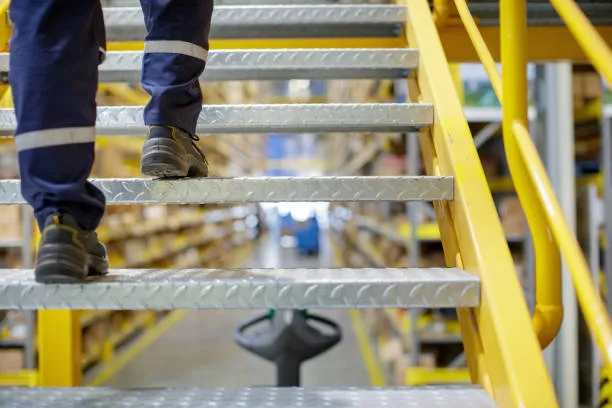
In our workplaces, especially those bustling warehouses, it’s crucial to keep everything and everyone safe. Warehouse barriers step into the spotlight here, they’re not just fences but vital tools that guide traffic, shield important equipment, and separate people from machines like forklifts. They come in many shapes: some stretch out or collapse as needed, while others might boast advanced features like sensors to prevent theft or unauthorised entries.
Understanding these barriers is about more than following rules; it’s about creating a space where workers can do their jobs without fear of accidents with vehicles or dangers from hazardous materials. And let’s not overlook how they protect all the valuable assets stored inside from being taken unlawfully. Safety doesn’t stop at putting up a barrier though. Imagine them as part of a bigger picture including protective gear for staff, proper training sessions, clear paths marked exclusively for walking, all enhanced by thoughtfully designed barricades.
But wait until you see what’s new! Innovations are blooming in this field with smart systems and eco-friendly designs that are easy on the eyes too. Of course, keeping these barriers in tip-top shape through regular check-ups and knowing when it’s time to bring in fresh replacements is part of ensuring non-stop protection. These trusty warehouse guardians have stories you’ll want to hear if keeping your business running smoothly day after day matters to you. Let’s uncover the world behind these silent sentinels together.
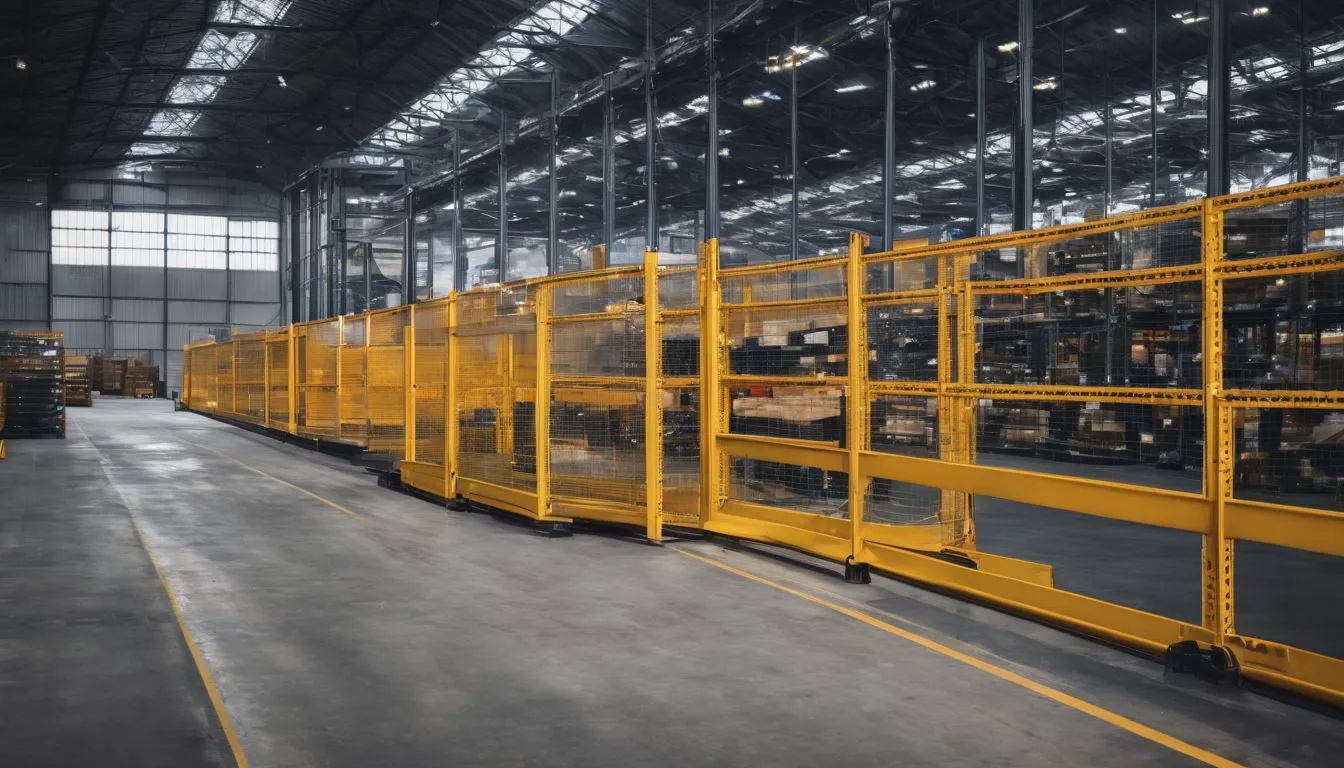
Understanding Warehouse Safety
Warehouse safety is of utmost importance in any business operation. It is essential to adhere to HSE regulations and standards to prevent common hazards and ensure the safety of employees and visitors within the warehouse environment.
Importance of warehouse safety
Ensuring the safety of our warehouse is fundamental to protecting both staff and stock. Think of it as an invisible shield that guards against accidents and minimises operational disruptions.
Our employees are the backbone of our business, which is why their wellbeing is a top priority. Accidents involving forklifts or hazardous chemicals can be catastrophic, not just for those directly involved but also for overall productivity.
We put strong emphasis on warehouse accident prevention by implementing protective barriers and establishing clear traffic routes within the facility. This helps keep vehicles separated from pedestrian areas, reducing the risk of collisions.
It’s all about creating a safe environment where everyone, from forklift drivers to office staff, can carry out their duties without unnecessary danger lurking around every corner.
Investing in robust industrial safety barriers ensures our assets are shielded from potential harm, whether it’s safeguarding storage racks or keeping unauthorised visitors at bay.
HSE regulations and standards
Understanding and adhering to Health, Safety, and Environmental (HSE) regulations and standards is crucial for warehouse safety. Warehouse owners must ensure compliance with occupational safety measures, workplace protection protocols, and hazardous material handling guidelines.
Implementing protective barriers in warehouses should align with industry training and standards for handling, racking, designated routes, walkways, and personal protective equipment.
Prioritising the use of high-quality barriers also contributes to maintaining a safe working environment while safeguarding assets from potential theft or unauthorised access.
Common hazards and controls
- Forklifts pose a significant risk due to their movement within the warehouse. Installing barriers and delineating pedestrian walkways can prevent accidents.
- Docks can be hazardous areas for employees due to the movement of lorries and potential falls. Implementing dock barriers and non-slip surfaces can enhance safety.
- Conveyors present risks of entanglement and crush injuries. Use conveyor guards, emergency stop devices, and regular maintenance to minimise these risks.
- Materials storage is an important consideration; proper stacking techniques, secure racking, and signage can help prevent collapses or falling objects.
- Manual handling activities can lead to musculoskeletal injuries; providing ergonomic lifting equipment, training on safe lifting techniques, and enforcing weight limits are crucial controls.
- Handling hazardous chemicals necessitates strict adherence to safety regulations; use appropriate storage containers, labelling systems, personal protective equipment, and training for handling hazardous materials.
- Noise exposure in warehouses poses a health risk; using ear protection, noise – reducing barriers, and conducting regular monitoring are vital controls.
- Fire hazards need careful management through the installation of fire – resistant materials, clear evacuation routes, firefighting equipment, and employee training in fire safety protocols.
- Vehicle traffic within the warehouse requires clear signage, speed restrictions, traffic control measures such as barriers or bollards, and designated vehicle routes to prevent collisions with pedestrians.
- Lighting deficiencies can lead to accidents; ensuring adequate lighting levels throughout the warehouse including aisles, shelves, entrances/exits is important for preventing trips/slips/falls.
The Role of Warehouse Barriers
Warehouse barriers play a crucial role in ensuring the safety of both employees and equipment within a warehouse setting. They act as physical barriers to prevent accidents, control access to certain areas, and guide the flow of traffic within the facility.
With the right design and placement, warehouse barriers can significantly reduce the risk of workplace incidents.
What are warehouse barriers?
Warehouse barriers are physical structures strategically placed within a warehouse to ensure the safety and security of the environment. They serve as protective measures, preventing accidents, controlling traffic flow, and safeguarding assets such as equipment and stored goods.
These barriers come in various types, including guardrails, bollards, safety nets, and expandable barrier systems. Each type is designed to address specific safety concerns within the warehouse setting.
The design principles for effective warehouse barriers prioritise durability, visibility, and impact resistance. By effectively segregating pedestrians from vehicles and protecting frame structures from potential collisions or damage caused by heavy machinery or equipment movement, these barriers play a vital role in minimising workplace hazards for employees while also protecting valuable company assets.
Types of warehouse barriers
- Guardrails: These physical barriers provide a sturdy and visible means of protection along walkways, machinery, and storage areas. They help to prevent accidental falls and collisions.
- Bollards: These robust vertical posts are placed strategically to protect building structures, equipment, and pedestrians from vehicle impacts. They enhance safety by creating a clear boundary between traffic and pedestrian zones.
- Safety Nets: These nets offer fall protection for workers in elevated work areas such as mezzanines or loading docks. They act as a reliable barrier against potential injuries from falls or dropped objects.
- Pedestrian Barriers: Designed to segregate walkways from vehicular traffic, these barriers ensure the safety of employees by reducing the risk of collisions in high-traffic areas within the warehouse.
- Expandable Barriers: Flexible and portable, these barriers provide temporary zoning solutions that can adjust to changing requirements within the warehouse environment.
- Barrier Gates: These automated gates control entry points for vehicles and service areas within the warehouse, maintaining security while allowing efficient traffic flow.
- Impact Protection Systems: Utilising shock-absorbing materials, these systems safeguard infrastructure from damage caused by heavy equipment or machinery movement within the warehouse space.
- Column Protectors: Placed around structural supports in the warehouse, these protect against accidental impact damage caused by forklifts or other moving equipment.
Design principles for effective barriers
When designing barriers for your warehouse, consider using high-visibility materials to increase awareness and enhance safety. Implementing clear signage can further guide traffic and aid in accident prevention.
Utilising sturdy construction with impact resistance ensures the durability of the barriers, providing long-term protection for both people and physical assets within the warehouse environment.
Incorporating modular designs allows for flexibility in adapting to various layouts and requirements, enhancing the overall efficiency of your safety measures.
Applications of Warehouse Barriers
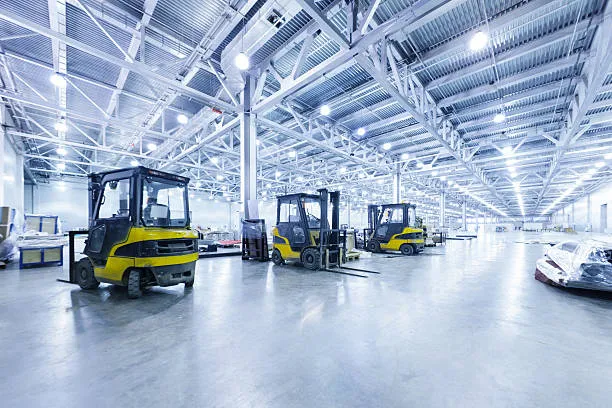
Warehouse barriers are not only essential for safety within warehouses, but they also play a crucial role in other areas such as on roadways, industrial and construction sites, and commercial and public spaces.
To learn more about the diverse applications of warehouse barriers, keep reading!
On roadways and motorways
Safety barriers on roadways and motorways are crucial for preventing accidents and controlling traffic flow. Implementing high-quality barriers in these areas helps to protect both pedestrians and vehicles from potential collisions, ensuring the safety of everyone within the warehouse vicinity.
By utilising effective warehouse barriers along roadways and motorways, businesses can significantly reduce the risk of accidents and enhance overall workplace safety.
Implementing appropriate safety measures is paramount when addressing hazards on roadways and motorways within the warehouse environment. It is essential to ensure that all traffic routes are clearly marked with visible signage and delineated by sturdy barriers to prevent any potential mishaps.
These measures not only contribute to maintaining a safe working environment but also promote efficient workflow in the warehouse facility.
In industrial and construction sites
When considering the application of warehouse barriers in industrial and construction sites, it is crucial to prioritise safety measures for both personnel and assets. Safety barriers play a pivotal role in segregating pedestrian walkways from heavy machinery areas, preventing unauthorised access to hazardous zones, and controlling vehicular traffic flow within the premises.
Implementing high-quality barriers not only safeguards against potential accidents but also ensures compliance with workplace safety regulations and standards. By incorporating protective workwear, designated routes, expandable barrier systems, and regular inspections into safety protocols, businesses can significantly mitigate the risk of workplace hazards.
In such environments where occupational hazards are prevalent due to heavy equipment usage and ongoing construction activities, safety barriers serve as indispensable tools for injury prevention and asset protection.
In commercial and public spaces
Expanding the protective measures to commercial and public spaces, safety barriers are instrumental in ensuring pedestrian safety, preventing vehicle incursions onto walkways, and maintaining order in high-traffic areas.
Implementing durable and highly visible barriers serves as a preventive measure against accidents, especially in environments where heavy machinery or vehicular traffic coexists with pedestrians.
Furthermore, considering the diverse foot traffic and potential for congestion within commercial premises or public facilities, strategically placed barriers effectively guide individuals to designated pathways while also providing an added layer of security against unauthorised access or theft.
Innovations and Trends in Warehouse Barrier Technology
The warehouse industry continues to see advancements in barrier technology, with the development of smart barrier systems and the use of environmentally friendly materials. These innovations are aimed at improving safety while also considering sustainability and aesthetics.
Smart barrier systems
Smart barrier systems are an innovative solution designed to enhance warehouse safety and security. These cutting-edge barriers incorporate advanced technologies such as sensors, automated alerts, and real-time monitoring to provide proactive protection.
By integrating intelligent features, smart barrier systems can detect potential hazards, control traffic flows, and mitigate risks in high-traffic areas within the warehouse environment.
Incorporating smart barrier systems aligns with modern safety best practices in warehousing. These sophisticated solutions not only contribute to accident prevention but also bolster overall efficiency by providing timely warnings and alerts.
Use of environmentally friendly materials
To further advance warehouse safety, we are exploring the use of environmentally friendly materials in barrier construction. Utilising sustainable and eco-friendly materials not only enhances our commitment to environmental stewardship but also aligns with current trends in green technology.
As business owners, it is essential to consider the environmental impact of our operations, including the infrastructure and safety measures within our warehouses. Implementing barriers made from recycled or biodegradable materials can significantly reduce our carbon footprint while maintaining high standards of safety and security.
Considering the trend towards sustainability and eco-conscious practices, incorporating environmentally friendly materials into warehouse barriers is an important step in demonstrating our corporate responsibility.
Combining aesthetics with safety
Warehouse barriers can provide both safety and a visually pleasing environment. Integrating aesthetic design with functional safety features creates a more welcoming and secure warehouse space for employees, visitors, and clients.
By incorporating attractive elements into the barrier systems, businesses not only enhance the overall look of their facility but also demonstrate a commitment to providing a safe and inviting workplace.
Implementing aesthetically pleasing warehouse barriers is essential in creating an environment that balances functionality with visual appeal. The incorporation of these solutions demonstrates an investment in safety while contributing to the overall atmosphere of the warehouse space.
Maintaining and Upgrading Warehouse Barriers
Regular inspections and maintenance of warehouse barriers are crucial to ensure their continued effectiveness in preventing accidents. Addressing wear and tear, as well as implementing necessary upgrades or replacements, is essential for maintaining a safe working environment.
Regular inspections and maintenance
Implementing regular inspections and maintenance for warehouse barriers is crucial in ensuring the ongoing safety and security of your facility. Inspections should be conducted at scheduled intervals to identify any signs of wear, damage or potential issues with barrier functionality.
Routine maintenance tasks such as cleaning, lubricating moving parts, and replacing worn components are essential to keep barriers operating effectively. By adhering to a proactive approach towards inspections and upkeep, businesses can mitigate the risk of accidents, uphold compliance with safety regulations, and extend the lifespan of their warehouse barriers.
Ensuring that warehouse barriers are consistently inspected and well-maintained not only enhances safety measures but also contributes to cost savings over time. A comprehensive inspection plan coupled with timely maintenance efforts can significantly reduce the likelihood of unexpected repairs or replacements while providing peace of mind for business owners endeavoring to maintain a safe working environment.”.
Addressing wear and tear
To maintain the integrity of warehouse barriers, regular inspections and maintenance are imperative. Checking for signs of wear and tear such as rust, dents, or loose components is essential to ensure that the barriers continue to offer effective protection.
Timely repairs or replacements should be undertaken to address any identified issues and prevent compromise in safety measures.
Business owners must schedule routine assessments of warehouse barriers to identify areas requiring attention. Upkeep efforts should include painting, lubricating moving parts, tightening bolts, and replacing damaged sections using high-quality materials.
Upgrades and replacements to ensure continued safety
Regular inspections and maintenance of warehouse barriers are critical to ensuring ongoing safety within the facility. Addressing wear and tear by promptly replacing damaged or deteriorating barriers is integral in upholding their protective function, preventing accidents, and controlling traffic flow.
Implementing upgrades to technological advancements, such as smart barrier systems and the use of environmentally friendly materials, can further enhance the overall safety measures in place.
Ensuring continued safety in the warehouse involves a proactive approach towards maintaining and upgrading existing barriers as necessary. By staying abreast of innovations in barrier technology and promptly addressing any signs of damage or wear, businesses can uphold high standards for safeguarding assets, protecting personnel, and preventing unauthorised access within their warehouse environment.
Conclusion
Understanding the role of warehouse barriers is essential for ensuring a safe and secure working environment. Emphasising practicality and efficiency, these strategies offer tangible benefits in controlling traffic, preventing accidents, and safeguarding assets. Have you considered implementing these measures in your warehouse? Highlight the importance and impact of prioritising safety through high-quality barriers for significant improvements.
Warehouse barriers play a pivotal role in workplace defence strategies. For a comprehensive approach to safety, look no further than Verge Safety Barriers. Contact our team to fortify your defences. Consider exploring additional resources or services to further enhance safety protocols. Let’s take proactive steps to ensure the safety and security of our warehouses!