
17 March 2026 · filed in Safety Barriers Sydney
Warehouse Upgrade Checklist for Installing New Safety Barriers
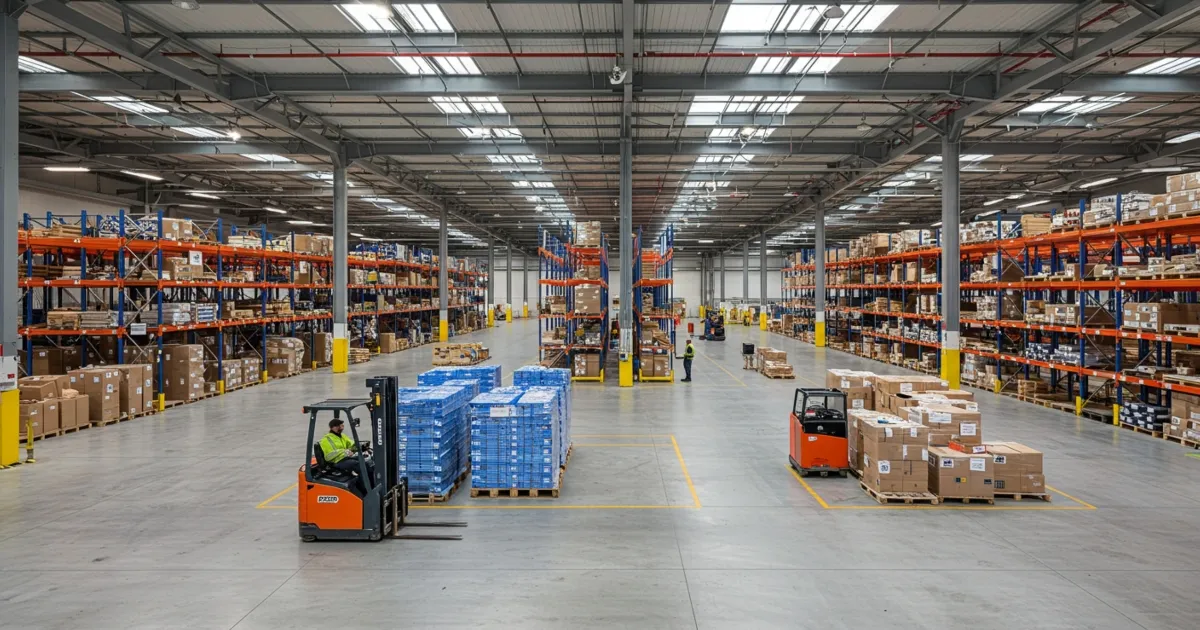
In every busy warehouse, movement never stops. Pallet jacks, forklifts, and staff operate side-by-side every day, which makes safety barriers a vital part of protecting your people and your gear.
Safety barriers act as a physical separator. They don’t just prevent accidents; they help create defined paths and controlled traffic zones. When a warehouse integrates barriers effectively, daily operations become smoother and much more predictable.
Conducting a Warehouse Audit
Before you start bolting steel to the floor, you need to understand where the actual risks are. A quick walkthrough during a quiet hour won’t give you the full picture. You need to observe day-to-day operations at their busiest.
Look for:
- Unsafe traffic patterns: Where do forklifts and pedestrians cross paths?
- Tight turns and blind spots: Are drivers swinging wide into pedestrian zones?
- Vulnerable storage: Which rack ends are most likely to get clipped?
A solid audit gives you the confidence to plan an installation that actually works, rather than just guessing where a bollard might look good.
Warehouse Safety Barrier Installation Checklist
Use this list during your planning phase to make sure nothing gets missed.
Assessment & Planning
- Identify dedicated pedestrian walkways.
- Map out forklift travel routes.
- Note intersections and blind corners.
- Highlight machinery that needs a “no-go” zone.
- Check compliance with Australian warehouse standards.
Choosing Barrier Types
- Pedestrian Barriers: For separating people from moving machinery.
- Bollards: For protecting doorways, docks, and expensive equipment.
- Rack Protectors: To stop forklift tyne damage to your pallet racking.
- Mezzanine Gates: For safe loading on elevated platforms.
Placement Strategy
- Mark the highest collision risks (usually aisle ends).
- Protect structural columns and support posts.
- Define loading and unloading zones clearly.
- Ensure barriers don’t create new bottlenecks or “trap” points.
Integration & Training
- Install clear signage and floor markings.
- Brief staff on the new traffic routes.
- Update your written warehouse safety plan.
- Set up a schedule for monthly barrier inspections.
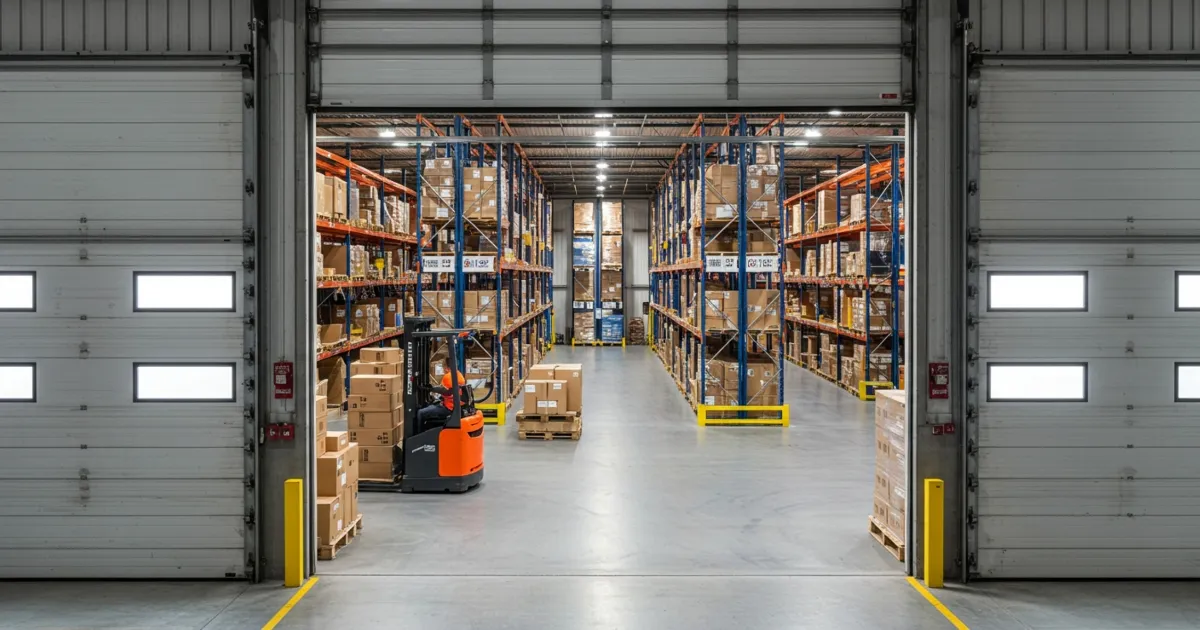
Choosing Barriers Fit for Purpose
Each area of your warehouse needs a different level of protection. For example, a lightweight plastic rail might be fine for a pedestrian path, but it won’t stop a five-tonne forklift.
Pedestrian barriers are great for visual and physical separation, while bollards provide high impact resistance at key points like roller doors. Rack protectors are essential because they ensure your racking stays stable even if it takes a knock. By matching the barrier to the specific risk, you ensure you aren’t overspending in some areas while leaving others exposed.
Strategic Placement vs. Random Rows
Placement is the difference between an efficient warehouse and a frustrating one. Barriers installed without a plan can disrupt your workflow and actually make drivers take riskier shortcuts.
Focus on high-traffic intersections and the ends of storage aisles first. Loading docks and machinery stations should be next on the list. When placement is thoughtful, it directs movement intuitively. Everyone knows exactly where they should and shouldn’t be without having to think about it.
Part of a Complete System
Safety barriers are just one layer of protection. To get the best results, combine them with visible floor markings and directional signs.
Regular inspections are a must. In high-impact zones, check your barriers monthly for loose floor anchors or structural cracks. Training is also key. Make sure your team knows that the barriers are there for their protection, not just as a hurdle to work around.
Conclusion
Upgrading your warehouse with safety barriers is a practical investment. It strengthens your operations and shows your team you take their safety seriously. With a solid audit and the right gear, your warehouse will be more resilient and better organised.
Working with experts like Safety Barriers Sydney ensures the job is done right. They provide high-quality, Australian-tested solutions designed to handle the demands of a busy industrial site.
FAQs
Why are safety barriers important?
They reduce the risk of collisions, protect your staff, and stop small accidents from turning into expensive structural repairs.
How often should barriers be inspected?
We recommend a monthly check. Look for loose bolts or any signs of impact that might have weakened the metal.
Can barriers help with workflow?
Yes. By creating clear “roads” for forklifts and “footpaths” for staff, you remove the guesswork and help everyone move faster and more safely.
Do I need the same barriers everywhere?
No. You’ll likely need a mix of heavy-duty bollards for doorways and lighter pedestrian rails for walkways.