
20 November 2025 · filed in Bollards
Why Bollards Are Essential for Protecting Loading Zones and Walkways
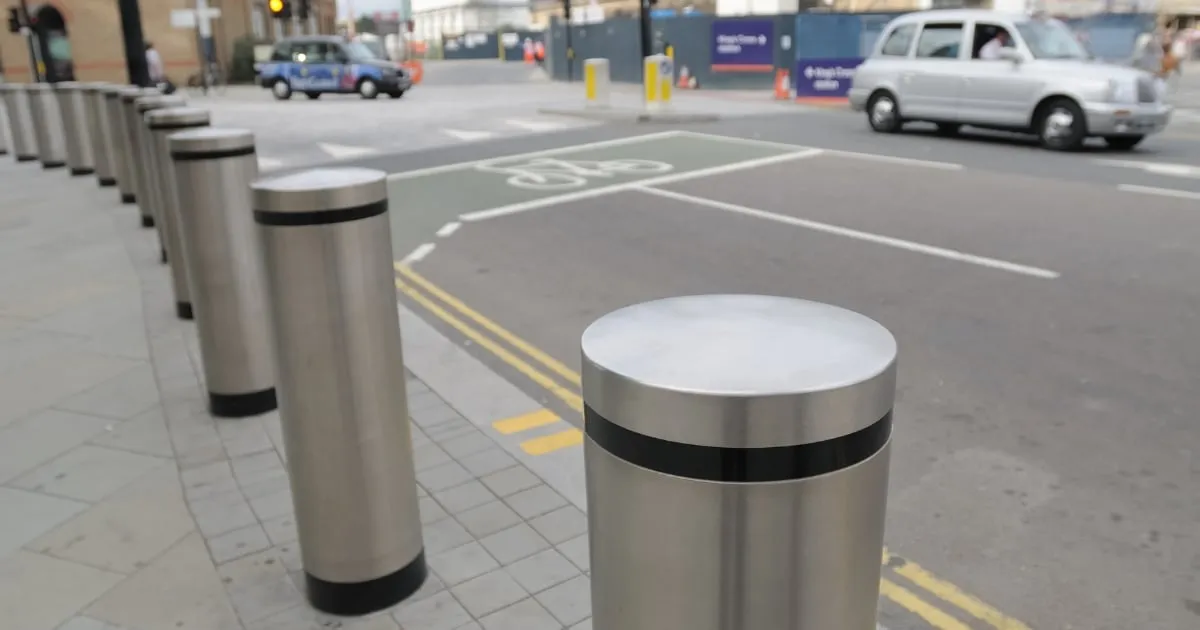
Bollards are essential because they keep people and vehicles safely apart in busy areas like loading zones and walkways. They might look simple, but these strong barriers play a major role in preventing accidents and protecting property.
In places where trucks, forklifts, and pedestrians move through the same space, the risk of collisions is always high. Without clear physical barriers, even a small mistake can cause serious damage or injury.
Installing bollards provides a simple, effective solution. They guide traffic, define safe zones, and create a visible reminder of where people and vehicles should be. When used correctly, they make workplaces safer, more organised, and easier to navigate.
The Role of Bollards in Workplace Safety
Bollards create a clear barrier between vehicles and people, helping prevent collisions in busy areas. They define where trucks, forklifts, and pedestrians can move, which reduces the risk of accidents and confusion.
Built from materials such as steel, concrete, or heavy-duty plastic, bollards can withstand strong impact and protect structures, equipment, and workers. In warehouses and factories, they mark safe zones and guide vehicles through loading areas without blocking visibility.
When placed correctly, bollards keep traffic organised and remind workers of safe pathways, creating a workspace that is easier to navigate and safer for everyone.
Protecting Loading Zones from Accidents
Loading zones are some of the busiest areas in any facility. Trucks, forklifts, and delivery vehicles often move through tight spaces where visibility is limited. Even a small mistake can cause serious damage or injury.
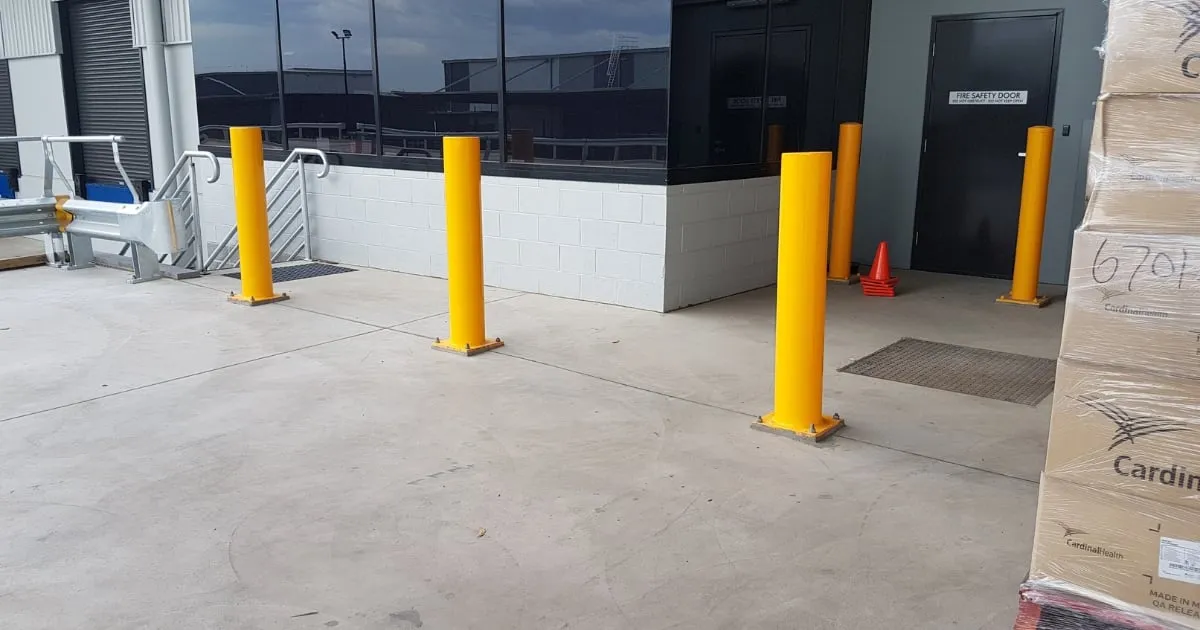
Bollards help prevent these accidents by creating a strong boundary between vehicles, workers, and equipment. Placing them near loading docks, roller doors, and corners stops vehicles from hitting structures or moving into unsafe areas.
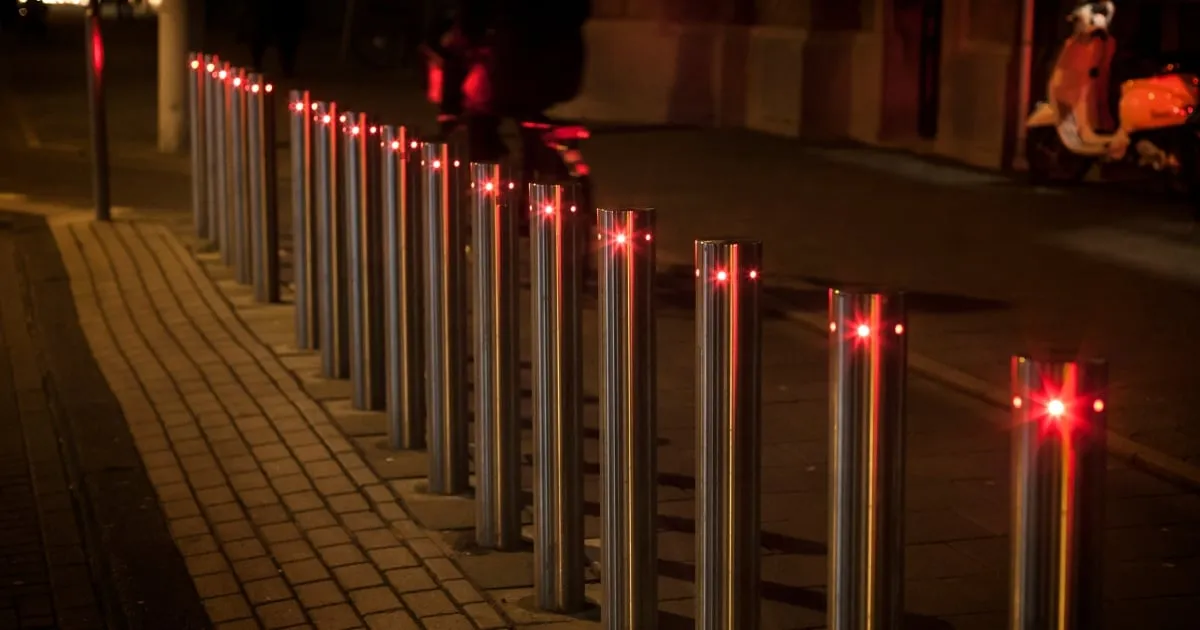
They also make the space more organised. Drivers can see where to reverse, turn, or stop, while pedestrians can move confidently through designated walkways. Brightly coloured or reflective bollards improve visibility at night or during poor weather, adding another layer of safety.
Creating Safer Walkways for Pedestrians
Walkways in workplaces often cross paths with vehicle routes. Without clear barriers, pedestrians are exposed to unnecessary risks. Bollards create a strong visual and physical divide, keeping people safe from moving vehicles.
They also help guide foot traffic by showing where it is safe to walk. In warehouses, shopping centres, and loading areas, bollards stop vehicles from entering pedestrian zones and remind drivers to slow down.
Removable or retractable bollards are useful in spaces that need flexible access, such as mixed-use loading areas. They provide safety when needed and can be adjusted for deliveries or events. Consistent spacing between bollards keeps pathways open while maintaining a clear safety boundary.
Long-Term Benefits Beyond Protection
Preventing a single accident can save a business thousands of dollars in repairs, lost time, and insurance claims. Bollards provide that protection by stopping vehicles before they cause serious damage or injury.
They also support compliance with workplace safety standards. Clear barriers show that a business manages risks responsibly, which helps maintain a safe and efficient environment.
Built from strong, weather-resistant materials, bollards can last for years with minimal upkeep. They keep their appearance and strength even in harsh conditions, making them a reliable safety feature for any industrial or commercial site.
Building a Safer Workplace Culture
Installing bollards in the right locations helps protect people, guide vehicles, and reduce accidents. They encourage safer movement across busy areas such as loading zones, warehouses, and walkways.
Working with experienced safety specialists ensures the correct type and placement for each site. The material, spacing, and visibility of each bollard affect how well the system performs and how efficiently the space operates.
For trusted workplace protection, contact Verge Safety Barriers. The team provides and installs bollards and other safety systems that help businesses create organised and secure environments.
FAQs
Where should bollards be installed?
Place bollards near loading docks, entryways, walkways, and corners where vehicles and pedestrians move close together.
What materials are best for workplace bollards?
Steel and concrete are strong options for high-impact areas. Plastic or flexible bollards work well in spaces that need visual guidance without heavy resistance.
Do bollards require maintenance?
Most bollards need very little upkeep. Regular cleaning and inspection for damage or corrosion keep them in good condition.
Are bollards required for workplace safety compliance?
While not always mandatory, they help meet safety standards by clearly separating vehicle and pedestrian zones.
Can bollards be removed or adjusted?
Yes. Removable and retractable designs allow temporary access for deliveries or events without compromising safety.