
29 March 2024 · filed in Safety Update
Why Safety is Paramount: Making a Case for High-density Safety Barriers
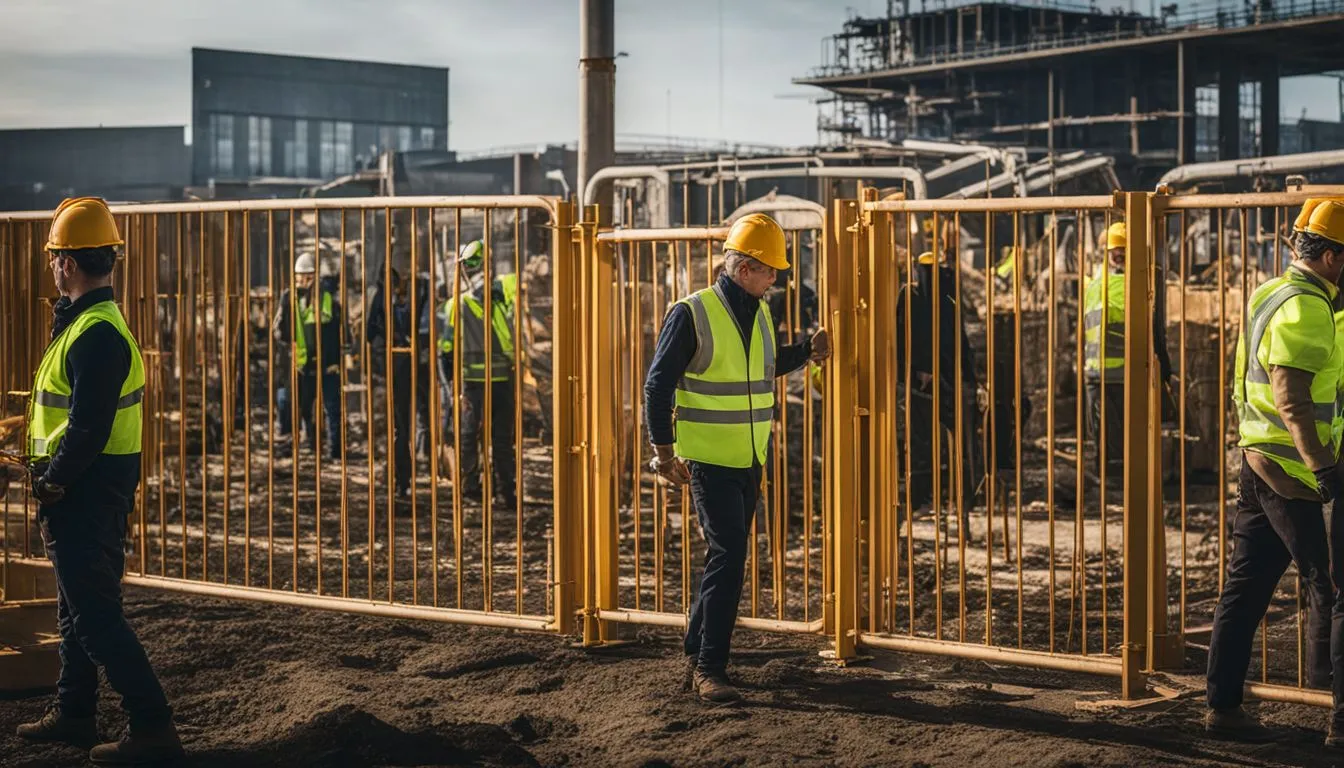
As business owners, we’re all too familiar with the challenge of keeping our workplaces ticking along safely. Down here, we’ve run into a fair few hurdles ourselves but stumbled upon something of a game-changer – high-density safety barriers.
They can genuinely make a solid difference. This yarn will take you through their perks, different types on offer, and how to keep them in tip-top shape so your space stays as safe as houses.
Here’s to keeping things secure together, mate.
Understanding Safety Barriers

Turning from the introduction, we now focus on safety barriers and their critical role in ensuring workplace safety. Safety barriers serve as a protective shield against potential hazards, whether at construction sites, along roadways, or within commercial spaces.
They are essential tools for minimising risks and protecting both people and property from harm.
We use high-density barriers to prevent vehicle collisions, manage crowd control, and safeguard workers from work zone dangers. These barriers come in various forms and materials but share a common goal: to provide a strong line of defence against accidents and ensure compliance with health and safety regulations.
Our commitment to maintaining safe environments drives us to select the best possible solutions that meet industry standards for durability, visibility, and effectiveness in hazard prevention.
The Crucial Role of Safety Barriers in Diverse Environments
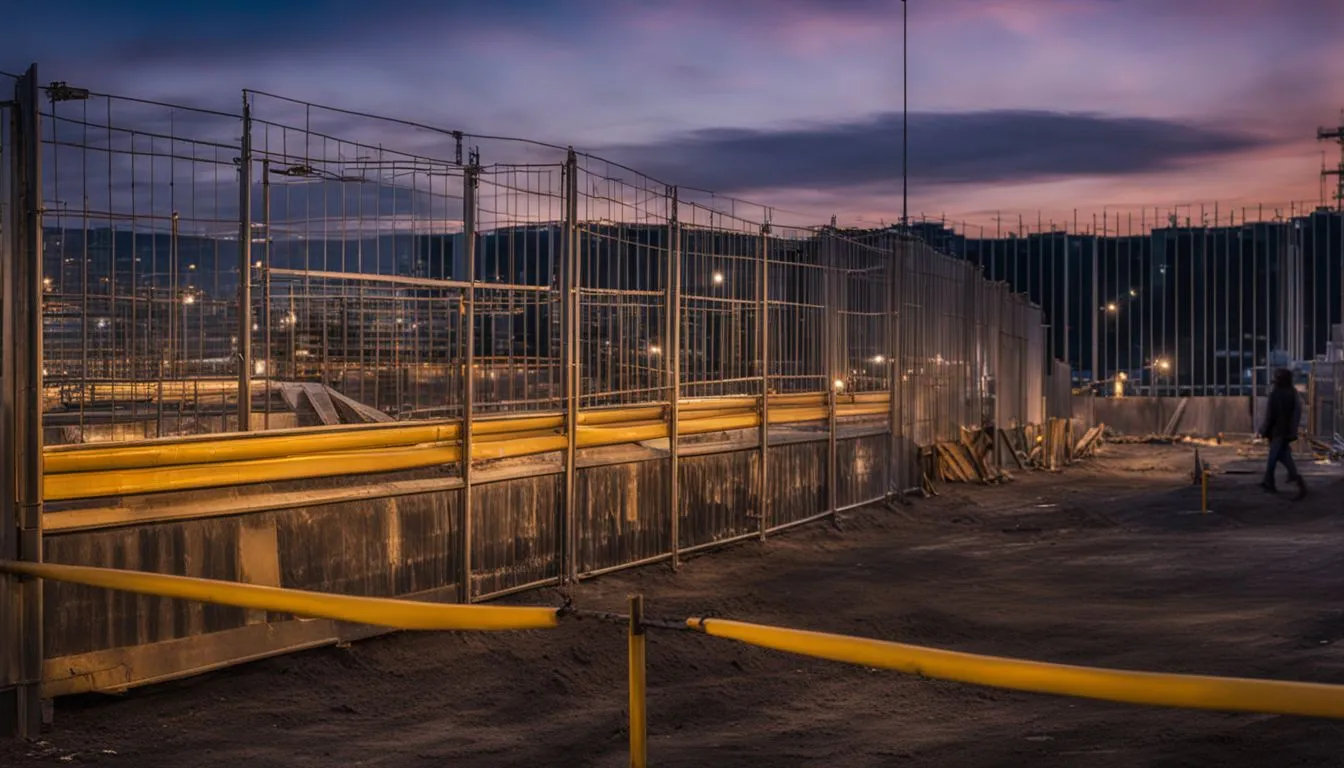
Safety barriers play a crucial role in various environments, from industrial and construction sites to roadways and highways, as well as commercial and public spaces. They are essential for preventing accidents and protecting both workers and the general public.
Industrial and Construction Sites
At industrial and construction sites, the risk of workplace accidents is high. Machinery moves about, heavy loads are lifted, and workers often find themselves in potentially hazardous situations.
We place high-density safety barriers strategically to minimise these dangers. They serve as a physical reminder for worker alertness and a protective barrier against vehicle collisions.
We also focus on implementing health and safety regulations through the use of these barriers. They help in creating safe walkways for workers amidst machinery and designate no-entry zones to prevent unauthorised access to dangerous areas.
This proactive approach ensures work zone protection while maintaining a steady workflow without compromising safety standards or procedures.
Roadways and Highways
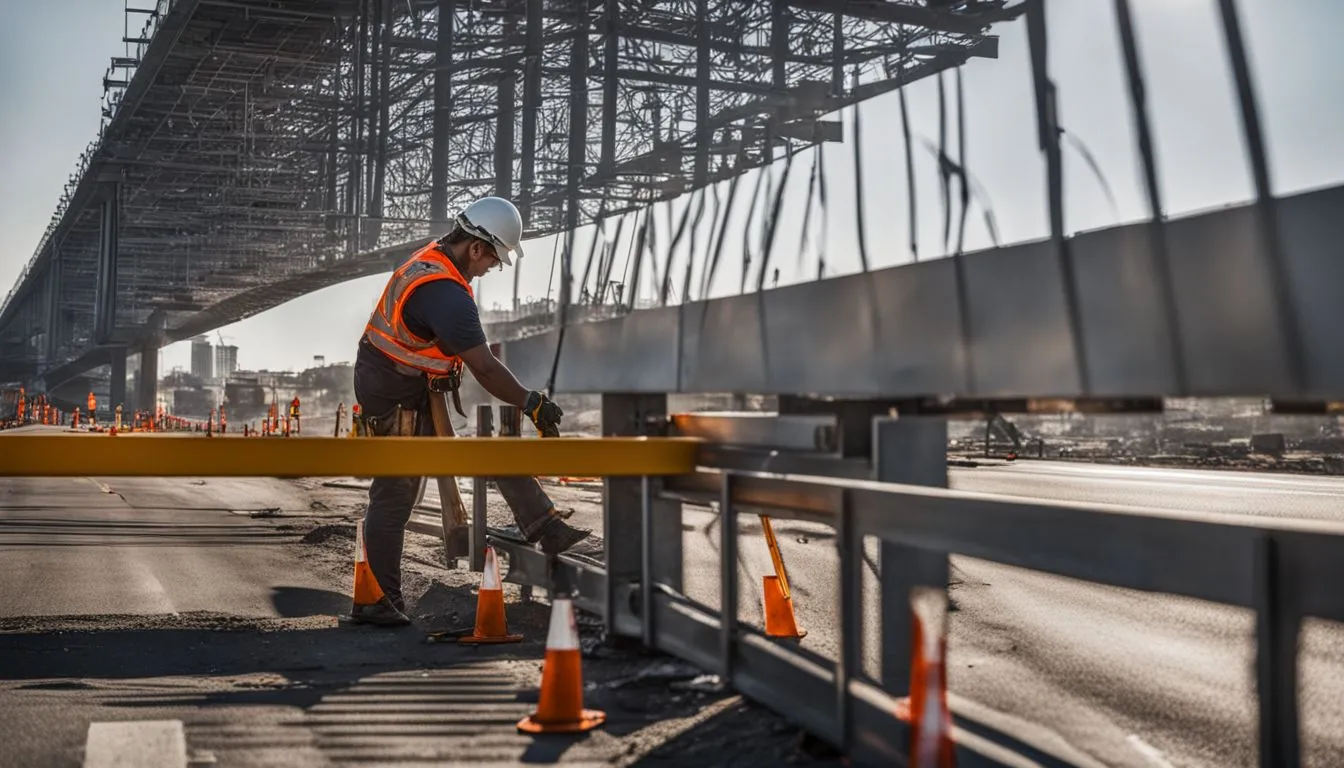
We know how vital safety becomes on roadways and motorways. These areas pose a high risk for vehicle collisions and roadside hazards that can endanger lives and disrupt business operations.
Implementing high-density barriers along these stretches helps mitigate risks, guiding vehicles safely and reducing the likelihood of accidents. Safety measures here not only protect drivers but also workers involved in roadside construction projects, ensuring they operate in a secure environment.
Our focus includes enhancing work zone safety through innovative barrier solutions that comply with health and safety regulations. By doing so, we aim to create safer roads for everyone, cutting down on potential traffic disruptions and promoting smoother business logistics.
High-density barriers play a critical role in hazard prevention, making them an indispensable tool for maintaining roadway integrity and safety standards.
Commercial and Public Spaces
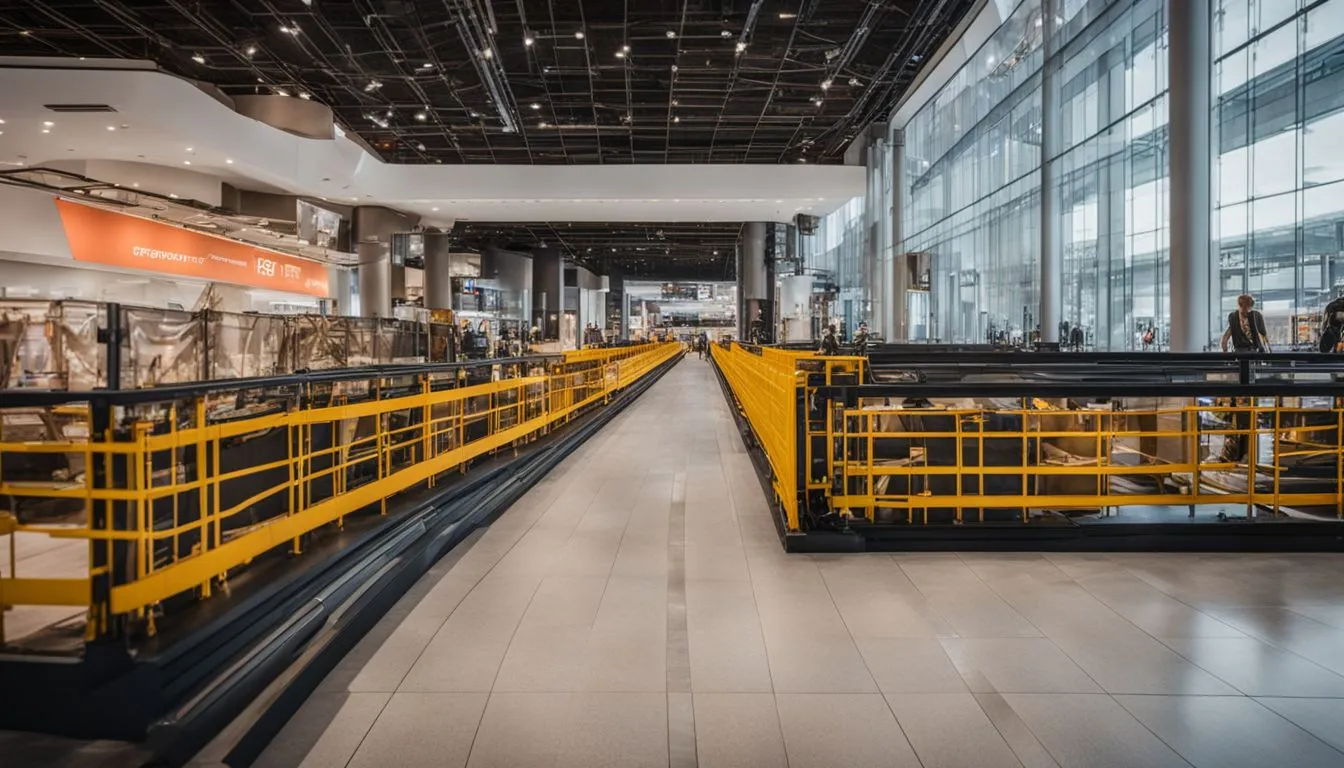
Moving beyond the roads, commercial and public spaces also demand rigorous safety measures. These areas are bustling hubs where people shop, work, and gather, making health and safety regulations critical to prevent hazards.
Safety barriers play a vital role in directing foot traffic away from construction sites or potentially dangerous areas within these spaces.
In shopping malls, parks, and office buildings alike, high-density barriers ensure everyone’s safety by mitigating risks such as vehicle collisions or unintended entry into restricted zones.
By implementing effective safety protocols around these frequented areas, we not only protect individuals but also enhance the overall security of our shared environments.
Types of Safety Barriers
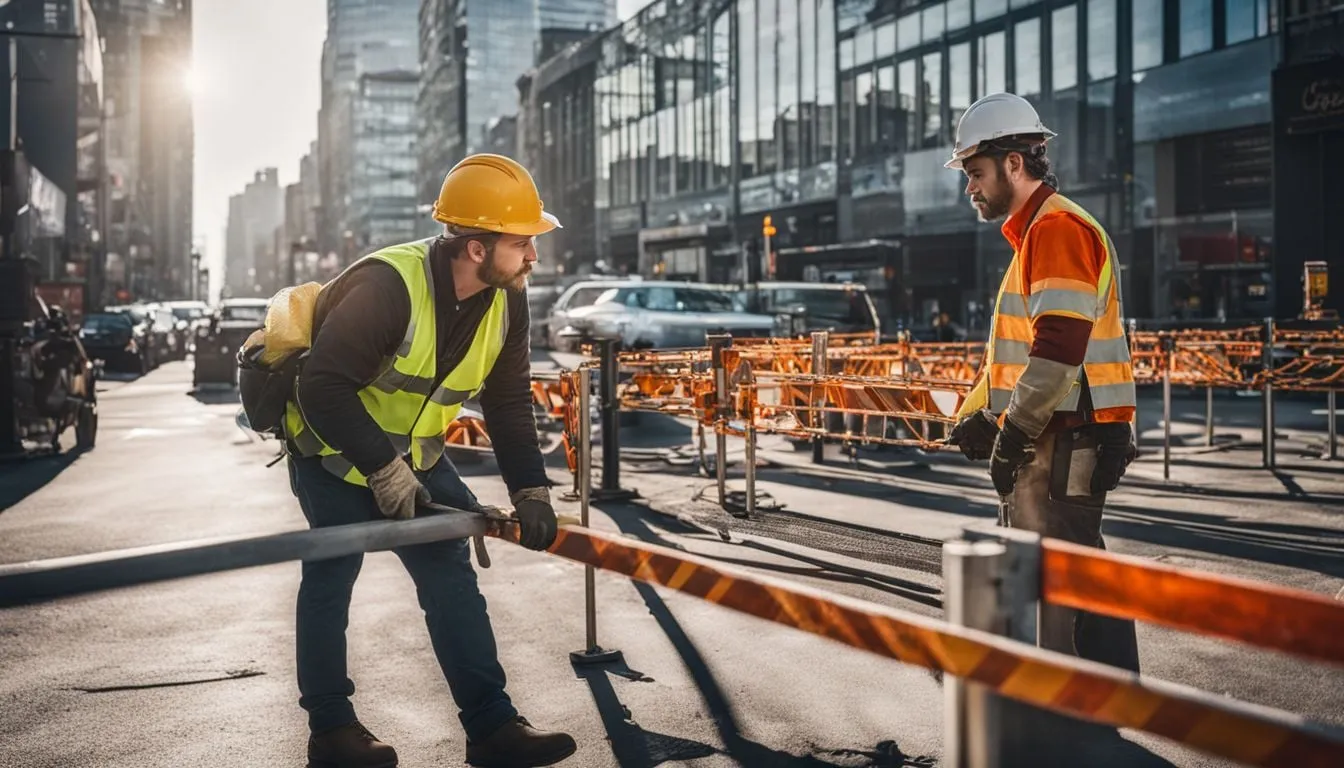
Safety barriers come in various types, all designed to enhance safety in different environments. To learn more about the diverse range of safety barriers and their applications, delve into the detailed insights provided.
Physical Barriers
Physical barriers stand as the first line of defence against workplace accidents and road hazards. They include fences, guardrails, and concrete blocks that physically prevent access or contain vehicles during a collision.
We ensure these barriers meet the highest safety standards and regulations to protect workers, pedestrians, and drivers alike. By incorporating high-density materials, our physical barriers absorb impact effectively, reducing the risk of injuries and damage.
Our approach involves carefully selecting barrier locations based on thorough risk assessments. This strategy maximises safety in construction sites, along roadsides, and within public spaces without compromising efficiency or accessibility.
Investing in durable physical barriers supports a culture of safety and vigilance in any work environment.
Non-Physical Barriers
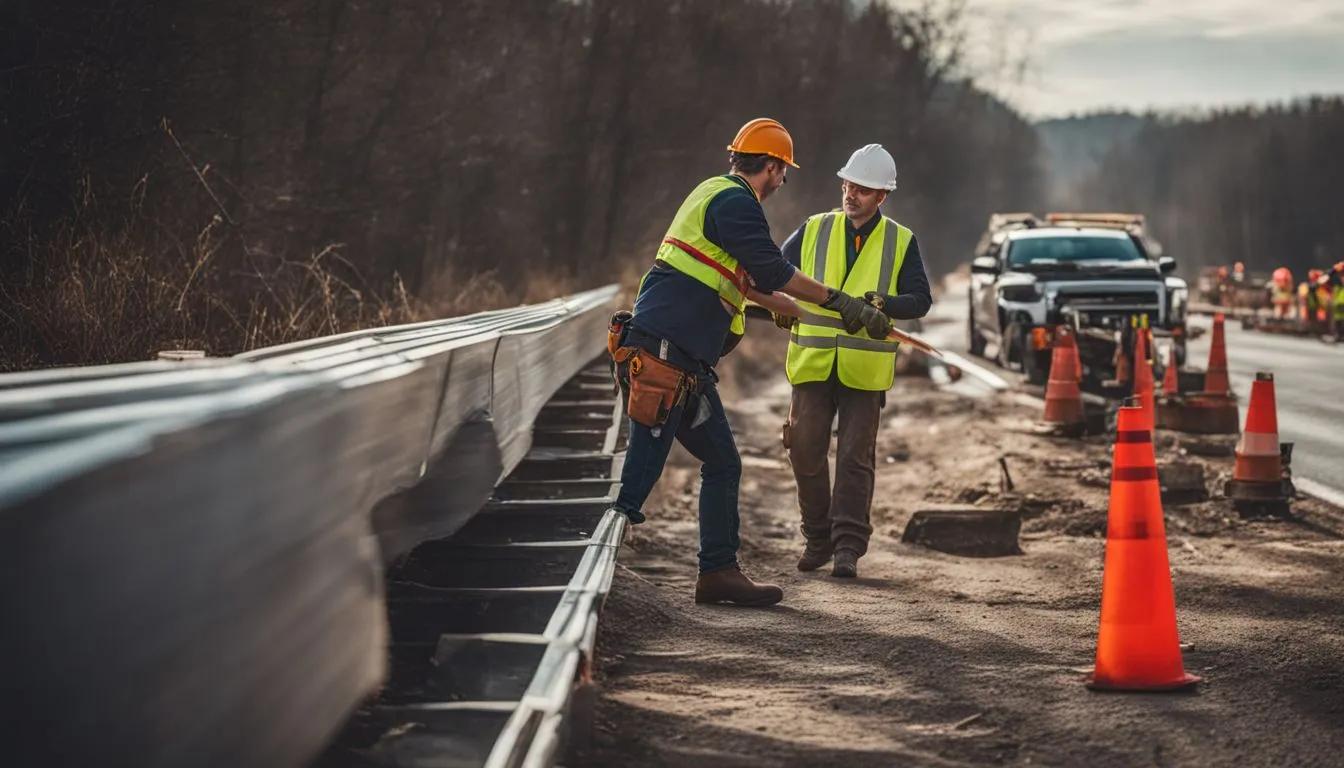
Shifting our focus from physical to non-physical barriers, we explore another crucial layer of safety and security in the workplace. Non-physical barriers play a vital role in enhancing workplace safety, complementing their physical counterparts by addressing intangible hazards.
These include alert systems that warn workers of imminent danger, software that restricts access to sensitive information, and policies designed to prevent accidents before they happen.
We enforce strict health and safety regulations through these invisible shields. Training programmes equip our teams with the knowledge to navigate potential risks confidently while maintaining high standards of work zone protection.
Safety measures like regular hazard assessments ensure everyone stays aware of changes in the environment, enabling proactive management of safety protocols without relying solely on tangible barriers.
Through this integrated approach, we significantly reduce incidents related to vehicle collisions and other workplace hazards, securing not just our physical space but the well-being of every individual involved.
Natural Barriers
Turning from the concept of non-physical barriers, we turn our attention to natural barriers. These play a critical role in ensuring workplace safety and reducing risks, particularly in outdoor or semi-outdoor environments.
Nature itself offers some of the best solutions for safety measures, incorporating elements like rivers, mountains, and thick vegetation to deter unauthorised access or provide natural buffers against hazards.
We actively integrate these environmental features into our safety plans. By harnessing landscapes’ inherent protective qualities, we achieve effective hazard prevention without compromising the aesthetics of a space.
Utilising natural barriers not only supports our commitment to health and safety regulations but also aligns with environmentally friendly practices by preserving local ecosystems.
Key Design Elements of Effective Safety Barriers

The visibility of safety barriers is crucial. They should be durable and strong, as well as flexible and adaptable to different environments.
Visibility
Ensuring high visibility is a crucial element of effective safety barriers. Bright colours, reflective surfaces, and clear signage are essential for alerting workers and the public to potential hazards in various environments.
These features enhance worker alertness and reduce the risk of collisions or accidents, aligning with safety standards and protocols. Additionally, optimising visibility contributes to hazard prevention by making work zones and construction sites easily identifiable for all stakeholders involved.
When it comes to vehicle collisions on roadways or near industrial facilities, enhanced visibility provided by safety barriers plays a pivotal role in mitigating risks and promoting safe navigation.
Durability and Strength
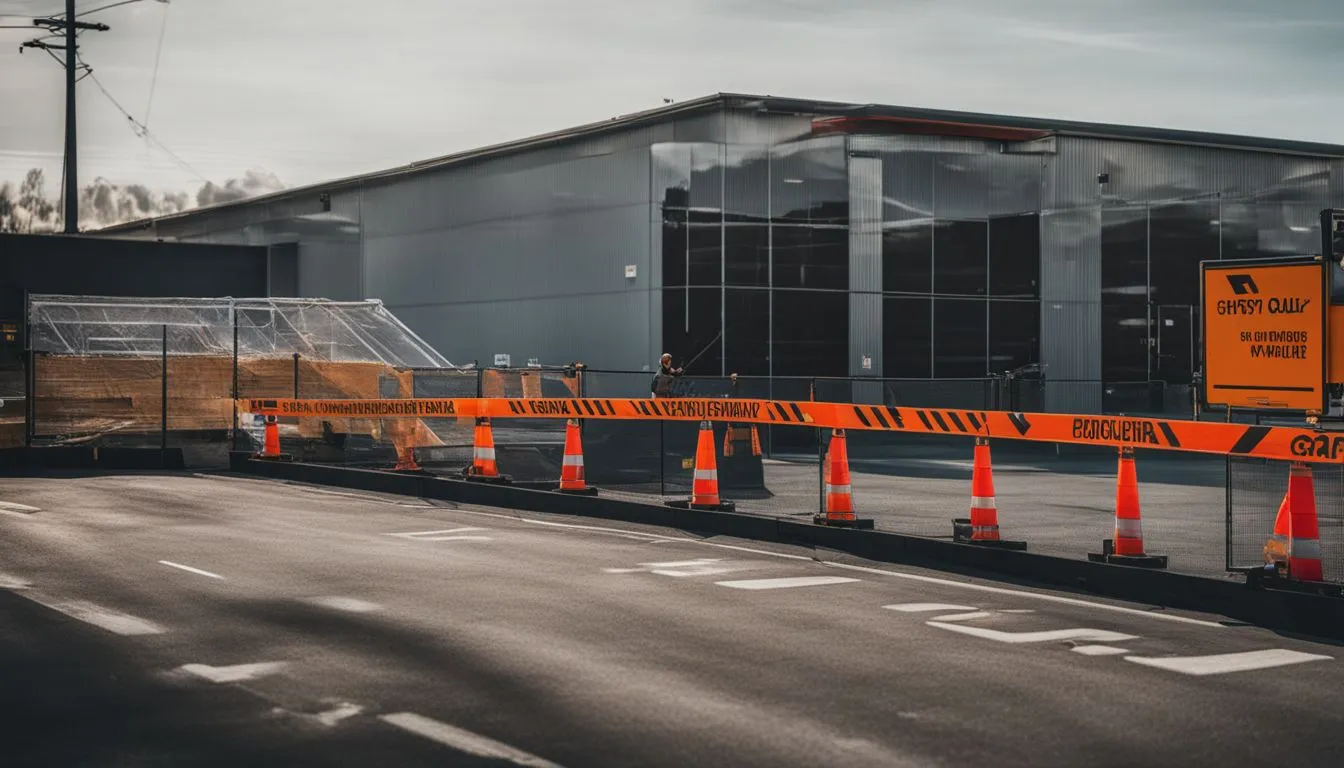
Transitioning from visibility to durability and strength, it’s essential for safety barriers to withstand significant force and impact. The ability to endure harsh environmental conditions and resist wear and tear is crucial in maintaining their effectiveness.
Strength ensures that safety barriers provide lasting protection against potential hazards, making them a reliable investment for safeguarding work zones, roadways, and public spaces.
Prioritising durability guarantees that the barriers remain sturdy over time, requiring minimal maintenance and replacement. This resilience not only safeguards against collisions but also upholds safety standards without compromise.
The material composition, structural integrity, and manufacturing techniques contribute to the overall robustness of safety barriers. Ensuring that these elements are meticulously engineered enhances their longevity while withstanding ongoing exposure to various stressors such as vehicular impacts or extreme weather conditions.
Flexibility and Adaptability
Flexibility and adaptability are crucial aspects of effective safety barriers. These barriers need to be able to adjust to various conditions and environments, providing a reliable level of protection at all times.
They should also have the capacity to withstand unexpected impacts without compromising on their structural integrity. This flexibility ensures that safety barriers can meet the dynamic demands of different settings while continuing to provide high-density protection against potential hazards.
Ensuring that safety barriers are flexible and adaptable is essential for guaranteeing optimal safety across diverse environments. As we explore this further, let’s dive into the key design elements that underpin these essential features in high-density safety barriers.
Custom Safety Barriers: Exploring Reliability and Service
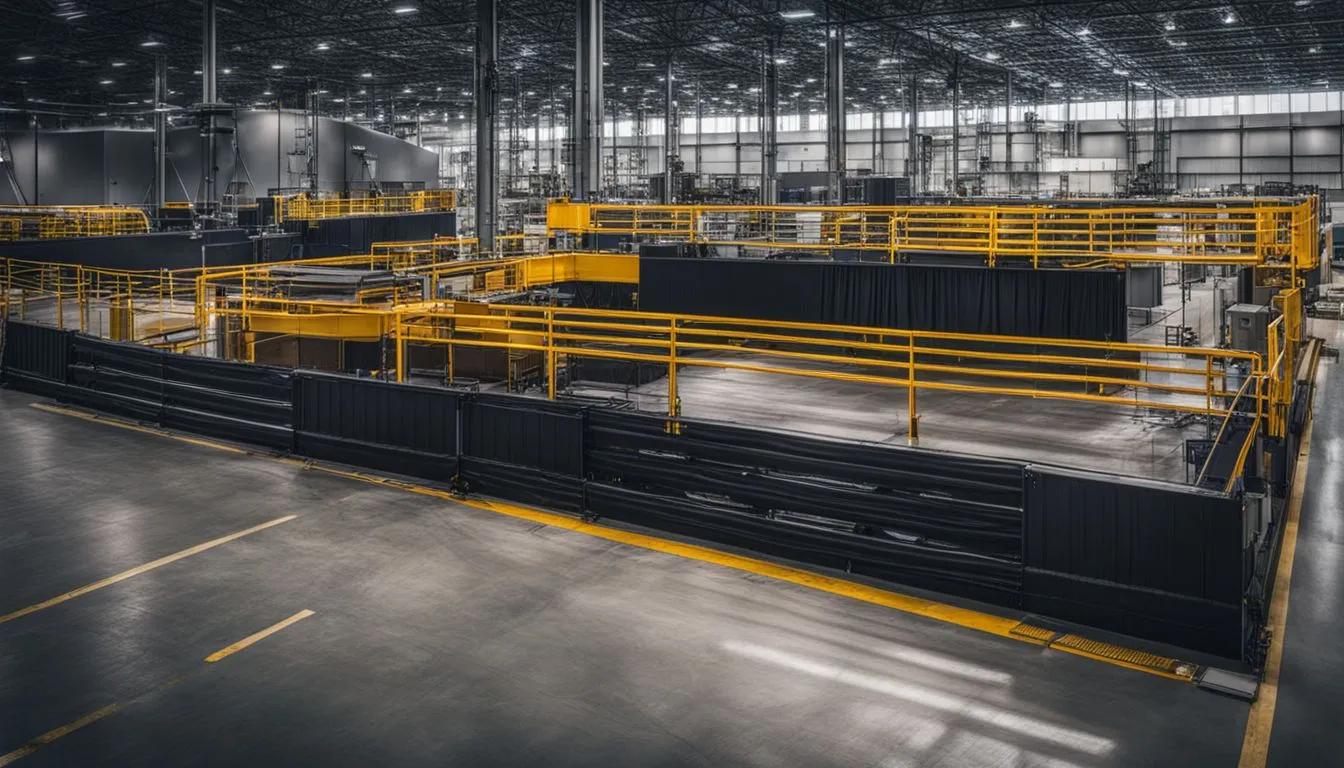
In terms of reliability and service, custom safety barriers are tailored to meet the specific needs of your business. These bespoke solutions not only enhance workplace safety but also align with health and safety regulations.
With our suite of high-density barriers, we ensure that your workplace is equipped with robust security barriers designed to prevent hazards such as vehicle collisions and work zone protection.
Our tailored approach underpins risk management, addressing complexities in the ever-evolving realm of workplace safety.
Smart Barrier Systems unlock the secrets to ensuring worker alertness and hazard prevention at industrial sites. Additionally, environmentally friendly materials further enhance workplace safety standards by combining aesthetics with effective protection against roadside hazards.
This proactive approach to security measures goes beyond conventional safety protocols, diving into a future-ready solution for businesses seeking more than just precautionary measures; it’s about instilling confidence in an era where workplace safety reigns supreme.
Future Trends in Safety Barrier Technology
Exploring the future of safety barrier technology, we witness the rise of smart barrier systems, environmentally friendly materials, and a blend of aesthetics with safety. To learn more about these exciting advancements in safety barriers, delve further into our article.
Smart Barrier Systems
Smart barrier systems integrate cutting-edge technology and advanced materials to enhance safety measures in various environments, from construction sites to roadways. These high-tech barriers are designed to detect potential hazards, alert workers of dangers, and prevent collisions.
They incorporate innovative features such as real-time monitoring, automated responses, and remote access for efficient maintenance. Smart barrier systems align with the ever-evolving landscape of safety standards by providing tailored solutions that prioritise worker alertness and hazard prevention.
As business owners seek more than just basic safety measures, smart barrier systems offer a proactive approach towards risk management. Embracing these next-generation barriers not only ensures compliance with health and safety regulations but also underscores the commitment to prioritising workplace safety in an era where heightened security protocols are paramount.
Moving beyond traditional barriers opens up avenues for companies to explore innovative strategies that promise enhanced protection for their work zones and facilities.
Environmentally Friendly Materials
Transitioning from smart barrier systems to environmentally friendly materials, we recognise the growing demand for sustainable options. Choosing environmentally friendly materials not only promotes eco-conscious efforts but also aligns with corporate social responsibility goals.
Utilising eco-friendly materials such as recycled plastics, renewable resources like bamboo or cork, and low-impact metals can significantly reduce the environmental footprint of safety barriers while maintaining high standards of protection and durability.
Incorporating these materials into safety barrier designs reflects a commitment to both safety and sustainability, signalling a proactive approach in mitigating environmental impact.
Adopting environmentally friendly materials involves considering aspects such as recyclability, biodegradability, and reduced energy consumption during production. This consideration underscores a dedication to sustainability that resonates with clients, stakeholders, and regulatory bodies alike.
Combining Aesthetics with Safety
When integrating aesthetics with safety, it is vital to create safety barriers that not only serve their primary function but also contribute to the visual appeal of the environment.
Harmonising design elements such as colour, shape, and materials can enhance the overall look of a space while ensuring it remains secure and protected. This approach offers an opportunity for businesses to prioritise safety without compromising on aesthetics.
Moving forward into “Maintenance and Inspection of Safety Barriers,” we will explore the significance of regular checkups and reporting in upholding effective safety measures.
Maintenance and Inspection of Safety Barriers
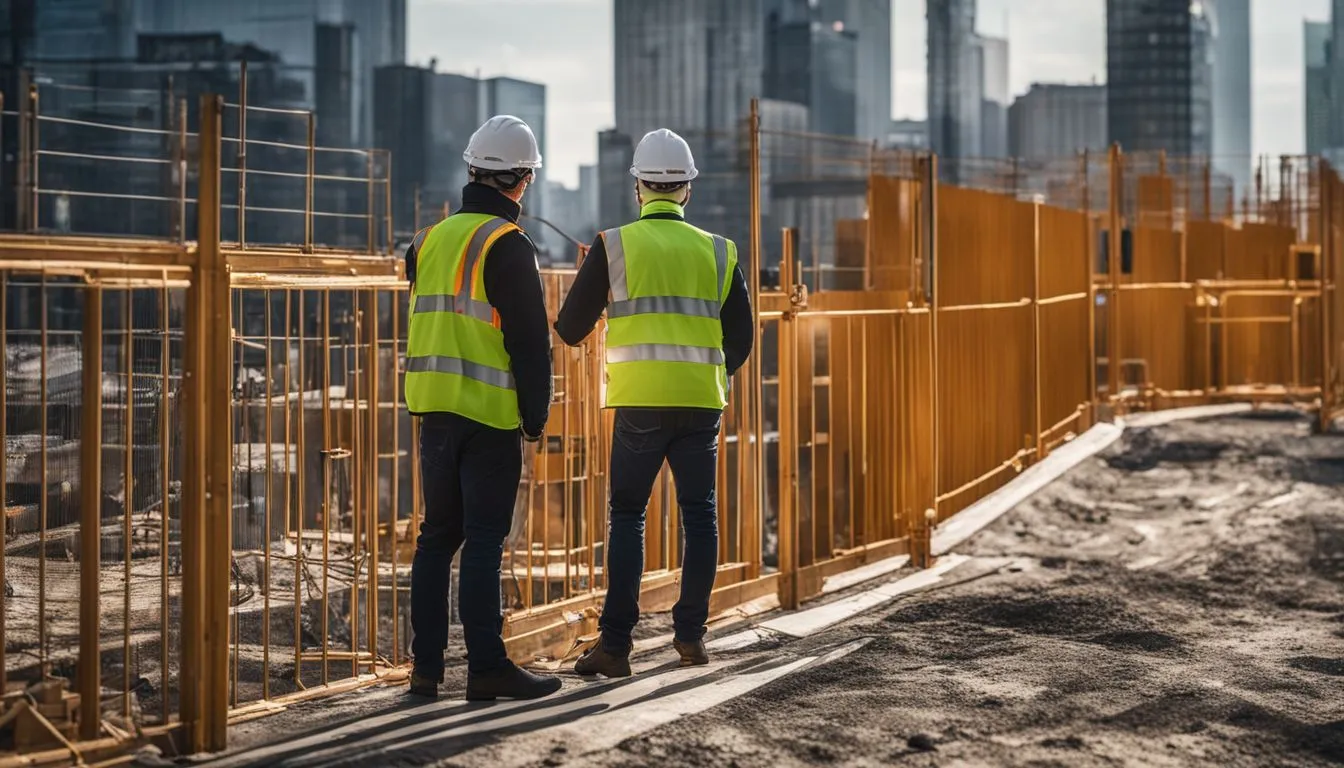
Maintaining and inspecting safety barriers is a crucial aspect of ensuring ongoing protection. Regular checkups and reporting help in identifying potential issues early on, addressing wear and tear effectively.
Regular Checkups and Reporting
Regular check-ups and reporting are crucial for ensuring the ongoing effectiveness of safety barriers. This process involves:
- Scheduling routine inspections to assess the condition of safety barriers and identify any damage or wear.
- Conducting thorough checks on visibility, durability, and adaptability to ensure optimal performance.
- Documenting all findings and reporting any issues promptly to facilitate timely repairs or replacements.
This proactive approach helps uphold safety standards and minimises potential hazards in various environments, promoting a secure workplace for employees and visitors alike.
Moving onto “Addressing Wear and Tear”…
Addressing Wear and Tear
Ensuring the safety barriers are in optimal condition is crucial for maintaining a safe environment for workers and visitors. Regular checks are required to identify signs of wear and tear and prevent potential hazards. It is advisable to conduct meticulous inspections, promptly addressing any damage or deterioration. By taking proactive measures, businesses can uphold safety standards and minimise risks associated with worn-out barriers.
- Conduct routine visual checks to detect any visible signs of damage, such as cracks or corrosion.
- Regularly inspect the structural integrity of the barriers to assess their overall strength and stability.
- Implement a schedule for maintenance activities, including cleaning, repainting, and repairing any identified issues promptly.
- Consider upgrading or replacing barriers that exhibit significant wear and tear beyond repair to ensure continued effectiveness.
- Emphasise the importance of employee awareness regarding reporting any observed damage or deterioration promptly.
- Ensure that all repairs or replacements comply with relevant safety regulations and standards.
By prioritising proactive maintenance measures and swift action in addressing wear and tear on safety barriers, businesses can effectively mitigate potential hazards while upholding safety protocols.
Next Heading: “Upgrades and Replacements”
Upgrades and Replacements
When it comes to maintaining the integrity of your safety barriers, addressing wear and tear is crucial. Ensuring that your safety barriers are upgraded and replaced in a timely manner is vital for maintaining a safe environment. Here are some important considerations for upgrades and replacements:
- Regular Assessment: Schedule periodic evaluations of your safety barriers to identify any signs of deterioration or damage.
- Compliance with Regulations: Ensure that any upgrades or replacements meet current safety standards and regulations to maintain compliance.
- Technology Integration: Consider incorporating advanced technologies such as smart sensors or automated monitoring systems into your upgraded safety barriers for enhanced performance.
- Material Quality: Opt for high-quality materials when replacing or upgrading safety barriers to ensure longevity and resilience.
- Impact Testing: Conduct thorough impact testing on new barrier installations to verify their effectiveness in real-world scenarios.
- Environmental Adaptability: Select replacement barriers that can withstand varied environmental conditions without compromising their efficacy.
- Professional Installation: Engage experienced professionals for the installation of upgraded or replacement safety barriers to guarantee optimal functionality.
- Lifecycle Costs Analysis: Evaluate the long-term costs associated with maintenance, upgrades, and replacements to make informed decisions about investment in new systems.
- Emergency Response Preparedness: Ensure that the upgraded or replacement safety barriers align with emergency response protocols and do not impede rescue efforts during critical situations.
Case Studies Demonstrating the Importance of Safety Barriers
Case studies prove the vital role of safety barriers in diverse environments. They provide real-world examples of how high-density safety barriers enhance workplace safety and prevent accidents.
Maersk Arndell Park
Maersk Arndell Park showcases the effectiveness of high-density safety barriers in an industrial setting. The implementation of robust safety measures at Maersk Arndell Park has significantly reduced workplace accidents and ensured compliance with health and safety regulations.
The use of high-density barriers has enhanced worker alertness, mitigated potential hazards, and provided a secure environment for efficient operations.
Moving ahead to “Brookfield”..
Brookfield
Brookfield, a renowned leader in construction and infrastructure development, has prioritised safety through the implementation of high-density safety barriers. Their commitment to workplace safety is evident in their comprehensive approach to implementing effective safety measures across various work zones and construction sites.
The strategic placement of robust physical barriers combined with non-physical barriers tailored towards hazard prevention underscores Brookfield’s dedication to creating a secure working environment, in line with stringent health and safety regulations.
Furthermore, Brookfield’s proactive maintenance and inspection protocols ensure that their safety barriers consistently meet the highest standards for durability and strength. This meticulous attention to detail not only enhances worker alertness but also minimises potential hazards such as vehicle collisions and other workplace risks.
Alstom
Transitioning from the construction and industrial sites, we come to Alstom. We know that productivity at your facility is a top priority, and this is where Alstom comes into play.
By incorporating high-density safety barriers, you can ensure the protection of employees and equipment within your environment. The implementation of safety measures such as those offered by Alstom not only complies with health and safety regulations but also mitigates risk in the workplace, thereby improving overall operations.
Conclusion
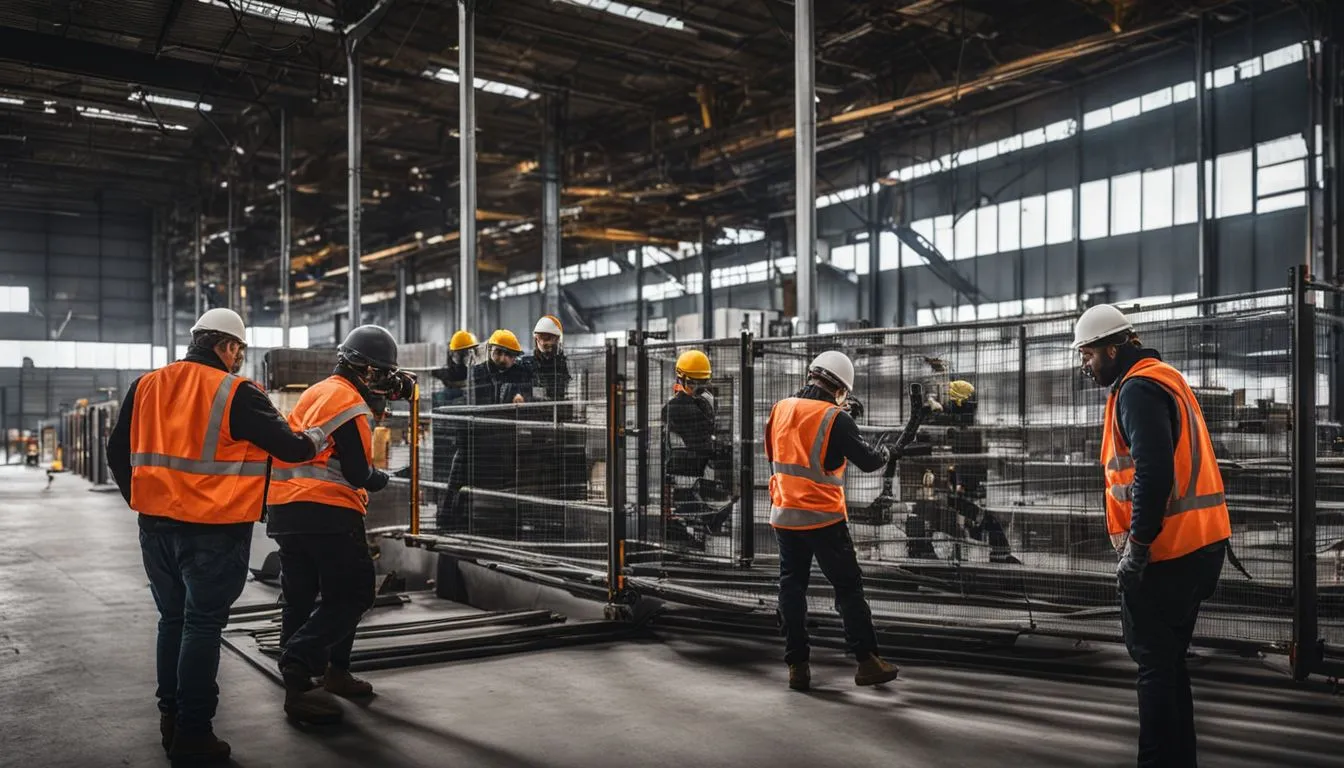
After exploring the diverse environments where safety barriers play a crucial role, it’s evident that these measures are essential for preventing hazards. The key design elements of effective safety barriers emphasise visibility, durability, and adaptability, ensuring practicality and efficiency in their implementation.
Applying these strategies can lead to significant improvements in workplace safety and risk management.
Additionally, future trends in safety barrier technology showcase the potential impact of smart barrier systems and environmentally friendly materials. It encourages continued engagement through further reading or exploration of related services.
With an emphasis on practicality and efficiency, we stress the importance of high-density safety barriers in promoting security and hazard prevention.
In conclusion, the implementation of high-density safety barriers is not only vital but also straightforward when considering workplace safety standards. Their significance cannot be understated given their potential to bring about substantial improvements in mitigating risks across various settings.
Unlocking the secrets behind successful workplace safety lies within understanding the significance of high-density safety barriers amidst ever-evolving work environments.