
1 January 2024 · filed in Safety Update
Workplace Safety Standards: The Crucial Role of Barriers

Ensuring the safety of our workers isn’t just a box to tick; it’s at the heart of what we do, but let’s be honest, it can be a really tricky business. Like many of you out there, we’ve grappled with the nitty-gritty of crafting solid workplace safety standards and found that getting barriers up makes a world of difference. And it’s not just us saying so, studies are on our side too, showing a decent 29% dip in injury rates when proper safeguards are put into play. Our article is here to steer you through beefing up your work area with top-notch barrier systems that look after both your crew and your productivity. So stick around, because when it comes to safety, we reckon keeping things simple is key!
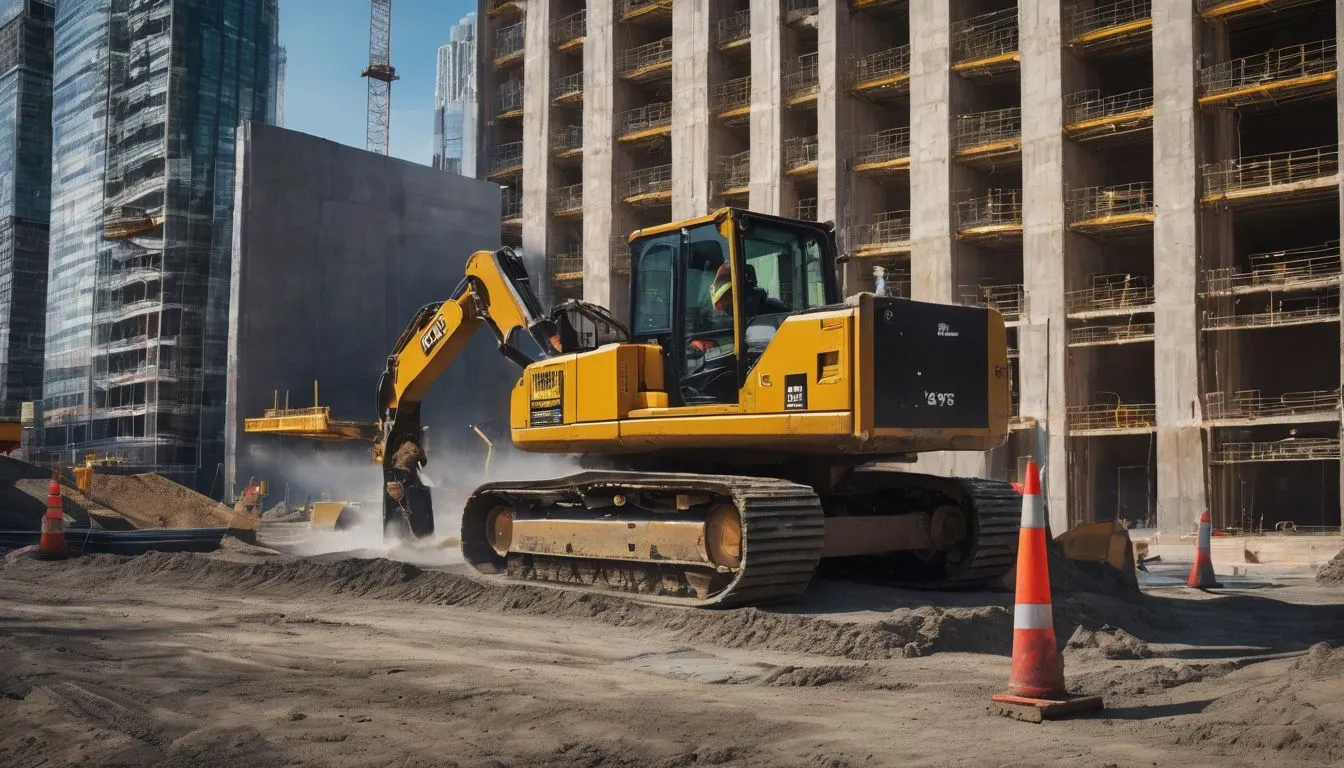
Importance of Workplace Safety Standards
Workplace safety standards are crucial for protecting employees, ensuring legal compliance, and reducing costs associated with workplace accidents. It is essential to prioritise the implementation of proper safety measures to create a secure work environment.
Protecting employees
We prioritise the well-being of our staff by upholding rigorous workplace safety standards. Implementing robust health and safety protocols is essential to prevent injuries and create a secure environment for everyone.
Our team members rely on us to provide a safe workspace where they can perform their duties without fear of accidents or hazards.
Regular training and awareness programmes are vital to reinforce the importance of safety measures. Ensuring each employee understands how to manage risks effectively reduces workplace accidents dramatically.
Moreover, it’s our responsibility as business owners to comply with occupational health and safety regulations, which sets the tone for an organisational culture that values human life above all else.
Moving beyond safeguarding employees, we must also recognise our legal responsibilities in this area.
Legal compliance
Adhering to workplace safety regulations ensures our business is legally compliant. We must stay informed about the latest health and safety standards and make sure our safety barriers meet those requirements.
Regular inspections and maintenance are crucial in ensuring ongoing compliance with workplace safety regulations, minimising potential legal risks for our operations.
Moving forward, let’s now look at the types of safety barriers and their effectiveness in different work environments.
Reducing costs
To reduce costs, we prioritise preventing workplace accidents and injuries. This involves implementing safety barriers to create a secure environment for employees, reducing medical expenses and compensation for work-related incidents.
By adhering to safety standards and investing in high-quality barriers, businesses can avoid potential legal fines or penalties resulting from non-compliance with workplace health and safety regulations.
Additionally, efficient use of safety barriers contributes to lower insurance premiums due to reduced risk of workplace hazards.
Barriers to Good Workplace Safety Standards
Addressing barriers to workplace safety standards is crucial for ensuring the well-being of employees and maintaining legal compliance. The complexity of processes, conflicting demands, human factors, and management issues can all hinder the implementation of effective safety standards in the workplace.
Complexity of processes
Workplace safety standards can be challenging to navigate due to the complexity of processes involved. Keeping up with regulatory changes, updating protocols, and ensuring compliance across different work environments requires dedicated attention and resources.
Implementing safety measures like risk assessment, hazard prevention, and employee training demands a thorough understanding of these intricate processes to effectively address workplace hazards.
Managers should regularly review and update safety guidelines in line with industry best practices to ensure that their workforce is adequately protected from potential risks. From occupational safety and health regulations to specific workplace injury prevention measures, staying on top of these complex processes is vital for maintaining a safe working environment.
Conflicting demands
Conflicting demands arise when production targets clash with safety protocols. Balancing the need for efficiency and productivity against ensuring a safe work environment can create tension.
Business owners understand the struggle to meet deadlines while maintaining workplace safety standards. Implementing effective strategies requires careful consideration of operational needs and employee wellbeing.
Management must find ways to harmonise conflicting demands by integrating safety measures into daily operations without compromising productivity. It involves fostering a culture that prioritises safety alongside performance, incorporating regular risk assessments and continuous improvement initiatives to ensure a safe and efficient work environment for all employees involved in various occupational activities.
Human factors (psychological barriers, lack of awareness/training, resistance to change)
Human factors such as psychological barriers, lack of awareness/training, and resistance to change can impede workplace safety standards. These factors should be addressed through the following strategies:
- Implementing regular training programs to increase awareness and knowledge of safety procedures.
- Providing incentives for employees to participate in safety training, fostering a culture of awareness and accountability.
- Creating open channels for communication to understand and address any resistance to change regarding safety protocols.
- Incorporating psychological principles in the design of safety measures to encourage compliance and reduce human error.
- Conducting regular assessments of employee engagement with safety protocols and addressing any areas of resistance or misunderstanding.
Management issues (lack of commitment, enforcement, training)
Transitioning from addressing human factors, let’s focus on the critical management issues that can hinder workplace safety standards.
- Lack of Commitment: Business owners must demonstrate a strong commitment to safety by prioritising it in all aspects of the organisation’s operations, fostering a culture of safety awareness and accountability.
- Enforcement: It is crucial to enforce safety protocols consistently and fairly, ensuring that all employees understand the consequences of not adhering to these standards.
- Training: Providing comprehensive and ongoing safety training for all staff, including management, ensures that everyone is equipped with the knowledge and skills needed to maintain a safe working environment.
Addressing Barriers to Workplace Safety Standards
We can address the barriers to workplace safety standards by clearly establishing safety rules and expectations, enforcing these standards rigorously, providing motivation for safety, effectively managing work hours and workload, and implementing improved supervision techniques.
These strategies are essential in creating a safe work environment for all employees.
Clear safety rules and expectations
Implementing clear safety rules and expectations is crucial in maintaining a safe work environment. These rules guide employees on the necessary precautions to take, ensuring their own well-being and that of others.
It’s important to communicate these standards effectively through training sessions and written guidelines, addressing potential workplace hazards and outlining the required safety equipment and procedures for handling them.
Regular updates to these rules ensure they reflect the latest best practices, industry standards, and legal requirements.
Moreover, reinforcing compliance with regular reminders about safety protocols keeps them at the forefront of everyone’s mind during daily operations. Motivating employees to adhere to safety rules becomes easier when they understand that it not only protects themselves but also contributes positively towards productivity and morale in the workplace.
Enforcing standards
Enforcing workplace safety standards is essential to protect employees and ensure legal compliance. We implement strict policies and procedures, conduct regular training sessions, and provide resources to enforce safety guidelines effectively.
By consistently monitoring adherence to safety protocols, we create a culture of accountability and responsibility for maintaining a safe work environment.
Our commitment to enforcing standards not only reduces costs associated with workplace accidents but also motivates employees to prioritise their own and their colleagues’ safety. By continuously reinforcing the importance of following safety protocols, we cultivate a proactive approach towards enhancing workplace safety measures.
Providing motivation for safety
To motivate employees to prioritise safety, we regularly acknowledge and reward those who adhere to safety protocols. This recognition boosts morale and encourages a culture of safety awareness.
Additionally, involving staff in the development of safety initiatives empowers them to take ownership of their well-being at work. Regular training sessions on the importance of safety procedures also serve as a constant reminder for employees to stay vigilant.
We use innovative methods such as gamification or incentive programmes that offer tangible rewards for maintaining safe practices. These incentives can range from monetary bonuses for zero workplace accidents to extra days off for exemplary adherence to safety guidelines.
Managing work hours and workload
We schedule regular breaks and ensure appropriate work rotations to maintain alertness and focus. We allocate sufficient time for tasks, avoiding rushed work that can compromise safety.
We also promote a healthy work-life balance to reduce stress and fatigue, both of which can contribute to workplace accidents.
To maintain productivity and minimise the risk of errors due to fatigue or rushing, we implement smart scheduling practices that consider individual workloads. This includes providing adequate resources and support for employees handling heavy workloads, as well as implementing efficient time management strategies.
Improved supervision
Transitioning from managing work hours and workload, improved supervision is crucial for maintaining workplace safety standards. Consistent oversight ensures that safety protocols are followed and hazards are identified promptly.
Supervisors play a vital role in reinforcing compliance with safety guidelines, conducting regular inspections, and providing necessary training to employees on hazard prevention and risk management.
They contribute to the overall enforcement of workplace safety measures, ultimately promoting a secure working environment for all staff members.
Incorporating effective communication strategies between supervisors and employees fosters a culture of accountability when it comes to adhering to safety protocols. Identifying potential risks early on through attentive supervision can prevent accidents and promote proactive hazard management within the organisation.
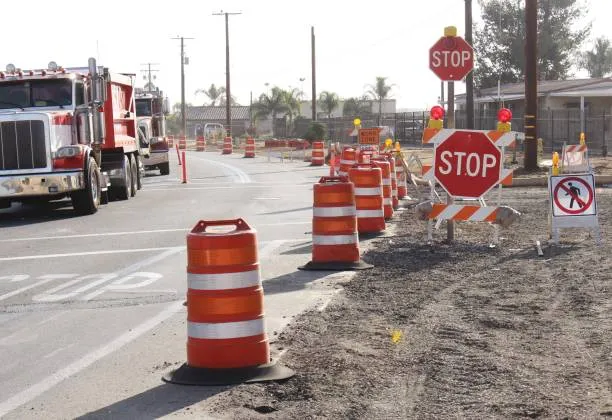
Types of Safety Barriers
When it comes to workplace safety, there are various types of barriers that play a crucial role in protecting employees and preventing accidents. These include physical barriers such as guardrails and fencing, non-physical barriers like warning signs and floor markings, as well as natural barriers such as landscaping or terrain changes.
These different types of barriers help create a safe work environment and reduce the risk of occupational hazards.
Physical barriers
Physical barriers play a crucial role in workplace safety, providing a tangible defence against potential hazards. Installing sturdy guardrails and barriers around dangerous machinery or drop-off points significantly reduces the risk of accidents.
Clear signage and visible markings on walkways further enhance pedestrian safety, directing employees away from hazardous areas to prevent workplace incidents.
In addition to protecting employees from harm, physical barriers also serve as a visual reminder of safety protocols. By creating distinct boundaries between work zones and high-risk areas, these barriers help to maintain clear safety precautions at all times.
Non-physical barriers
Employees’ unawareness and lack of training are common non-physical barriers that impede workplace safety. Psychological factors such as fear, overconfidence, and fatigue can also contribute to accidents.
Overcoming these barriers involves implementing comprehensive training programmes, fostering open communication channels, and promoting a positive safety culture within the organisation.
By addressing non-physical barriers effectively, businesses can significantly reduce the risk of workplace accidents and create a safer work environment for all employees.
Natural barriers
Natural barriers, such as trees, rivers, or mountains, can serve as effective safety measures in the workplace. These natural elements provide a level of protection against hazards by creating physical boundaries that help keep employees safe.
For example, dense vegetation can act as a visual barrier to prevent unauthorised access to hazardous areas within industrial sites. Similarly, bodies of water or steep slopes can deter people from entering potentially dangerous zones.
Incorporating natural barriers into workplace safety plans not only enhances hazard prevention but also contributes to a sustainable and environmentally friendly approach to safety.
Embracing the advantages of these existing features allows businesses to reduce the need for extensive construction and maintenance of artificial barriers while promoting the preservation of natural surroundings within work environments.
Effective Design Principles of Safety Barriers
When it comes to designing safety barriers, visibility is crucial for ensuring that hazards are easily seen and avoided. Durability and strength are also essential in withstanding potential impacts and providing reliable protection.
Visibility
Good visibility is essential for safety barriers to effectively serve their purpose. By ensuring that safety barriers are highly visible, we can prevent workplace accidents and protect employees from potential hazards.
When safety barriers are clearly visible, they act as a visual warning system, alerting employees and visitors to potential dangers in the work environment. This helps in maintaining workplace safety guidelines and preventing workplace hazards.
Clear visibility also enables better management of pedestrian safety, industrial safety, and workplace hazard prevention. With enhanced visibility of safety barriers in place, business owners can significantly reduce the risk of workplace accidents and ensure compliance with workplace safety standards.
Durability and strength
When choosing safety barriers for your workplace, look for designs that prioritise durability and strength. This means selecting materials and construction methods that can withstand impact and provide long-lasting protection.
High-quality barriers will hold up to the demands of your work environment, whether it’s in a high-traffic area or facing potential hazards.
Investing in durable and strong safety barriers is essential for maintaining a safe workplace environment. These features ensure that your barriers continue to perform effectively over time, protecting both your employees and visitors from potential accidents.
Looking ahead, let’s explore the importance of flexibility and adaptability in safety barrier design.
Flexibility and adaptability
Safety barriers should be designed with flexibility and adaptability in mind to accommodate different work environments and changing needs. This means that the barriers should be able to adjust to varying conditions, such as high traffic areas or temporary construction sites.
Flexibility also allows for easy installation, modification, and removal of barriers as needed, ensuring that safety measures can quickly respond to evolving workplace requirements.
Adaptability is crucial for safety barriers to withstand natural elements and external forces while maintaining their effectiveness. It involves designing barriers that can endure harsh weather conditions, heavy impacts, and other potential hazards without compromising their protective function.
Application of Safety Barriers in Different Work Environments
From roadways and highways to industrial and construction sites, safety barriers play a crucial role in preventing workplace accidents. Read on to learn more about how safety barriers can be applied in different work environments.
Roadways and highways
Roadways and highways necessitate effective safety barriers to protect both employees and the public. Installing physical barriers, such as guardrails and crash cushions, can mitigate workplace accidents caused by vehicle collisions.
Non-physical barriers like speed limit signs and traffic cones also play a crucial role in ensuring pedestrian safety. Natural barriers, including trees and shrubs, contribute to road safety by providing a shield against oncoming vehicles.
Implementing these diverse types of safety barriers is essential for preventing workplace accidents and promoting overall safety on roadways and highways.
To sustain an optimal level of protection, regular maintenance and inspection of these safety barriers are imperative. This includes conducting routine checkups, promptly addressing wear-and-tear issues, as well as making timely upgrades or replacements when necessary.
Industrial and construction sites
When considering workplace safety, industrial and construction sites pose unique challenges due to heavy machinery, hazardous materials, and various ongoing projects. Safety barriers in these environments play a critical role in preventing accidents and protecting workers from potential hazards.
Physical barriers such as guardrails, barricades, and safety nets are essential for securing dangerous areas and guiding traffic flow within the site. Non-physical barriers like warning signs, designated walkways, and restricted zones also contribute significantly to maintaining a safe work environment by alerting employees to potential risks and enforcing safety protocols.
Furthermore, natural barriers such as landscaping elements help in controlling erosion, dust suppression, and noise reduction around the premises while enhancing the overall visual appeal of the site.
Incorporating robust physical structures alongside effective non-physical measures is crucial for promoting pedestrian safety while ensuring smooth operations at industrial and construction sites.
Commercial and public spaces
Transitioning from industrial and construction sites, commercial and public spaces also require robust safety barriers to protect employees, customers, and the general public. In these settings, barriers play a critical role in preventing workplace accidents and ensuring the safety of everyone who enters these areas.
Whether it’s retail spaces, restaurants, entertainment venues or public facilities such as parks and pavements, implementing effective safety barriers is essential for creating a secure environment.
In commercial and public spaces where foot traffic is high and diverse activities take place, physical barriers like guardrails, bollards or partitions can help define safe zones while also providing protection against potential hazards.
Future Innovations and Trends in Safety Barriers
The future of safety barriers is moving towards smart barrier systems that can detect and prevent accidents in real-time. Environmentally friendly materials are also becoming a trend, as well as a focus on integrating aesthetics with safety features.
Smart barrier systems
Smart barrier systems utilise advanced technology to enhance workplace safety. These systems incorporate sensors and real-time monitoring to detect potential hazards, alert employees, and manage traffic flow.
They offer businesses a proactive approach to accident prevention, reducing the risk of injury and property damage. Smart barrier systems can be integrated with existing security measures for comprehensive protection, ensuring workplaces are equipped with efficient safety solutions that meet industry standards.
Implementing smart barrier systems demonstrates a commitment to employee well-being while maintaining compliance with workplace safety regulations. By embracing these technological advancements, businesses can actively contribute to creating a safer work environment and minimise the impact of accidents on productivity and financial resources.
Environmentally friendly materials
Choosing environmentally friendly materials for safety barriers is essential in aligning with sustainable business practices and reducing the environmental impact of your operations.
Utilising materials that are recyclable, biodegradable, or made from renewable resources demonstrates your commitment to reducing waste and protecting natural resources. By incorporating these materials into your workplace safety standards, you contribute to a healthier environment while still ensuring the safety of your employees.
Implementing environmentally friendly materials also helps improve public perception of your business as socially responsible and environmentally conscious. This can lead to positive brand recognition and increased customer loyalty, setting you apart from competitors.
Furthermore, integrating sustainable materials into safety barriers can inspire innovative solutions that benefit both the environment and overall workplace safety.
Aesthetics and safety
When considering workplace safety barriers, it’s essential to address both the practical aspects of safety and the aesthetic appeal. A visually appealing barrier not only enhances the overall look of a workspace but also contributes to creating a positive work environment.
Utilising sleek designs and modern materials for safety barriers can help in promoting a sense of professionalism while effectively ensuring the safety of employees and visitors.
Incorporating aesthetically pleasing safety barriers doesn’t mean compromising on durability or functionality. Today’s market offers a range of innovative solutions that combine eye-catching aesthetics with robust construction, providing an ideal balance between visual appeal and protection.
Maintenance and Inspection of Safety Barriers
Regular maintenance and inspections of safety barriers are essential for ensuring their effectiveness. Addressing wear and tear, conducting regular checkups, and implementing necessary upgrades and replacements are crucial to maintaining a safe work environment.
Regular checkups and reporting
Regular check-ups and reporting are essential for maintaining the integrity of safety barriers. We conduct routine inspections to identify any signs of wear and damage, ensuring that our workplace remains secure for employees and visitors.
Reporting findings promptly allows for timely repairs or replacements, preventing potential accidents.
Our proactive approach to regular check-ups and reporting ensures that safety barriers are continuously effective in mitigating workplace hazards. This practice aligns with our commitment to prioritising workplace safety standards while promoting a secure work environment.
Addressing wear and tear
To ensure the ongoing effectiveness of safety barriers, addressing wear and tear is crucial. Regular checkups and reporting enable us to identify areas that require maintenance or replacement.
By promptly attending to wear and tear, we maintain the integrity of our safety barriers, ensuring they continue to provide optimal protection for employees and assets within the workplace.
Efficiently addressing wear and tear not only enhances workplace safety but also contributes to cost savings in the long run. Proactive maintenance reduces the risk of more extensive damage or failure, consequently minimising repair expenses while maximising the lifespan of our safety barriers.
Upgrades and replacements
To ensure workplace safety remains at the forefront, regular upgrades and replacements of safety barriers are imperative. Upgrades help to enhance the effectiveness of existing barriers, ensuring they meet current safety standards and requirements.
Additionally, replacing worn or damaged barriers is essential for maintaining a safe work environment, preventing workplace accidents and potential liabilities. Implementing these upgrades and replacements demonstrates a commitment to prioritising employee safety and adhering to workplace safety standards.
Regular inspection plays a pivotal role in identifying the need for upgrades or replacements. By staying proactive in evaluating barrier conditions, businesses can address any deficiencies promptly, minimising potential risks associated with outdated or damaged barriers.

Conclusion
Workplace safety standards are essential for protecting employees and ensuring legal compliance. Implementing practical strategies like clear safety rules, enforcement, and motivation can significantly improve safety in the workplace. The impact of applying these methods can lead to a reduction in accidents and associated costs while fostering a safer work environment for everyone involved. For further guidance on workplace safety standards and barrier design principles, consider consulting industry-specific experts or exploring additional resources on this topic. Remember that prioritising workplace safety not only mitigates risks but also contributes to a more productive and positive work culture.