
6 April 2024 · filed in Case Study
Your Safety Checklist: Selecting The Perfect Barrier For Your Needs
Choosing the perfect safety barrier can be a real head-scratcher, right? We’ve run into that snag ourselves, but here’s the thing – after gathering loads of info and yarns from all over, we think we’ve got it sorted.
Our guide will steer you through picking the best barrier without all the fuss. Keen for some honest advice?
Understanding the Importance of Safety Barriers
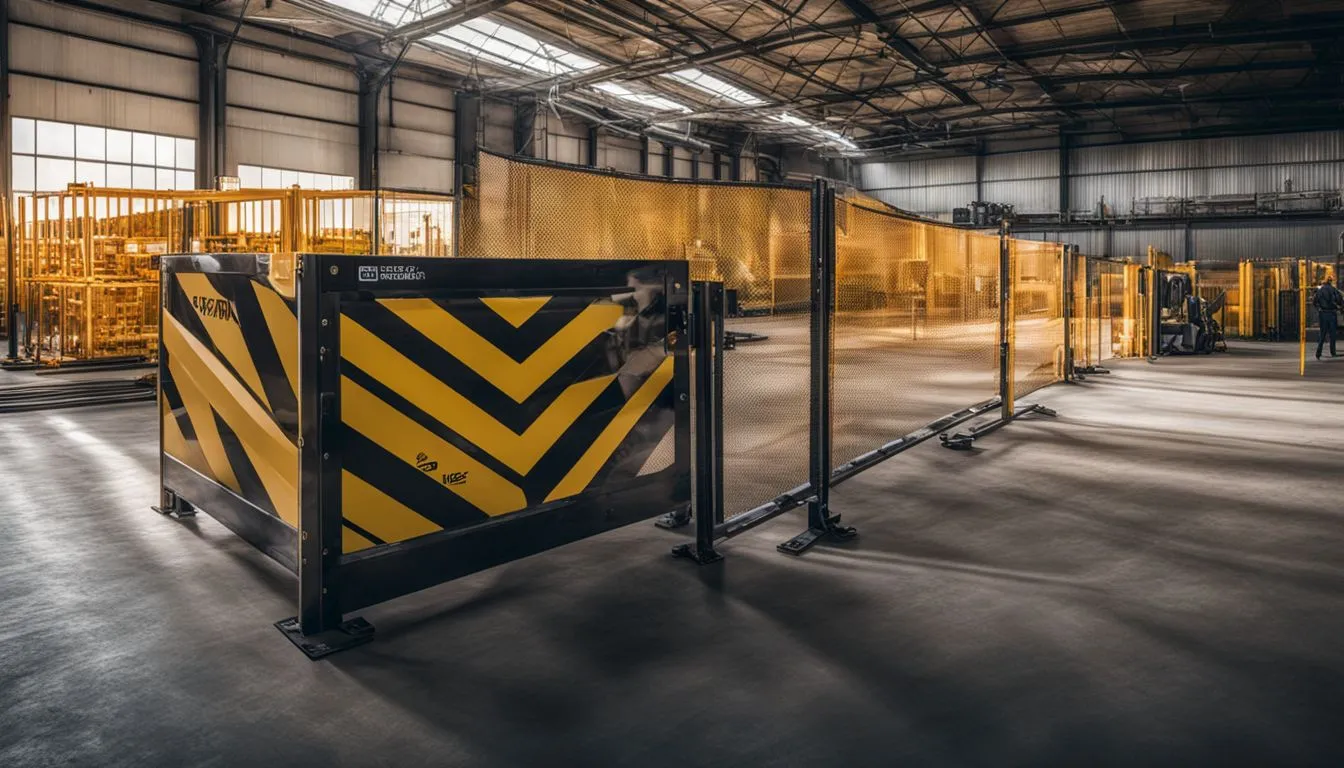
Safety barriers are the unsung heroes in keeping our workplaces safe. They stand guard, ready to protect us from potential hazards lurking around every corner. Think of them as the first line of defence against accidents waiting to happen.
Without these guardians, we’re just an accident away from a day we’d rather forget.
Choosing the right safety equipment can sometimes feel like looking for a needle in a haystack; however, with safety barriers, it’s more about finding the perfect fit for your unique needs.
They don’t just block off danger zones; they also guide traffic and help prevent workplace mishaps before they even have a chance to occur. Now, let’s steer towards understanding the different types that exist out there.
Types of Safety Barriers
When it comes to safety barriers, there are two main categories: physical and non-physical barriers. Physical barriers include roll-over gates, which quietly play a crucial role in factory safety.
Non-physical barriers encompass natural elements that can act as protective measures.
Physical Barriers
Physical barriers serve as the front line in workplace safety, shielding us from potential hazards with solid determination. Think of them as the silent guardians of every corner and crosswalk within our workspaces.
They act decisively to stop accidents before they happen, marking off unsafe areas or guiding traffic in bustling environments.
We often opt for fences, bollards, and guardrails when we talk about putting physical barriers into action. These provide not just protection but also a clear visual indicator that says “Hey, watch out!” or “Better not cross here.” Every choice made in selecting these barriers speaks volumes about our commitment to keeping folks safe on the job, reflecting a proactive approach to risk management and accident prevention.
Safety equipment like this isn’t just metal and plastic; it’s peace of mind, neatly packaged into tangible forms.
Highlight: Roll-over Gates as Silent Heroes in Factory Safety
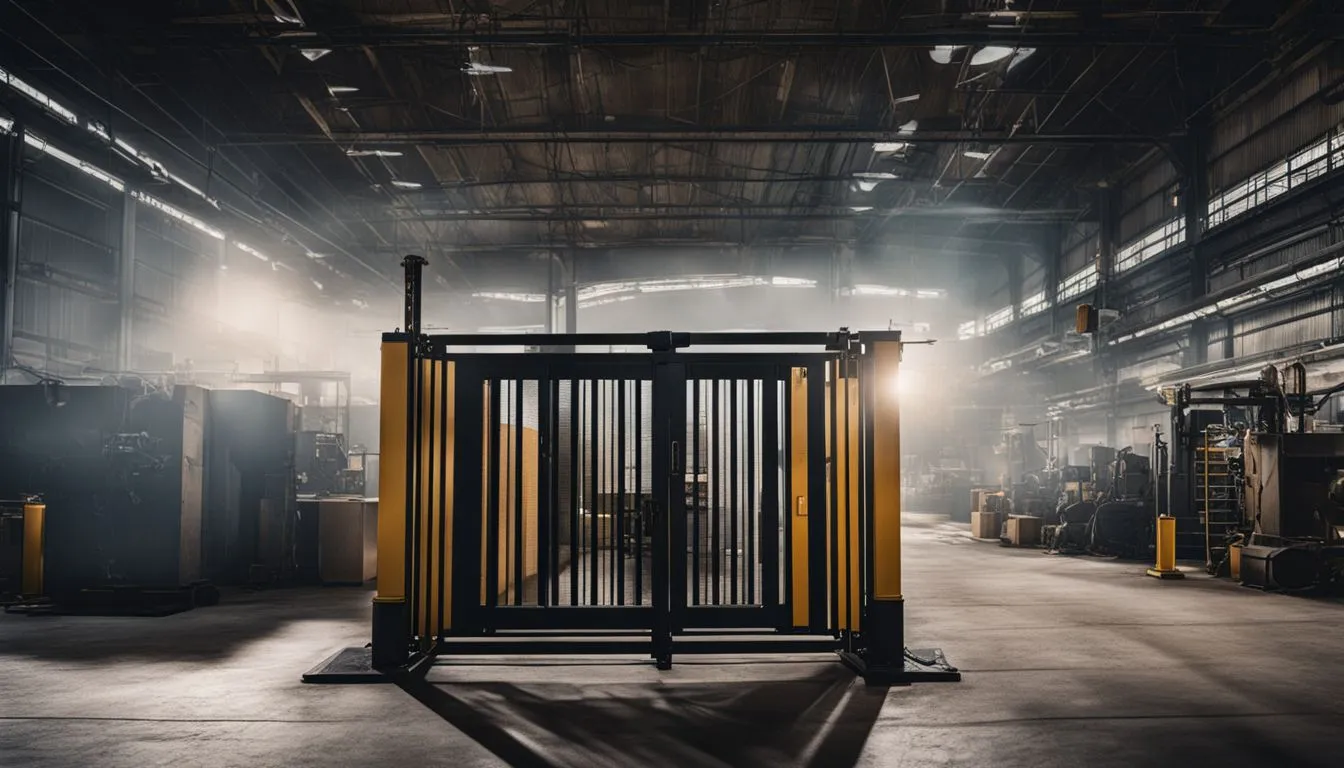
Roll-over gates are the unsung heroes in the fight against workplace accidents. They act like vigilant guardians, standing firm where safety and productivity meet. Imagine these gates as clever barriers that know when to rise for a vehicle or machinery and when to stand tall, protecting workers from entering unsafe zones.
Now let’s shift gears slightly and talk about another kind of barrier: non-physical barriers.
Non-Physical Barriers
Moving on from the steadfast protection of roll-over gates, let’s talk about non-physical barriers. These are the invisible shields that keep danger at bay without blocking your way.
Think of them as the guardians of safety you can’t see but definitely feel their presence. From alarm systems that shriek to warn you of intruders to sophisticated software that sniffs out cyber threats before they breach your firewall, these barriers work around the clock to ensure workplace safety and security.
We’re talking high-tech solutions like surveillance cameras keeping an eye out for trouble, even when we’ve clocked off for the day. And let’s not forget about access control systems; they’re like bouncers at a club, deciding who gets in and who stays out based on credentials.
By integrating these non-physical forms of protection into our safety checklist, we create a comprehensive shield against both physical and digital threats, a must-have in today’s world where risks lurk in corners we least expect.
Natural Barriers
Turning from the unseen shields of non-physical barriers, let’s explore what Mother Nature can offer for worksite protection. Natural barriers come into play without us having to lift a finger or spend a pound.
Trees, hills, and water bodies can act as formidable obstacles against potential hazards or unauthorised access to our workplaces.
These earthy guardians not only add beauty but also enhance safety seamlessly. A well-placed row of shrubs might be all it takes to steer vehicles away from pedestrian areas. Or a strategically positioned hill could become an effective shield against winds that might otherwise send materials flying across your site.
It’s about turning nature’s offerings into allies in accident prevention and workplace safety.
The Ultimate Safety Barrier Selection Guide
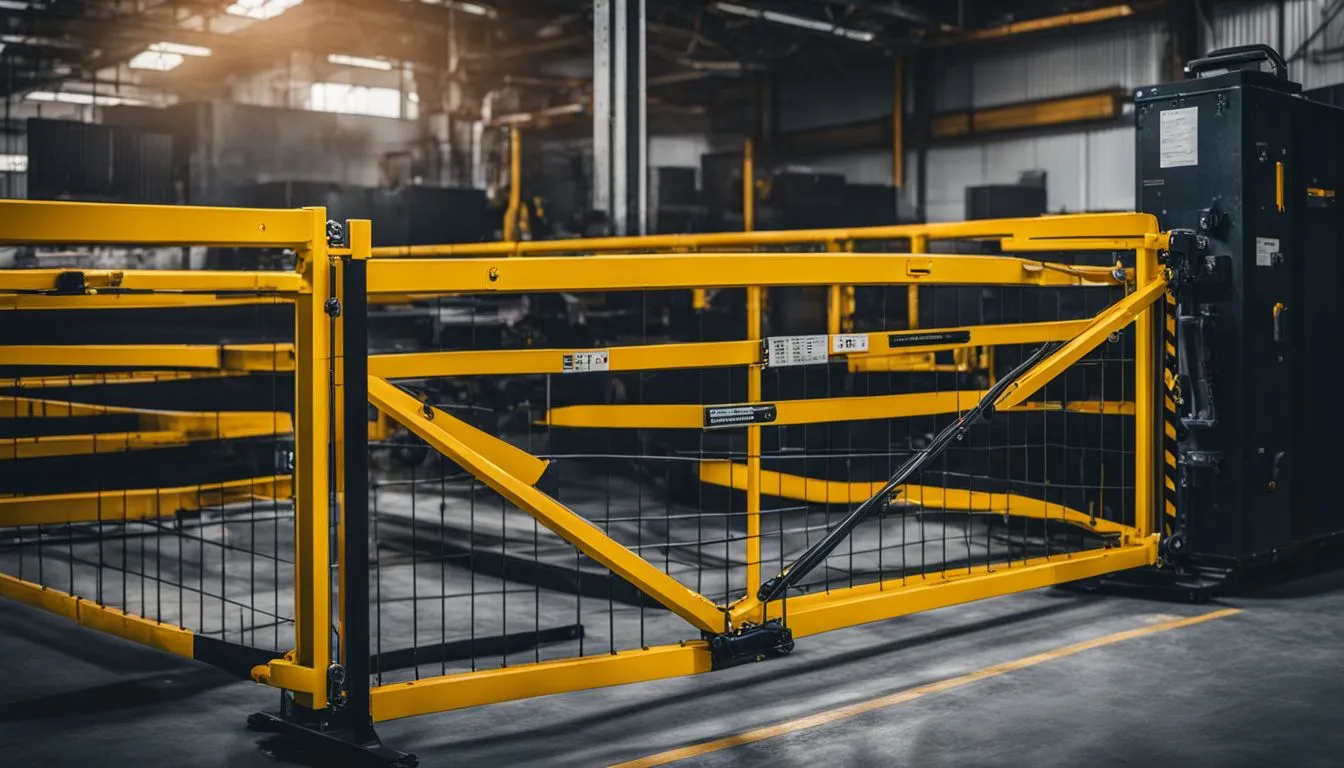
When choosing the perfect safety barrier, we consider the location, check durability, compare price with protection, choose noticeable barriers and evaluate ease of installation. This guide will help you make an informed decision without feeling overwhelmed by the choices available.
Considering the Location
Picking the right safety barrier starts with a good hard look at where you’ll put them. Every site has its own set of challenges and requirements. For example, what works in a bustling warehouse might not fit the bill in an open-air car park.
We’ve got to match the barrier’s features with the location’s unique needs. This calls for a bit of detective work, identifying workplace hazards and figuring out how pedestrians move about.
We also consider environmental factors like weather conditions that could affect durability and visibility. No one wants a safety barrier that turns into an invisible hazard on foggy mornings or gets knocked over by strong winds.
It’s all about finding that perfect match between form, function, and setting to keep our workers safe and operations running smoothly without any hiccups along the way.
Checking Durability
We always check the durability of safety barriers before making a choice. It’s like testing the strength of a rope before trusting it to hold your weight. Durability means the barrier can withstand impacts, harsh weather, and the test of time without faltering.
We look for materials that laugh in the face of rust and wear, ensuring our workplaces remain safe as houses year after year.
Our favourite is finding those barriers with a warranty that promises more birthdays than your pet turtle. They’ve got to stand guard effectively, come rain or shine. This isn’t just about picking something sturdy; it’s about ensuring continuous protection for everyone on site, making sure accidents stay in storybooks rather than our workspaces.
Comparing Price with Protection
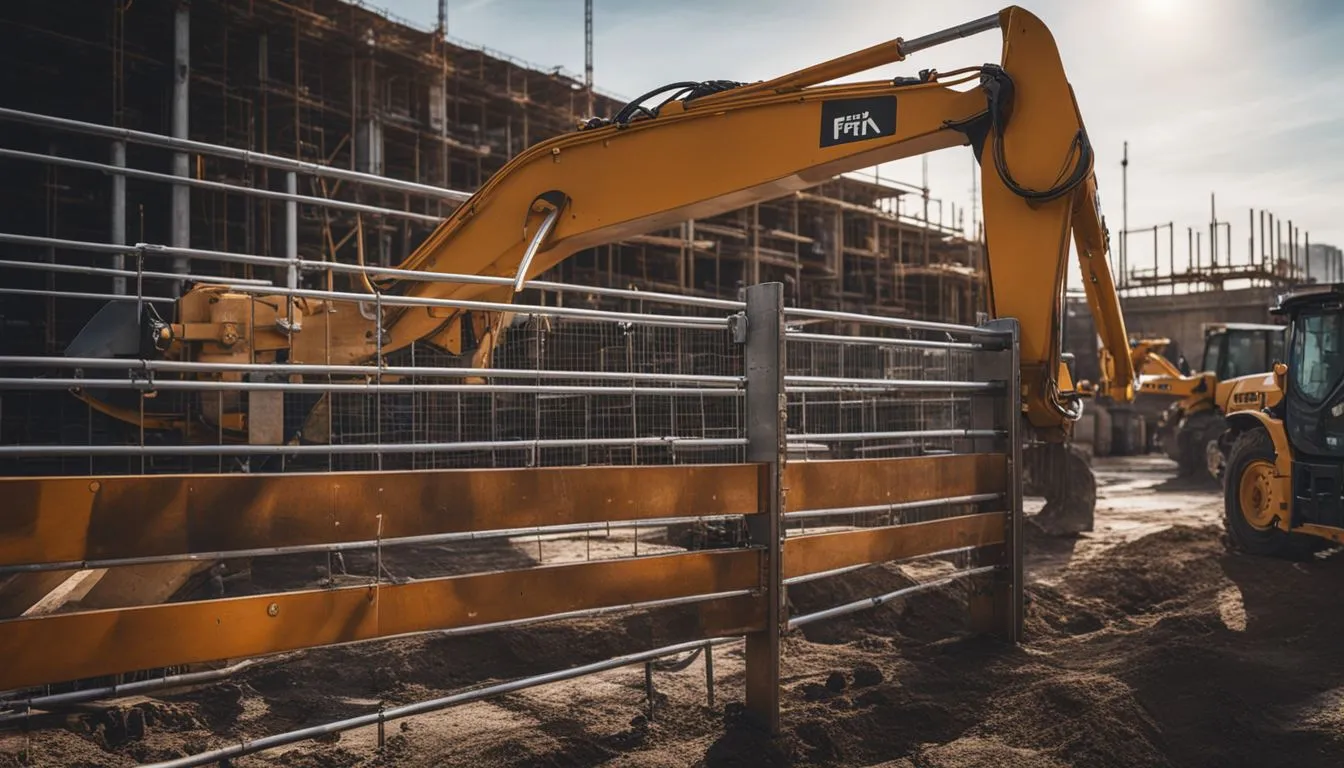
In our journey to keep our workplaces as safe as houses, one critical crossroad we often find ourselves at is balancing the books between price and protection. Let’s face it; safety isn’t where we cut corners, yet the bottom line does need consideration.
Here’s a straightforward table to help you weigh up the options without getting your wallet in a twist:
| Barrier Type | Level of Protection | Best Used For |
|---|---|---|
| Physical Barriers | High | Warehouses, Car Parks |
| Roll-over Gates | Very High | Factories, Distribution Facilities |
| Non-Physical Barriers | Medium | Office Spaces, Restricted Areas |
| Natural Barriers | Variable | Outdoor Areas, Landscapes |
Costs can give anyone the collywobbles, but remember, skimping on safety might save you some dosh today but could cost a bomb in the long run. The trick is to find a happy medium where your pocket doesn’t feel too light, and your safety isn’t on thin ice.
Always weigh up your options, and don’t just go for the cheapest ticket item. Sometimes, shelling out a bit more upfront can mean fewer headaches down the track. After all, a stitch in time saves nine.
Choosing Noticeable Barriers
When selecting safety barriers, it is crucial to choose noticeable options that effectively communicate potential hazards and prevent accidents. Brightly coloured or reflective barriers can help to draw attention to dangerous areas or equipment, especially in environments with low visibility or high foot traffic.
Additionally, using signage in conjunction with your barriers can further reinforce the message of caution and ensure that everyone is aware of the potential risks. It’s important to consider the visual impact of your chosen barrier in order to maximise safety measures and promote a secure work environment.
At the end of the day, opting for easily visible barriers contributes towards hazard management by alerting employees and visitors about potential risks and creating a safer workplace overall.
Evaluating Ease of Installation
When evaluating ease of installation for safety barriers, it’s essential to consider the practical aspects. We prioritise barriers that can be installed efficiently without disrupting daily operations.
Considering factors such as the need for professional installation or specialised tools is crucial when selecting a safety barrier. Ease of installation not only saves time but also minimises disruptions in your workplace, allowing you to maintain productivity while enhancing safety.
We always assess the installation process against our unique needs and site requirements. This approach ensures that we choose a barrier system that aligns with our specific business needs and integrates seamlessly into our existing infrastructure.
Common Locations that Benefit from Safety Barriers

Common locations benefit greatly from safety barriers, such as warehouses and distribution facilities, where pedestrian protection and equipment safeguarding are crucial. In addition, airports, car parks, and manufacturing facilities also rely on safety barriers to ensure the safety of employees and visitors alike.
Warehouses and Distribution Facilities
Warehouses and distribution facilities require robust safety barriers to protect employees, equipment, and inventory. It’s vital to consider high-traffic areas where forklifts and other heavy machinery operate.
Impact protection systems are essential to prevent accidents and safeguard against workplace hazards. A visible barrier can effectively mark off hazardous zones, enhancing workplace safety measures and minimising the risk of accidents in these bustling environments.
Moving on to airports, let’s explore how safety barriers play a crucial role in securing public spaces.
Airports
As we transition from discussing safety barriers in warehouses and distribution facilities to considering their application in airports, it’s essential to understand the distinct requirements of these environments.
Airports demand robust safety measures due to the high volume of foot traffic and vehicular movement. Barrier systems at airports must be highly visible, durable, and impact-resistant to withstand potential collisions from luggage carts, vehicles, or other airport equipment.
Furthermore, selecting barriers with easy installation features is crucial for maintaining operational efficiency within this bustling environment. The right safety barriers can prevent accidents and enhance security at various points throughout an airport facility.
At airports, where foot traffic runs high all hours of each day and night and vehicular activity is non-stop across vast terminal areas on an ongoing basis; the need for suitable barrier enclosures cannot be overstated as they are vital for safely segregating pedestrians from vehicle routes whether this means using them within drop-off zones outside terminals or inside baggage handling areas.
Car Parks
Car parks are vital areas that require careful consideration when it comes to safety barriers. With the constant flow of vehicles and pedestrians, it’s crucial to install durable and noticeable barriers to prevent accidents and protect both people and property.
When selecting safety barriers for car parks, consider factors such as location, durability, visibility, and ease of installation. Barriers should be able to withstand impact from vehicles while also serving as a clear indicator of designated parking spaces or walkways.
The right safety barriers in car parks can effectively prevent collisions between vehicles or vehicle-pedestrian accidents, providing peace of mind for business owners and ensuring the overall safety of the premises.
Manufacturing Facilities
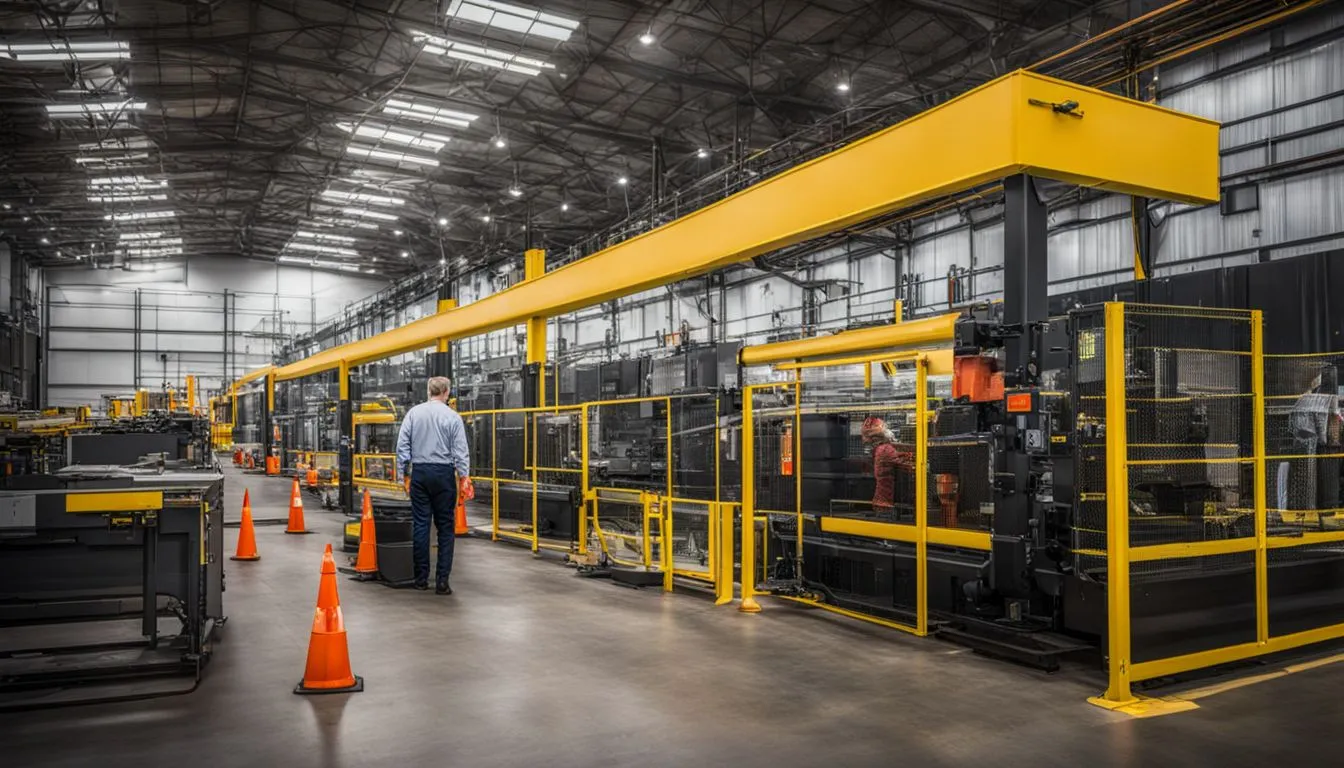
Manufacturing facilities require robust safety barriers to protect workers and equipment. It’s important to consider the layout and traffic flow of your facility when choosing the perfect barrier.
Evaluate the potential impact areas, such as loading docks, machinery zones, and high-traffic walkways, to determine where barriers are needed most. Selecting durable barriers that offer maximum protection is crucial in preventing workplace accidents and ensuring a safe working environment for all.
When it comes to keeping your manufacturing facility safe, selecting the right safety barriers is essential. Now let’s move on to exploring how safety barriers are essential for protecting warehouse and distribution facilities.
Conclusion
In wrapping up, you’ve gathered valuable insight into selecting the perfect safety barrier for your specific needs, covering a range of practical tips and key strategies. With our guide’s emphasis on simplicity and effectiveness, rest assured that implementing these approaches will be easy and efficient.
Now, how can you apply these insights to your business or workplace? Consider conducting a thorough hazard assessment to identify potential risks and determine the most suitable safety barriers for each area.
By doing so, you’ll pave the way for significant improvements in workplace safety and accident prevention. Remember to stay informed about industry best practices by exploring additional resources available from reputable organisations.
As we conclude, let’s keep in mind that prioritising workplace protection is crucial, it not only safeguards employees but also enhances overall productivity.
Discover why roll-over gates are indispensable for factory safety and how they can serve as your silent heroes in the workplace.